How To Declutter And Organise Your Wardrobe Without Buying Storage Boxes
Think you need fancy organisers to tidy your wardrobe? Think again. Discover practical, zero-cost ways to declutter, fold and arrange your clothes neatly using what you already have at home. Say goodbye to cluttered wardrobes with these professional tips.
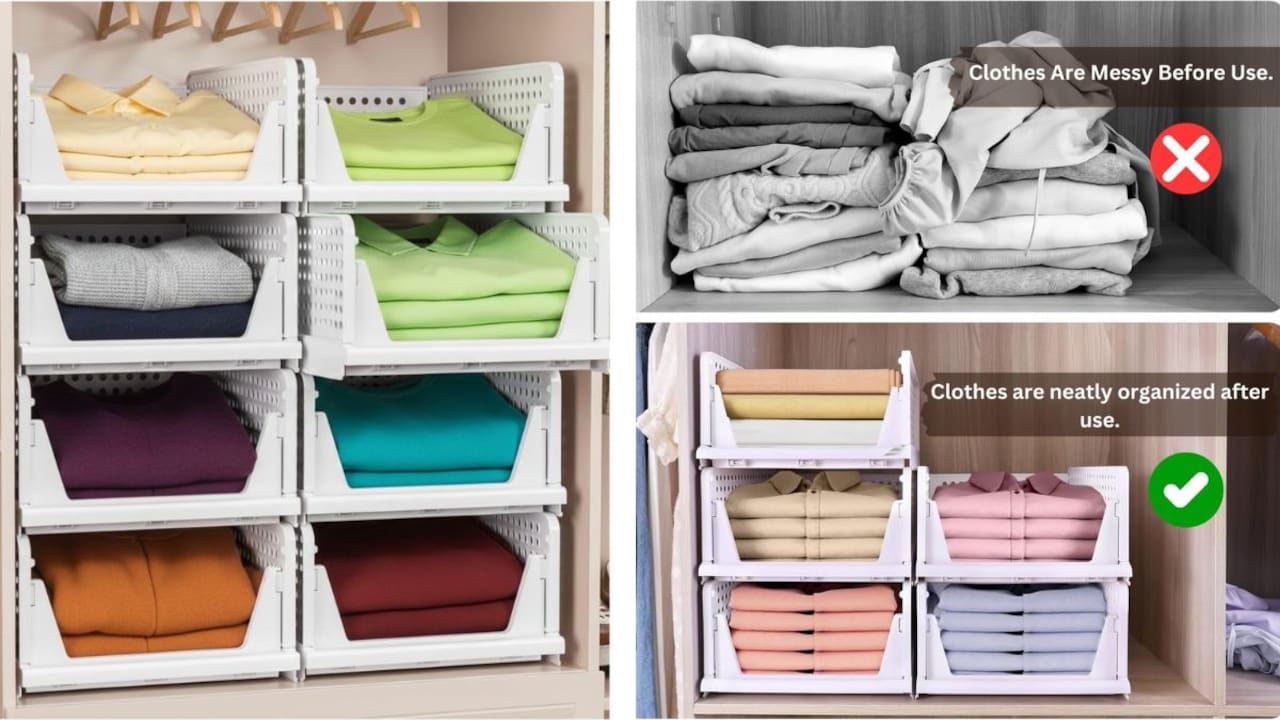
Here Is How To Declutter And Organise Your Wardrobe Smartly Without Spending On Extra Storage Boxes.
Every household has that one cupboard that sparks mild panic before a wedding, a festival or even a regular Monday at work. Clothes spill forward, hangers tangle like headphone wires and that favourite kurta hides behind layers of “maybe someday” outfits. The instinctive solution often involves buying plastic boxes or browsing online for storage hacks worth ₹2,000 or more. Yet, the real solution sits much closer.
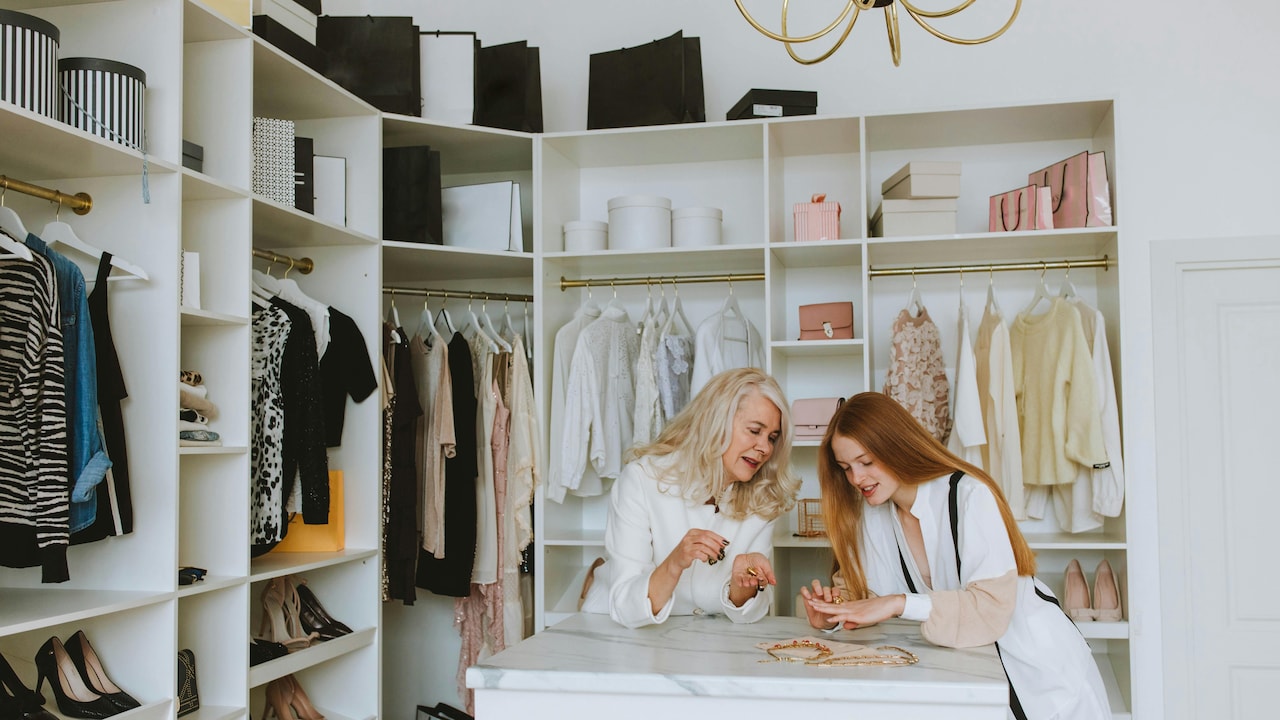
Organise and categorise your wardrobe easily with these closet organising tips; Photo Credit: Pexels
Decluttering and organising a wardrobe does not require spending money. It requires intention. It demands honesty about what deserves space and what quietly occupies it. A well-arranged wardrobe saves time during rushed mornings, protects clothes from damage and even reduces unnecessary shopping. The process feels surprisingly therapeutic. Order replaces chaos. Clarity replaces clutter.
The following guide walks through ten practical and realistic steps to create a tidy wardrobe without buying new boxes. Everything relies on items already available at home and on a willingness to rethink habits.
Also Read: Top 5 Wardrobe Organisers That Actually Work, But One Was Simply Outstanding
Ten Smart Ways To Declutter Without Spending A Rupee
1. Start With A Complete Empty-Out
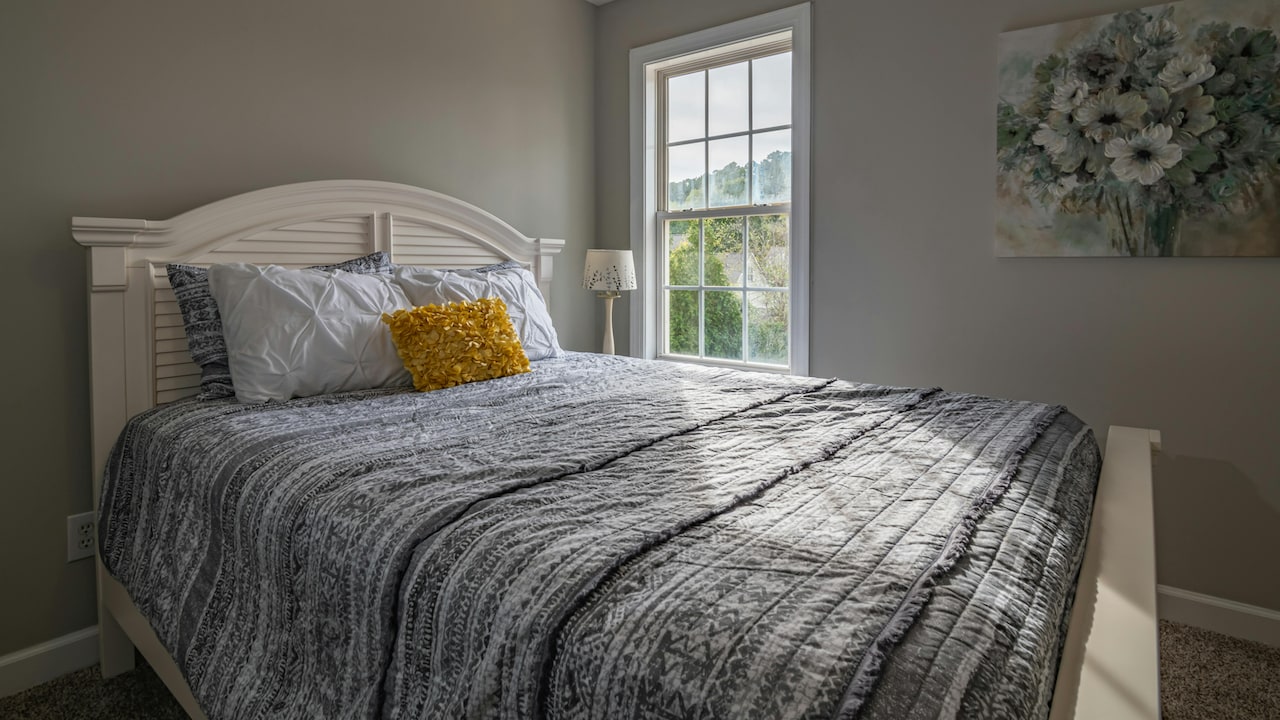
Transformation begins with a bold move. Take everything out. Every saree, shirt, dupatta, belt and scarf must leave the cupboard and land on the bed. This step may look dramatic, yet it works. A full view reveals the true volume of clothes. That pile often shocks more than expected.
An empty wardrobe also creates a clean slate. Dust the shelves, wipe corners and check for damp spots. Freshness sets the tone for the rest of the process. Seeing the cupboard bare sparks motivation. It becomes easier to imagine how neatly everything can return.
Sorting while items remain crammed inside never delivers clarity. Removing everything forces decisions. It shows duplicates hiding in corners and outfits untouched for years. That old college hoodie or faded leggings suddenly stand exposed.
This moment demands honesty, not guilt. Clothes once loved may no longer suit present needs. Trends change. Body shapes change. Lifestyles change. Keeping everything does not honour memories; it simply crowds the present.
2. Sort By Lifestyle, Not Emotion
Sentiment often sabotages an organisation. That expensive lehenga worn once at a cousin's wedding in Jaipur may carry memories worth ₹50,000, yet it does not require prime shelf space. Clothes should reflect current routines.
Divide items into clear categories: daily wear, work wear, festive wear, lounge wear and occasional pieces. Think about how often each category gets used. Daily wear deserves easy access. Festive outfits can occupy higher shelves.
When sorting, ask practical questions. Has this been worn in the last year? Does it fit comfortably? Does it match the current style? Emotional attachment should not dominate every decision.
Keep a small “maybe” pile if necessary. Place those items in a separate bag for a month. If nothing from that pile gets used, let it go. Donate wearable clothes to local charities or domestic staff who might appreciate them. Passing on clothes feels lighter than hoarding them.
A wardrobe should serve present life, not preserve every chapter of the past.
3. Use The KonMari Folding Technique For Vertical Space
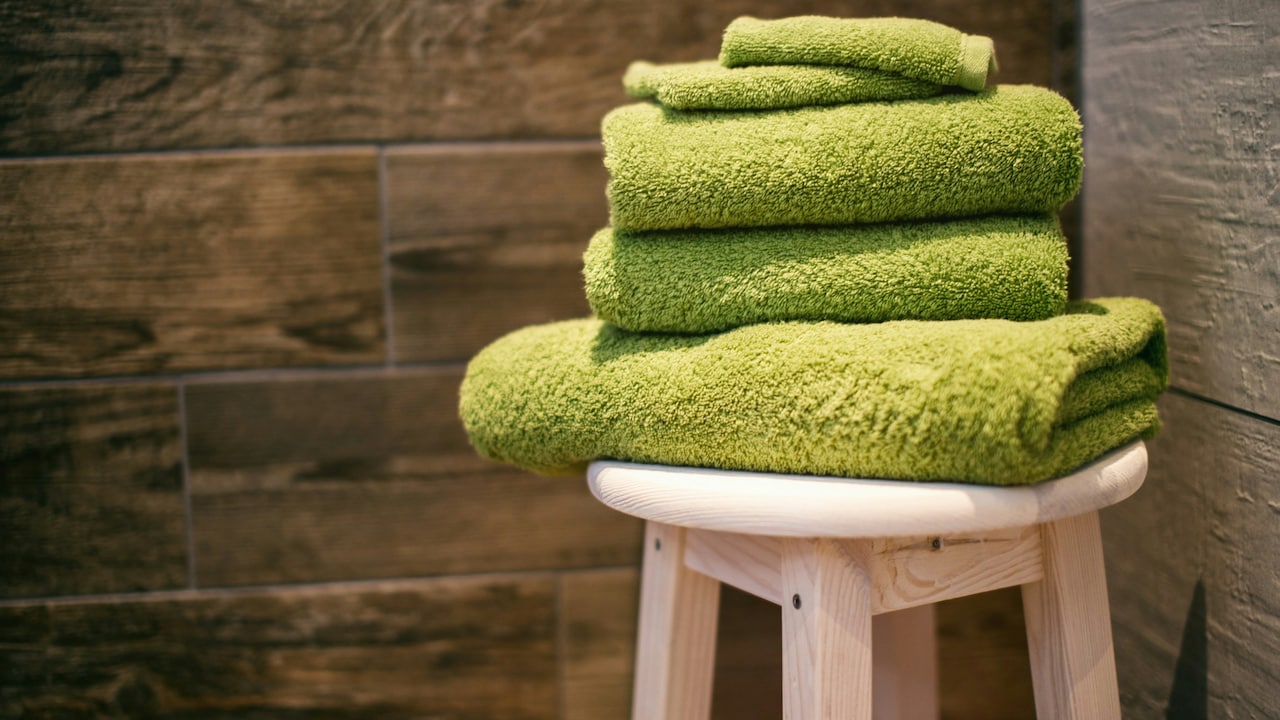
Shelf space often gets wasted because clothes lie stacked flat. The famous KonMari method encourages folding garments into compact rectangles that stand upright. This approach allows every item to remain visible.
Fold t-shirts, kurtis and pyjamas into neat parcels that stand vertically in rows. Instead of lifting a heavy pile to reach one piece, simply pull out what's needed. The rest stay intact. This technique prevents messy avalanches.
Vertical folding also creates surprising room. A single shelf can suddenly hold twice the number of garments. It requires patience at first. Once mastered, it becomes second nature.
Neat rows look satisfying. The cupboard begins to resemble a boutique display rather than a storage battle zone. More importantly, this method discourages overstuffing. When rows fill up, it signals that no more clothes should enter without something leaving.
Organisation thrives when visibility improves. Hidden clothes rarely get worn. Visible clothes invite use.
4. Repurpose Old Saree Boxes And Gift Cartons
Before rushing to buy storage containers, explore existing resources. Most homes store old saree boxes from wedding trousseaus or festive shopping. Those sturdy cardboard boxes work perfectly for smaller items.
Use them to organise scarves, belts, socks or innerwear. Cover worn-out boxes with leftover gift wrap or old newspaper for a clean look. A touch of fabric glued over the lid adds charm without costing a rupee.
Sweet boxes from Diwali hampers or large appliance cartons can also serve a purpose. Cut them to size if needed. Label each box clearly with a marker. Labelling reduces guesswork and maintains order.
Repurposing boxes saves money and reduces waste. Instead of spending ₹1,500 on new organisers, existing materials solve the problem. Creativity often beats consumption.
The cupboard slowly transforms into a system. Every small accessory gains a home. And when everything has a designated place, clutter struggles to return.
4. Maximise Hanging Space Strategically
Hangers consume more space than necessary when used carelessly. Start by matching similar hangers if possible. Uniform hangers create visual harmony and prevent uneven gaps.
Group hanging clothes by category. Keep work shirts together, dresses together, and heavier garments separate. This arrangement speeds up outfit selection.
Use cascading hanger tricks without buying extra tools. Slip the hook of one hanger into the neck of another to create a vertical chain. This simple hack works well for lighter tops and saves horizontal space.
Avoid hanging bulky knitwear. Folding prevents stretching and preserves shape. Reserve hanging for structured pieces such as blazers, sarees and formal wear.
When hanging space gets organised, it breathes. Clothes stop pressing against each other. Wrinkles reduce. That morning scramble to find a crisp shirt fades away. A little strategy turns chaos into calm without spending a single rupee.
5. Create Seasonal Rotation Zones
Weather shifts bring natural wardrobe changes. Heavy shawls and sweaters rarely need prime access during summer. Similarly, cotton kurtas take a back seat during colder months.
Instead of buying storage bins, use the topmost shelf for off-season clothes. Fold them neatly and place them in old pillow covers or clean bedsheets. Fabric covers allow airflow and prevent dust.
Seasonal rotation keeps everyday shelves lighter. It also refreshes style choices. When winter arrives, bringing out warm clothes feels exciting rather than overwhelming.
This system reduces clutter throughout the year. It prevents the mixing of seasonal items that crowd daily wear. The cupboard stays balanced and relevant to the current weather.
Every six months, repeat the rotation. Quick reassessment helps remove items no longer needed. Organisation remains dynamic, not static.
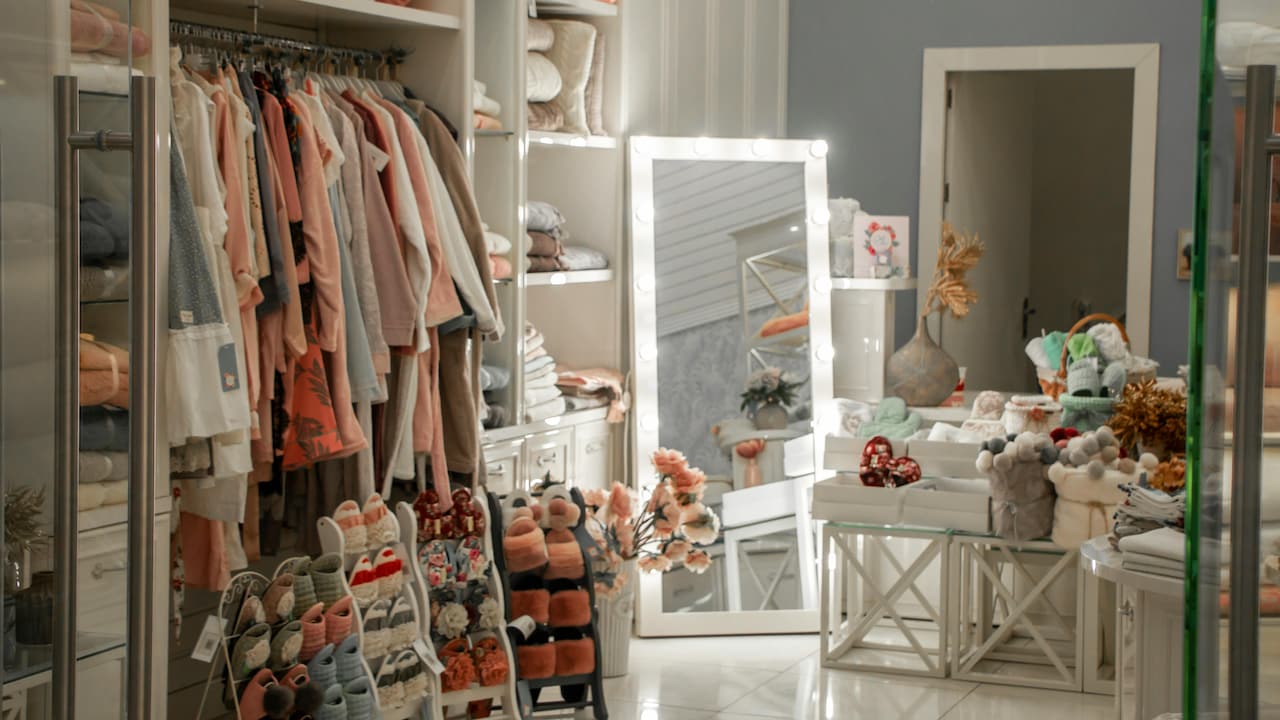
Make seasonal rotations in your wardrobeshifts bring natural wardrobe changes. Heavy shawls and sweaters rarely need prime access during summer. Similarly, cotton kurtas take a back seat during colder months.
Photo Credit: Pexels
6. Adopt The One-In, One-Out Rule
Decluttering does not end after one weekend. Maintenance matters. The simplest rule prevents future chaos: for every new garment that enters, one old garment must leave.
This habit curbs impulsive shopping. That ₹3,000 kurta bought during a festive sale demands a sacrifice from the wardrobe. The rule encourages mindful purchases.
Without limits, clothes accumulate faster than space expands. Cupboards overflow. Frustration returns. The one-in, one-out principle creates balance.
Donation becomes a regular act instead of a rare event. Clothes find new homes instead of collecting dust. The wardrobe stays current and manageable.
This rule also sharpens style awareness. It forces the evaluation of what truly gets worn. Over time, the collection reflects personal taste rather than passing trends.
Simplicity grows from discipline, not from storage products.
7. Organise Accessories With Everyday Household Items
Accessories often create the most mess. Earrings vanish, bangles tangle, and ties disappear behind stacks of clothes. Clever use of household items solves this.
Use old ice cube trays for studs and small rings. Hang chains on a simple hook fixed behind the wardrobe door. Store bangles in empty cylindrical biscuit tins. Use transparent zip pouches from previous purchases to separate delicate pieces.
A small tray placed on a shelf keeps watches and everyday jewellery accessible. Clear visibility prevents frantic searches before leaving home.
Repurposed organisers bring order without spending ₹800 on acrylic boxes. More importantly, they encourage consistency. When each accessory has a spot, returning it becomes easier.
Small changes create a big impact. Accessories stop floating aimlessly. They complement outfits instead of complicating mornings.
8. Use Colour Coordination For Visual Calm
Colour plays a powerful role in organisation. Arranging clothes from light to dark or by colour families creates immediate visual harmony. Whites and pastels can start on one side, moving gradually into bold shades and darker tones.
Colour coordination simplifies outfit planning. Matching becomes intuitive. Patterns stand out. Duplicates become obvious.
This technique also highlights gaps in the wardrobe. If several blue kurtas dominate the rail, perhaps another shade deserves attention next time.
A rainbow-like arrangement adds joy each time the cupboard opens. It feels intentional. It feels curated.
Neat colour transitions transform a chaotic space into a calming one. An organisation should not only function well; it should feel pleasing. A wardrobe that looks good invites maintenance.
9. Set A Monthly Ten-Minute Reset Ritual
Even the neatest wardrobe can slip back into disorder. A simple monthly ritual prevents that slide. Set aside ten minutes at the start of each month to refold, realign and reassess.
Straighten stacks. Return misplaced items. Remove anything that no longer fits or feels right. Quick resets keep clutter from building quietly.
This habit requires minimal effort yet delivers lasting results. It reinforces awareness of what remains inside the cupboard.
Treat this ritual like a small act of self-care. Put on music, sip chai and enjoy the process. Organisation does not need to feel like punishment.
Consistency beats grand overhauls. Ten minutes each month protects hours otherwise lost to chaos later.
Products Related To This Article
1. SITTELLA® Pack of 4 Foldable Wardrobe Organizer with Durable Handle
2. JD FRESH 2 Pcs 66 Liters Foldable Steel Frame Cloth Organizer for Storage
3. amazon basics Clothes Organizer for Wardrobe
4. PulGos 6pcs Foldable Drawer Organizer for Home
5. PRIME PICK Storage Box & Cloth Organiser Clothes Organizer
A well-organised wardrobe does not depend on fancy storage boxes or expensive organisers. It depends on clarity, creativity and commitment. With simple techniques such as vertical folding, seasonal rotation and repurposing old boxes, any cupboard can transform into a calm and functional space.
Decluttering also reshapes shopping habits. It encourages thoughtful purchases and reduces waste. Money saved from skipping unnecessary organisers can fund experiences, travel or even festive celebrations worth far more than plastic bins.
More than anything, a neat wardrobe brings daily ease. Mornings become smoother. Favourite outfits remain visible. Stress quietly reduces.
Order at home often reflects order in life. When clothes sit neatly arranged, decisions feel lighter. The cupboard stops overwhelming and starts supporting.
No new boxes required. Only intention, patience and a fresh perspective.
(Disclaimer: This article may include references to or features of products and services made available through affiliate marketing campaigns. NDTV Convergence Limited (“NDTV”) strives to maintain editorial independence while participating in such campaigns. NDTV does not assume responsibility for the performance or claims of any featured products or services.)