Can Borosilicate Go From Fridge To Microwave? The Real Rule
Can borosilicate go straight from the fridge to the microwave? Yes, but only if you follow one key rule. Sudden temperature changes can crack even heat-resistant glass. Here's what truly keeps your containers safe. Here is the truth about using borosilicate containers in the fridge and microwave.

Is Borosilicate Safe From Fridge To Microwave? The Truth About Thermal Shock.
Modern kitchens rely heavily on glass containers. They store leftovers, carry lunch to work, and move from fridge to microwave in seconds. Brands such as Borosil and Pyrex have made borosilicate glass a household name. The promise sounds reassuring: heat-resistant, durable, microwave safe.
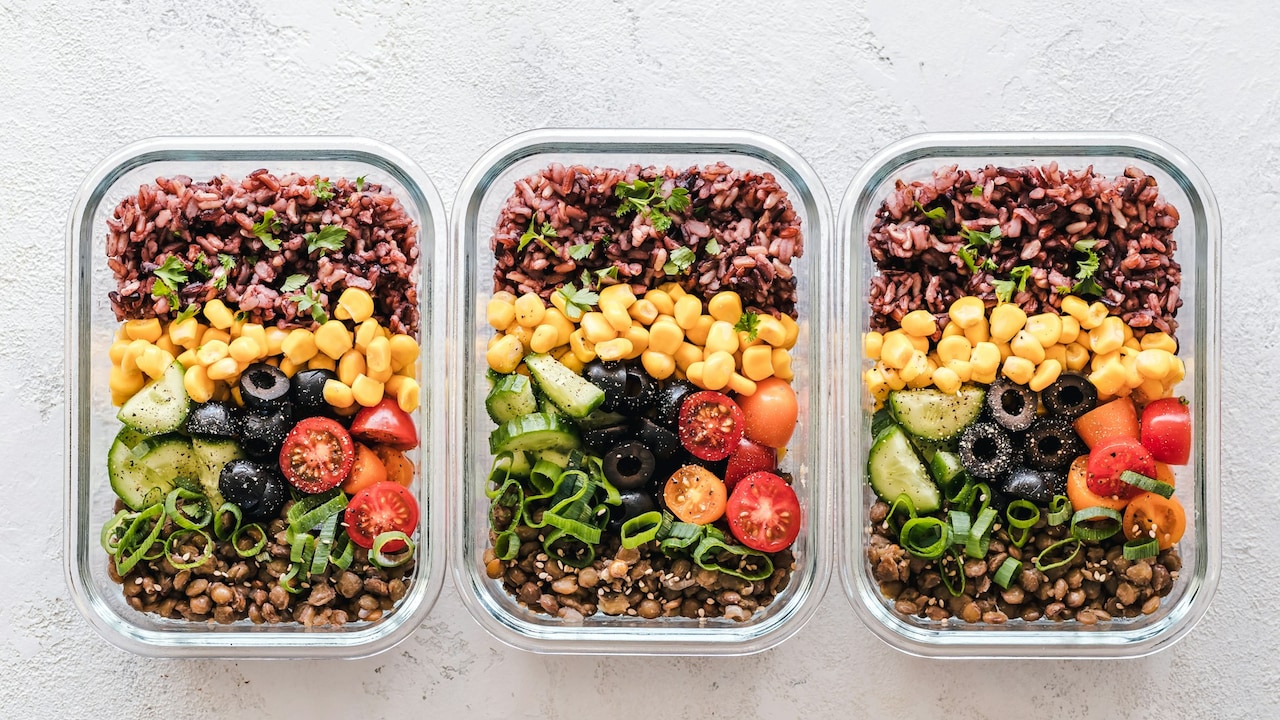
Always remember these things before using borosilicate in fridge and microwave; Photo Credit: Unsplash
Yet many households have heard that alarming crack. A dish shatters without warning. Food spills. Cleanup turns messy and expensive. Replacing a quality borosilicate container can cost anywhere between ₹350 and ₹1,200. No one enjoys that surprise.
So can borosilicate truly travel straight from fridge to microwave? The short answer: yes, but only under the right conditions. The longer answer involves understanding temperature difference, heating patterns, and simple habits that protect both glass and food.
Let's explore the real rule behind borosilicate and sudden heat changes.
Also Read: Top 10 Borosil Picks Under ₹1299 You Must Not Miss On Myntra
What Makes Borosilicate Different From Regular Glass?
Borosilicate glass contains silica and boron trioxide. That combination gives it remarkable resistance to temperature change. Regular soda-lime glass expands quickly when heated. Borosilicate expands far less. This lower expansion reduces the risk of cracking.
Manufacturers design borosilicate for laboratory equipment and cookware. It handles oven heat better than ordinary glass. It tolerates up to around 300°C in many cases. That strength explains why kitchens trust it for baking trays, casseroles, and storage bowls.
However, “heat resistant” does not mean “shock proof.” Even borosilicate has limits. When one part of the glass heats faster than another, stress forms inside the material. If the stress exceeds tolerance, cracks appear.
The key difference lies in how evenly the heat is distributed. Regular glass struggles with sudden changes. Borosilicate performs better but still requires sensible handling. Understanding that nuance prevents expensive mistakes and dramatic kitchen moments.
The Science Of Thermal Shock Explained Simply
Thermal shock sounds technical, yet the concept remains simple. When temperature changes too quickly, materials expand or contract unevenly. Glass cannot stretch like rubber. It resists. That resistance creates stress.
Imagine taking a chilled container at 4°C and placing it into intense microwave heat. The outer surface warms quickly. The inner portion stays cold. The two layers pull against each other. That tension can cause cracking.
Microwaves heat food through water molecules. Food often heats faster than the glass itself. This uneven warming creates hot spots. If the dish contains thick gravy in one corner and empty space in another, heat distribution becomes irregular.
Thermal shock does not depend only on temperature. Speed matters. Gradual change allows the glass to adjust. Sudden exposure increases risk. The science may sound dramatic, yet a little patience solves most problems.
The Real Rule: Avoid Extreme Temperature Differences
Here lies the core principle. Borosilicate can move from fridge to microwave, but avoid extreme temperature differences.
If the container sits in a standard refrigerator at around 3–5°C and goes into a microwave on medium power, it usually handles the transition well. Trouble begins when the glass comes from a freezer at -18°C and enters high heat immediately.
Extreme contrast strains the material. A freezer-to-microwave leap tests the limits. Even high-quality borosilicate may crack under that stress.
The safest approach involves reducing the temperature gap. Allow frozen dishes to thaw slightly. Let refrigerated containers rest on the counter for a few minutes before heating.
That small pause protects the glass and ensures more even heating. It also prevents the frustrating sight of a cracked base just when hunger peaks.
Fridge To Microwave: When It Is Generally Safe
Moving a dish from the fridge to the microwave often works without issue. Most modern borosilicate containers are designed for that convenience. Leftover dal, sabzi, or pasta stored overnight rarely cause problems when reheated sensibly.
Microwaves heat gradually when set to medium power. This gradual rise reduces stress. Stirring food halfway through further balances heat distribution. Even warming supports the glass structure.
Avoid placing a cold dish on a microwave turntable that already feels hot from previous use. That contrast increases risk. Ensure the microwave interior cools slightly before reheating.
Also, check that the container does not have tiny cracks or chips. Even small damage weakens structural integrity. A chipped rim may look harmless, but can become a breaking point under stress.
With mindful handling, fridge-to-microwave transitions remain safe in most everyday situations.
Freezer To Microwave: Where Caution Matters Most
The freezer changes the equation. Glass at -18°C contracts significantly. Immediate high heat causes rapid expansion on the surface while the core stays frozen.
This dramatic difference raises the likelihood of breakage. Frozen gravies and curries often heat unevenly. The outer layer thaws and boils while the centre remains icy. That imbalance stresses the container.
Safer practice involves defrosting first. Use the microwave's defrost setting or allow natural thawing for 10 to 20 minutes. Even partial thawing reduces shock considerably.
Never place a frozen glass dish directly into a preheated oven. The same rule applies there, only more intensely.
Patience saves money. A cracked dish costs ₹800. A few extra minutes cost nothing.
Understanding this distinction between fridge and freezer proves crucial in daily kitchen routines.
The Role Of Microwave Power And Heating Patterns
Microwave settings matter more than most realise. High power generates rapid heating. Rapid heating intensifies thermal stress.
Medium or low power provides gentler warming. Gradual heat allows glass and food to adjust together. This balanced approach lowers risk.
Uneven food placement also affects safety. If one side of the dish holds dense food while another side remains empty, heat concentrates unevenly. That uneven heating strains the glass.
Covering food with a microwave-safe lid or plate helps distribute steam. Steam encourages even warming. Stirring midway breaks up hot spots and cold centres.
Glass rarely breaks because it was moved from the fridge to the microwave. It breaks because of uneven heating and extreme contrast.
Smart microwave habits transform borosilicate from fragile worry to reliable kitchen partner.

Always use medium or low power to allow glass and food to adjust together; Photo Credit: Pexels
Visible Damage: The Warning Signs Not To Ignore
Small cracks often escape attention. A thin hairline along the base might seem cosmetic. Yet glass under stress magnifies weak points quickly.
Before reheating, inspect the container. Check the corners and bottom. Look for cloudy lines or tiny chips. Even slight structural damage increases breakage risk during heating.
Scratches from metal spoons rarely cause major issues, but deep chips along edges deserve caution. Replace damaged containers rather than testing their limits.
Storage habits also matter. Avoid stacking heavy steel vessels on top of glass containers in the fridge. Pressure creates micro-fractures over time.
Quality borosilicate lasts for years when treated gently. Neglect shortens its lifespan dramatically.
Respect the material, and it rewards the kitchen with reliability.
Everyday Kitchen Habits That Make A Difference
Simple routines protect borosilicate better than any label. Allow refrigerated dishes to sit out for five minutes before heating. Use moderate microwave settings. Stir halfway through.
Avoid placing a hot dish straight onto a cold granite counter. Sudden contact with a cool surface may also trigger stress. Use a cloth or wooden board instead.
Do not pour cold water into a hot glass dish. That shock often causes immediate cracking.
Handle lids carefully. While borosilicate withstands heat, plastic lids may not. Remove airtight seals before microwaving to prevent pressure build-up.
These habits require no special training. They simply involve awareness. Over time, they become second nature, like checking the gas knob before leaving home.
Good habits protect both cookware and meals.
Myths About “Microwave Safe” Labels
Many people assume “microwave safe” means indestructible. That assumption leads to careless handling.
Microwave safe indicates that the material will not melt or release harmful chemicals under microwave heat. It does not guarantee resistance to extreme temperature shock.
Even high-quality borosilicate has boundaries. Manufacturers test under controlled conditions. Real kitchens introduce unpredictability: uneven food loads, sudden temperature shifts, hidden cracks.
Marketing often simplifies complex science. Labels reassure, but responsibility remains with the user.
Understanding this distinction removes confusion. It also prevents disappointment when a trusted dish breaks unexpectedly.
Treat microwave safe as guidance, not a licence for abuse.
When To Replace Rather Than Risk
Glass rarely gives dramatic warnings before failure. Sometimes it holds for years. Sometimes it cracks suddenly.
If a container has survived multiple freezer-to-microwave jumps, that does not mean it should continue enduring them. Repeated stress weakens the material gradually.
Replace dishes with visible cracks, heavy scratches, or loose-fitting bases. Investing ₹600 in a new container costs less than cleaning shattered glass from food.
Also consider age. Very old borosilicate may lose strength over time due to microscopic wear.
Safe kitchens prioritise prevention. Replacing worn cookware reduces risk and keeps meal preparation smooth.
Glass serves beautifully when respected. It rebels when pushed too far.
Products Related To This Article
1. BOROSIL Transparent Oven & Microwave Safe Borosilicate Glass Round Baking Dish
2. UMAI Transparent & Yellow Floral Printed Oval Shape Microwave Safe Baking Tray
3. MARKET99 Rectangle Glass Baking Dish
4. Kuber Industries Yellow Borosilicate Glass Baking Serving Tray
5. BOROSIL Transparent & Green Microwave Safe Borosilicate Glass With Lid
So, can borosilicate go from fridge to microwave? Yes, under sensible conditions. The real rule centres on temperature difference and gradual heating.
Fridge to microwave usually works safely. Freezer to microwave demands caution. Medium power settings, gentle thawing, and regular inspection make all the difference.
Borosilicate glass remains one of the most reliable materials in modern kitchens. It handles heat better than regular glass and offers durability that justifies its price. Yet it thrives on respect rather than haste.
Next time leftovers wait in the fridge, pause briefly before reheating. That short moment protects the dish, the food, and the budget.
Kitchen wisdom often hides in small habits. In this case, a little patience keeps both dinner and glass perfectly intact.
(Disclaimer: This article may include references to or features of products and services made available through affiliate marketing campaigns. NDTV Convergence Limited (“NDTV”) strives to maintain editorial independence while participating in such campaigns. NDTV does not assume responsibility for the performance or claims of any featured products or services.)












![Steam Iron Teflon Shoe Cover for ES-300,ST-96 [Only For ES-300 and ST-96 Model Electric Steam Irons]](https://m.media-amazon.com/images/I/51wwkttondL._SL160_.jpg)