Why Towels Stop Absorbing Water: And How To Fix It
Towels lose absorbency due to detergent residue, fabric softener, hard water and improper washing. The good news? Simple laundry tweaks can restore their softness and drying power without spending ₹ on new ones.
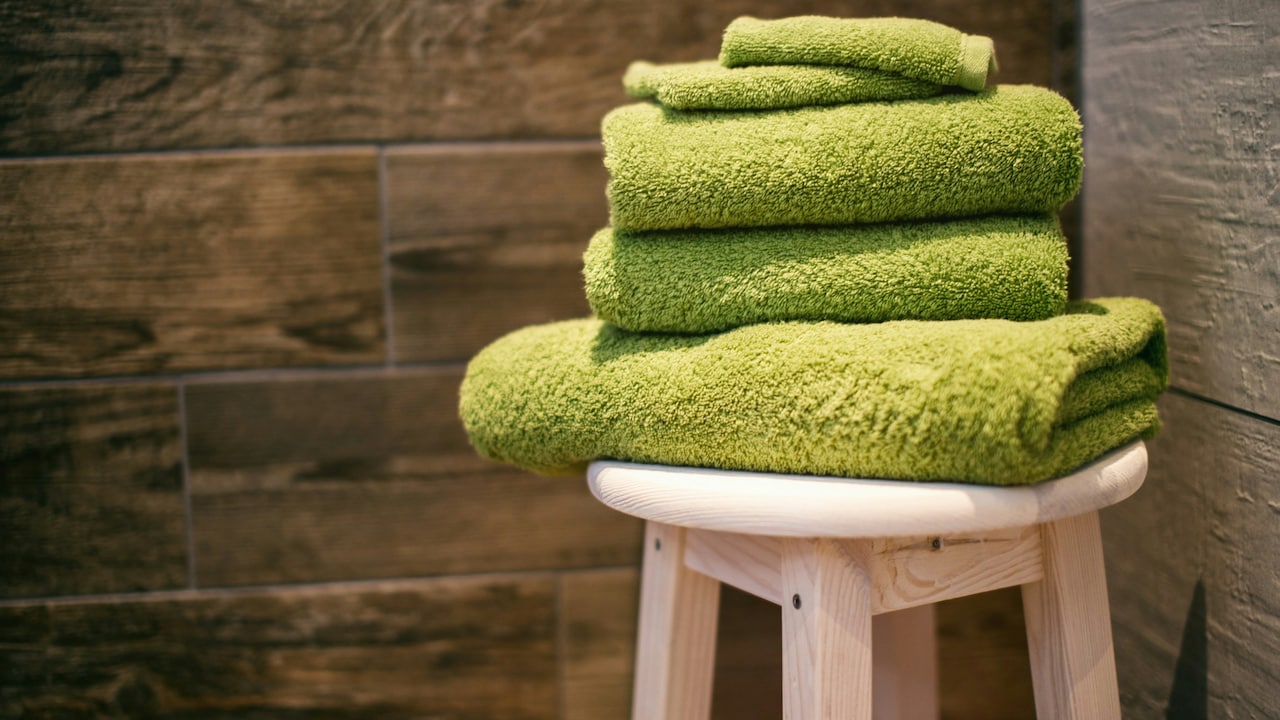
Why Towels Stop Absorbing Water: And 7 Easy Ways to Fix Them Fast.
A good towel feels like a warm hug after a shower. It wraps, comforts and dries in seconds. Yet many households face the same puzzling problem. Towels look clean. They smell fresh. But they no longer absorb water. Instead, they glide across wet skin and leave droplets behind. Frustration builds. Some blame the poor quality. Others suspect hard water. Many quietly assume the towel has reached the end of its life.
Before rushing to buy a new set for ₹1,500 or more, it helps to understand what really happens inside those cotton fibres. Towels do not suddenly forget how to absorb water. They lose efficiency because of daily washing habits, product build-up and environmental factors. The good news? Most of these issues have simple fixes. With a few tweaks, even an old towel can regain its purpose and perform like it did on the first day.
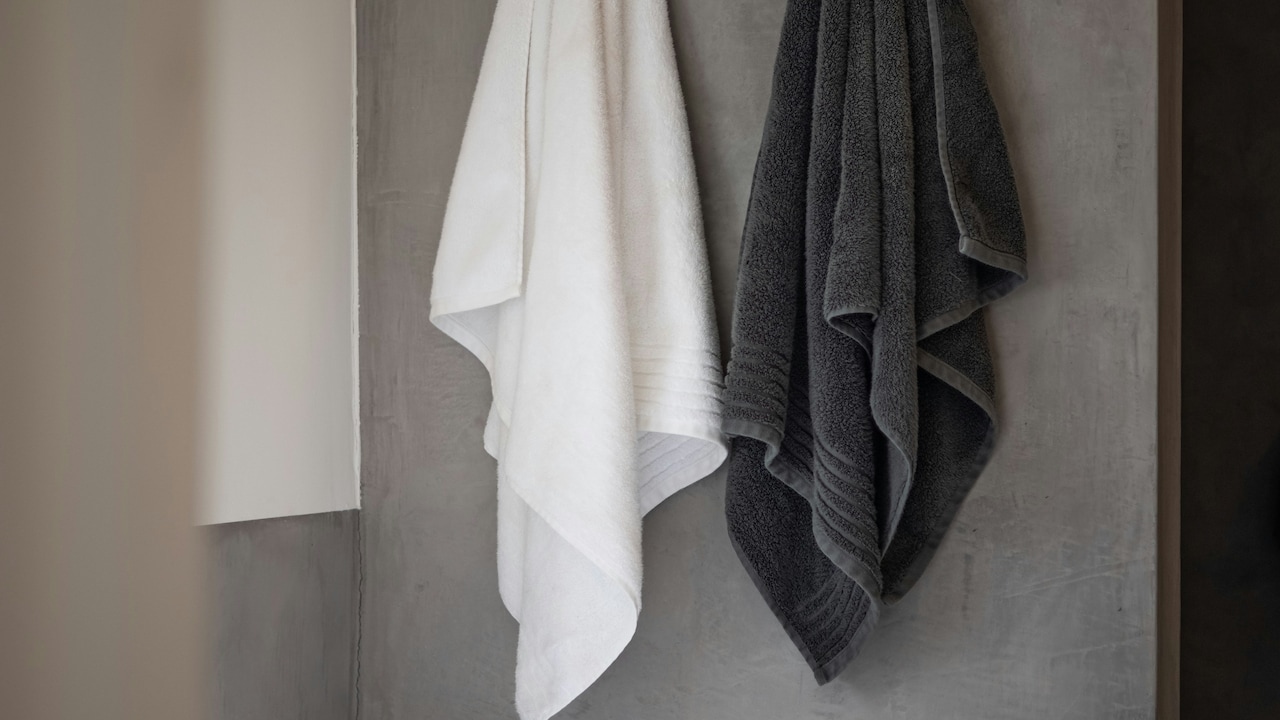
Why Towels Stop Absorbing Water: And How To Fix It
Photo Credit: Unsplash
What Really Happens When Towels Stop Working Properly
Detergent Residue Build-Up
Detergent promises freshness, fragrance and sparkling cleanliness. Ironically, it often becomes the main reason towels stop absorbing water. Many households use more detergent than necessary. Extra powder does not mean extra clean. Instead, it clings to towel fibres and forms a thin coating. Over time, this residue builds up and blocks the tiny loops designed to trap water.
Front-load washing machines require surprisingly little detergent. Yet habit leads to generous scoops. The result feels fluffy but performs poorly. Towels may even feel slightly stiff or slippery.
To fix this issue, reduce the detergent quantity by half and run an extra rinse cycle. Once a month, wash towels in hot water without detergent. Adding a cup of white vinegar during the rinse helps dissolve trapped residue. After two or three proper washes, many towels begin absorbing water again. The change feels almost magical.
Overuse Of Fabric Softener
Fabric softener smells pleasant and promises silkiness. Unfortunately, it coats fibres with a thin, wax-like layer. That layer creates softness but reduces absorbency. Towels need open, fluffy loops to drink up water. Fabric softener flattens and seals them.
Many people add a softener out of habit. Advertisements make it feel essential. In reality, towels perform better without it. That overly smooth texture often signals trouble.
To restore absorbency, stop using fabric softener entirely for towels. Wash them with hot water and a cup of vinegar once to strip away the coating. Vinegar acts as a natural softener without leaving residue. After air drying or tumble drying, towels feel lighter and more effective. Softness should come from clean fibres, not chemical layering.
Hard Water Problems
In many cities, hard water flows straight from taps. It contains high levels of minerals such as calcium and magnesium. These minerals attach themselves to fabric fibres during washing. Over time, they create a stubborn layer that stiffens towels and reduces their ability to soak up moisture.
Hard water also reacts with detergent and forms soap scum. This combination further clogs towel loops. Towels may feel rough against the skin and dry more slowly.
Installing a water softener works well but may cost ₹15,000 or more. A more affordable solution involves adding washing soda or vinegar during laundry. These help counter mineral deposits. Regular deep cleaning washes, done once a month, prevent heavy build-up. When mineral residue clears, towels regain flexibility, and absorbency improves noticeably.
Low-Quality Cotton Fibres
Not all towels come from the same quality of cotton. Premium varieties such as long-staple cotton have longer fibres. These fibres create stronger, more absorbent loops. Cheaper towels often use short fibres. They shed quickly and lose structure after repeated washing.
A towel may look thick on the store shelf. Weight alone does not guarantee performance. Some manufacturers add extra finishing chemicals to create artificial softness. After a few washes, the truth appears. The towel feels flat and stops absorbing well.
Choosing better-quality cotton at the beginning saves frustration later. Look for tightly woven loops and solid stitching. Avoid overly glossy finishes. Investing ₹2,000 in a durable set may last far longer than replacing cheaper towels every year. Quality fibres maintain structure and keep their thirst intact.
Improper Washing Temperature
Temperature plays a crucial role in maintaining absorbency. Cold washes save electricity and protect delicate fabrics. Towels, however, need occasional hot washes. Warm or hot water helps dissolve oils, detergent residue and bacteria trapped within loops.
Frequent cold washing allows body oils to accumulate. These oils create a barrier that prevents water absorption. Towels may begin to smell musty despite regular washing.
Washing towels at 40 to 60 degrees Celsius every few cycles keeps them fresh and functional. Always check care labels first. Pair hot water with a moderate amount of detergent. Avoid overcrowding the machine. Adequate space allows thorough rinsing. When towels receive proper heat treatment, they fluff up and regain absorbent power.
Overloading The Washing Machine
Stuffing the washing machine feels efficient. More laundry per cycle saves time and electricity. Yet towels require space to move freely. When crammed tightly, they cannot rinse properly. Detergent and dirt remain trapped within fibres.
Overloading also prevents proper agitation. Towels rub against each other instead of circulating in water. This leads to uneven cleaning and stiff texture.
Reducing the load size improves performance immediately. Wash towels separately from clothes. Give them enough room to tumble. Use the correct water level. After washing, shake each towel before drying. This simple action loosens fibres and improves airflow. A little breathing space makes a noticeable difference in how well towels absorb water.
Excessive Tumble Drying
Tumble dryers provide convenience during humid weather. However, excessive heat damages cotton fibres over time. High temperatures cause loops to flatten or break. Once flattened, those loops struggle to trap moisture.
Dryers also encourage static build-up, especially when paired with dryer sheets. Similar to fabric softener, dryer sheets leave a residue that reduces absorbency.
Whenever possible, air-dry towels in sunlight. Sunlight naturally disinfects and freshens fabric. If using a dryer, select medium heat and avoid dryer sheets. Remove towels while slightly damp and finish drying on a rack. This method protects fibre integrity and preserves absorbent capacity.
Body Oils And Skincare Products
Modern skincare routines involve oils, serums and heavy moisturisers. These products feel luxurious on the skin but transfer easily onto towels. Over time, oil build-up coats fibres and blocks water absorption.
Gym towels suffer the same fate. Sweat combined with body lotions creates stubborn deposits. Regular detergent may not fully remove these residues.
A periodic deep-cleaning wash solves the issue. Soak towels in hot water mixed with baking soda for an hour before washing. Follow with a vinegar rinse. This two-step method breaks down oils effectively. Towels regain freshness and improved absorbency. Clean skin paired with clean fibres makes a noticeable difference.
Skipping The First Wash
Brand-new towels often come coated with finishing chemicals. Manufacturers use these to enhance colour and texture during display. These coatings temporarily reduce absorbency. Many people use new towels straight away and feel disappointed by their performance.
Washing new towels before first use removes surface treatments. A simple wash with warm water and a small amount of detergent prepares fibres for proper function.
Adding half a cup of vinegar during the first wash helps set colours and remove residue. After drying, the towel feels more natural and absorbs water more effectively. This simple first step prevents early frustration.
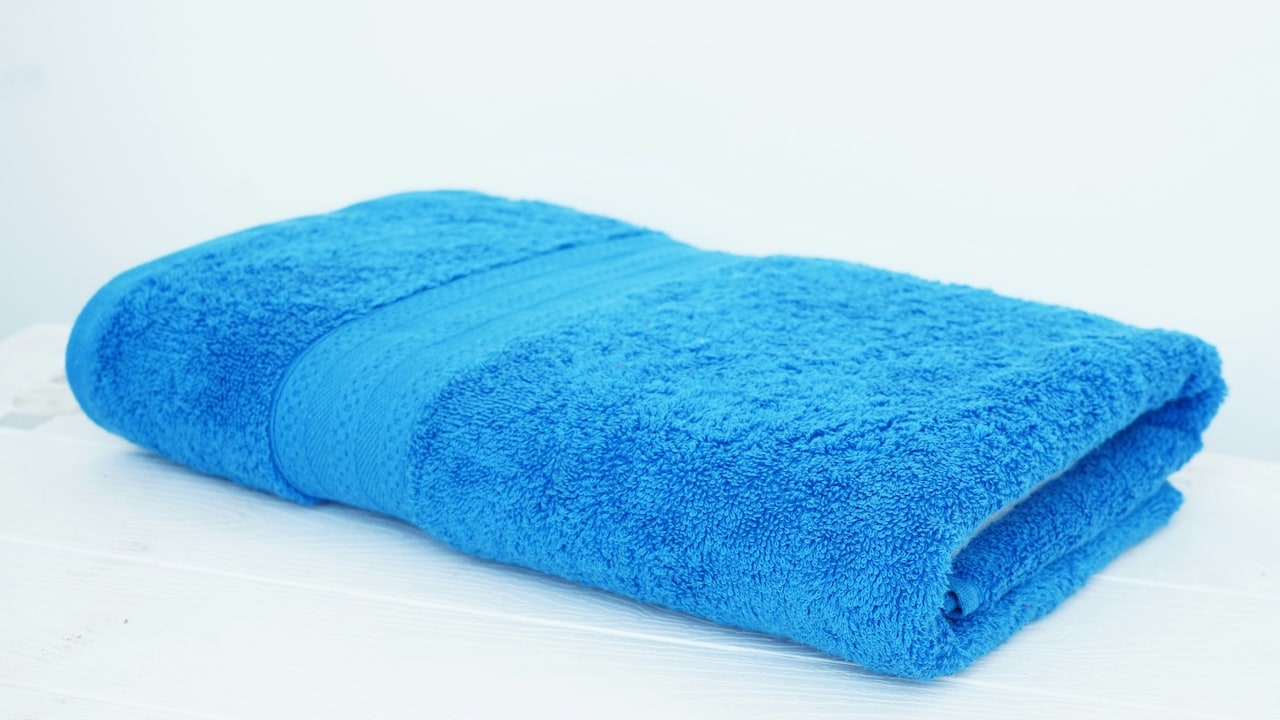
Why Towels Stop Absorbing Water: And How To Fix It
Photo Credit: Unsplash
Age And Fibre Fatigue
Even the best towel has a lifespan. Continuous washing, drying and daily friction weaken fibres. Loops break down and lose structure. After several years, absorbency declines despite proper care.
Signs of fibre fatigue include thinning patches and reduced fluffiness. At this stage, deep cleaning may improve performance slightly, but cannot reverse physical wear.
Repurposing older towels for cleaning tasks extends their usefulness. Keeping a rotation of two or three sets reduces strain on each one. This habit prolongs lifespan and maintains absorbency for longer. Recognising natural wear helps set realistic expectations.
Products Related To This Article
1. Jockey Pack Of 2 Cotton Terry Ultrasoft and Durable Solid Hand Towel
2. H&M Terry Bath Towel
3. DDecor Unisex Set Of 2 Blue Cotton 500 GSM Hand Towel
4. United Colors of Benetton 2-Pcs Green Striped 450GSM Hand Towel
5. Jockey Pack Of 2 Cotton Rich Terry Ultrasoft and Durable Striped Hand Towel
6. United Colors of Benetton Light Blue & Black 2 Pieces Striped Bamboo Cotton Hand Towels
7. Thelittlebunny Yellow & Cream-Coloured 1 Printed Terry Cotton 300 GSM Bath Towel
Towels stop absorbing water for practical reasons rather than mysterious ones. Detergent residue, fabric softener, hard water, heat damage and everyday oils quietly interfere with cotton fibres. Small habits accumulate over time and change how towels behave.
The encouraging part lies in how easily many of these issues can be fixed. Reducing detergent, skipping fabric softener, washing at the right temperature and allowing proper space during cleaning often restore performance quickly. Periodic deep cleaning with vinegar or baking soda removes hidden build-up. Even simple steps such as washing new towels before first use make a difference.
A towel should comfort and dry, not frustrate. With thoughtful care, most households can extend the life of their towels and avoid unnecessary replacements. Instead of spending ₹3,000 on a new set every year, a few mindful changes keep existing ones soft, fresh and wonderfully absorbent. Sometimes, the solution lies not in buying more, but in caring better.
(Disclaimer: This article may include references to or features of products and services made available through affiliate marketing campaigns. NDTV Convergence Limited (“NDTV”) strives to maintain editorial independence while participating in such campaigns. NDTV does not assume responsibility for the performance or claims of any featured products or services.)




![Steam Iron Teflon Shoe Cover for ES-300,ST-96 [Only For ES-300 and ST-96 Model Electric Steam Irons]](https://m.media-amazon.com/images/I/51wwkttondL._SL160_.jpg)