Why Your Spice Rack Looks Messy: How to Fix Layout Fast
A cluttered spice rack wastes time, money, and flavour. Discover quick, practical ways to organise your layout fast, reduce chaos, and make everyday cooking smoother without expensive storage solutions.
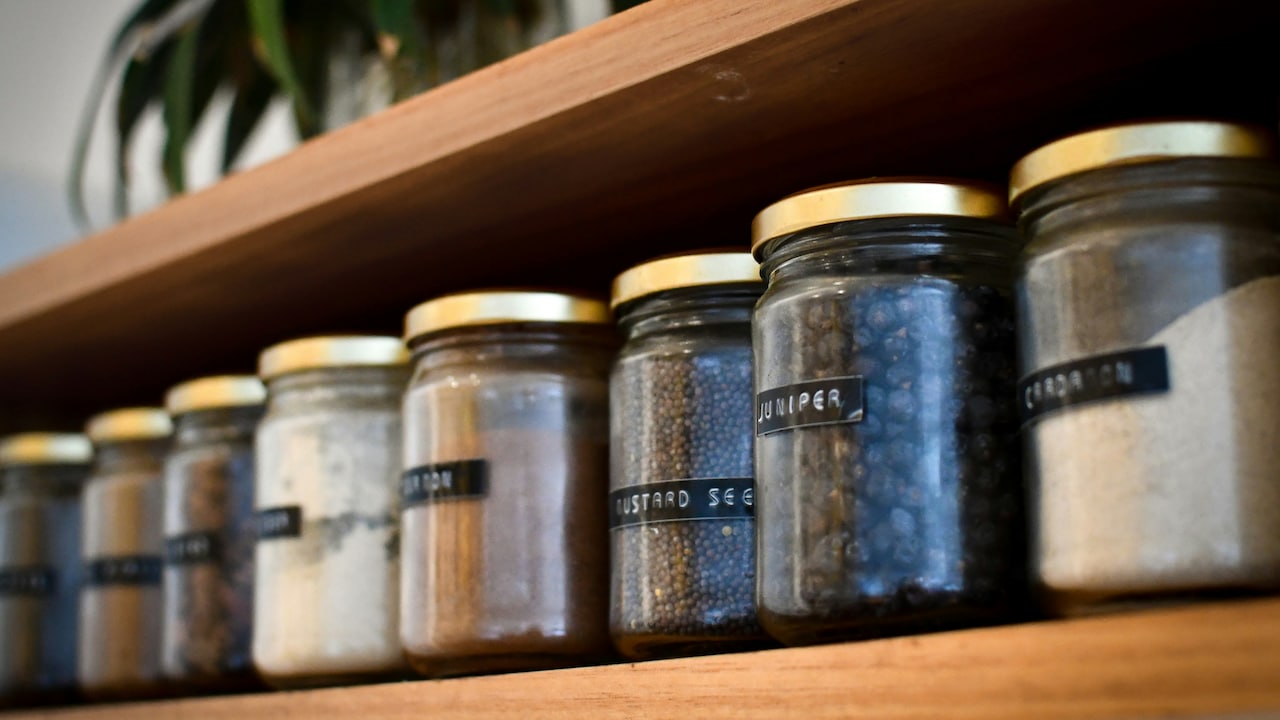
Why Your Spice Rack Looks Messy: Here Are Quick Layout Fixes That Actually Work.
Every kitchen tells a story. Some whisper comfort through neatly stacked steel dabbas. Others shout urgency through half-open packets of chilli powder and coriander balanced on top of the fridge. The spice rack often sits at the centre of this drama. It works hard every day, yet rarely receives attention until something topples over mid-tadka.
A messy spice rack does more than spoil the view. It slows down cooking, wastes money on duplicate purchases, and even dulls flavours when spices lose freshness in forgotten corners. Many households stock fifteen to thirty different masalas. Festive seasons add more. Suddenly, the small wooden shelf near the stove looks like a crowded local train at peak hour.
The good news feels refreshingly simple. A tidy layout does not demand expensive organisers or a full kitchen renovation. A few smart shifts can bring instant relief. The following sections break down why spice racks spiral into chaos and how to fix the layout fast, without overthinking the process.
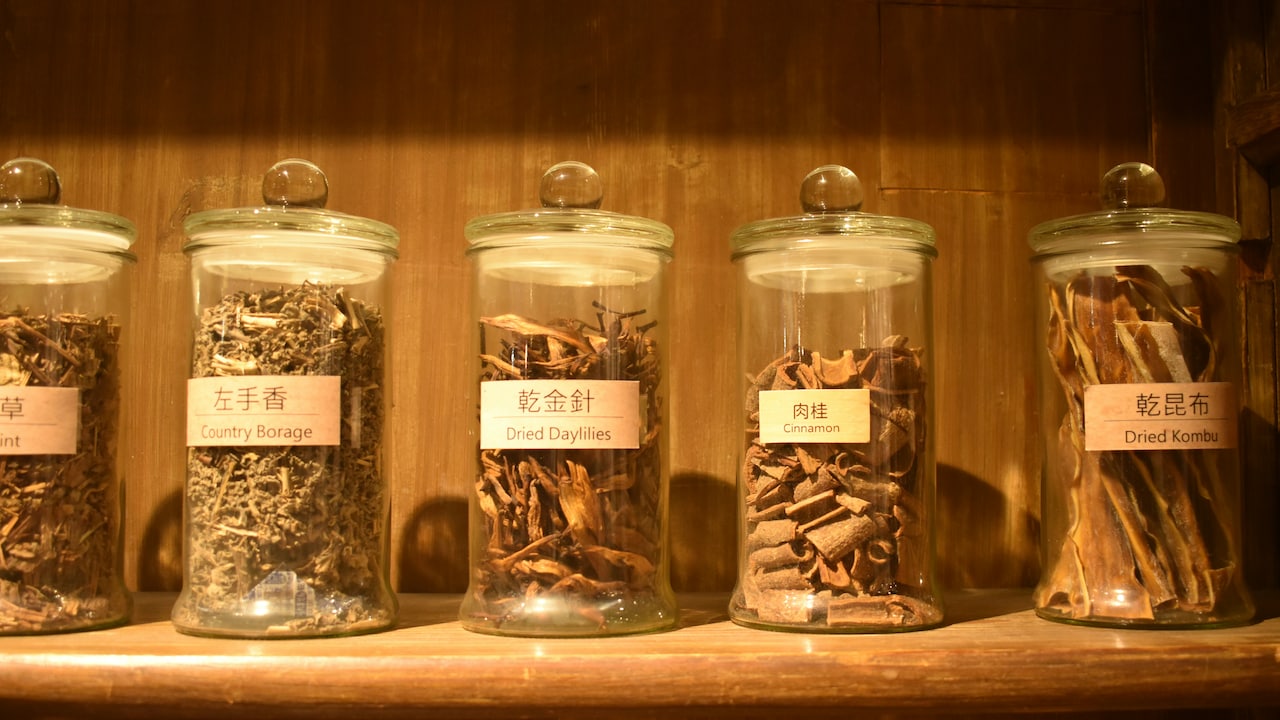
Why Your Spice Rack Looks Messy: Quick Layout Fixes That Actually Work
Photo Credit: Pexels
What's Really Causing The Chaos On Your Spice Shelf
Why Your Spice Rack Looks Messy: How to Fix Layout Fast
No Clear System From The Start
Most spice racks begin with good intentions. Fresh jars line up neatly after a grocery run. Over time, convenience takes over. Someone slips garam masala into the nearest gap. A new brand of red chilli powder joins the shelf because the old one seemed empty. Gradually, order fades.
Without a simple system, clutter feels inevitable. Many kitchens grow organically. Relatives gift spice blends during weddings or festivals. Regional favourites arrive from hometown visits. The rack absorbs everything without structure. Soon, coriander powder sits next to cinnamon sticks, and sambar powder squeezes behind kasuri methi.
Creating a basic framework changes everything. Group spices by use rather than by packet shape. Keep everyday essentials such as turmeric, chilli powder, cumin and mustard seeds at eye level near the stove. Place speciality blends slightly higher or lower. When each spice has a defined zone, random placement naturally reduces. Even a small rack feels spacious when logic guides the layout.
Too Many Containers, Too Many Sizes
Walk into any supermarket, and the variety of spice packaging feels endless. Plastic sachets, glass bottles, refill pouches and decorative tins compete for attention. When these mismatched containers land on one shelf, visual chaos follows instantly.
Different heights create awkward gaps. Round jars roll. Soft packets slump forward. The eye registers clutter even if the quantity remains manageable. The rack appears messy simply because nothing aligns.
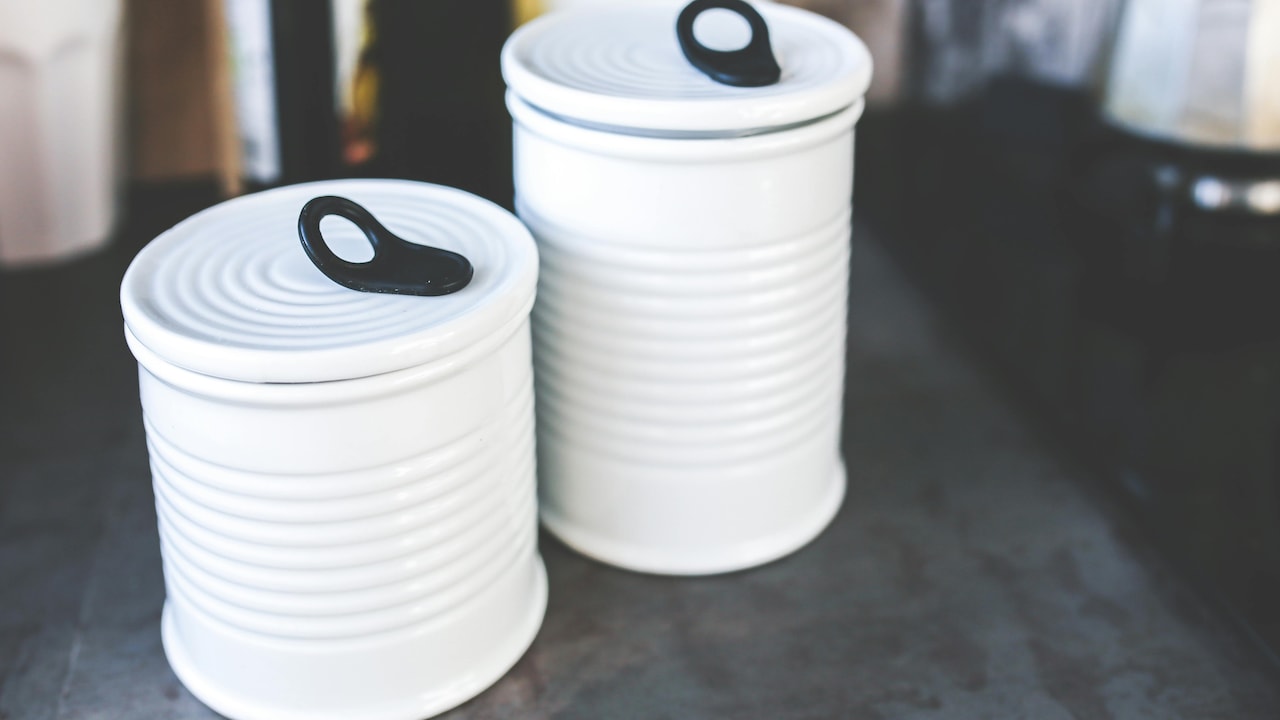
A quick fix involves transferring frequently used spices into uniform containers. Affordable glass or clear plastic jars cost around ₹50 to ₹120 each in most markets. Choosing one size for daily masalas creates a clean line across the shelf. Refills can stay in a separate box inside a cupboard. Uniformity reduces visual noise and prevents that toppling effect during busy cooking sessions. The rack looks intentional rather than accidental.
Labels Missing Or Confusing
Few things feel more frustrating than opening a jar expecting sugar, only to discover salt. Many spices share similar colours. Turmeric and curry powder look almost identical in certain lighting. Without clear labels, confusion builds, and jars shift around unnecessarily.
Handwritten labels peel off over time. Marker ink fades. Some containers never receive labels at all because the contents seem obvious in the moment. Weeks later, memory fails.
Clear, simple labelling solves both visual clutter and daily irritation. Small printed stickers or neatly written tags give each jar an identity. Place labels at the same position on every container for a cohesive look. Add purchase dates if possible. This habit reduces waste and encourages timely refills. When every jar announces itself confidently, the shelf feels organised even before any major rearrangement.
Duplicate Purchases And Half-Used Packets
A messy rack often hides a quiet money drain. During grocery shopping, uncertainty creeps in. Did coriander powder run out last week? Better buy another packet just in case. Back home, the new packet joins two half-used ones tucked at the back.
This cycle leads to overcrowding and stale spices. Masalas lose aroma over time. When forgotten packets resurface months later, flavour disappoints. That beautiful biryani loses its punch.
A quick audit helps. Take everything off the rack. Check expiry dates and aroma. Combine half-used packets into one container if freshness allows. Discard stale spices without guilt. The cost of replacing a few packets, perhaps ₹300 to ₹500, feels small compared to the improvement in taste and space. Regular reviews every three months prevent buildup and keep the rack lean and lively.
Spices Stored Too Close To Heat
Many kitchens position the spice rack right above the stove for convenience. While this placement saves steps, constant heat and steam damage both the flavour and the packaging. Oil splatters settle on lids. Labels curl. Jars feel sticky.
When containers look greasy or discoloured, the rack appears untidy even if everything sits in place. Moreover, heat accelerates spoilage. Spices clump together and lose potency.
If possible, shift the rack slightly away from direct heat. A side wall or nearby cabinet shelf works better. If relocation proves difficult, install a small barrier or choose airtight containers with tight lids. Wiping jars weekly with a damp cloth prevents that dull, sticky layer. Clean surfaces instantly elevate appearance. The rack starts to look cared for rather than neglected.
No Separation Between Daily And Occasional Use
Every kitchen holds a mix of essentials and occasional stars. Daily cooking relies on a core group of spices. Festive dishes or special regional recipes are used by others only once in a while. When both categories share equal space, overcrowding follows.
Rarely used spices block access to everyday ones. In a hurry, someone pushes them aside, breaking any existing order. Gradually, the shelf loses structure.
Create two zones. Keep daily spices within easy reach. Store speciality blends in a separate box or secondary shelf. This simple distinction reduces traffic on the main rack. The most-used jars return to the same spots naturally. Fewer movements mean fewer chances for disorder. Over time, the habit builds a stable rhythm in the kitchen.
Improper Shelf Height And Depth
Sometimes the rack itself causes the problem. Deep shelves encourage stacking. Smaller jars hide behind taller ones. When searching for black pepper, several containers must be moved first. After cooking, those jars rarely return neatly.
Shallow shelves with good visibility work better for spices. If replacing the rack feels excessive, consider adding small risers or step organisers inside the existing shelf. These cost around ₹200 to ₹400 and create levels without permanent changes.
Better visibility reduces rummaging. When each jar remains visible at a glance, hands reach directly for the right one. Less disturbance keeps the layout intact. Even a modest adjustment to height and depth transforms functionality and appearance together.
Clutter Spilling Beyond The Rack
Often, the spice rack holds more than spices. Tea bags, dry fruits, seasoning cubes and even medicine strips sneak in. The shelf becomes a general storage zone rather than a dedicated space.
This mix blurs purpose. Visual clutter increases. Spices lose prominence among unrelated items. During cooking, searching becomes slower and more stressful.
Reclaim the rack for spices alone. Create small containers elsewhere for other kitchen odds and ends. Clear boundaries simplify decisions. When the rack contains only masalas and herbs, the arrangement becomes straightforward. The space feels lighter immediately. Purposeful storage fosters consistent order without constant effort.
Neglecting Regular Cleaning
Dust settles quietly. Powder spills accumulate in corners. Over months, the rack gathers a fine layer that dulls colours and shine. Even neatly arranged jars look shabby against a dirty backdrop.
A quick monthly wipe makes a dramatic difference. Remove jars, clean the shelf with mild soap, dry thoroughly, then replace items thoughtfully. This ritual rarely takes more than twenty minutes. Yet it resets the visual tone of the entire kitchen.
Clean surroundings encourage tidier behaviour. When the shelf gleams, tossing a random packet onto it feels out of place. Maintenance supports the layout naturally. The rack begins to reflect care rather than chaos.
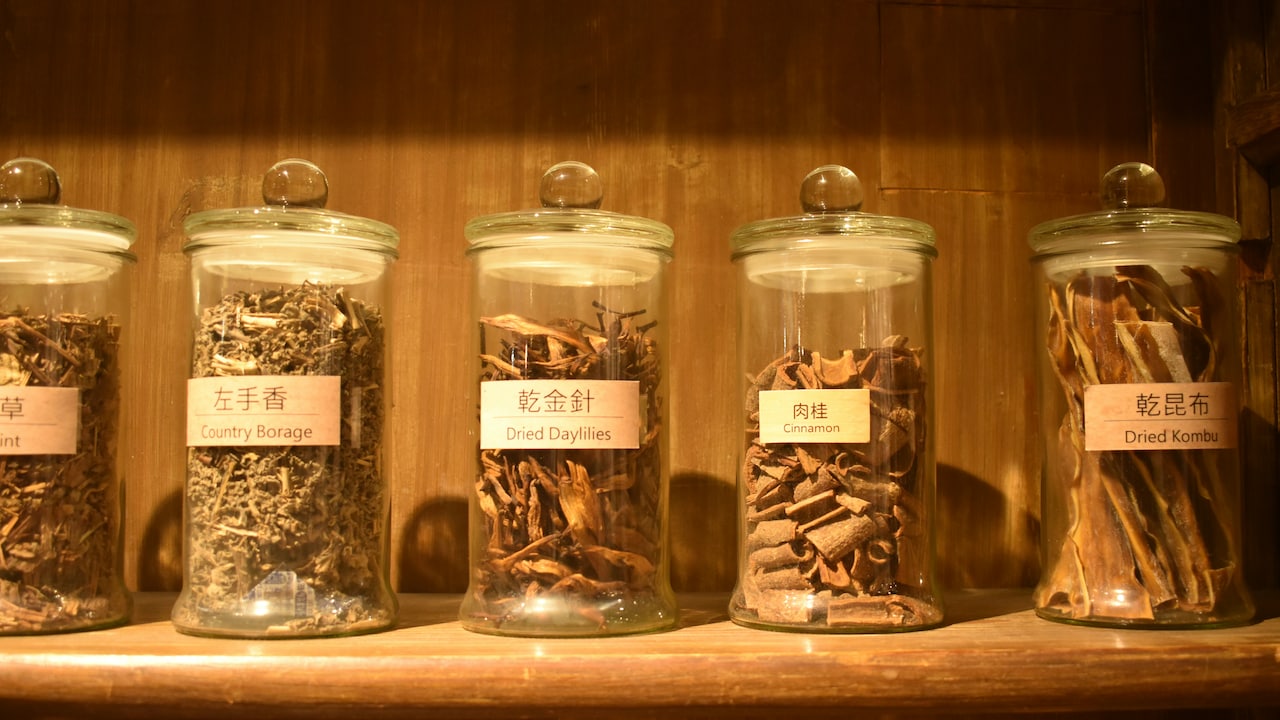
Why Your Spice Rack Looks Messy: Quick Layout Fixes That Actually Work
Photo Credit: Pexels
Overcomplicating The Organisation
Ironically, some spice racks look messy because of excessive organising. Fancy rotating stands, layered baskets and intricate categorisation systems overwhelm small spaces. When the system feels complicated, family members ignore it.
Simple systems survive daily life. Choose one clear method and stick to it. Alphabetical order works for some. Grouping by cuisine suits others. The key lies in ease. Everyone who uses the kitchen should understand the layout instantly.
Avoid perfectionism. The goal involves functionality and calm, not showroom aesthetics. When the arrangement supports everyday cooking smoothly, visual order follows naturally. A straightforward setup reduces stress and encourages consistency long after the initial makeover.
Products Related To This Article
1. ABJA Heavy Duty Stylish Kitchen Organizer Rack Stand
2. Go Hooked 2-Tier Standing Rack
3. Tabletop Spice Rack For Your Kitchen_Countertop Spice s And Masala Rack 2
4. Rellon Spice Rack Organizer for Fridge Seasoning Organizer for Kitchen storage Metal Spice Organiser with Screw or Adhesive Hanging For Kitchen Bathroom
5. Lyrovo Countertop Organizer Organization
A messy spice rack rarely signals laziness. It reflects busy schedules, evolving tastes and kitchens that work hard every day. However, small changes create a remarkable impact. A clear system, uniform containers, thoughtful placement and regular maintenance transform confusion into clarity within hours.
Cooking then feels lighter. Reaching for jeera or haldi becomes automatic. Aromas stay fresh. Money stops leaking through duplicate purchases. Most importantly, the kitchen regains a sense of rhythm.
Order in a spice rack may seem minor. Yet that small shelf influences daily meals and family gatherings alike. When flavours line up neatly, cooking flows with ease. And sometimes, that simple shift from chaos to calm makes all the difference between rushed dinners and joyful ones.
(Disclaimer: This article may include references to or features of products and services made available through affiliate marketing campaigns. NDTV Convergence Limited (“NDTV”) strives to maintain editorial independence while participating in such campaigns. NDTV does not assume responsibility for the performance or claims of any featured products or services.)