How To Keep A Baby's Routine Steady During Festive Travel
Festive travel with a baby wrecks naps and feeds fast. Here's how to hold the routine steady, what to protect first, and what to pack before you leave.
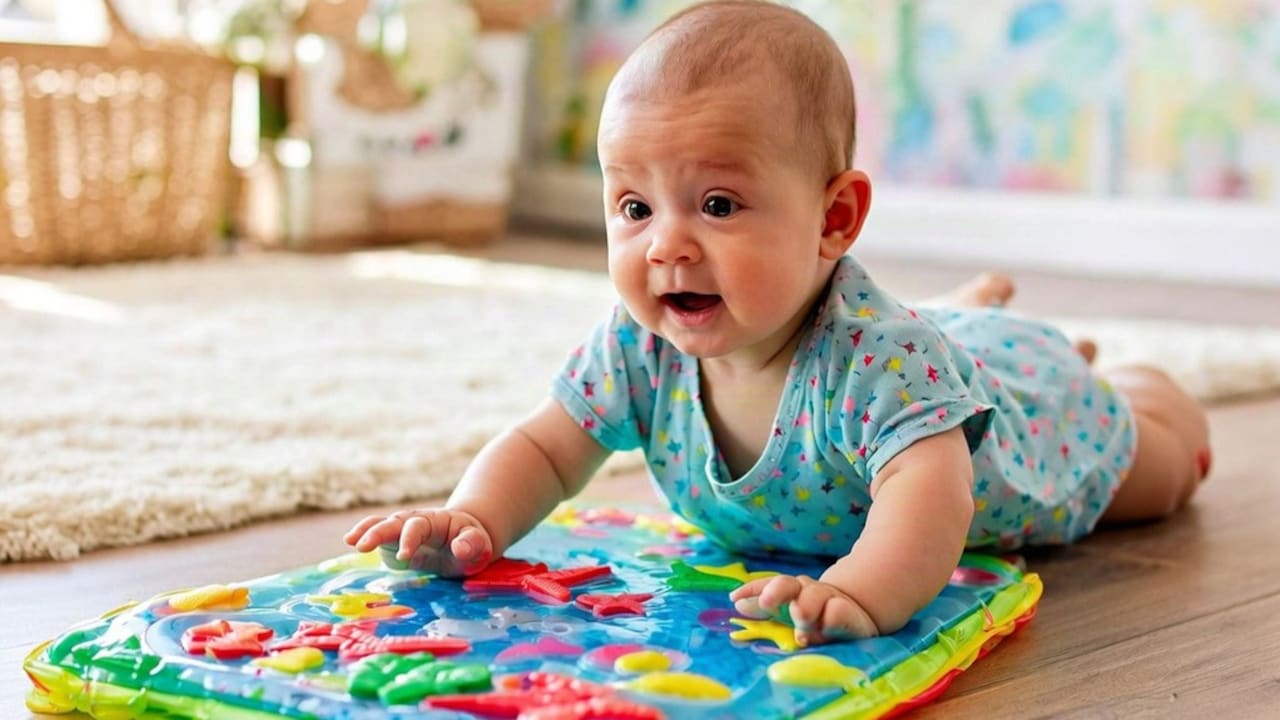
How To Keep A Baby's Routine Steady During Festive Travel
Your baby has been going down at seven every evening for months. Then the festive week arrives, and suddenly you're in a house with fourteen people, a television running in the next room, and a puja that stretches well past nine. By the third day, nobody has slept properly, the naps have collapsed into nothing, and everyone is short with each other. It doesn't have to go that way. A little planning ahead of the trip helps more than you'd expect, and most of the gear that makes it easier costs very little on Amazon. The aim isn't to keep everything exactly as it is at home. That's not realistic once you're travelling, and chasing it will only leave you frustrated. What works is picking the two or three anchors that matter most to your baby, then letting everything else move around them without guilt. Here's how to decide which ones are worth holding on to and what to carry so you can.
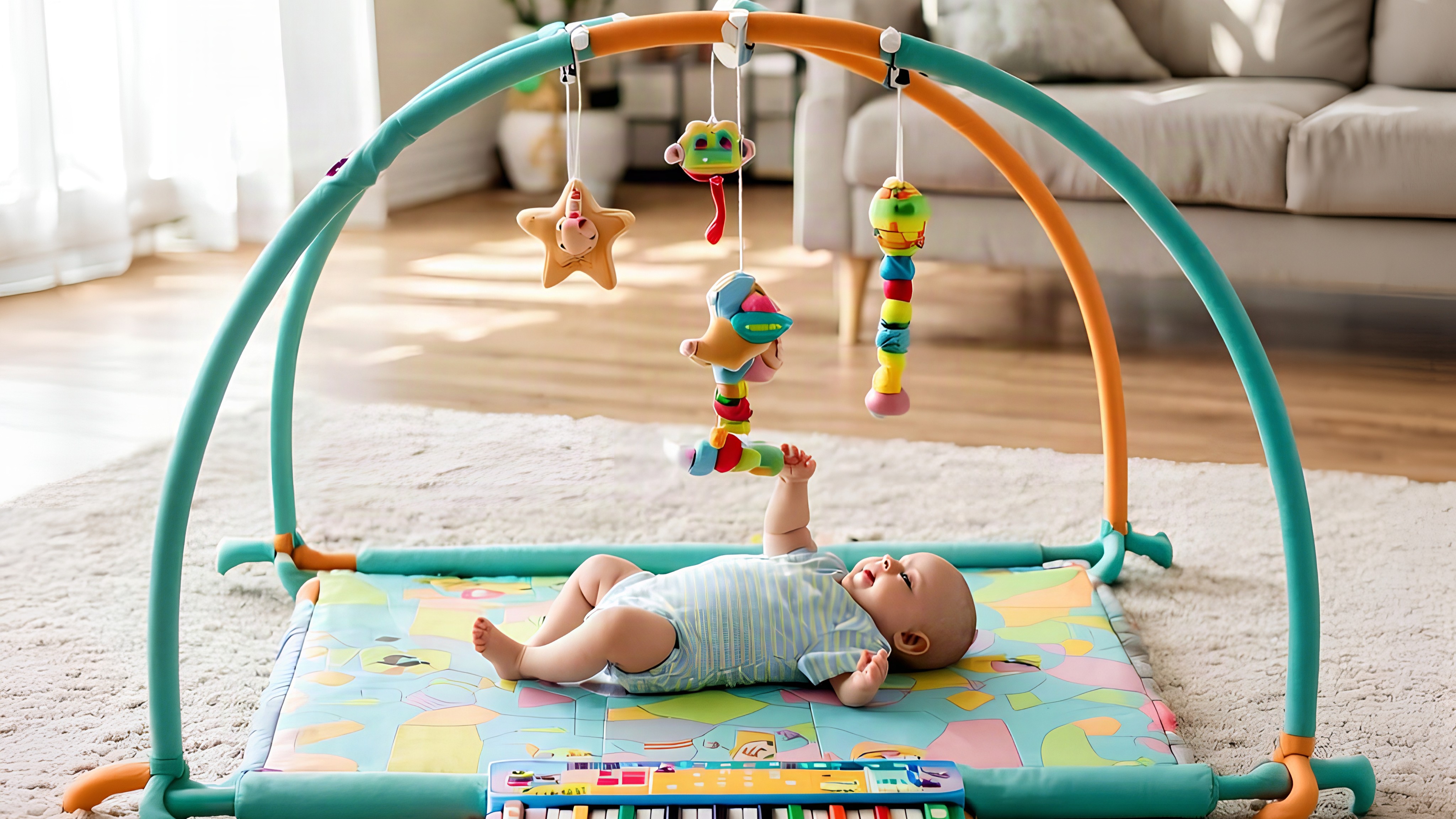
What Does A Steady Baby Routine Actually Mean Away From Home?; Photo Credit: iStock
What Does A Steady Baby Routine Actually Mean Away From Home?
Steady doesn't mean identical. It means the order of things stays recognisable even when the clock slips.
Babies read sequences far better than they read time. Bath, feed, dark room, sleep – it tells them what's coming next, whether it happens at seven or half past eight. Hold the sequence and a late night costs you much less than you'd think.
What breaks a routine isn't a delay. It's when the whole shape disappears, when naps happen in a car seat one day and a stroller the next, and bedtime lands somewhere between nine and eleven with no wind-down at all.
Also Read: How To Protect A Baby's Ears From Loud Festive Noise
Which Part Of The Routine Should You Protect First?
You should protect sleep, as everything else recovers on its own. A baby who's slept badly feeds badly, and a baby who's fed badly won't settle, so the two problems chase each other around the week. Protecting sleep first breaks that loop before it starts. Feeds are far more forgiving of a shifted schedule than naps are.
And the reverse doesn't hold. You can keep feeds perfectly on time and still end up with an overtired baby who won't go down because the room was bright or loud or simply unfamiliar at the wrong moment.
How Do You Keep Things Steady During Festive Travel?
Most of it comes down to four things: when they sleep, when they eat, what the room is like, and how much you try to fit into a day.
1. Anchor The Sleep Window
Pick one nap and one bedtime and treat those as fixed. Everything else in the day can shift around these fixed points, including visits and meals.
If the puja runs late, take the wind-down with you rather than skipping it. A feed and ten dark minutes in a side room does most of the work a full bedtime does.
2. Keep Feeds On Schedule
Festive kitchens run on their own clock, and a baby waiting on a thali that arrives an hour late will be past hunger and into misery.
Carry what you need so you're never waiting. Portioned food and a way to warm milk means you can feed your baby on your schedule rather than the household's.
3. Think About Noise And Light
A room that's dark and predictably noisy beats a room that's quiet but keeps changing. A steady sound covers the door slam and the conversation outside.
Light matters more than most people expect. A diya-lit corridor spilling into the room at ten will hold a baby awake long after the feed is done.
4. Match The Day To Naps
Two outings in a day with a small baby usually means one of them goes badly. Pick the one that matters and let the other go.
Well, that's easier said than done when relatives are counting visits. But a baby who naps properly is a baby that people actually get to enjoy in the evening.
What Should You Weigh Before You Pack?
Most families need three or four items rather than all eight. Buying the lot is how you end up with a boot full of things you never open.
Work out what your particular trip needs first. A noisy joint-family house needs different things from a hotel room, and a four-day trip needs different things from a two-week one.
1. Compare What You Actually Need
If your baby already sleeps through household noise, a sound machine adds nothing. If they wake at every door, it's the single most useful thing you'll carry.
Buy for the problem you have. Most of the regret purchases are things bought for a problem someone else described.
2. Consider The Room You Get
A hotel room you control is a different situation from a shared bedroom in a family home where the light switch isn't yours to decide.
In a shared room, portable blackout and steady sound are the main factors. In a hotel, you often discover that you need far less than you packed.
3. Check How Long You're Away
For two or three nights, a slipped routine barely registers and recovers within a day of getting home. Pack light and don't overthink it.
Past a week, it's worth setting the room up properly on the first evening. That effort pays back every night after.
4. Match Gear To Baby's Age
A four-month-old needs carrying, feeding and a dark place to sleep, and not much else. A carrier does more than any other single item at that age.
Once they're sitting and eating solids, a travel seat and proper food containers matter far more than the sleep gear did.
So What Is The Right Approach?
Protect sleep, keep feeds roughly on time, and accept that the rest of the week will be untidy. Most families do best with a carrier, something for noise or light, and a way to feed on their schedule.
Don't measure the trip against a normal week at home, because it won't compare well and that isn't the point. A baby who slept badly for four days is back to normal within two days of being home. What you're really doing is keeping those four days from becoming miserable for everybody.
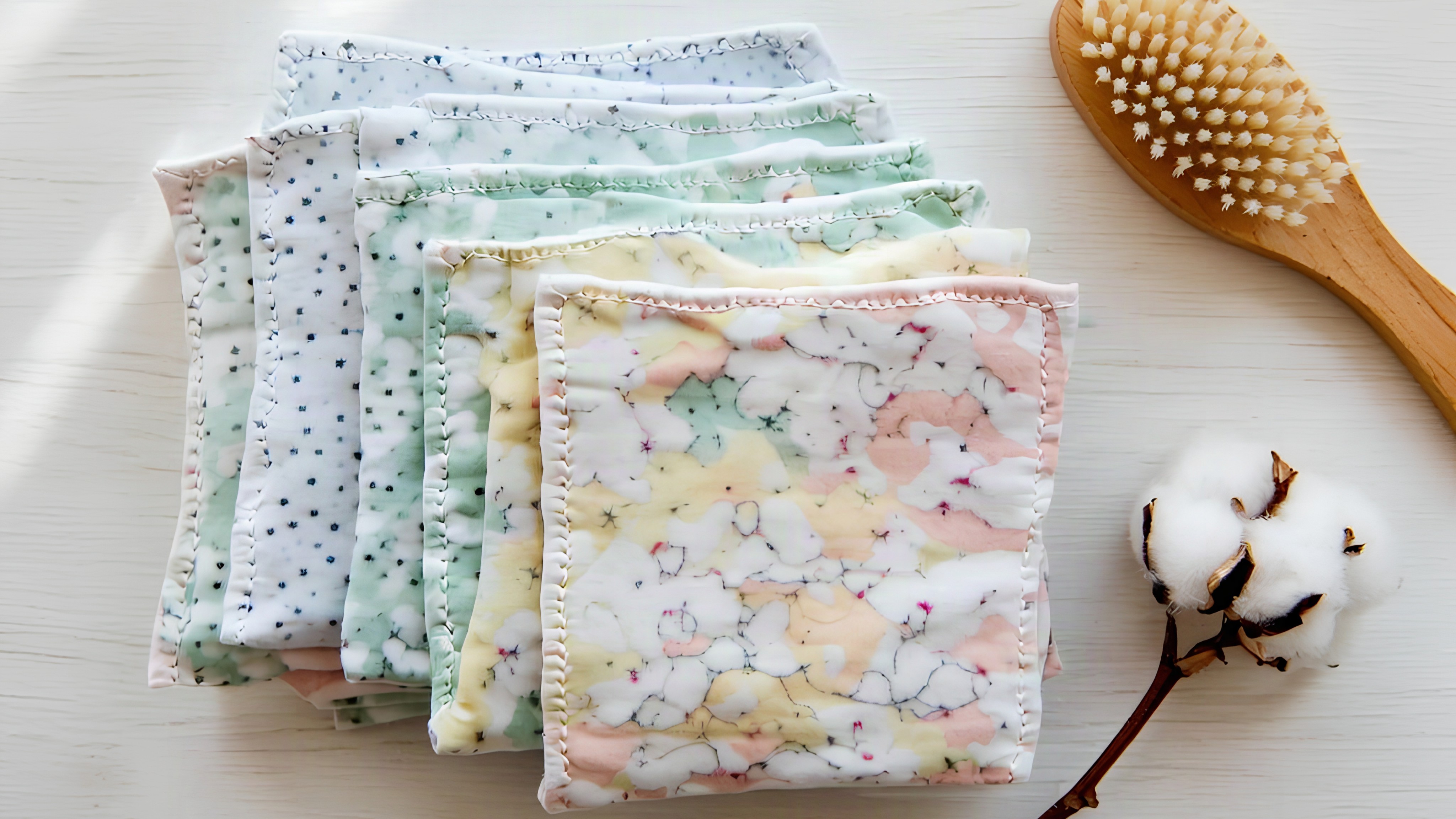
How Do You Keep Things Steady During Festive Travel?; Photo Credit: iStock
Some Baby Routine Products You May Like
1. Toymate Baby Play Gym
2. Wonder House Books Baby's First Bath Time Routine
3. Goyals Fitness Hanging Keyboard Multicolour
4. Jinglers Baby Developbuy organic baby wash online essentials
5. GiniMini Peek And Tell Lift Flap Book
6. Wonder House Books Baby Routine For Infants And Toddlers
7. Toy Imagine Inflatable Water Mat
8. Baby Washcloth Newborn Washable Absorbent
Baby routine products simplify daily care, offering gentle solutions for hygiene, comfort, and nourishment. From lotions and shampoos to wipes and washes, each item supports healthy growth while easing parents' tasks. Choosing safe, reliable essentials ensures babies thrive happily, making everyday routines smoother and more reassuring for families. Shop now on Amazon.
Frequently Asked Questions (FAQs)
1. How long does it take a baby to recover from a disrupted routine?
Usually two to four days once you're home, sometimes less. The longer the trip and the bigger the slip, the longer it takes to settle back.
2. Should I keep the same bedtime while travelling?
Keep the sequence rather than the clock. Bath, feed, dark room and sleep in that order work even when bedtime lands an hour or two late.
3. Is a white noise machine worth carrying?
If your baby wakes at doors, voices, or the television, then yes, a white noise machine is worth carrying. If they already sleep through household noise at home, you can skip it entirely.
4. What's the hardest age to travel with during the festive season?
Roughly eight to eighteen months. They're mobile, still on two naps, and old enough to notice that the room and the people have changed.
5. Can I let the routine go completely for a short trip?
For two or three nights, mostly yes. Beyond that, the overtiredness compounds, and getting back on track takes longer than holding a loose routine would have.
(Disclaimer: This article may include references to or features of products and services made available through affiliate marketing campaigns. NDTV Convergence Limited (“NDTV”) strives to maintain editorial independence while participating in such campaigns. NDTV does not assume responsibility for the performance or claims of any featured products or services.)