10 Reasons Memory Foam Pillows Develop Permanent Dents And How To Make Them Last Longer
Memory-foam pillows can lose their spring and develop stubborn dents over time. From heat and moisture to foam density and sleeping habits, here’s what causes the damage and how to help your pillow hold its shape for longer.
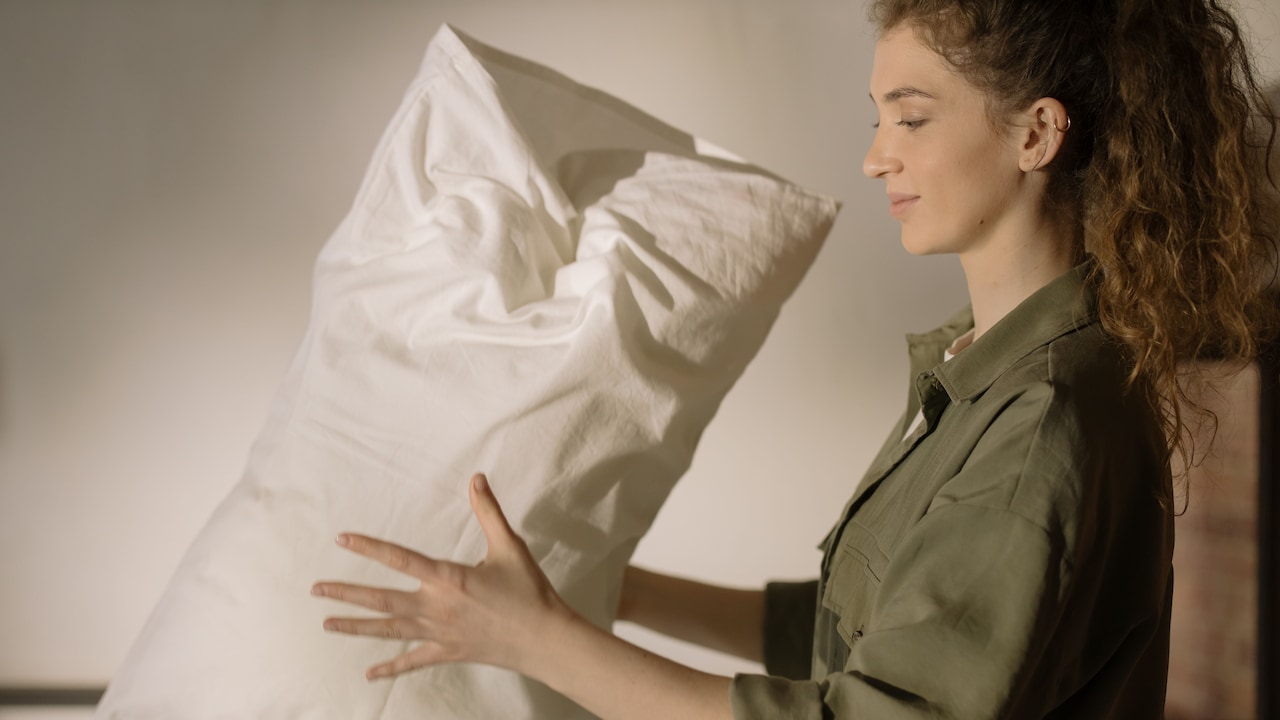
Check for signs of improper use and maintenance before replacing your foam pillow
A memory-foam pillow can feel almost suspiciously perfect when it's new. The head sinks in just enough, the neck feels supported and the foam slowly rises back once the pressure disappears. Fast-forward several months, though, and that neat little dip may stop disappearing altogether. What once looked like a temporary impression starts resembling a permanent head-shaped crater.

What causes memory foam pillow to sink after a few uses
Photo Credit: Pexels
That change doesn't necessarily mean someone has been sleeping incorrectly. Memory foam is designed to compress. The problem begins when its internal structure gradually loses the ability to recover after thousands of hours of pressure, heat and movement.
Also Read: From Basic To Five-Star: Explore 5 Bed Furnishings For Better Sleep
Daily habits can speed up that process too. Humid weather, damp hair, thick pillow covers, folding the pillow while watching television and even sleeping in exactly the same position every night can affect how quickly foam deteriorates. The good news is that some of these factors are easy to control.
So, before replacing a dented pillow or blaming that suspicious hollow in the middle on poor manufacturing, it helps to understand what is happening inside the foam.
Why Memory Foam Stops Bouncing Back
1. Constant Pressure Weakens The Same Area Of Foam
Memory foam spends several hours every night supporting the weight of the head and part of the neck. That pressure isn't evenly distributed. Most sleepers have a favourite position, which means the same portion of the pillow gets compressed night after night.
Initially, the foam rebounds once the pressure disappears. Over time, however, repeated compression can gradually weaken its cellular structure. Think of repeatedly bending the same section of a sponge. It may look perfectly normal at first, but eventually that section stops behaving like the rest.
The effect becomes more noticeable when a pillow never gets rotated. One side bears most of the workload while the surrounding foam stays relatively untouched. Eventually, a shallow dip develops. Then it becomes deeper and slower to recover.
Rotating the pillow from end to end every few days can distribute pressure across a wider area. If the manufacturer allows both sides to be used, alternating surfaces can help as well. These small changes won't prevent normal ageing, but they can stop one unfortunate patch of foam from doing all the night shifts.
2. Body Heat Softens Memory Foam Night After Night
Memory foam reacts to temperature. That's one reason it feels so comfortable. Heat from the body softens the material and allows it to contour around the head and neck rather than resisting them.
Unfortunately, that useful feature also contributes to wear.
A pillow warms repeatedly during sleep, softens under pressure and then cools after use. Over hundreds of nights, this constant warming, compression and cooling can affect how efficiently the material returns to its original shape.
The problem can become more noticeable in warm bedrooms, particularly during muggy months when the pillow may remain warm long after someone gets out of bed. Thick pillow protectors and heavy bedding can trap even more heat around the foam.
Better ventilation helps. Allow the pillow to remain uncovered for a while after waking instead of immediately burying it under cushions and a bedspread. Breathable cotton pillowcases can also reduce excessive heat build-up.
There is no need to chill a pillow like leftover dessert. Memory foam needs warmth to work properly. The goal is simply to avoid trapping unnecessary heat around it for hours after sleeping.
3. Moisture Can Speed Up Foam Deterioration
Pillows deal with more moisture than they receive credit for. Sweat, humidity, damp hair and even skincare products can gradually introduce moisture into the pillow environment.
Memory foam isn't particularly good at drying quickly because its dense structure restricts airflow. If moisture regularly reaches the foam, it can contribute to deterioration and leave the material feeling softer or less resilient over time.
Sleeping with wet hair creates an especially easy route for moisture. The pillowcase becomes damp first, followed by the protector and potentially the foam underneath. In humid weather, that moisture may linger rather than evaporate quickly.
A washable pillow protector creates a useful barrier, but it shouldn't completely seal the pillow inside a non-breathable layer unless the manufacturer specifically recommends one.
After particularly humid nights, remove the pillowcase and let the pillow air in a well-ventilated room. Keep it away from direct harsh sunlight unless its care instructions permit exposure.
The pillow doesn't need elaborate maintenance. It mainly needs an opportunity to dry properly instead of beginning another night's work while still holding yesterday's moisture.
4. Lower-Density Foam Usually Loses Support Faster
Two memory-foam pillows may look almost identical on a shop shelf while behaving very differently after a year of use. Foam density often plays a major role.
Lower-density foam generally contains less material within the same volume. It can feel pleasantly soft and responsive at first, but it may compress more quickly when subjected to repeated pressure.
Higher-density foam often feels heavier and can maintain its structure for longer. That doesn't automatically make every dense pillow superior. Comfort still depends on firmness, pillow height, sleeping position and personal preference. However, density can affect how quickly permanent impressions appear.
This becomes important when an unusually inexpensive pillow promises premium memory foam without giving much information about its construction. A plush first impression doesn't reveal how the material will behave after hundreds of nights.
When replacing a badly dented pillow, check whether the brand provides details about foam density, construction or expected lifespan rather than relying entirely on words such as "luxury" or "orthopaedic".
A pillow can have impressive packaging and still lose an argument with gravity surprisingly quickly.
5. Folding Or Sitting Against The Pillow Creates Extra Stress
Bed pillows often have unofficial daytime jobs. They become backrests during television marathons, laptop cushions during weekend work sessions and makeshift armrests during long phone calls.
Memory foam can tolerate normal compression, but folding, bending or crushing it places stress on areas that weren't designed to support concentrated loads.
For example, folding a pillow in half creates a sharp compression line through the foam. Leaning heavily against that folded section can make the stress even greater. Repeating the habit may eventually leave a permanent ridge, crease or uneven depression.
The same problem can occur when several heavy cushions or objects remain stacked on top of the pillow throughout the day.
Use a separate cushion for sitting upright or supporting the back whenever possible. Keep the sleeping pillow flat when it isn't being used.
Memory foam works best when pressure spreads relatively evenly across its surface. It is excellent at supporting a sleeping head. It is considerably less enthusiastic about doubling as a sofa backrest, laptop stand and reading wedge before bedtime.
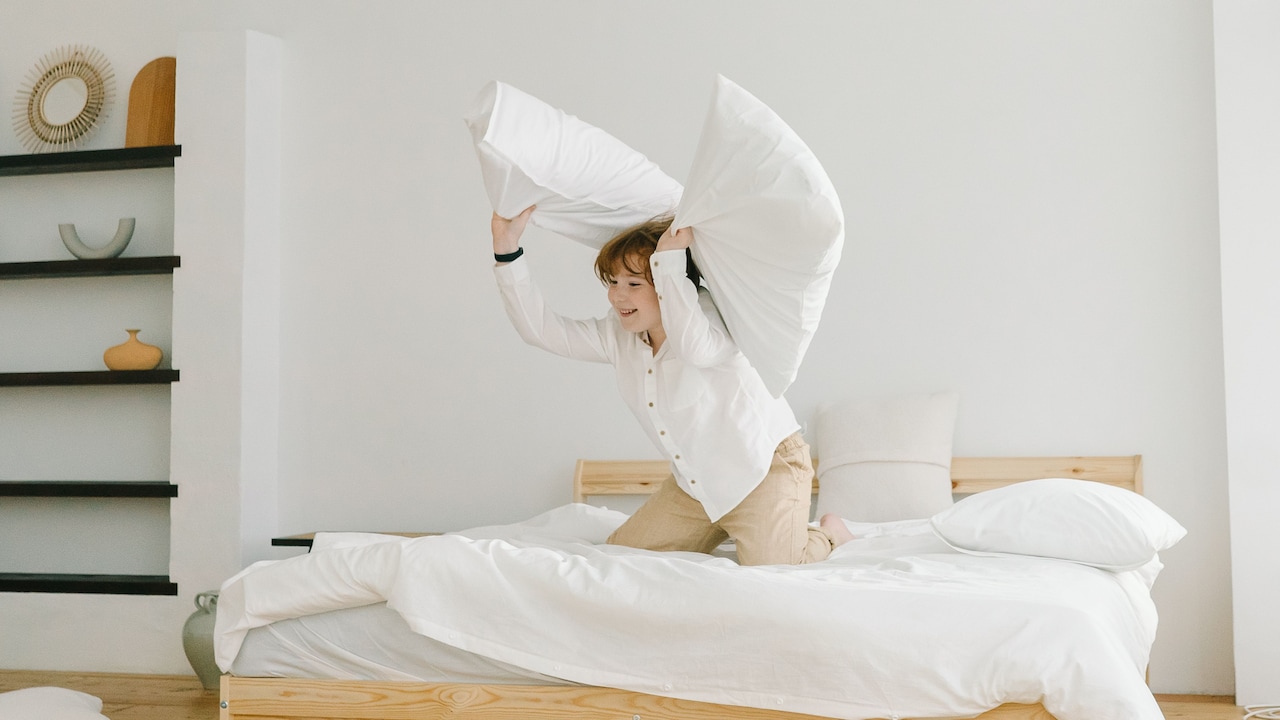
Certain actions like folding can also put stress on the pillow and cause shrinking
Photo Credit: Pexels
6. The Pillow Doesn't Get Enough Time To Recover
Memory foam returns to shape slowly by design. That gradual response distinguishes it from springier materials such as latex or traditional polyester filling.
Most pillows regain their shape comfortably during the day. Problems can arise when the foam remains under pressure almost continuously.
Perhaps the bed doubles as a workspace during the afternoon. Perhaps someone naps regularly and then uses the same pillow for eight hours at night. Or decorative cushions may remain piled heavily on top of it throughout the day.
The foam then spends less time completely unloaded.
Giving the pillow several hours without pressure allows its internal structure to relax as much as possible. After waking, gently remove bedding from around it and leave it lying flat.
Don't aggressively squeeze or knead the pillow in an attempt to force a dent out. Memory foam isn't loose fibre filling and vigorous manipulation can damage it.
A temporary morning indentation isn't necessarily a problem. If it gradually disappears after several hours, the foam is still recovering. Concern becomes more reasonable when the depression remains unchanged day after day despite long periods without pressure.
7. An Unsuitable Pillowcase Can Restrict The Foam
Sometimes the pillow itself isn't solely responsible for looking compressed. A tight pillowcase or undersized protector can squeeze foam continuously from several directions.
Memory foam needs enough room to expand to its intended dimensions. If a case pulls tightly across the surface, it can compress the edges and alter how pressure moves through the pillow during sleep.
The effect may seem minor, but remember that the pillow remains inside its case practically all day, every day.
Very tight covers can also reduce ventilation. That combination of compression and trapped heat isn't ideal for maintaining foam resilience.
Choose pillowcases that correspond properly to the pillow's dimensions rather than forcing a thick memory-foam pillow into whatever spare case happens to be in the cupboard. The fabric should fit neatly without stretching dramatically across the corners.
When replacing the cover, check how the uncovered pillow behaves after a few hours. Sometimes a surprisingly squashed-looking pillow expands noticeably once liberated from an overly enthusiastic case.
A cover should protect the pillow, not spend its entire life wrestling it into a smaller shape.
8. Sleeping In Exactly The Same Spot Creates A Permanent Impression
Humans are creatures of habit, especially once sleep gets involved. Many people place their head in almost exactly the same place each night without noticing.
That consistency creates concentrated wear.
A side sleeper, for example, may repeatedly compress one central section while the outer edges barely receive pressure. Someone who sleeps close to one side of the bed might consistently use only half the pillow.
Eventually, the frequently compressed foam becomes softer than the surrounding material. This produces the familiar bowl-shaped depression that refuses to disappear.
Regularly rotating the pillow can help redistribute that stress. Swapping the head and foot ends requires almost no effort yet changes where the heaviest pressure falls.
Occasionally repositioning the pillow slightly can also help if comfort allows. Nobody needs to conduct nightly pillow geometry before sleeping. The idea is simply to stop one small area from carrying the same load for several years.
Once a deep permanent indentation has developed, rotation won't restore damaged foam. It can, however, help a newer pillow wear more evenly before that point arrives.
9. Washing The Foam Incorrectly Can Damage Its Structure
A stained pillow can trigger an understandable instinct: put it in water and give it a good wash. Unfortunately, solid memory foam usually requires more careful treatment.
Soaking the foam can make drying extremely difficult. Its internal structure may retain water long after the outer surface feels dry. Twisting or wringing the pillow creates another problem because aggressive force can tear or deform the foam.
Machine washing can be even harsher if the manufacturer hasn't specifically approved it.
Always check the pillow's care label first. Many memory-foam pillows have removable, washable covers while the foam core requires spot cleaning instead.
When cleaning the foam itself, gentle treatment matters. Use only the method recommended by the manufacturer and allow sufficient ventilation during drying.
This is also why a washable protector earns its place on the bed. It catches sweat, oils and minor spills before they reach the difficult-to-clean foam underneath.
A pillow that survives years of careful sleeping can still suffer significant damage during one enthusiastic cleaning session involving a bucket, vigorous scrubbing and very good intentions.
10. Permanent Dents Can Simply Mean The Foam Has Reached The End Of Its Useful Life
Not every dent has a clever fix. Sometimes the pillow has simply aged.
Memory foam doesn't retain its original resilience forever. Gradual oxidation, repeated compression, heat, moisture and ordinary nightly use eventually change its internal structure. At some point, the foam loses enough elasticity that it can no longer fully rebound.
Look beyond appearance when deciding whether replacement makes sense. A shallow cosmetic indentation may not matter if the pillow still supports the neck comfortably. A deep hollow accompanied by poor support, uneven firmness or regular morning discomfort tells a different story.
Replacement becomes particularly sensible when the pillow needs constant folding or repositioning to feel comfortable. Those habits often compensate for the support that the foam no longer provides.
A new pillow doesn't need to cost a fortune, but choosing one with the appropriate height, firmness and construction can provide better long-term value than replacing very low-quality foam repeatedly.
Maintenance can slow deterioration but, unfortunately, it cannot make memory foam immortal. Eventually, even the most carefully rotated, perfectly ventilated pillow deserves retirement.
Some Top-Rated Foam Pillows Available Online
1. The White Willow Memory Foam Set of 2-Cool Gel Pillow
2. SleepyCat Orthopaedic Memory Foam Pillow for Better Shoulder and Neck Support
3. CUSHIO Memory Foam Pillow - 22"x14"x3.5" Inches
4. Wakefit Orthopedic Cervical Pillow
5. CUSHIO Cooling Gel Memory Foam Pillow
6. Memory Foam Pillow, Contour Cervical Orthopedic Memory Foam Pillows
7. CareFoam Cervical Memory Foam Pillow for Neck Support
A permanent dent rarely appears because of one disastrous night's sleep. Memory foam usually breaks down gradually through repeated pressure, body heat, moisture, poor ventilation and everyday handling.
Simple habits can help slow that decline. Rotate the pillow, keep it dry, give it room to recover and avoid folding or crushing it during the day. A breathable protector can also keep sweat and oils away from the foam while making routine cleaning easier.
Most importantly, pay attention to support rather than appearance alone. Memory foam naturally develops some character with use. But when a shallow impression becomes a permanent crater, and the neck no longer feels properly supported, the pillow may have reached the end of its useful life.
(Disclaimer: This article may include references to or features of products and services made available through affiliate marketing campaigns. NDTV Convergence Limited (“NDTV”) strives to maintain editorial independence while participating in such campaigns. NDTV does not assume responsibility for the performance or claims of any featured products or services.)







![Steam Iron Teflon Shoe Cover for ES-300,ST-96 [Only For ES-300 and ST-96 Model Electric Steam Irons]](https://m.media-amazon.com/images/I/51wwkttondL._SL160_.jpg)