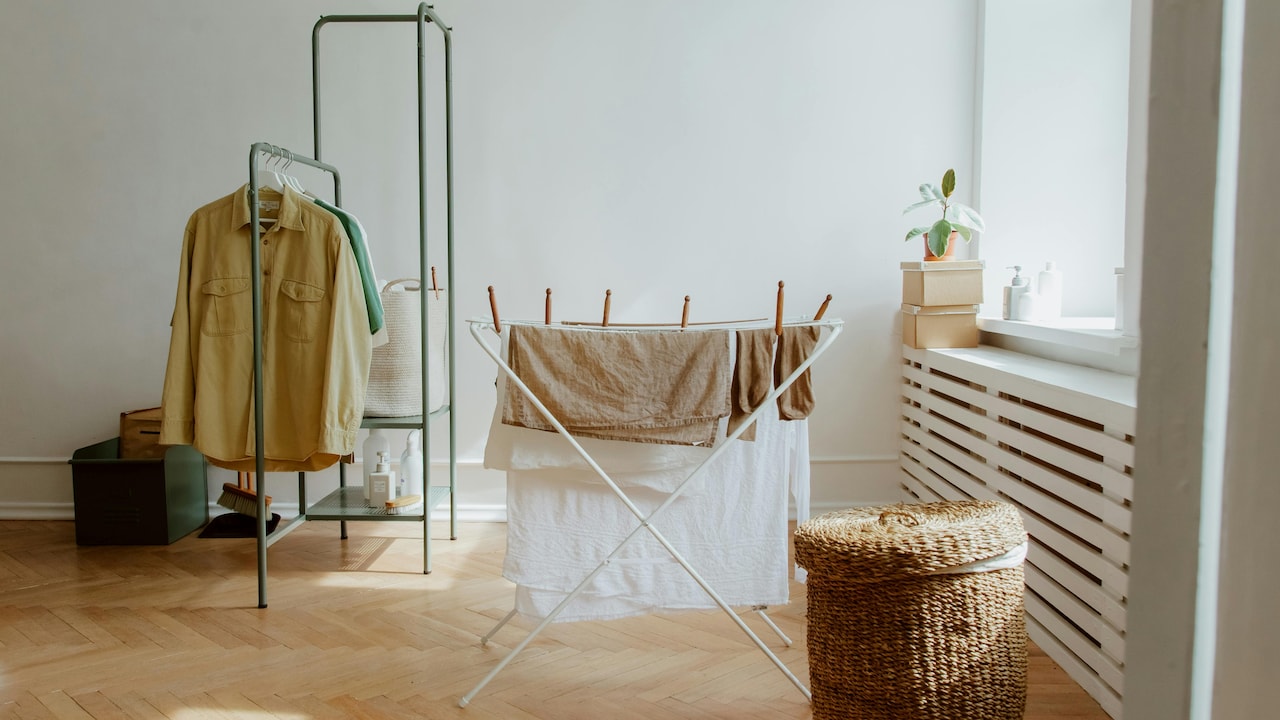
How to Stop Bath Rugs From Smelling Musty in a Bathroom With No Ventilation
Struggling with a musty bath rug in a bathroom with no ventilation? Simple habits, smart washing tips, and quick-dry tricks can keep your rug fresh, odour-free, and hygienic year-round. Use these simple tips to remove old, musty smell from your bathroom rugs.
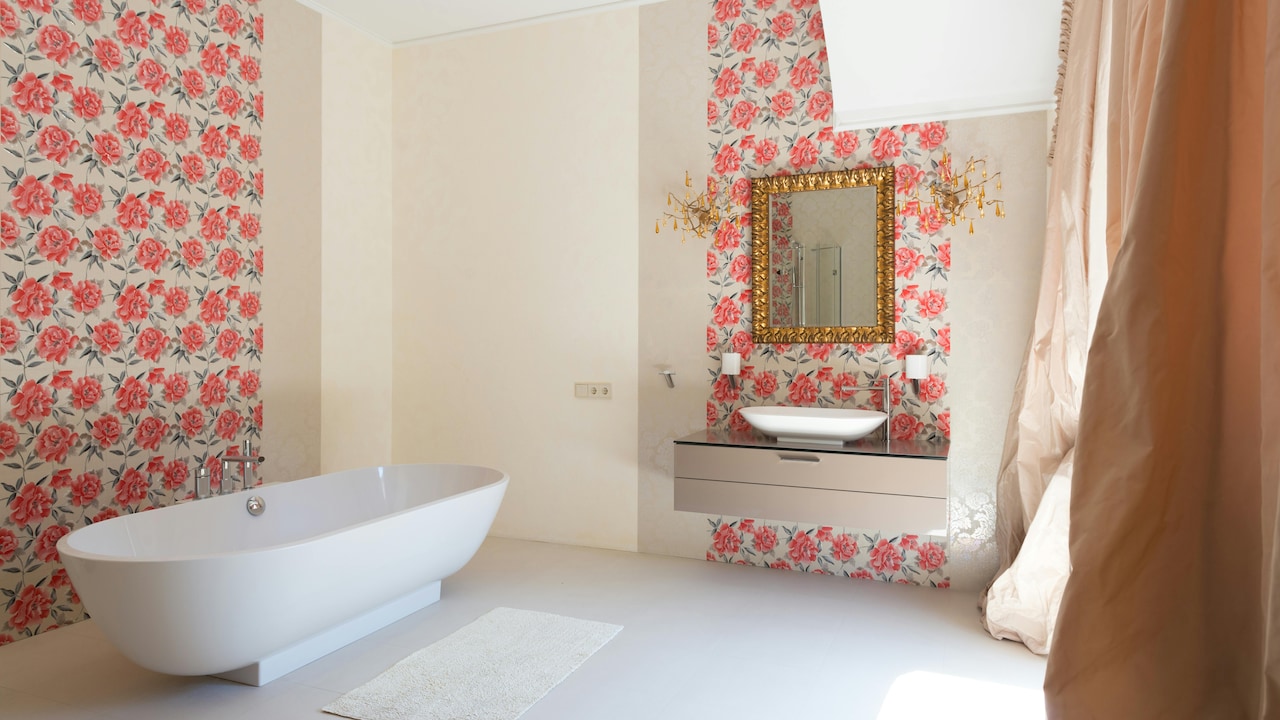
How To Stop Bath Rugs From Smelling Musty, Even If Your Bathroom Has No Ventilation.
Bath rugs do a lot of unglamorous work. They catch water, stop slips, and take the daily beating of wet feet, dripping buckets, and post-shower chaos. In a bathroom with proper ventilation, they dry out quickly and behave. In a bathroom with no ventilation, bath rugs turn into a soggy sponge that never gets a chance to breathe.
That's when the smell begins.
Not the dramatic kind. The sneaky kind. The one that makes you pause and think, “Is this the drain? The towel? The bucket?” before you realise it's the bath rug quietly committing crimes in the corner.
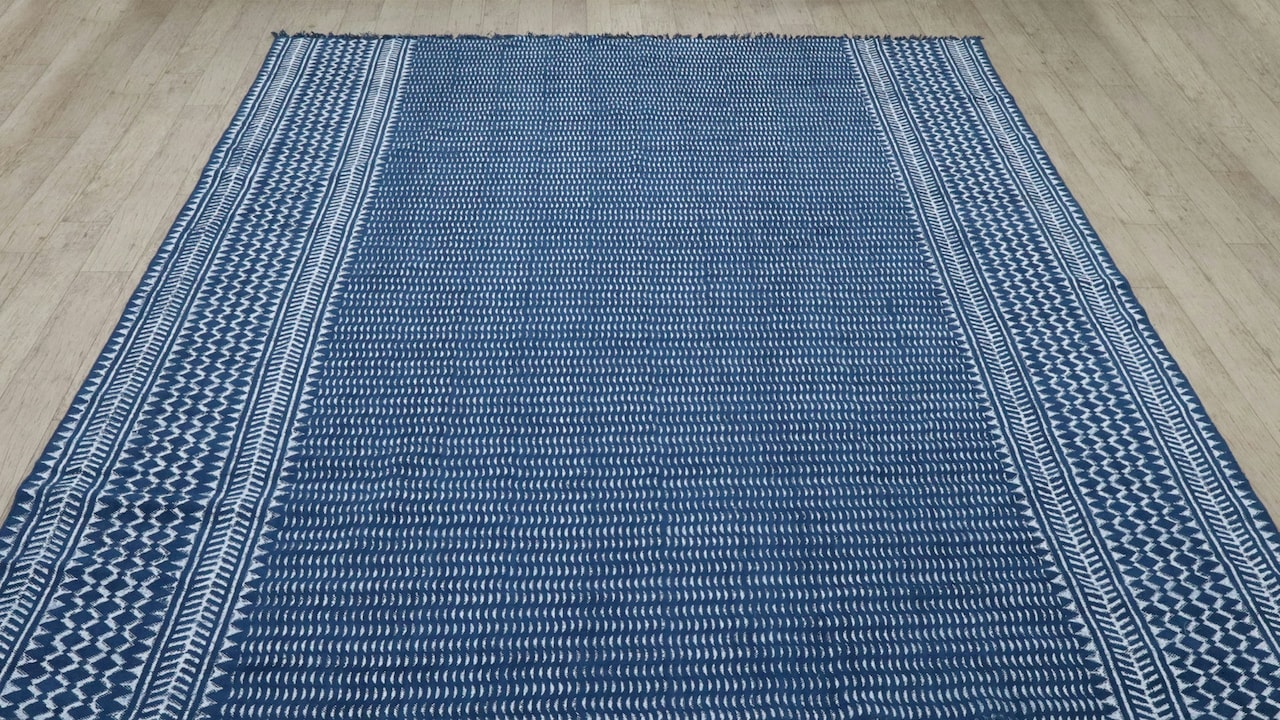
Explore common culprits that make bathroom rugs smell worse than they look; Photo Credit: Unsplash
The musty smell is not just unpleasant. It signals trapped moisture, bacteria, and mildew. And once that smell settles in, it clings like a relative who says, “Just five minutes,” and stays for three hours.
The fix isn't complicated, but it needs consistency. Below are ten practical, low-effort ways to stop bath rugs from smelling musty, especially in bathrooms where air simply refuses to move.
Also Read: 9 Reasons Why Every Home Deserves A Bathroom Rug
10 Practical Ways To Keep Bath Rugs Fresh In A No-Vent Bathroom
1) Pick the Right Rug Material (Because Some Rugs Are Basically Moisture Magnets)
Not all bath rugs are built for bathrooms with no ventilation. Some look soft and luxurious but behave like wet blankets. Thick cotton piles, memory foam rugs, and heavy shag mats feel great underfoot, but they trap water deep inside. Without airflow, that moisture sits there for hours, or worse, overnight, giving mildew the perfect environment.
For low-ventilation bathrooms, choose rugs that dry fast. Microfibre is a solid option because it absorbs water but releases it faster than thick cotton. Bamboo mats work brilliantly too because they don't absorb water the same way; water sits on the surface and evaporates more quickly. Even flat-weave cotton rugs (not fluffy ones) dry much better.
If the rug feels like a winter blanket, it probably won't survive a humid bathroom without developing a personality. And that personality will smell like damp socks.
A small change in rug type can prevent the problem before it starts. It's the simplest upgrade with the biggest impact.
2) Stop Leaving the Rug on Wet Flooring (Yes, Even for “Just a While”)
A bath rug can dry only if it has access to air. If it sits on wet tiles, it absorbs moisture from below as well as above. In bathrooms with no ventilation, this turns into a double soak. The underside stays wet, the floor stays wet, and the rug never gets a chance.
This is especially common in homes where water splashes everywhere, bucket baths, fast showers, or those mornings when someone treats the bathroom like a water park. The rug ends up stuck to the floor like it has given up on life.
After a shower, lift the rug and hang it over a bucket, stool, towel rod, or even the door. If the rug has a rubber backing, it needs this even more because rubber blocks airflow from underneath. That backing is great for anti-slip, but it also traps moisture like cling film.
This habit feels small, but it stops the “always damp” cycle that creates the musty smell in the first place.
3) Use Two Rugs and Rotate Them Like a Sensible Adult
One rug, used every day in a no-vent bathroom, gets no recovery time. It stays damp, gets stepped on, and collects soap residue and dead skin. Not to be dramatic, but that's a full-time job with no weekends.
The easiest fix? Keep two bath rugs and rotate them.
Use one for a day or two, then swap it out. Let the other one dry completely in a sunny spot, balcony, or near a window. Even if the bathroom itself has no ventilation, the rest of the home usually does. The rug just needs a chance to dry properly.
This also makes washing easier. You can clean one while using the other, instead of doing the awkward “no rug today” routine where everyone slips slightly and pretends it's fine.
Two rugs cost more, yes. But not necessarily a lot. A simple, quick-dry mat can cost around ₹300–₹600. The peace of mind (and the lack of stink) feels priceless after a few weeks.
4) Dry It Properly Every Single Day (And Not in the Bathroom)
This point is the heart of the whole issue: a bath rug cannot dry in a bathroom that does not ventilate. It can pretend. It can look dry on top. But inside? Still damp. Still brewing.
The daily solution is simple: get it out.
Hang the rug somewhere with airflow, near a window, on a balcony railing, or even on a clothes drying stand. If you don't have outdoor space, hang it near a fan in a room for 30–60 minutes. That's enough to break the damp cycle.
If you're thinking, “That sounds like effort,” fair. But consider the alternative: a rug that smells like it's been living in a closed cupboard during the rainy season.
Also, avoid folding the rug when it's damp. Folding traps moisture inside and creates perfect mildew pockets. Keep it spread out or draped over something so both sides can breathe.
Make this a routine like brushing teeth. Not glamorous. Just necessary.
5) Wash It More Often Than You Think You Need To
Many people wash bath rugs only when the smell becomes obvious. By then, the rug has already developed a full ecosystem. The trick is to wash it before it starts complaining.
In a humid bathroom, a bath rug needs washing at least once a week. If the bathroom gets heavy use, multiple people, frequent showers, and kids splashing, twice a week is better.
Use warm water if possible. Add detergent and a little baking soda. Baking soda helps neutralise odours instead of just masking them. If the rug is white or light-coloured, a small amount of oxygen bleach can help, but avoid harsh bleach on coloured rugs because it can ruin the fabric and leave a chemical smell.
After washing, dry it completely in the sunlight if you can. Sunlight is not just free drying; it's also a natural disinfectant. Even 1–2 hours of sun can make a huge difference.
A clean rug smells like nothing. That's the goal. Not floral. Not “fresh breeze.” Just… nothing.
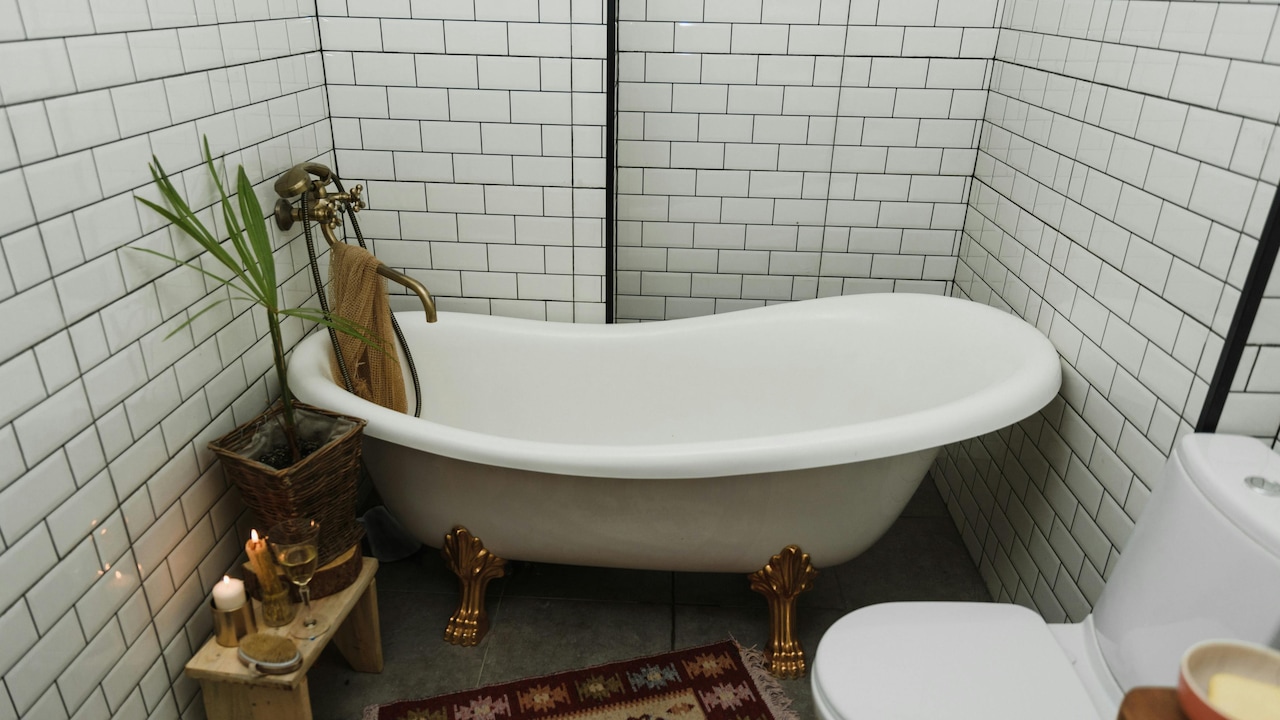
Use warm water and detergent to wash your bath rug at least once a week; Photo Credit: Pexels
6) Attack the Rubber Backing (Because That's Where the Funk Hides)
Rubber-backed rugs are the biggest offenders in non-ventilated bathrooms. The top may feel dry, but the underside stays damp because rubber blocks evaporation. That trapped moisture encourages mould, which then creates the classic musty smell.
To fix this, focus on the underside.
Once a week, flip the rug over and check the backing. If it feels slimy, sticky, or smells stronger than the top, that's your culprit. Scrub it gently with a brush, warm water, and a mix of detergent plus a little vinegar. Vinegar helps break down mildew and soap residue.
Then rinse properly. Residue left behind can also cause a smell. After cleaning, dry the rug fully with the backing side facing up for a while, so moisture doesn't get trapped.
Also, avoid rugs with very thick rubber backing in bathrooms with no ventilation. If you want anti-slip, look for rugs with dotted grips instead of a full rubber sheet.
A rug should protect you from slipping, not trap bacteria like a secret hobby.
7) Stop the Soap Scum and Shampoo Build-Up
Musty smell isn't only about water. It's also about what's in the water. Bath rugs absorb diluted shampoo, soap, conditioner, body wash, and sometimes hair oil. Over time, these products create a sticky film inside the fibres.
That film traps moisture and becomes food for bacteria.
If your rug smells even after drying, product build-up might be the reason. The solution is a deeper wash. Once every two weeks, soak the rug in warm water with detergent and a cup of vinegar for 20–30 minutes. Then wash it normally.
If the rug is machine washable, run it on a heavier cycle occasionally. If you wash it by hand, scrub the areas where feet usually land. That's where the build-up concentrates.
Also, reduce the amount of product that reaches the rug. If possible, keep the rug slightly away from the shower area so it catches drips, not direct splashes.
A rug should deal with water. It should not become a storage unit for shampoo history.
8) Use Baking Soda Like It's a Secret Weapon
Baking soda is one of those humble household items that quietly solves problems without demanding attention. For musty bath rugs, it works because it absorbs odours and helps break down bacteria-friendly grime.
Once the rug is dry (important), sprinkle baking soda all over it. Let it sit for at least 30 minutes. If the smell is strong, leave it for a few hours. Then shake it off outside or vacuum it.
This works best as a weekly habit, especially during humid weather. It's also great for rugs that aren't easy to wash frequently.
For an extra boost, you can mix baking soda with a few drops of essential oil, but don't overdo it. Too much oil can create residue and make things worse over time. The goal is freshness, not perfume.
Also, avoid spraying room fresheners on the rug. That masks the smell for a few hours and then mixes with dampness to create a new smell, one that feels oddly aggressive.
Baking soda keeps it clean, calm, and neutral. Like a good friend.
9) Keep the Bathroom Itself Drier (Even Without a Fan)
If the bathroom stays humid, the rug never stands a chance. The rug is not the main villain. The environment is.
Even without ventilation, you can reduce humidity with a few practical tricks. After bathing, use a floor wiper to push water towards the drain. This alone cuts down moisture massively. Don't leave puddles to evaporate slowly.
Keep the bathroom door open whenever possible. If privacy is an issue, open it after everyone is done. Even 20 minutes of open-door airflow helps.
If you have a pedestal fan at home, point it towards the bathroom door for a while. Not forever, just enough to move air in and out.
You can also place moisture absorbers in the bathroom. Even a bowl of rock salt can help pull moisture from the air. Replace it every few days when it clumps. It's not magic, but it helps.
A drier bathroom means a happier rug. And a happier rug means nobody walks in and thinks, “Why does it smell like a wet cupboard?”
10) Know When to Replace the Rug (Because Some Smells Don't Leave)
Sometimes, a rug crosses a point of no return. Even after washing, drying, vinegar soaks, and baking soda treatments, the smell stays. That usually means mould has settled deep into the fibres or backing.
At that stage, keeping the rug becomes a hygiene issue. Mould spores can irritate allergies and cause sneezing, headaches, and skin irritation in sensitive people. It's not worth it.
A simple test helps: wash the rug thoroughly, dry it in strong sunlight, and then smell it after 24 hours indoors. If the musty smell returns quickly, it's time.
Replacing a rug doesn't have to be expensive. Many decent quick-dry options are available for ₹300–₹800. Consider it a practical home reset, like changing an old scrubber or replacing a worn-out doormat.
Also, when buying a new one, avoid very thick rugs unless your bathroom has proper airflow. Choose a rug that dries fast and washes easily.
A bath rug should feel clean and comforting. If it starts smelling like a forgotten raincoat, let it go.
Products Related To This Article
1. bsb home Navy Blue 1300 GSM Water Absorbent Bath Rug
2. Deoxys Set Of 2 110GSM Kitchen Rugs Set
3. Aura Brown & White Home Self-Design 1850 GSM Anti-Skid Microfiber Large Bath Mat
4. THE ARTMENT Grey Non-Slip & Super Absorbent Diatomaceous Earth Stone Bathrug
5. Saral Home Blue Cotton Bath Rug & Contour
6. SASHAA WORLD Printed 2000 GSM Anti-Skid Bath Rug
7. MASPAR Brown Textured 1634 GSM Cotton Small Bath Rugs
A musty bath rug is not a mystery. It's a predictable result of moisture, trapped air, and everyday bathroom chaos. In a space with no ventilation, the rug becomes the first place where dampness settles and stays.
The fix doesn't require fancy machines or expensive “anti-bacterial” mats. It requires small, consistent habits: choosing the right rug, drying it daily, rotating between two mats, washing it more often, and keeping the bathroom floor as dry as possible.
Think of it like this: the rug doesn't need luxury. It needs air, sunlight, and a little respect.
Once you get the routine right, the bathroom feels fresher, the rug stays soft, and you stop playing detective every time you walk in. And honestly, that's the kind of peace everyone deserves, especially before the first cup of chai.
(Disclaimer: This article may include references to or features of products and services made available through affiliate marketing campaigns. NDTV Convergence Limited (“NDTV”) strives to maintain editorial independence while participating in such campaigns. NDTV does not assume responsibility for the performance or claims of any featured products or services.)