Hanging Mirrors In Small Rooms? Make Them Look Bigger| Here Is How
Small rooms dont need renovations to feel spacious. The right mirror placement can brighten interiors, add depth, and visually expand compact spaces. Try these simple mirror placement tips to make your space appear bigger.

Hanging Mirrors in Small Rooms? Use These Top 10 Tricks to Make Your Room Look Bigger.
Every home has that one room. The room looks fine in the morning, but by evening feels like it's shrinking. Maybe it's the bedroom where the wardrobe door hits the bed. Maybe it's the living room where the sofa, shoe rack, and study table have formed an awkward alliance. Or maybe it's a hallway so narrow that two people crossing paths turns into a polite dance.
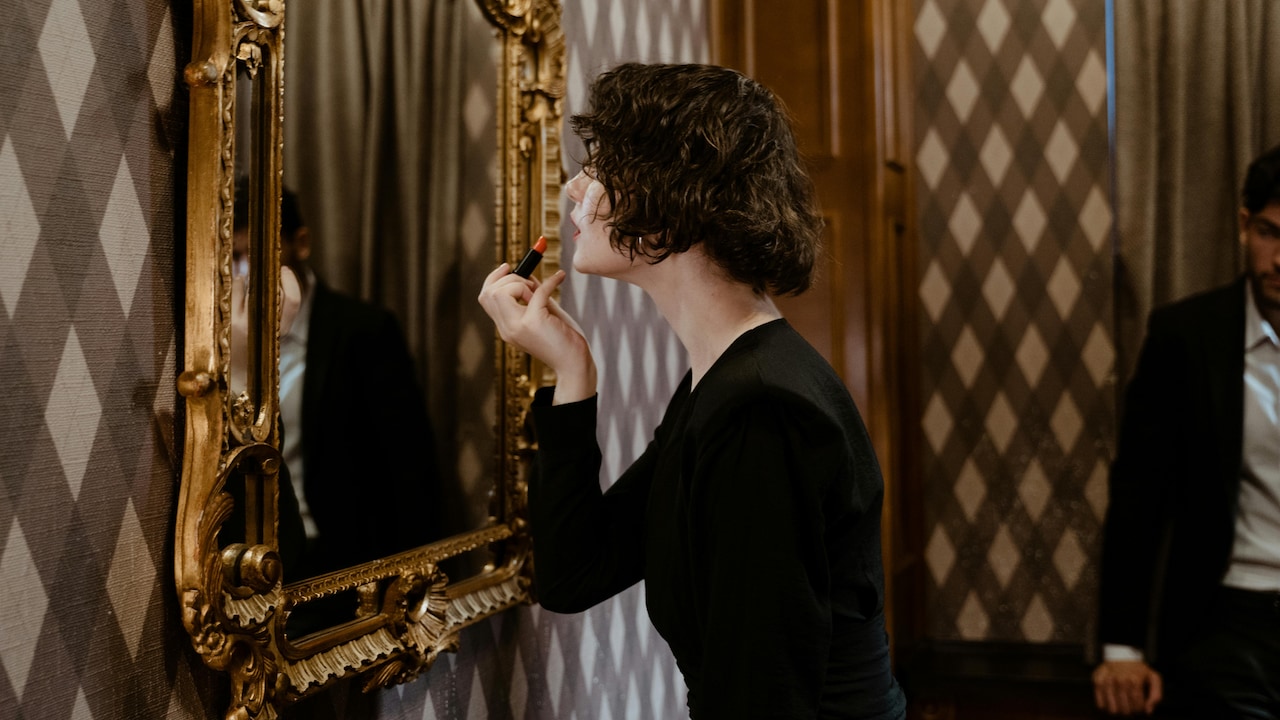
Make small spaces look bigger with these mirror placement tips; Photo Credit: Pexels
When a room feels small, most people assume the only fix is expensive: new furniture, renovations, or moving to a bigger place. But there's a far simpler hack that interior designers love, and regular people swear by: mirrors.
Mirrors don't create space, but they create the feeling of space. And in small rooms, that feeling matters a lot. The right mirror in the right spot can make a room look brighter, taller, wider, and more put-together. The wrong mirror, however, can make the space look messy, gloomy, or oddly uncomfortable, like someone is watching from the corner.
So, if a room needs breathing room, here are ten mirror tricks that work beautifully, even in compact homes.
Also Read: Top 5 Budget Mirrors Under ₹1000 That Look Premium On Myntra
Ready To Make Your Room Feel Twice the Size? Start With These Mirror Moves
1) Place a mirror opposite a window to double the daylight
Light is the fastest way to make a room feel bigger. And mirrors, when placed correctly, behave like a second window. Hanging a mirror directly opposite a window bounces natural light deeper into the room. It reduces shadows, brightens corners, and instantly makes the space feel more open.
This works especially well in living rooms where sunlight only hits one side. Instead of the room looking half-bright and half-dim, the mirror spreads the glow across the whole space. Even on cloudy days, the difference is noticeable. It's like turning on an invisible lamp that doesn't add to the electricity bill.
For flats with a balcony door, placing a tall mirror near the door (but angled slightly) can reflect greenery, sky, or even the movement outside. That little bit of “life” makes the room feel larger than it is.
One small warning: avoid reflecting harsh clutter, like a pile of laundry near the window. Mirrors are honest. Sometimes too honest.
2) Use a large mirror, not multiple tiny ones
Small rooms often tempt people into buying small décor. It feels safer. But with mirrors, bigger usually works better. A large mirror creates a single, clean reflection that visually expands the room. Several small mirrors can chop up the view and make the wall look busy.
Think of it like this: a big mirror creates a “second room”. A bunch of small mirrors creates a “second mess”.
A tall mirror leaning against a wall is a great option for renters. It adds height, gives a full-length view, and doesn't require drilling. If leaning isn't safe (kids, pets, or clumsy relatives), a wall-mounted large mirror works just as well.
In a bedroom, a large mirror on the wardrobe door can be a space-saver and a style upgrade. In a dining corner, a wide mirror behind the table can make the area feel like a proper dining room rather than a squeezed-in arrangement.
A good-sized mirror may cost ₹2,000–₹8,000 depending on quality, but it often gives more impact than ₹8,000 worth of small décor.
3) Hang mirrors higher to stretch the room vertically
When a room feels tight, it's often not just the width. It's the overall “boxy” feeling. Hanging mirrors a little higher helps pull the eye upwards and makes the room feel taller.
A common mistake is placing mirrors at eye level only, especially in compact bedrooms and hallways. Eye level is fine, but if the mirror sits too low, the room feels shorter. Shifting it slightly upwards creates a sense of vertical space.
This trick works beautifully with tall, narrow mirrors. Even a simple rectangular mirror can create the illusion of a higher ceiling if it starts slightly above furniture height. For example, in a living room, a mirror above a sofa should sit higher than the backrest, not squeezed right above it.
In bathrooms, mirrors that extend closer to the ceiling make the space feel cleaner and more airy. Even a small bathroom suddenly feels like it belongs in a fancy hotel… until the bucket shows up.
4) Reflect the best view, not the busiest corner
Mirrors don't just reflect space. They reflect mood. If a mirror reflects a peaceful corner, like a plant, a painting, or a neat bookshelf, the room feels calmer and bigger. If it reflects the shoe rack, tangled charging cables, or a chaotic work desk, it amplifies stress.
In small homes, it's easy for functional zones to overlap. The dining table becomes a work desk. The bedroom becomes a storage unit. The living room becomes a gym. Mirrors can either soften that reality or shout it back at everyone.
A smart move is to position mirrors where they reflect something intentional: a well-lit wall, a clean surface, a window, or even a simple lamp. A mirror reflecting warm light at night creates a cosy glow that feels like more space.
Before fixing the mirror, do a quick test: stand where the mirror will go and check what it will reflect. If the reflection makes the room look nicer, it's the right spot. If it makes you sigh, choose another wall.
5) Use mirrors behind furniture to create depth
One of the most effective mirror tricks is placing a mirror behind a piece of furniture, like a console table, a sofa, or a dining bench. It creates depth and makes the wall feel less “final”.
A narrow living room often feels like it ends too quickly. A mirror behind the sofa adds the illusion that the room continues. It's like giving the space an extra few feet without changing anything else.
This works particularly well in small dining corners. A wide mirror behind the dining table makes the area feel like a proper dining room, not a last-minute arrangement near the kitchen. It also adds a sense of occasion, even if dinner is just dal and rice.
In bedrooms, a mirror behind a bedside table can make the room feel more layered and styled. It's a subtle way to add depth without adding clutter.
Just ensure the mirror is secured well. A dramatic mirror crash at 2 am is not the kind of “statement piece” anyone wants.
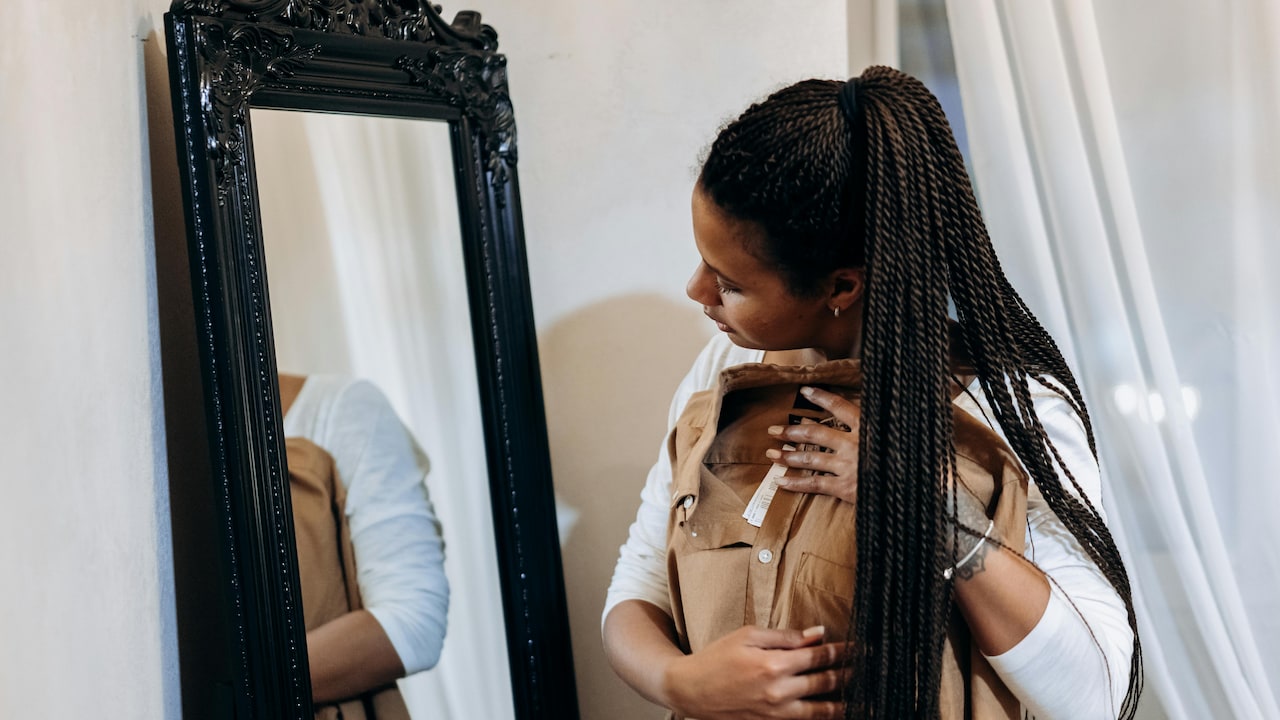
Always place a mirror behind any furniture to add depth to your room; Photo Credit: Pexels
6) Try mirrored panels on wardrobes to save space
Wardrobes eat space. In compact bedrooms, they often become the main visual block. Mirrored wardrobe shutters solve two problems at once: they eliminate the need for a separate dressing mirror and they visually expand the room.
This is especially useful in bedrooms where the only free wall is already taken by a bed or storage. A mirrored wardrobe reflects light, adds height, and makes the room feel less crowded.
For sliding wardrobes, mirrors work even better. The clean lines and reflective surface make the room look sleek. For hinged wardrobes, mirrored shutters can still work, but ensure they don't hit furniture when opened.
If a full mirrored wardrobe feels too intense, consider half mirrors or a mirrored strip in the centre panel. It still adds light and depth without turning the room into a dance studio.
Also, mirrors on wardrobes have one hidden benefit: they force a little tidiness. It's hard to ignore a messy room when it's staring back twice as large.
7) Use mirrors in narrow hallways to widen them
Hallways are often the forgotten spaces. But in many homes, the hallway is the first impression. And narrow hallways can feel like a tunnel, especially with poor lighting.
A mirror on one side wall can visually widen a hallway. It creates the illusion that the corridor continues sideways, making it feel less cramped. If the hallway has a light source at one end, the mirror also helps bounce that light and reduce the gloomy feeling.
A long horizontal mirror works well in hallways, especially if placed at shoulder height. It stretches the space visually. If the hallway is very narrow, avoid bulky frames. Thin frames or frameless mirrors keep it clean.
Adding a small console shelf under the mirror can look stylish, but only if there's enough room to walk comfortably. Otherwise, the hallway becomes an obstacle course, and guests will start doing that polite sideways shuffle.
A mirror in the hallway also becomes the unofficial “last check” spot before stepping out. It's practical and flattering, when placed in good light.
8) Choose the right frame to avoid visual clutter
Frames matter more than people realise. In a small room, a heavy, ornate mirror frame can overpower the wall. It adds weight, and the room can start feeling busy. On the other hand, a thin frame or a simple wooden border keeps the mirror light and airy.
For compact modern homes, clean black frames, light wood tones, or frameless mirrors tend to work best. They blend into the room and let the reflection do the magic. If the décor is traditional, a carved frame can still work, but keep the size balanced.
Another clever option is an arched mirror. Arches soften harsh lines in a small room and add a bit of elegance. Even a small arched mirror can make a space feel more intentional, like someone actually planned the room rather than assembling it during a weekend cleaning spree.
Avoid mirrors with too many segments or decorative grids in tiny spaces. They break the reflection and can make the room feel chopped up. Simplicity wins when space is limited.
9) Use mirrors near lamps to create warm evening light
Mirrors aren't only for daylight. In fact, they can transform the way a room feels at night. Placing a mirror near a lamp reflects warm light and makes the room glow. It adds depth, reduces harsh shadows, and creates a cosy atmosphere.
In small bedrooms, a mirror near a bedside lamp can make the room feel softer and more spacious. In living rooms, placing a mirror behind a floor lamp creates a beautiful layered effect. It makes the room feel like it has more lighting than it actually does.
This is particularly helpful in homes where overhead lights feel too harsh. Many people prefer warm, soft lighting in the evening, but small rooms can look dim with only one lamp. A mirror fixes that by doubling the lamp's impact.
Just be careful with glare. If the mirror reflects the bulb directly, it can be uncomfortable. Use lampshades or indirect lighting for the best effect.
This trick also makes budget lamps look expensive. A ₹900 lamp suddenly feels like a ₹3,000 décor moment.
10) Avoid placing mirrors where they reflect clutter or create awkward angles
Not every mirror placement is a good idea. Some placements make rooms feel weird rather than spacious. For example, a mirror facing a messy storage area doesn't hide the mess, it doubles it. A mirror facing the bed can also feel uncomfortable for some people, especially in small bedrooms.
Mirrors placed too low can reflect the floor more than the room, which can make the space feel odd. Mirrors placed too high can lose their purpose and start looking like misplaced wall art.
Another issue is awkward angles. A mirror tilted in a way that reflects ceilings, fans, or random corners can make the room feel disjointed. The goal is to reflect something pleasing and open, not something confusing.
In small homes, mirrors should work as a quiet illusion, not a loud distraction. The best mirror placements feel natural, like the room always had them.
A simple rule helps: if the reflection looks like a better version of the room, the mirror is doing its job. If the reflection looks like chaos, the mirror is just gossiping.
Products Related To This Article
1. Art Street Copper Toned & Brown Textured Wall Mount Decorative Wall Mirror With Frame
2. VAS collection home White Textured Wooden Wall Mirrors
3. Art Street Grey Half-Oval Glass Wall Mirror
4. HOSLEY Hosley Black Set of 2 Round Decorative Wall Mirrors
5. CasaGold Metallic Toned Vintage Presco Carved Rectangular Wall Mirror
Small rooms don't need dramatic renovations to feel bigger. They need smart tricks, and mirrors are one of the smartest. The right mirror placement can brighten a room, stretch the walls visually, and add depth without adding clutter.
The real magic isn't in buying the fanciest mirror. It's in making the mirror reflect the best parts of the room, light, calm, and clean lines. A single well-placed mirror can do what extra furniture never will: create breathing space.
So, whether it's a narrow hallway, a compact bedroom, or a living room that tries to do everything at once, mirrors can help. They don't change the size of the room, but they change the way the room feels. And in a home, that feeling matters more than square footage.
(Disclaimer: This article may include references to or features of products and services made available through affiliate marketing campaigns. NDTV Convergence Limited (“NDTV”) strives to maintain editorial independence while participating in such campaigns. NDTV does not assume responsibility for the performance or claims of any featured products or services.)



![Steam Iron Teflon Shoe Cover for ES-300,ST-96 [Only For ES-300 and ST-96 Model Electric Steam Irons]](https://m.media-amazon.com/images/I/51wwkttondL._SL160_.jpg)