How To Stop Food From Sticking To A Cast Iron Tawa: A Beginner's Guide
Struggling with food sticking to a cast iron tawa? Learn the common causes and practical solutions that help beginners cook with confidence.
Cast Iron Tawa For Beginners: Why Food Sticks And How To Fix It
The excitement of bringing home a cast iron tawa often comes with high expectations. After all, countless home cooks swear by its durability, natural cooking surface and ability to create restaurant-style results. Then comes the first attempt at making a dosa or paratha, and suddenly the dream hits a wall. The batter refuses to lift, bits of food cling to the pan, and cleaning becomes a battle. This experience catches many beginners off guard. Unlike non-stick cookware, cast iron demands a little patience during its early days. It behaves differently, responds differently to heat and rewards proper care. Once understood, however, it becomes one of the most reliable pieces of cookware in any kitchen.
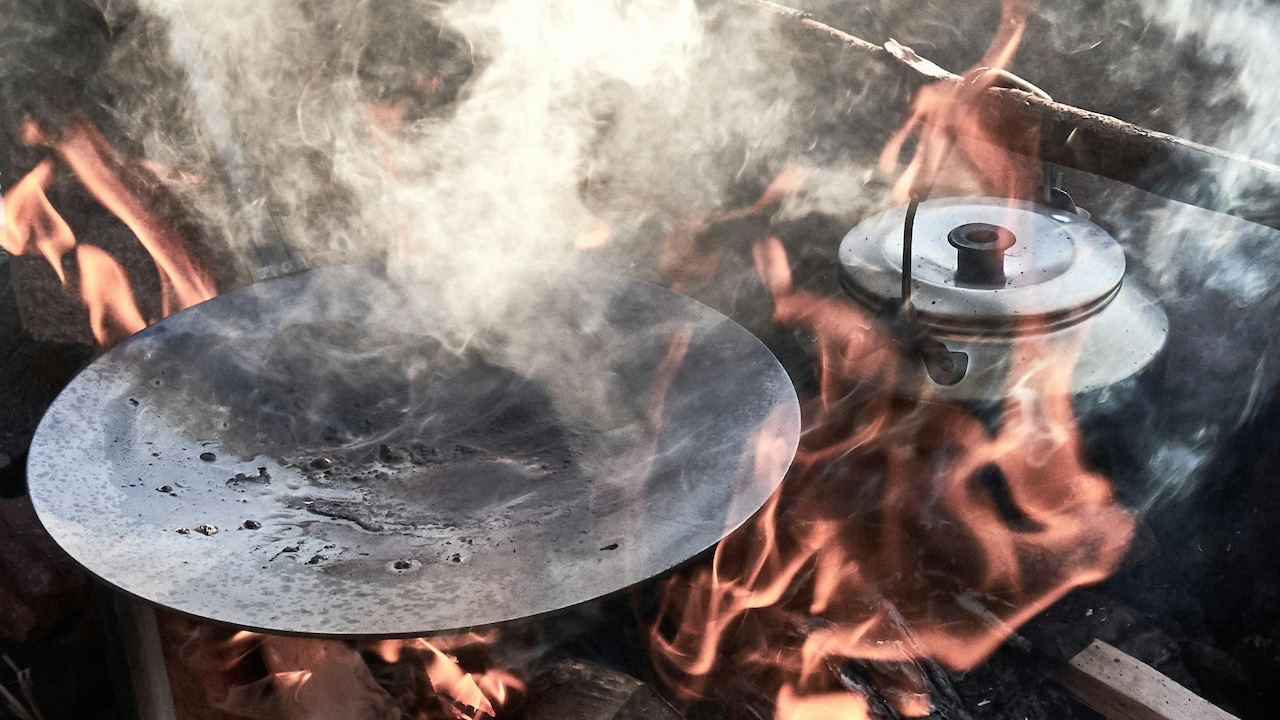
Cast Iron Tawa For Beginners: Why Food Sticks And How To Fix It
Photo Credit: Pexels
The good news is that food sticking is usually easy to fix. In most cases, the solution lies in a few simple adjustments rather than replacing the tawa altogether. Understanding why sticking happens is the first step towards smoother cooking and far better results.
Understanding Why Food Sticks To A Cast Iron Tawa
Why A New Cast Iron Tawa Often Feels Difficult
Many people assume that a brand-new cast iron tawa will perform perfectly straight out of the box. That expectation often leads to disappointment. Unlike ready-to-use non-stick pans, cast iron develops its best cooking surface gradually.
Manufacturers may provide a pre-seasoned coating, but this layer often needs reinforcement through regular cooking. During the first few weeks, the surface remains relatively raw and porous. Food can easily grab onto these tiny imperfections, especially delicate items such as dosas, uttapams and eggs.
Think of cast iron as a relationship rather than a gadget. Trust develops over time. Every cooking session adds another layer to the seasoning and slowly improves the surface. A beginner who understands this process avoids unnecessary frustration and gains confidence much faster.
Patience plays a major role here. A tawa that feels difficult during the first month can become remarkably smooth after consistent use. Rather than viewing sticking as a failure, it helps to see it as a normal part of the learning curve.
The Importance Of Proper Seasoning
Seasoning is the foundation of successful cast iron cooking. Without it, food sticks more easily, and cleaning becomes far more difficult. Seasoning refers to the thin layers of oil that bond with the metal through heat, creating a naturally slick surface.
Many beginners rush through this stage or skip it altogether. A quick wipe of oil before cooking rarely provides enough protection. Strong seasoning develops through repeated cycles of oil application and heating over time.
The process does not need expensive products or complicated methods. A small amount of cooking oil, evenly spread across the tawa and heated properly, gradually creates a protective layer. Each round of seasoning strengthens the surface and improves cooking performance.
The difference becomes noticeable after several uses. Rotis release more easily, dosas brown evenly, and cleaning takes far less effort. The tawa also develops a darker appearance, which many experienced cooks consider a sign of a healthy seasoning layer.
Seasoning may seem like extra work at first, but it saves countless headaches later. A well-seasoned tawa often becomes the most dependable pan in the kitchen.
Temperature Matters More Than Most People Think
One of the biggest reasons food sticks to cast iron is incorrect temperature. Many beginners place batter or dough onto a pan that is either too cold or too hot.
A cold tawa encourages food to cling to the surface before it has a chance to cook properly. On the other hand, excessive heat can burn the outer layer quickly while causing stubborn sticking underneath. Finding the sweet spot takes practice, but it makes an enormous difference.
A simple test involves sprinkling a few drops of water onto the surface. If the droplets sizzle gently and evaporate after a few seconds, the temperature is usually suitable. If they disappear instantly with aggressive steam, the tawa may be too hot.
Cast iron retains heat exceptionally well. Once hot, it stays hot for a long time. This quality makes it excellent for cooking but also requires attention. Constantly adjusting the flame or rushing the preheating stage often creates inconsistent results.
Understanding heat management transforms the cooking experience. A properly heated tawa naturally releases food more easily and produces a more attractive finish.
Why Dosas Tend To Stick The Most
Among all foods cooked on cast iron, dosas seem to create the most anxiety. Many beginners wonder why the batter spreads beautifully one day and sticks horribly the next.
Several factors contribute to this issue. The temperature may be uneven, the seasoning may still be developing or the batter itself may contain excess moisture. Even a small mistake can affect the outcome.
Another common issue occurs when cooks attempt to flip or remove the dosa too early. Cast iron rewards patience. As the dosa cooks, it gradually releases from the surface on its own. Trying to force the process often causes tearing and sticking.
Traditional kitchens often cool the tawa slightly between dosas using a damp cloth. This practice helps maintain a balanced temperature and prevents overheating during multiple batches.
While dosa-making can feel intimidating at first, consistency develops with experience. Once the tawa gains a stronger seasoning layer and the cook learns the right heat level, the process becomes surprisingly smooth and satisfying.
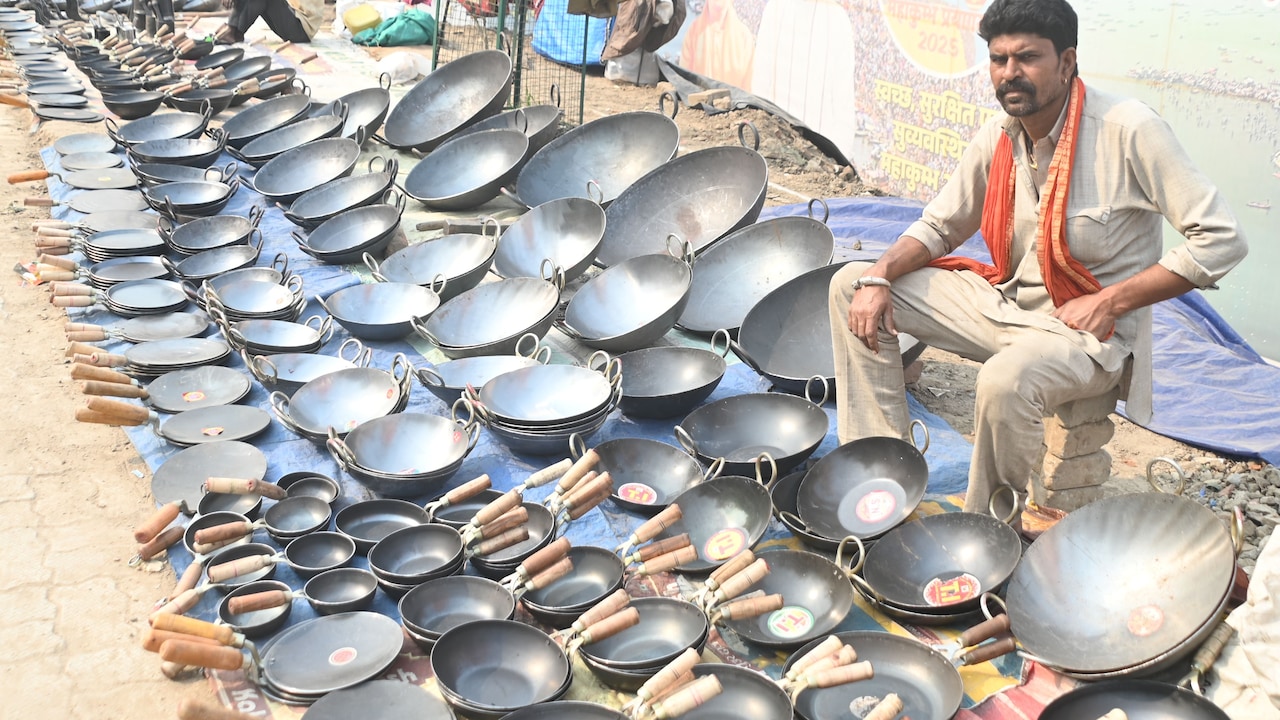
Cast Iron Tawa For Beginners: Why Food Sticks And How To Fix It
Photo Credit: Pexels
Cooking Oils Can Influence Performance
Not all oils behave the same way on cast iron. While most cooking oils can work, some create stronger seasoning layers than others.
Beginners often use too much oil, assuming it will prevent sticking. Ironically, excess oil can create a sticky residue that attracts food rather than repelling it. A thin, even coating usually works far better.
During seasoning, oils with a moderate smoke point often perform well because they bond effectively with the surface. During daily cooking, the choice of oil can depend on the recipe, but moderation remains important.
The goal is not to create a greasy cooking surface. Instead, the aim is to maintain a smooth and protective layer. A lightly oiled tawa often performs better than one swimming in oil.
Many experienced home cooks notice that their tawa becomes more forgiving after months of regular use. This improvement comes from accumulated seasoning rather than increasing oil quantities. Understanding this distinction helps beginners avoid common mistakes.
Cleaning Habits Can Make Or Break Your Tawa
Cleaning may seem like a routine task, yet it has a direct impact on how well cast iron performs. Many sticking problems begin after improper washing.
Harsh scrubbing, prolonged soaking and aggressive cleaning chemicals can damage seasoning. Once the protective layer weakens, food starts sticking more frequently.
That does not mean cast iron should remain dirty. Quite the opposite. A good cleaning routine removes food residue while preserving seasoning. Warm water and gentle scrubbing usually handle most situations effectively.
After washing, drying the tawa thoroughly becomes essential. Any remaining moisture can encourage rust formation. A quick wipe of oil after drying helps protect the surface and maintain seasoning.
Think of cleaning as part of the cooking process rather than a separate chore. Small habits repeated consistently create long-term results. A well-maintained tawa rewards that effort with better cooking performance and a much longer lifespan.
Rust And Sticking Often Go Hand In Hand
Few sights worry beginners more than spotting rust on a cast iron tawa. Fortunately, rust does not automatically mean the cookware is ruined.
Rust often develops when moisture remains on the surface for extended periods. Once rust appears, it disrupts the smooth seasoning layer and increases the likelihood of sticking.
The solution involves removing the rust, re-seasoning the affected area and restoring the protective coating. While this process requires some effort, it remains far less expensive than replacing the tawa.
Many households have revived decades-old cast iron cookware through proper restoration. This durability is one reason cast iron continues to enjoy such popularity despite modern alternatives.
Preventing rust remains much easier than fixing it. Thorough drying, occasional oiling and proper storage go a long way towards keeping the surface healthy. A rust-free tawa generally performs better and offers a more enjoyable cooking experience.
The Role Of Patience During Cooking
Modern cooking often encourages speed, but cast iron prefers a slower approach. Rushing frequently leads to sticking, uneven cooking and unnecessary frustration.
Food naturally releases from a properly heated and seasoned surface when it is ready. This principle applies to dosas, parathas, rotis and many other dishes. Attempting to move food prematurely usually causes problems.
Patience also helps when preheating the tawa. Skipping this step saves only a minute or two but often creates poor results. Allowing the surface to warm gradually produces more consistent cooking conditions.
Many experienced cooks describe cast iron as teaching patience without saying a word. The pan rewards calm, steady cooking and gently punishes hurried decisions. While that may sound dramatic, anyone who has torn three consecutive dosas understands the lesson immediately.
A relaxed approach often leads to better food, easier cleanup and greater confidence in the kitchen.
Also Read: Can A Sandwich Maker Replace A Toaster? A Small Kitchen Experiment
Common Beginner Mistakes To Avoid
Several mistakes appear repeatedly among first-time cast iron users. Fortunately, most of them are easy to correct once recognised.
One common error involves expecting instant perfection. Cast iron improves with use, and every cooking session contributes to its development. Another mistake involves excessive washing that strips away seasoning. Some beginners also rely on high heat for everything, assuming hotter always means better.
Ignoring maintenance creates additional challenges. A tawa left damp overnight may develop rust, while a neglected seasoning layer often leads to stubborn sticking.
Another frequent issue involves switching between cooking methods too quickly. Beginners sometimes abandon cast iron after a few disappointing attempts. In reality, the learning period is usually short, and improvements often arrive suddenly after a few weeks of consistent use.
Understanding these mistakes helps reduce frustration and accelerates progress. A little knowledge can turn a difficult experience into a rewarding one.
Why Cast Iron Becomes Better With Age
One of the most fascinating qualities of cast iron is its ability to improve over time. Unlike many modern cookware options that wear out gradually, cast iron often performs better as the years pass.
Regular cooking strengthens the seasoning layer and smooths the surface naturally. The tawa develops character through everyday use, carrying traces of countless meals and family traditions.
Many households proudly use cookware that has served several generations. Such longevity makes cast iron remarkably economical. Even a quality tawa costing around ₹1,000 to ₹2,500 can provide decades of reliable service when maintained properly.
This long-term value explains why so many cooks remain loyal to cast iron despite its learning curve. The effort invested during the early stages pays dividends for years.
A well-loved tawa becomes more than just cookware. It becomes a trusted companion that consistently delivers excellent results and preserves cherished cooking traditions.
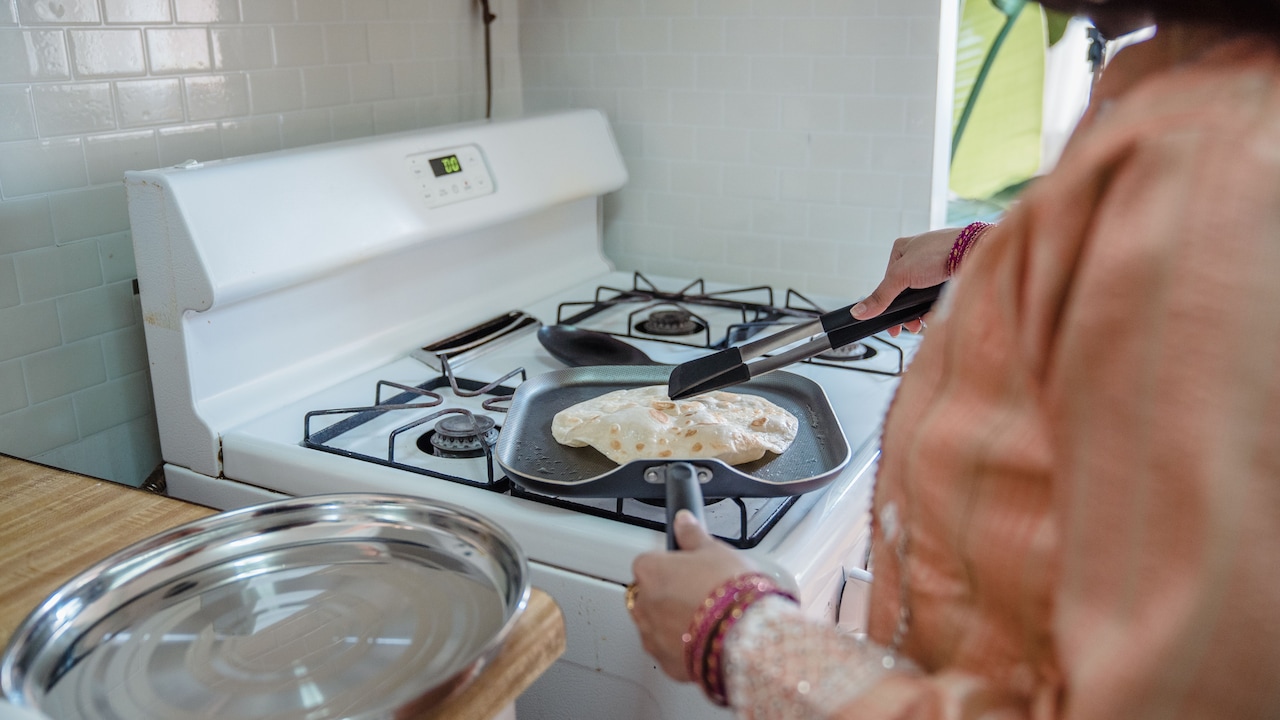
Cast Iron Tawa For Beginners: Why Food Sticks And How To Fix It
Photo Credit: Pexels
Products Related To This Article
1. SOLARA Cast Iron Tawa for Dosa 12" Inch(30 Cm), Tawa for Dosa
2. The Indus Valley Super Smooth Cast Iron Tawa with Free Wooden Spatula for Dosa
3. CUMIN CO. Cast Iron Roti Tawa 26 cm | 10 Years Warranty
4. Prestige 30 cm Cast Iron Dosa Tawa|Super Durable
5. PANCA Pre-Seasoned Cast Iron Dosa Tawa 30 cm
6. Esspy 28cm/11inch Pre-Seasoned Cast Iron Dosa Tawa
7. Lifelong Cast Iron 2-in-1 Dosa Tawa & Grill with Wooden Spatula
Food sticking to a cast iron tawa can feel frustrating, especially for beginners eager to recreate perfectly crisp dosas or golden-brown parathas. However, sticking rarely signals a defective pan. More often, it reflects issues with seasoning, temperature, cleaning habits or simple impatience.
The good news is that every one of these challenges has a practical solution. With proper seasoning, careful heat control and regular maintenance, a cast iron tawa gradually develops a naturally smooth cooking surface that improves with every use.
Like many worthwhile skills, cooking with cast iron rewards persistence. The first few attempts may test patience, but the results become increasingly satisfying over time. Before long, the same tawa that once caused frustration may become the most trusted and frequently used piece of cookware in the kitchen.
(Disclaimer: This article may include references to or features of products and services made available through affiliate marketing campaigns. NDTV Convergence Limited (“NDTV”) strives to maintain editorial independence while participating in such campaigns. NDTV does not assume responsibility for the performance or claims of any featured products or services.)