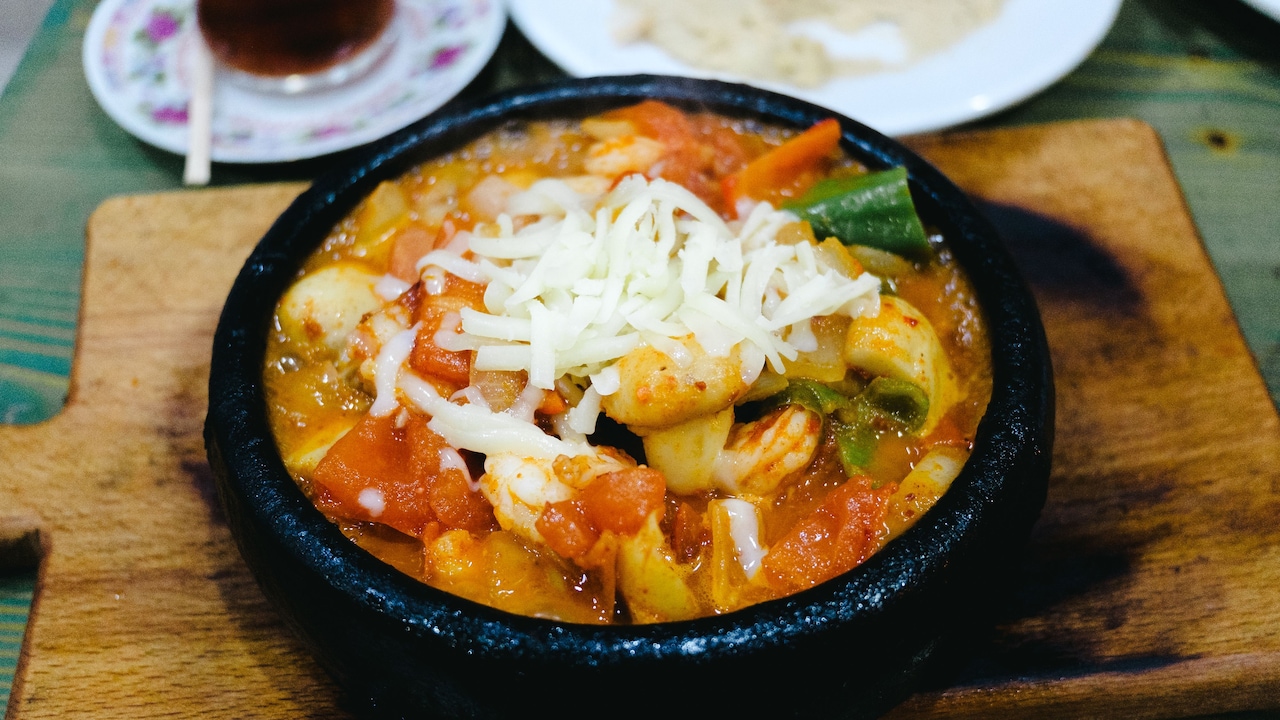
How To Store Food Safely During Monsoon To Prevent Spoilage
Worried about food during monsoon? Learn how to store food safely during the monsoon, reduce moisture-related contamination, and keep food fresh for longer.
How To Store Food Safely During Monsoon To Prevent Spoilage
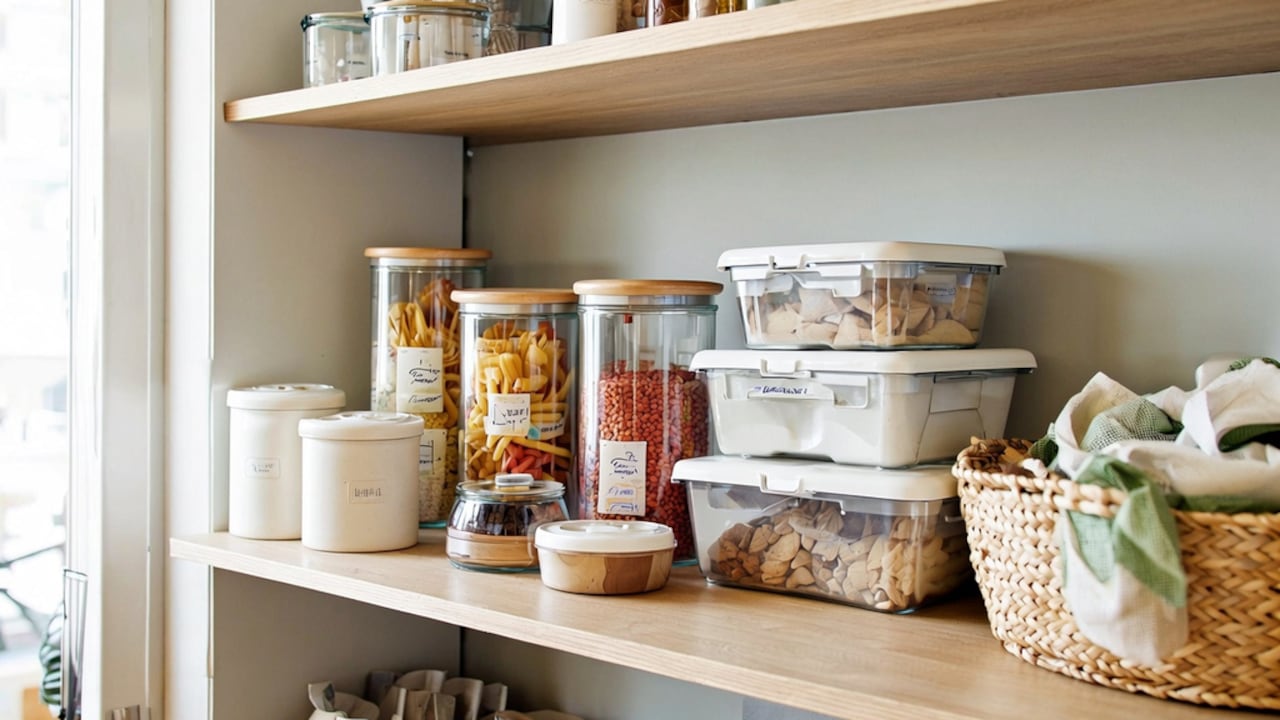
The monsoons are a favourite for many, with their cool weather, hot pakoras, repeated cups of chai, and the soothing sound of rain outside. However, despite the pleasant weather, the monsoons can be a major obstacle to food storage at home. The monsoon air contains moisture and can make bacteria, mould and fungi grow quickly. Bread can go mouldy; snacks can become soggy; vegetables can rot more quickly; and dry foods like flour, rice, pulses, and spices in the kitchen pantry can absorb moisture more easily.
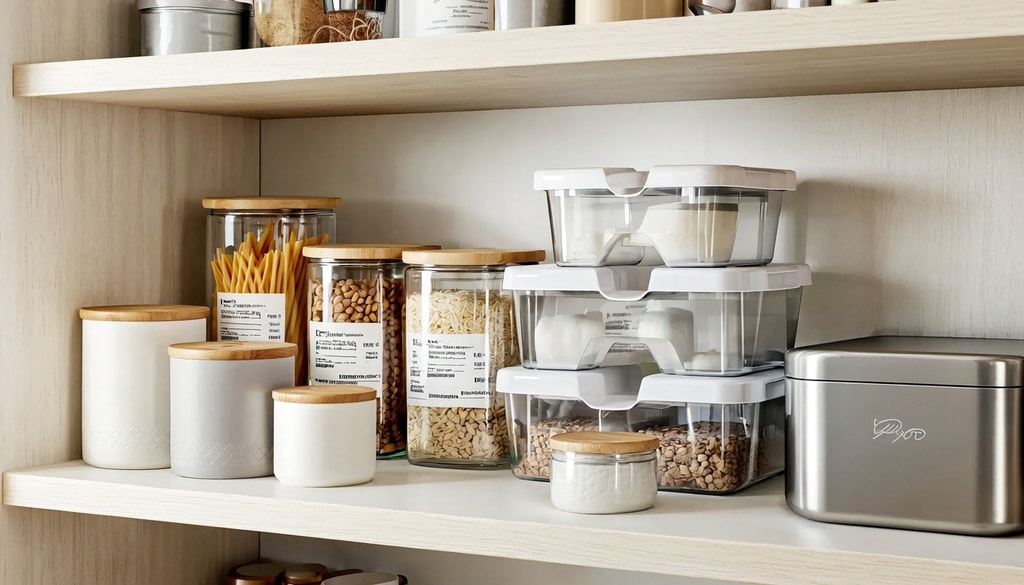
Discover essential monsoon food storage tips to eliminate moisture risks and extend ingredient freshness.
Photo Credit: iStock
Have you often opened a packet of biscuits only to find it all soggy? Or vegetables rotting within two to three days? Then read on․ Knowing what foods can be stored and how to preserve them can help prevent waste, save money, and keep your family healthy.
Also Read: Top 5 Freezer Boxes For Meal Prep Under ₹2,000 For Fresh And Easy Food Storage
Why Does Food Spoil Faster During Monsoon
Food spoils faster during monsoon because of high humidity. Moisture can enter food containers, cupboards and storage areas, creating ideal conditions for bacteria, moulds, and fungi to grow.
Bread that usually stays fresh can go stale in a day, and fruits that resist fungus early in the year will mould much faster. Dry goods like rice or pasta absorb moisture from the air, too. So keeping food safe demands special care when it's raining.
Keep Dry Foods Away From Moisture
Many people only think about refrigerated foods, but dry pantry items also need proper attention during the monsoon season.
1. Transfer Food Into Airtight Containers
Leaving rice, flour, pulses, sugar, and snacks in open packets allows moisture to easily enter. It is better to transfer them into airtight containers immediately after opening. Good quality containers help keep food fresh for longer and also keep insects away from it.
2. Store Containers In Cool And Dry Spaces
Never keep containers with food inside of them near areas that are airy like windows or damp walls. You won't even believe how quickly moisture can get transferred due to that. Even small amounts of moisture can affect food quality slowly over time. Kitchen cabinets that stay dry and have proper ventilation usually work the best for storage.
3. Check Pantry Items Weekly
Monsoon is really not the season to forget what is sitting at the back of the cupboard. Check grains, flour, spices, and snacks regularly for signs of moisture, bugs, or mould. Removing affected items early can prevent contamination from spreading to other things.
Store Fruits And Vegetables The Right Way
Fresh produce suffers the most during the monsoon season, honestly.
1. Avoid Washing Produce Before Storage
Many people wash fruits and vegetables immediately after buying. While it seems like a hygienic thing to do, extra water on produce actually speeds up spoilage. Washing should be done only when one is ready to use it.
2. Remove Damaged Pieces Quickly
One spoilt tomato or potato can affect everything that is stored around it quite easily. Check vegetables every couple of days and remove damaged pieces before they spread mould or bacteria to nearby items.
3. Use Refrigerator Storage Wisely
Not all fruits and vegetables should be stored in the refrigerator․ For example, some fruits do best if stored at room temperature, and leafy greens do better if stored in a perforated bag or container. A dry paper towel in the container will soak up moisture and make greens last longer․
Handle Cooked Food More Carefully During Rainy Months
Cooked food becomes risky much faster during the monsoon because warm temperatures and humidity together encourage bacterial growth quite rapidly.
1. Refrigerate Leftovers Within Two Hours
Leaving cooked food on the dining table for a long time increases the chances of contamination quite a lot. Once the food cools down a little, transfer it into clean containers and put them inside the refrigerator promptly.
2. Reheat Food Properly Before Eating
Partially reheated leftovers may still have harmful bacteria inside them. Curries, rice, soups, and other leftover foods should be heated thoroughly before serving anyone again.
Many households follow a simple habit of cooking smaller portions during the monsoon. This reduces leftover storage and also reduces food wastage.
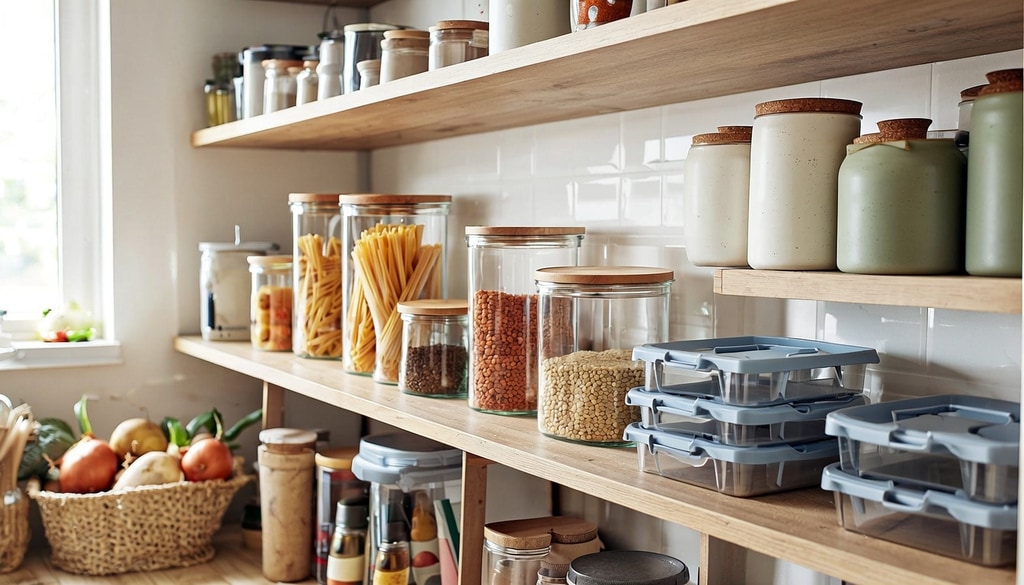
Protect your food from monsoon dampness by using proven techniques to maintain ultimate freshness.
Photo Credit: iStock
Small Kitchen Habits That Make A Big Difference
Food safety is not only about containers and refrigerators. Daily habits also matter a lot.
1. Keep Storage Areas Clean
Unclean storage areas can attract insects and encourage fungal growth. Wipe shelves, cabinets and containers regularly, and avoid leaving food uncovered in the kitchen.
2. Use Separate Spoons For Different Foods
You should never mix spoons. When using pickles, jams, sauces or chutneys, avoid putting wet or used spoons in the container.
3. Label Stored Items
Label containers with the purchase date or opening date, especially for grains, flour, snacks and leftovers. This makes it easier to track freshness and use older items first.
Preventing food spoilage during the monsoon season is relatively easy if you keep food in sealed containers, ensure shelves are dry, refrigerate leftovers, and check vegetables and other fresh produce are dry, and inspecting food quality regularly. You can properly store food and use a few kitchen tools to keep food fresher for longer and protect it from spoilage during the rainy season․
Some Food Storage Products You May Like
Food during monsoon should be stored in airtight containers, shelves should be kept dry, leftovers should be refrigerated quickly and fruits and vegetables should not be allowed to have excess moisture. Spoilage of food items should be checked regularly. Using proper food storage techniques and these kitchen tools can help you store food for longer and waste less during the rainy season.
1. Borosil 320ml Klip n Store Square Glass Food Storage Container with Airtight Lid
2. CELLO Checkers Kitchen Storage Container Box Set of 18 Pcs
3. Amazon Brand - Solimo Airtight Plastic Storage Jar and Container Set
4. MILTON Stacko 360 Airtight Plastic Storage Containers Set
5. VOLTURI Fridge Storage Containers
6. PRESCO Stainless Steel Teso Container Set
7. Satpurush Vacuum Fridge Storage Containers
8. Signoraware Family Fresh Tab BPA-Free Plastic Containers Set
Frequently Asked Questions (FAQs)
1. Why does food spoil faster during the monsoon?
Higher humidity creates favourable conditions for bacteria, moulds, and fungi to grow, which causes foods to deteriorate much more quickly than normal.
2. Is it safe to keep cooked food outside overnight during the monsoon?
No. Cooked food should generally be refrigerated within two hours to reduce the risk of bacterial contamination.
3. Should vegetables be washed before storing them?
It is better to wash vegetables just before using them. Extra moisture on vegetables can speed up spoilage during humid weather.
4. Which foods are most vulnerable to monsoon spoilage?
The most commonly affected foods include bread, dairy products, leafy vegetables, fruits, snacks, spices, and cooked leftovers.
5. How can I keep dry snacks crispy during the monsoon?
Storing them in airtight containers immediately after opening and keeping them away from moisture-prone areas of the kitchen usually helps quite well.
(Disclaimer: This article may include references to or features of products and services made available through affiliate marketing campaigns. NDTV Convergence Limited (“NDTV”) strives to maintain editorial independence while participating in such campaigns. NDTV does not assume responsibility for the performance or claims of any featured products or services.)














![Steam Iron Teflon Shoe Cover for ES-300,ST-96 [Only For ES-300 and ST-96 Model Electric Steam Irons]](https://m.media-amazon.com/images/I/51wwkttondL._SL160_.jpg)