Best Lightweight Kitchen Storage Containers: A Practical Buying Guide for Daily Use
A practical guide to choosing lightweight kitchen containers that resist cracks and odours. Learn what materials, lids, and designs actually last through daily use, heat and repeated washing. Improvise your kitchen storage with these tips to pick lightweight containers.
Kitchen Storage Buying Guide: Lightweight Containers That Do Not Crack Or Smell.
Every kitchen has that one shelf where mismatched containers live. Lids without boxes. Boxes without lids. A faint smell of last month's curry that refuses to leave. Storage containers promise order, but the wrong ones create chaos faster than a pressure cooker whistle. Lightweight containers sound ideal. They are easy to handle, quick to wash, and simple to stack. Yet many crack within months or hold onto smells like gossip in a neighbourhood. This buying guide cuts through that frustration. It focuses on containers that stay strong, remain odour-free, and fit everyday cooking habits. Think morning dal prep, afternoon snack storage, and bulk rice purchases before festival discounts hit.

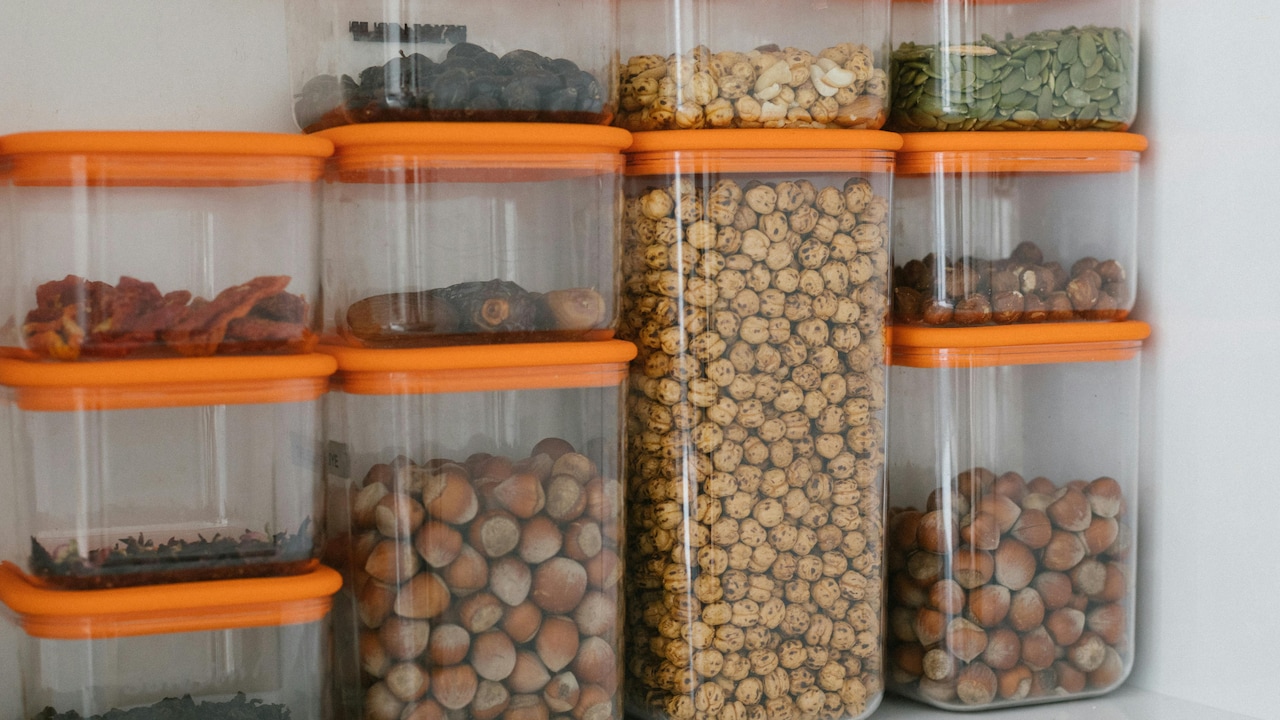
Explore handy tips to choose lightweight kitchen containers for easy storage; Photo Credit: Pexels
The goal stays simple. Choose containers that last, feel pleasant to use, and do not make the kitchen smell like yesterday's tadka. So, check out these best lightweight kitchen storage containers' buying guide now.
Also Read: Keep Your Kitchen Organised: Top 10 Grocery Containers For Kitchen
How To Choose Containers That Stay Strong and Odour-Free
1. Material Matters More Than the Brand Name
Lightweight containers usually come in plastic, glass, or steel-blend designs. Plastic dominates many kitchens because it costs less and feels easy to lift. Yet not all plastics behave the same way. Low-grade plastic cracks after a few drops and absorbs smells faster than a sponge. Look for food-grade plastic with clear markings and a slightly thicker feel. A good container bends a little under pressure but snaps back without stress marks.
Glass containers offer excellent odour resistance. They stay neutral even after storing masala pastes. The weight becomes a concern, though newer tempered glass designs reduce bulk. Steel-blend containers with plastic lids also work well for dry storage. They keep smells away and handle daily use without drama. Material choice decides whether containers survive monsoon humidity, crowded shelves, and regular washing. Picking wisely at this stage saves both money and patience later.
2. Lightweight Does Not Mean Flimsy
Many shoppers equate lightweight with weak. That assumption leads to avoiding good options. A well-designed container balances weight and strength. Thin walls often crack near corners, especially after hot food storage. Rounded edges distribute pressure better and reduce breakage.
Lift a container in the shop and tap it gently. A dull, solid sound signals quality. A sharp, hollow sound often means brittle plastic. Lightweight containers should feel comfortable in one hand, even when full of atta or rice. They should not wobble when placed on a flat surface. A stable base prevents spills during hurried cooking. Lightweight designs exist to make daily tasks easier, not to add replacement costs every six months.
3. Smell Resistance Starts With Surface Finish
Odour problems rarely come from the food alone. They come from microscopic scratches inside containers. Rough surfaces trap oil and spices, creating a lingering smell. Smooth interiors clean easily and resist absorption. Run a finger inside the container. A polished finish feels almost silky.
Avoid containers with cloudy interiors from the start. Cloudiness often signals porous plastic. Transparent containers help monitor contents and detect stains early. For spice mixes and fermented batters, choose containers advertised as stain-resistant. Glass remains the safest bet for strong aromas, but high-quality plastic also performs well when finished properly. A container that smells fresh after washing brings quiet joy during busy mornings.
4. Lid Design Can Make or Break the Experience
A good container means nothing without a reliable lid. Loose lids cause spills. Over-tight lids crack rims. Look for lids with silicone or rubber seals. These seals keep air out and freshness in. They also prevent leaks during fridge storage.
Flip-lock lids offer convenience but need sturdy hinges. Press-fit lids suit dry goods but struggle with liquids. Twist lids work well for chutneys and pickles. Test the lid by closing it once. It should seal smoothly without excessive force. A lid that needs wrestling will not age well. Proper lids also keep pests away, which matters greatly in warm climates. A secure seal protects both food and peace of mind.
5. Heat Tolerance Saves Time and Containers
Many kitchens reheat leftovers directly in containers. Heat tolerance becomes crucial here. Some plastics warp or release smells when exposed to hot food. Check temperature ratings before buying. Containers labelled microwave-safe usually handle heat better.
Allow food to cool slightly before storing. Sudden heat shocks cause cracks, especially in thin plastic. Glass handles heat gracefully but needs caution with direct flame. Steel containers should never enter microwaves but excel for countertop storage. Choosing the right heat-friendly container reduces transfers and dish clutter. Less transferring means less washing, which always feels like a small victory.

Opt for microwave-safe containers for quick reheating without damaging; Photo Credit: Pexels
6. Shape and Size Should Match Cooking Habits
Storage needs vary widely. A household that cooks fresh daily needs smaller containers. Bulk shoppers require larger ones. Square and rectangular shapes stack better and save shelf space. Round containers suit liquids and quick mixing.
Avoid buying sets with sizes that never get used. A practical mix works better. Medium containers suit sabzi leftovers. Tall containers store spaghetti or snack sticks. Wide containers hold rice or flour scoops comfortably. Lightweight containers should feel balanced when full. Oversized containers made from weak material often crack under weight. Choosing shapes that match cooking rhythm keeps shelves organised and stress levels low.
7. Durability Depends on Everyday Handling
Containers face daily abuse. They drop from counters, collide in sinks, and stack awkwardly in cupboards. Durability shows in how well containers handle this routine. Reinforced corners, thicker bases, and flexible lids extend life.
Avoid containers that feel brittle in cold weather. Temperature changes weaken poor plastic. A good container survives fridge storage and sunny countertops alike. Read care instructions carefully. Some containers tolerate dishwashers, while others prefer hand washing. Gentle care helps, but strong design matters more. Durable containers reduce waste and repeated spending, which always feels sensible.
8. Cleaning Ease Influences Long-Term Use
Containers that clean easily get used more often. Narrow mouths trap residue and frustrate cleaning. Wide openings allow proper scrubbing and air drying. Containers that stain quickly soon migrate to the back shelf.
Choose containers that resist oil stains and turmeric marks. Baking soda and sunlight help remove smells, but good material reduces effort. Dishwasher-safe containers save time for busy households. Lids should clean as easily as bases. Trapped moisture under seals causes mould. Easy-to-clean containers stay fresh longer and feel pleasant to use every day.
9. Budget Smart Without Cutting Corners
Quality containers do not always cost a fortune. Spending ₹600 on a durable set often beats replacing ₹300 sets repeatedly. Compare price per container rather than total price. Check thickness, lid quality, and finish before deciding.
Seasonal sales offer good deals, but avoid impulse buys. A well-chosen set lasts years. Mixing materials also saves money. Use glass for strong-smelling foods and plastic for dry goods. Smart budgeting balances cost and performance. Investing once brings long-term comfort and fewer kitchen annoyances.
10. Sustainability and Long-Term Satisfaction
Lightweight containers should not become disposable items. Sustainable choices reduce plastic waste and clutter. Reusable, durable containers support a cleaner kitchen and environment. Some brands offer replacement lids, extending container life.
Choose neutral designs that age well. Bright colours fade and look tired quickly. Transparent or muted tones stay timeless. Containers that remain crack-free and odourless bring quiet satisfaction. They make daily cooking smoother and storage calmer. Thoughtful choices today shape a kitchen that feels organised and welcoming tomorrow.
Products Related To This Article
1. Rice Dispenser
2. RILION 6 fridge storage boxes multipurpose containers for storage Space-saving
3. HomeWiz Fridge Storage Containers
4. RILION Multipurpose 6-in-1 Masala Box for Kitchen
5. 12 Set Glass Jars Set With Bamboo Airtight Lid And Lable
6. ANSQU Stainless Steel Food Storage Containers
7. YAGVIZ 6-Grid Rotating Food Dispenser
Kitchen storage containers shape everyday cooking more than expected. Lightweight options that resist cracks and smells simplify routines and protect food quality. Material choice, lid design, surface finish, and durability matter far more than flashy packaging. When containers stack neatly, clean easily, and stay fresh, the kitchen feels calmer. The right storage containers blend into life quietly, doing their job without fuss.
(Disclaimer: This article may include references to or features of products and services made available through affiliate marketing campaigns. NDTV Convergence Limited (“NDTV”) strives to maintain editorial independence while participating in such campaigns. NDTV does not assume responsibility for the performance or claims of any featured products or services.)






![Steam Iron Teflon Shoe Cover for ES-300,ST-96 [Only For ES-300 and ST-96 Model Electric Steam Irons]](https://m.media-amazon.com/images/I/51wwkttondL._SL160_.jpg)