Best Unbreakable Glass Food Storage Containers: Top 10 Things to Check Before You Buy
For the best unbreakable glass food storage containers, check durability, lid sealing, material quality, capacity, stackability, microwave, freezer safety, warranty, and much more before buying.

Best Unbreakable Glass Food Storage Containers: What To Check Before Buying.
Everyone has that one drawer or shelf in the kitchen that's a battlefield of containers, mismatched lids, cracked plastics, and suspicious stains. In a country where leftovers become tomorrow's lunch and festive sweets are lovingly passed around in boxes, storage containers are more than just kitchen accessories. They're little guardians of taste, freshness, and hygiene.
The rise of “unbreakable glass containers” has caught the attention of health-conscious families. Unlike plastic, glass doesn't absorb odours or leach chemicals into food. But let's face it, glass also carries a reputation for shattering at the slightest fall. That's where modern innovations have changed the game. Toughened, borosilicate, or tempered glass containers promise durability, style, and safety all in one.
Before rushing to grab a set during the next online sale, there are some vital checkpoints to consider. To get the best unbreakable glass food storage containers, check quality, seal, size, stackability, safety, warranty, weight, lid, cleaning ease, and brand before buying. Think of it as a checklist to ensure your kitchen gets containers that last longer than a cricket season.
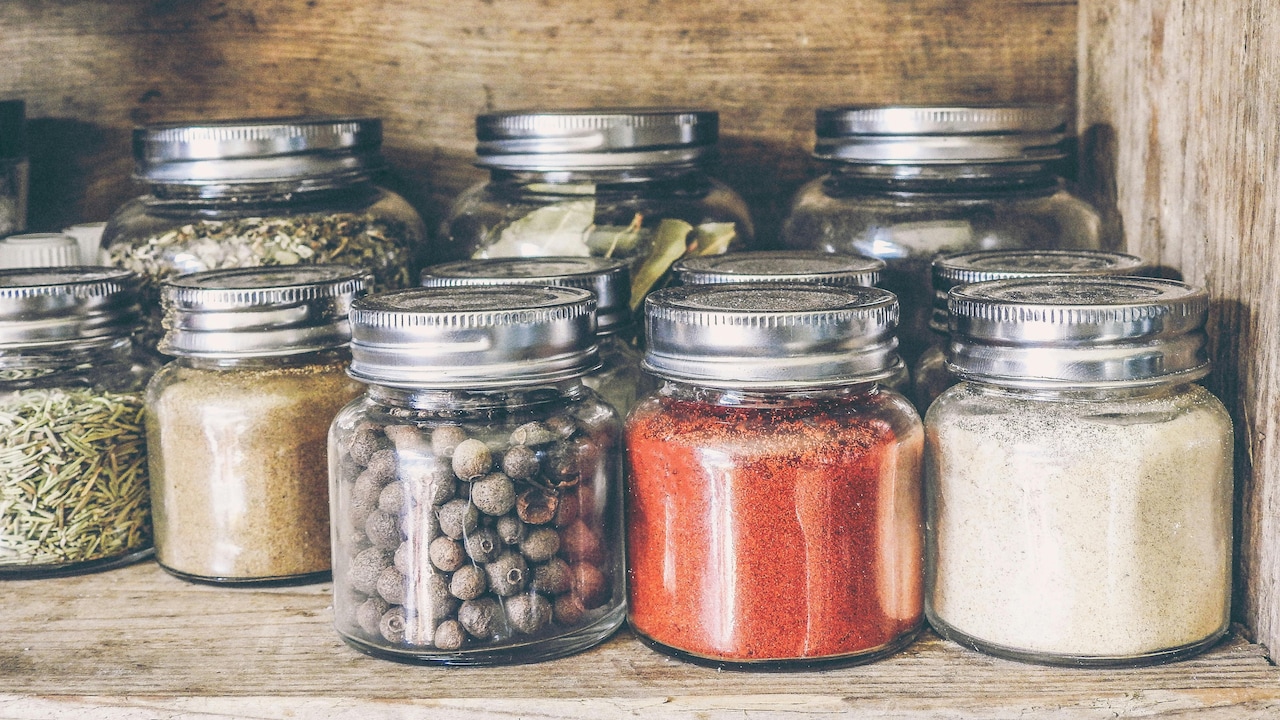
Food tastes better when it's stored well. And for many, that means ditching flimsy plastic and switching to strong, reliable glass containers. The real question is: what should one look for before buying them?
Photo Credit: Pexels
Key Factors To Consider Before Buying
1. Type of Glass Used
Not all glass is the same. Some are delicate like the wine glasses used only on Diwali, while others are sturdy enough to survive a tumble. Borosilicate glass is the champion here, it resists thermal shock, meaning it won't crack if hot dal goes in straight after refrigeration. Tempered glass, on the other hand, is heated and cooled to make it extra tough, commonly used in ovenware.
When shopping, check the label. A container made from soda-lime glass might be cheaper, but it's more likely to break. Paying a little extra for borosilicate is like choosing a sturdy suitcase over a cardboard box, you know it will go the distance. For everyday use, especially in busy households where the fridge door opens every half hour, durability matters more than aesthetics.
So, the first rule is simple: don't just buy glass, buy the right kind of glass.
2. Strength Against Breakage
The phrase “unbreakable glass” sounds almost mythical. Let's clear the air, no glass is entirely unbreakable. But some are designed to be far more resistant to chips and cracks. If you're the sort who rushes around in the morning, juggling chai, toast, and tiffin prep, then durability should be at the top of your list.
Drop a good borosilicate container from waist height, and chances are it will survive. A flimsy one? You'll be sweeping shards before breakfast. Also, thickness plays a role. Too thin and it becomes delicate, too thick and it feels like lifting a dumbbell. The sweet spot is a balanced weight that feels sturdy in your hand without straining your wrist.
Check reviews online, many users will openly share whether a container survived a kitchen slip or met its end. It's worth listening to real stories before investing. After all, ₹500 saved today is no comfort if the container shatters tomorrow.
3. Heat and Cold Resistance
One of the biggest reasons people switch to glass is its ability to handle both steaming hot curries and chilled desserts. Imagine transferring piping hot sambhar into a container that cracks like thin ice, that's money and dinner wasted in one go.
Borosilicate glass shines here because it can handle extreme temperature swings. Look for containers that can move safely from freezer to microwave, or from oven to dining table. This flexibility is priceless in homes where reheating is a daily routine.
But beware, always check the manufacturer's guidelines. Some containers can take the heat but not direct flames. Don't place one on the gas stove unless you want a kitchen drama worthy of a TV serial.
When a product promises versatility, freezer, microwave, oven-safe, be sure it really means it. Reliable brands usually print icons on the box. If you don't see them, assume limitations. It's better to double-check than double-spend.
4. Lid Quality and Seal
Let's be honest, no one wants curry leaking into the fridge or sabzi spilling in the lunch bag. A glass container is only as good as its lid. Strong, airtight lids lock in freshness and keep odours where they belong.
Look for lids with silicone rings that create a tight seal. Clip-lock mechanisms are another bonus, they make it easier to carry gravies to the office without wrapping everything in layers of newspaper. Avoid containers where the lid feels flimsy or bends easily. If it looks like it can't hold up against one round of rasam, it probably can't.
Also, test whether the lids are easy to clean. Some cheap versions trap oil in the grooves, making scrubbing a nightmare. Quality lids come apart or wash clean without fuss. Remember, a container is a long-term investment. A poor lid design will make you abandon the glass base itself, which is a waste of money.
5. Size and Shape Options
Every kitchen has its own rhythm. Some prefer deep containers for biryanis, while others need slim, stackable boxes for chutneys and pickles. Before buying, think about your household needs. Buying a set with only giant bowls might look impressive but won't serve for storing half a lemon.
Stackable, square or rectangular shapes save fridge space. Round ones are good for curries and dals. If you're someone who carries lunch daily, medium-sized containers with snug lids are a blessing. Families who cook in bulk should look for larger options that can freeze neatly.
A good container set offers variety, small, medium, large, so you're never stuck putting two spoonfuls of sabzi in a giant bowl. Think of it like buying clothes; one size never fits all occasions. In the long run, having the right mix makes the kitchen more organised and stress-free.
6. Weight and Portability
Glass has a downside: it's heavier than plastic. And while unbreakable glass is sturdier, it often adds extra grams. Imagine carrying a heavy container in your office bag daily, it feels like sneaking a dumbbell into your laptop case.
Look for containers that balance durability with manageable weight. Good brands engineer designs that are strong without being bulky. If portability is important, say, for school tiffins or travel meals, test the weight before committing.
Also consider grip. Some containers come with textured sides, making them easier to hold when hands are wet or oily. Smooth, glossy glass may look chic but can slip faster than a pakora in hot oil. Practicality trumps show when you're rushing in the morning.
Remember, the aim is convenience, not a mini workout session every time you carry leftovers.
Also Read: 5 Airtight Pantry Containers That Lock In Freshness And Keep Snacks Crunchy
7. Compatibility With Appliances
In modern kitchens, convenience often means using multiple appliances. You want a container that can go from freezer to microwave, sometimes even into the oven, without drama. Not all glass containers are cut out for this journey.
Check if the container is microwave and dishwasher safe. Some cheap versions might fog up, warp, or even crack when exposed to repeated heating. A good borosilicate set will clearly state its compatibility. Oven-safe containers are a big plus if you enjoy baking or reheating directly before serving.
Dishwasher compatibility is another life-saver. If you're washing by hand, glass can be slippery, especially with soapy hands. A dishwasher-friendly design ensures it comes out sparkling without extra effort.
Think of it as teamwork, your container should work in harmony with your appliances. Otherwise, you'll end up juggling utensils instead of simplifying life.
8. Health and Safety Considerations
Many people switch to glass storage because of health concerns linked with plastic. And rightly so. Glass is non-porous, which means it doesn't absorb stains, smells, or chemicals. No more suspicious odours clinging to your dahi.
But safety goes beyond avoiding plastic. Some cheap glass containers use substandard materials or poor-quality lids that may contain toxins. Look for BPA-free lids and food-grade certifications. Reliable brands often highlight these details, and they're worth the attention.
For households with children, rounded edges and spill-proof designs matter too. A sharp-edged lid or fragile rim can cause small injuries, and no one wants kitchen accidents while packing parathas.
Health and safety aren't luxuries; they're necessities. A little vigilance ensures your kitchen remains not just efficient, but also worry-free.
9. Price Versus Value
It's tempting to grab a container set during a flashy online sale, but price should never be the only deciding factor. Cheap containers may save ₹200 today, but constant replacements will drain more in the long run.
Quality glass containers can feel expensive initially, but they're built to last. Consider it like buying a pressure cooker, you don't replace it every year. The better the material, the longer it will serve. Look for warranties; some brands offer a year or more of coverage, which is a reassuring sign of confidence in their product.
Also, think value in terms of daily usage. If a container keeps food fresh, prevents leaks, and saves space, it's paying for itself every day. A small splurge on quality saves bigger headaches later.
10. Brand Reputation and Warranty
In a market crowded with choices, brand reputation can be a guiding light. Established brands usually invest in quality checks, and their after-sales support makes a difference. A warranty shows they're confident their product won't let you down.
Look for reviews, not just on e-commerce sites but also in kitchen forums or community groups. If dozens of people mention a lid snapping after three months, believe them. A reliable brand might cost a little extra, but peace of mind is priceless.
Some brands even replace lids separately, saving you from tossing out an entire container. That small detail reflects thoughtful design and customer care. In the end, trust plays as much a role as glass strength.
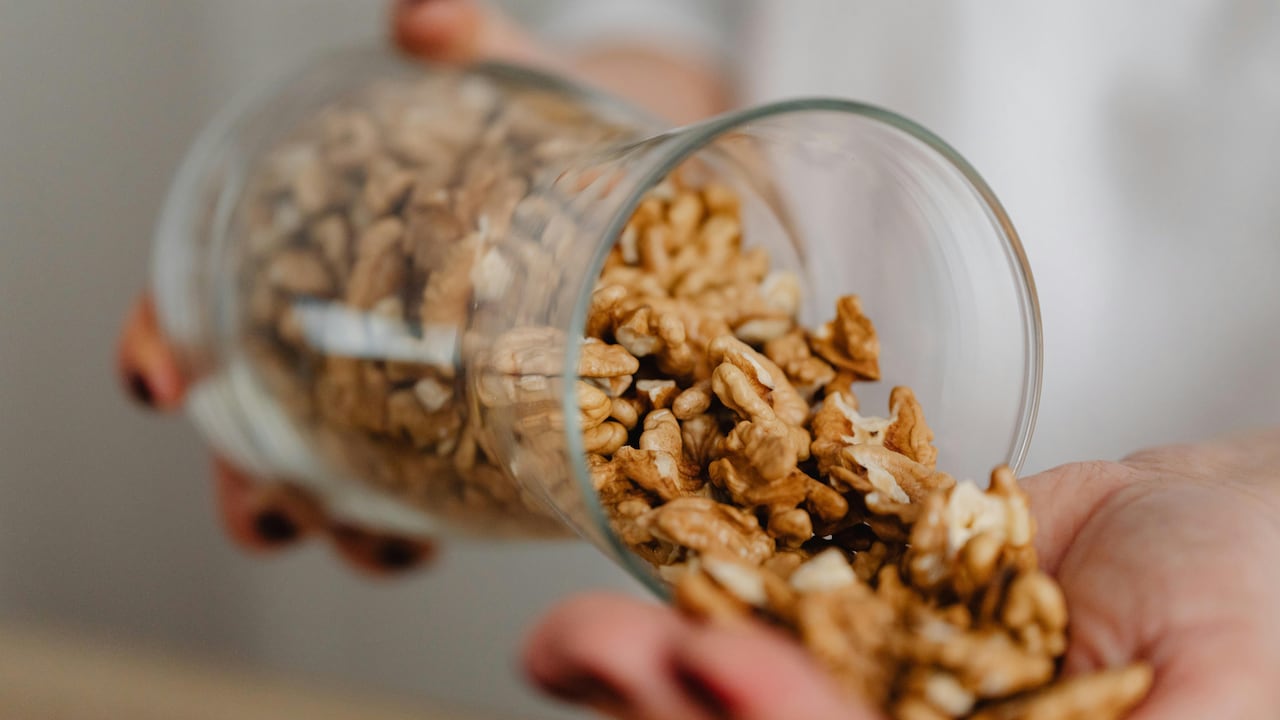
Unbreakable Glass Food Storage Containers: 10 Must-Know Tips; Photo Credit: Pexels
Products Related To This Article
1. LELART 280 ml Square Glass Jars with Airtight Bamboo Wooden Lids
2. SITOVI Transparent Glass Jar and Container Air Tight Black Lid
3. Vency Glass Square Shape Transparent Glass Jars
4. Nestasia Glass Containers for Kitchen Set of 6-400ml
5. VOLTURI Air Tight Kitchen Containers Set of 6
6. Brezzycloud 12 Set Glass Jars Set With Bamboo Airtight Lid And Lable
7. STAR WORK- 1500 Ml Clear Glass Storage Jar With Lids
Unbreakable glass food storage containers are more than just shiny kitchen additions, they're practical tools that make daily life easier. From the type of glass to the quality of lids, from size options to brand reputation, every detail matters. The right set will keep food fresh, reduce waste, and save you from countless frustrations.
Think of them as silent partners in your kitchen routine. They don't demand attention, but they make sure your dal, roti, and kheer are stored safely, waiting to be enjoyed again. Investing wisely today means fewer spills, less stress, and more delicious meals tomorrow. Shop now on Amazon.








![Steam Iron Teflon Shoe Cover for ES-300,ST-96 [Only For ES-300 and ST-96 Model Electric Steam Irons]](https://m.media-amazon.com/images/I/51wwkttondL._SL160_.jpg)