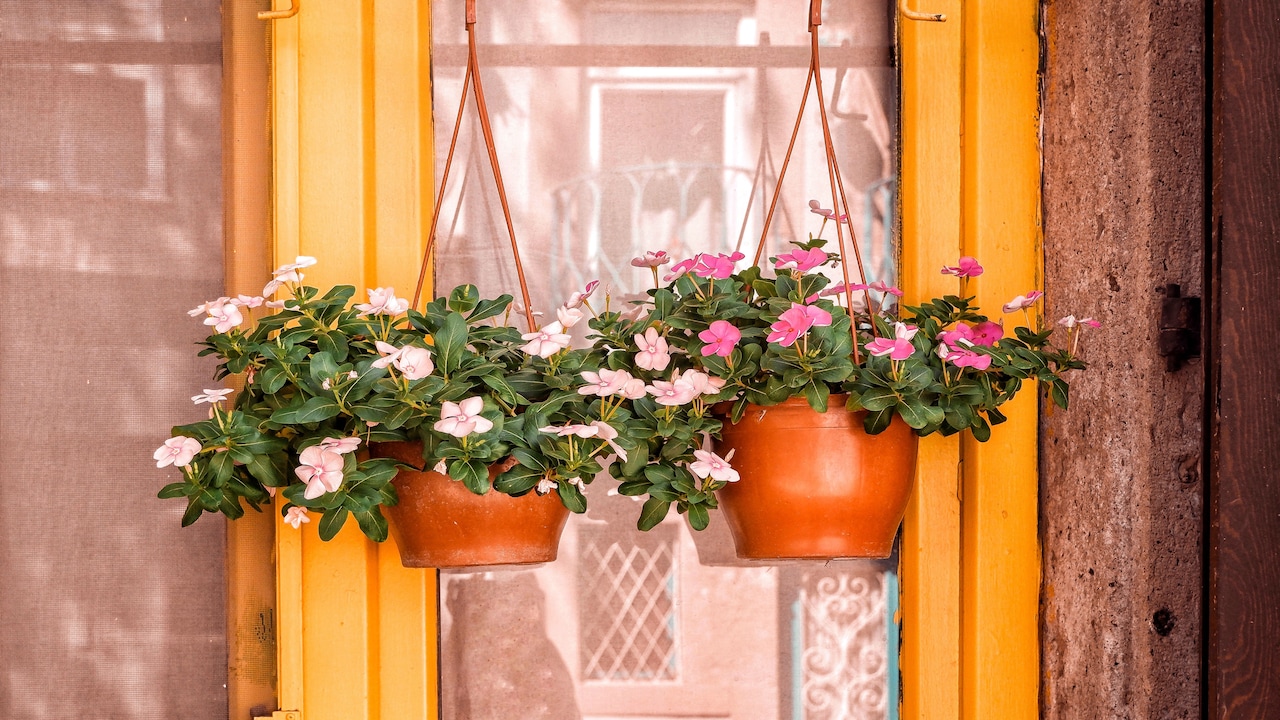
Macrame Wall Decor Mistakes: Styling Errors Making Your Home Interiors Look Messy
Macramé can add warmth and character, but only when styled right. From wrong sizing to cluttered walls, these common macramé décor mistakes may be quietly making your home look messy instead of mindful. Make your macrame hangings aesthetic with these styling tips.
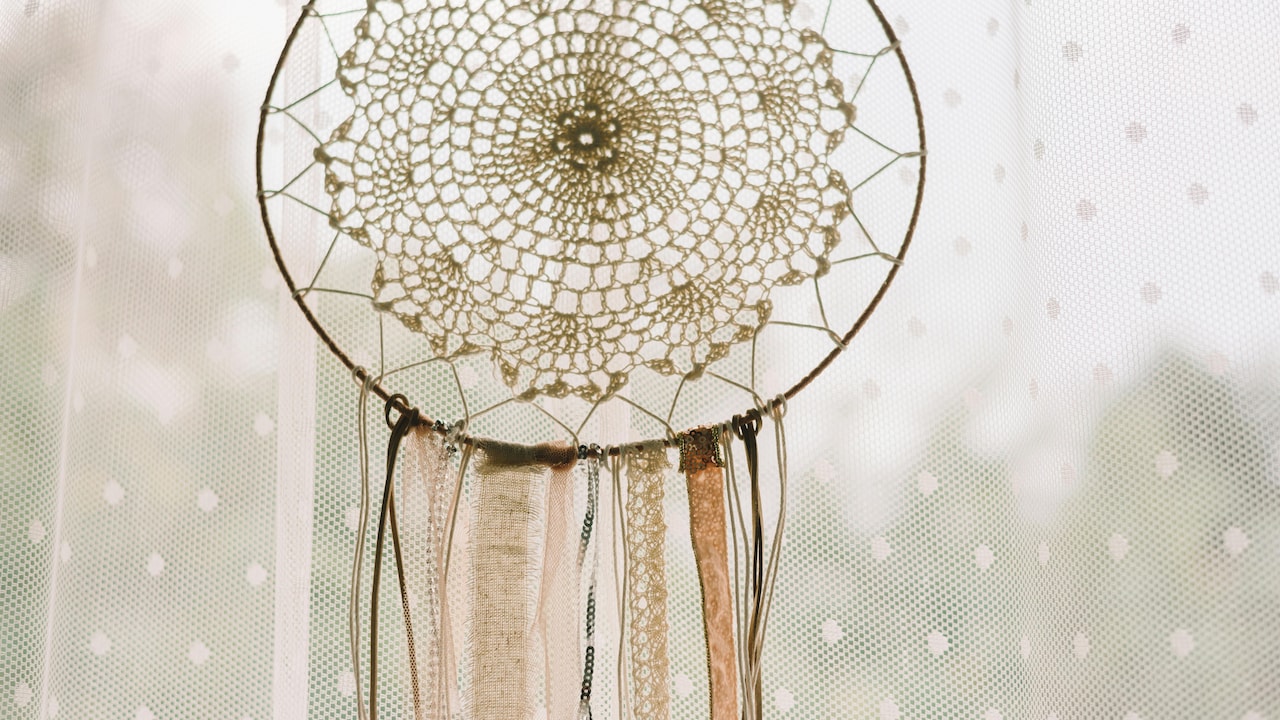
Why Your Macrame Wall Decor Looks Cluttered And The Styling Mistakes Behind It.
Macrame has made a strong comeback in modern homes. Those knotted cotton cords bring softness to concrete walls, warmth to neutral rooms, and a relaxed, handcrafted charm that flat art often lacks. Done right, decor pieces like macrame looks thoughtful and inviting. Done wrong, it can make even a well-furnished home feel chaotic, unfinished, or oddly cluttered. The issue isn't macrame itself. It's how easily it gets overused, mismatched, or placed without considering proportion, colour, or breathing space.
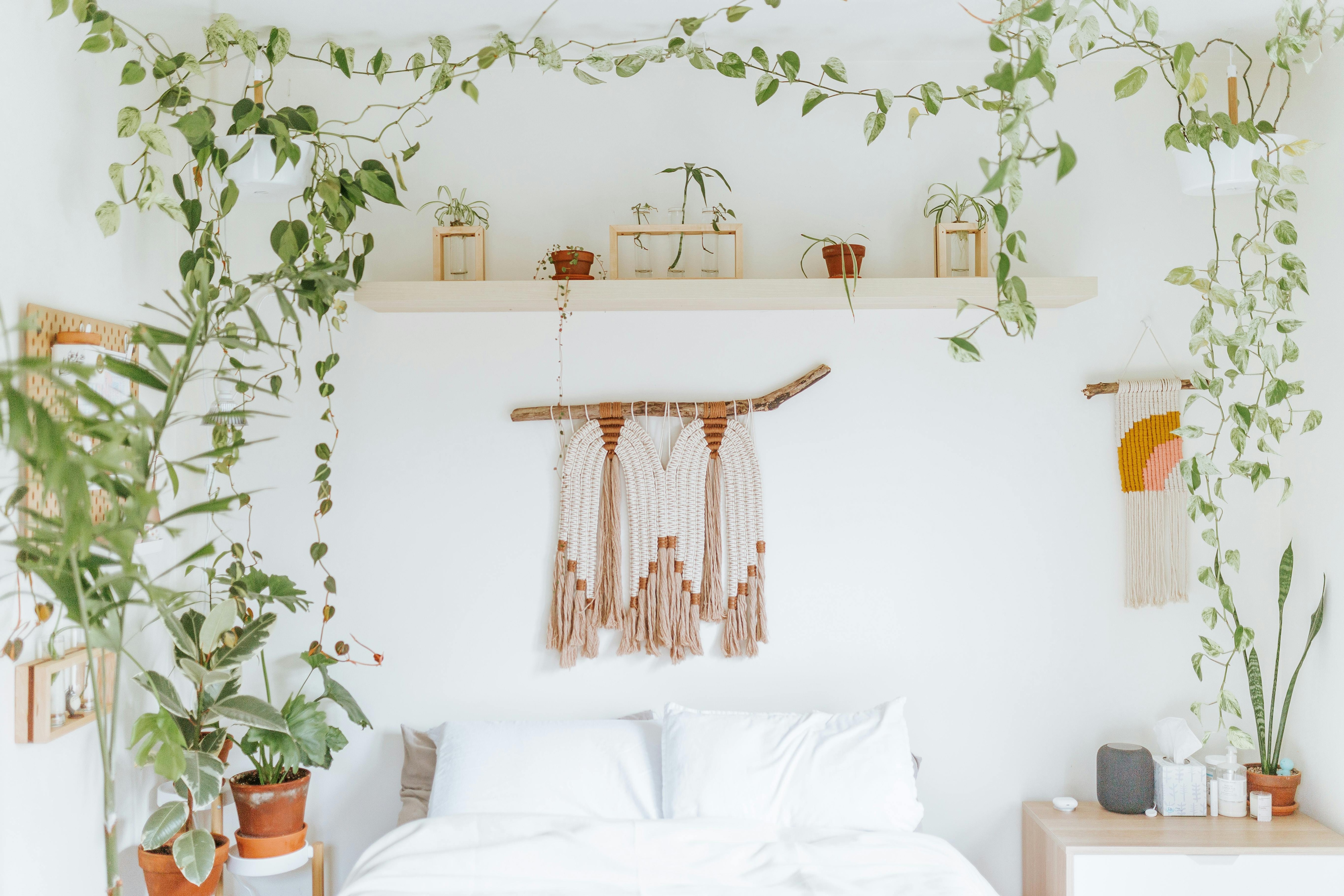
Here are easy tips to style your macrame hangings the right way; Photo Credit: Pexels
This guide breaks down the most common macrame wall decor mistakes that quietly sabotage interiors. Each one is easy to fix, budget-friendly, and far more about styling sense than spending more money. If macramé is starting to feel messy rather than magical at home, chances are one of these errors is the reason.
Also Read: Top 5 Wall Shelves Under ₹500 That Make Empty Walls Look Like Pinterest Goals
Before You Fix It, Spot These Macrame Styling Errors
1. Choosing the Wrong Size for the Wall
One of the most common macramé mistakes starts with size. A tiny macramé piece floating on a large wall often looks lost, like an afterthought. On the other hand, an oversized wall hanging squeezed into a narrow corner can feel bulky and suffocating.
Walls, much like furniture, need proportion. A macramé above a sofa should roughly span two-thirds the width of the seating below. Over a bed, it needs enough visual weight to balance the headboard rather than disappear behind cushions and throws.
Many homes end up with the wrong size because macramé is often bought online. That “medium” hanging might look generous in photos, but arrive far smaller than expected. Before buying, measure the wall and mark the intended width with tape. It sounds basic, but it saves disappointment.
If the wall is too large for a single piece, consider layering thoughtfully, one statement macramé paired with subtle wall shelves or framed art nearby, not another competing hanging.
2. Overcrowding the Wall with Too Many Pieces
Macramé has a way of multiplying. One piece looks nice, so another gets added. Then a plant hanger joins in. Soon, the wall resembles a craft market stall rather than a living space.
Boho doesn't mean busy. When multiple macramé pieces share the same wall, their textures blur together. Instead of visual interest, the result feels tangled and chaotic.
A good rule: let one macramé piece be the hero. Everything else should support it, or step aside. If the urge to display multiple pieces feels strong, spread them across rooms. A small hanging works well in a reading corner or hallway, while a larger one anchors the living room.
Walls need negative space to breathe. Empty space isn't wasted; it allows texture and craftsmanship to stand out. Ironically, fewer pieces often make a home look more styled and intentional.
3. Ignoring the Colour Palette of the Room
Natural cotton macramé is versatile, but that doesn't mean it works everywhere automatically. Placing beige or off-white macramé against cream walls can flatten the space. Against bold or dark walls, the same piece might suddenly shine.
Problems arise when macramé clashes subtly, warm-toned cords in a cool grey room, or stark white knots fighting earthy décor elements. The mismatch feels off, even if it's hard to pinpoint why.
Look at the room's palette first. Are the undertones warm or cool? Are there wooden elements, brass accents, or matte black fixtures? Choose macramé shades that echo these details.
For colourful rooms, consider dyed macramé in muted terracotta, sage, or charcoal tones. They feel intentional without screaming for attention. When macramé complements rather than competes, the room instantly feels calmer and more cohesive.
4. Hanging Macramé Too High or Too Low
Height matters more than most people realise. Hang macramé too high, and it feels disconnected from the rest of the room. Too low, and it interferes with furniture, switchboards, or everyday movement.
In living rooms, macramé should usually sit at eye level when standing or just slightly lower when placed above furniture. Bedrooms follow a similar rule, centred above the headboard rather than creeping up towards the ceiling.
A common mistake is aligning macramé with curtain rods or ceiling hooks simply because they're already there. Convenience shouldn't decide placement. Take a moment to step back and see how the piece interacts with furniture lines and wall proportions.
If drilling feels daunting, adhesive hooks can help test positioning before committing. A few centimetres up or down can be the difference between styled and sloppy.
5. Treating Macramé as a Filler, Not a Feature
Macramé often becomes a gap-filler, something added because a wall looks empty. That mindset shows. When macramé is chosen last, without thought, it rarely looks right.
Instead, treat macramé like art. It needs intention. Ask what role it plays. Is it softening a stark wall? Adding texture to a minimalist room? Balancing heavy wooden furniture?
When macramé has a purpose, styling becomes easier. Surrounding elements, lighting, plants, and cushions can then echo its texture or tone. Without a clear role, macramé floats awkwardly, neither statement nor subtle accent.
An empty wall isn't always a problem. Sometimes, restraint is the best design choice. Adding décor just to fill space often creates visual noise rather than warmth.
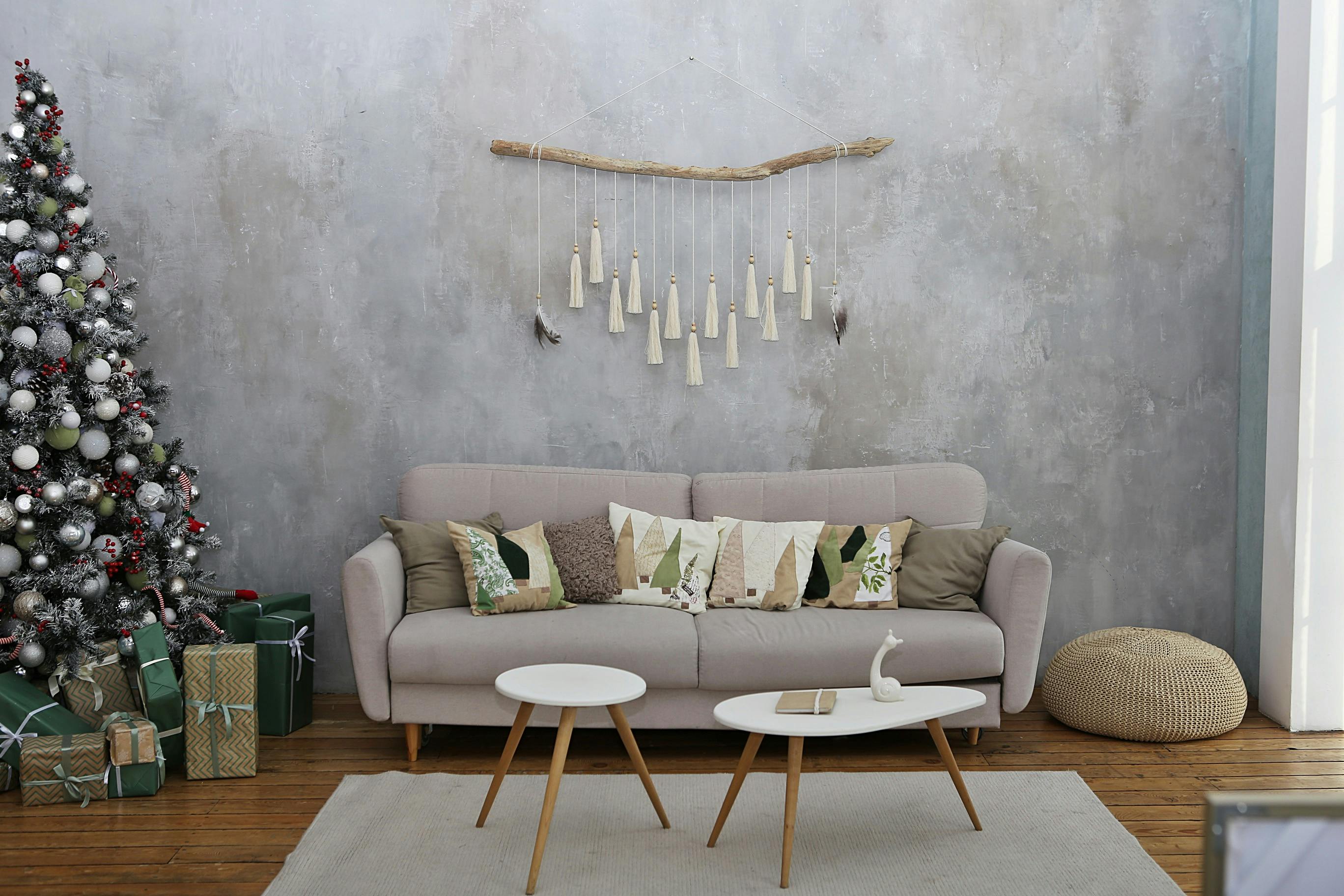
Use macrame hanging as a feature and not just a filler; Photo Credit: Pexels
6. Pairing It with the Wrong Furniture Style
Macramé loves contrast, but not confusion. Pairing intricate, boho-style knots with ultra-glossy, futuristic furniture can feel jarring. Likewise, heavy traditional furniture paired with delicate macramé may feel mismatched.
This doesn't mean everything must follow one style. The key lies in balance. Macramé pairs beautifully with solid wood, linen upholstery, cane chairs, and neutral fabrics. With modern furniture, it works best when the rest of the palette stays calm and uncluttered.
Problems arise when macramé competes with ornate furniture, bold wallpapers, or busy upholstery. Too many patterns and textures pull the eye in different directions.
When in doubt, simplify around the macramé. Let it be the textural star rather than one element among many fighting for attention.
7. Forgetting About Maintenance and Dust
Macramé may look soft and airy, but it's a magnet for dust. Ignoring upkeep makes even the most beautiful piece look tired and grey over time.
Many homes hang macramé in areas with poor airflow, above beds, near windows, or beside kitchens, then forget about it entirely. Dust settles into the knots, dulling the colour and making the wall look unclean.
Maintenance doesn't require much effort. A quick shake outdoors every few weeks helps. For deeper cleaning, gentle vacuuming with a brush attachment works well. Some pieces can even be hand-washed and air-dried, though labels should always be checked.
Clean macramé instantly lifts a room. Neglected macramé quietly drags it down.
8. Overloading It with Plants and Accessories
Macramé and plants are a classic pairing, but excess ruins the effect. Hanging planters, fairy lights, beads, and tassels all around the same wall can quickly tip into visual clutter.
When every element tries to be “boho,” the charm disappears. Plants should complement macramé, not overwhelm it. One trailing plant nearby often works better than several competing for attention.
Similarly, avoid wrapping fairy lights directly onto intricate knots. It looks festive for a week, then messy for months. Lighting should highlight macramé, not tangle with it.
Think in layers: macramé as texture, plants as life, lighting as ambience. Each should have its own space.
9. Using Poor-Quality or Overly Trendy Pieces
Not all macramé is created equal. Thin cords, uneven knots, or synthetic fibres can cheapen the look instantly. While budget options are tempting, overly flimsy pieces often lose shape and charm quickly.
Trendy designs, excessive fringes, exaggerated patterns, may look exciting now but date fast. A year later, they often feel out of place.
Timeless designs age better. Clean lines, balanced knots, and natural fibres blend into changing décor styles effortlessly. Spending a little more upfront or choosing simpler designs often saves money and frustration in the long run.
Macramé should feel artisanal, not mass-produced décor trying too hard.
10. Not Considering Lighting Around the Piece
Lighting can make or break macramé styling. Poor lighting flattens texture, making knots disappear into the wall. Harsh overhead lights cast awkward shadows that exaggerate messiness.
Soft, directional lighting works best. A warm wall sconce or a nearby floor lamp highlights the depth and craftsmanship of macramé beautifully. Natural daylight also plays a huge role, macramé looks its best when light gently filters across it.
Ignoring lighting often leaves macramé looking dull or heavy. Thoughtful lighting, on the other hand, turns it into a focal point that feels warm and intentional.
Products Related To This Article
1. Decazone Macrame Indoor Wall Hanging Shelf Chic Decor Wood
2. LOVE N BEYOND Macrame Wall Hanging, Handmade Leaf Design with Wooden Beads
3. Cotton Macrame Wall Hanging Shelf For Home Decor Set Of 2-Pieces
4. Macrame Indoor Wall Hanging Floating Shelves for Wall Decor
5. DXYZ Macrame Dream Catcher
6. V BOHO handmade macrame Wall Hanging
7. Wall 21 Shiv Charan Wall hanging Macrame Boho Bohemian Nordic Cotton Woven Wall Decor Tapestry
Macramé wall décor isn't messy by nature; misplaced styling choices make it so. From wrong sizing and cluttered walls to ignored maintenance and poor lighting, these mistakes quietly undo the charm macramé promises. When styled with intention, macramé adds warmth, texture, and personality that few décor pieces can match.
(Disclaimer: This article may include references to or features of products and services made available through affiliate marketing campaigns. NDTV Convergence Limited (“NDTV”) strives to maintain editorial independence while participating in such campaigns. NDTV does not assume responsibility for the performance or claims of any featured products or services.)






![Steam Iron Teflon Shoe Cover for ES-300,ST-96 [Only For ES-300 and ST-96 Model Electric Steam Irons]](https://m.media-amazon.com/images/I/51wwkttondL._SL160_.jpg)