Round Coffee Tables vs Rectangular Designs: Which Works Better In Compact Flats?
Round or rectangular coffee table? The right shape can make a compact flat feel spacious, stylish, and practical. Here’s how both designs affect movement, storage, comfort and everyday living.
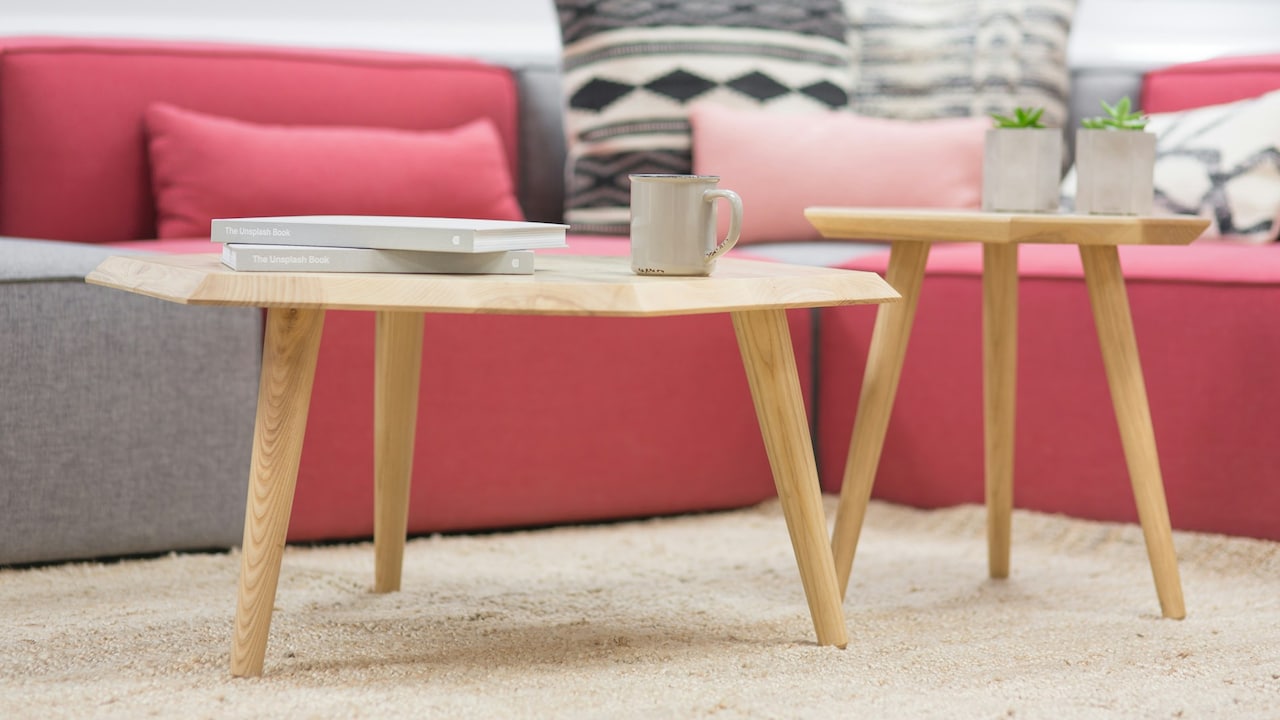
Round vs rectangular coffee table which one is a better choice
Compact flats have mastered the art of making every square foot work overtime. One corner becomes a work desk by day and a dining spot by night. Balconies double up as tea zones. Ottomans hide blankets, chargers, and sometimes snacks nobody wants to share. In homes where space behaves like a luxury item, furniture choices matter far more than most people expect. The coffee table sits quietly at the centre of this balancing act. It holds cups of chai during cricket matches, catches TV remotes before they disappear forever, and occasionally becomes a temporary laptop desk during rushed work calls. Yet many people buy one simply because it “looked nice online” during a midnight scrolling session.
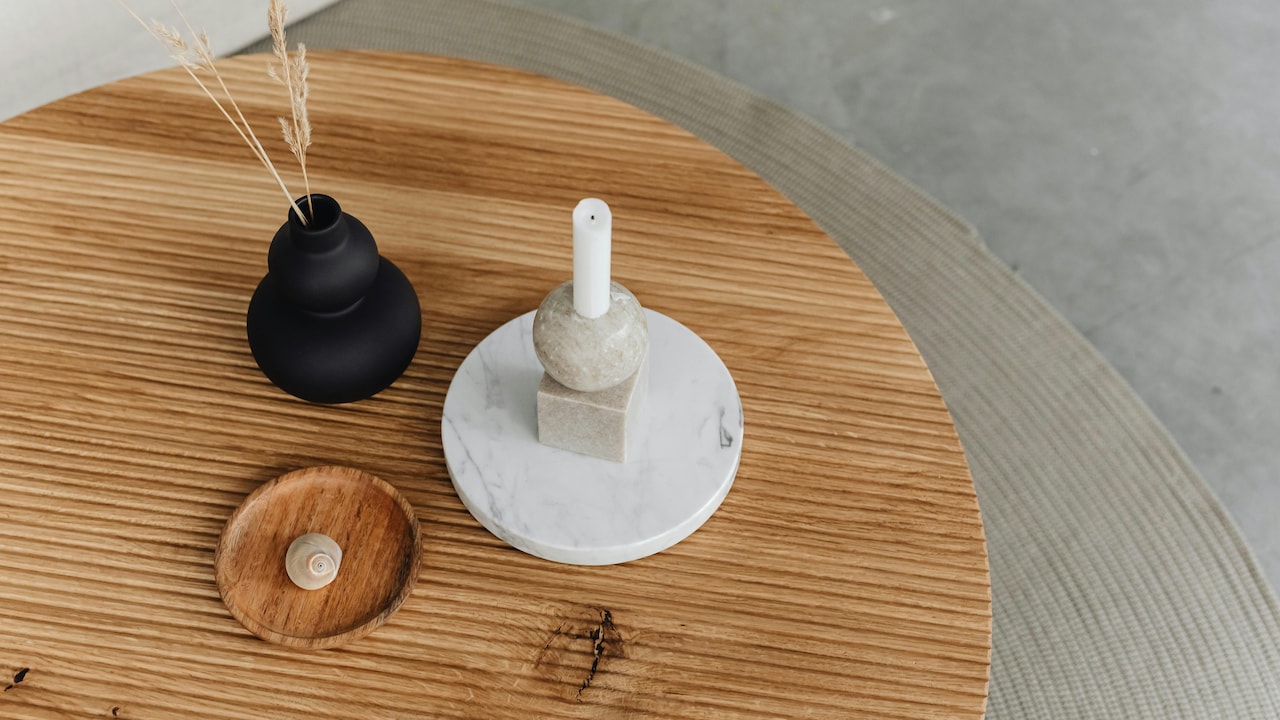
How to choose between round vs rectangular coffee table; Photo Credit: Pexels
The shape of a coffee table changes how a room feels, moves, and functions. Round tables create softness and flow. Rectangular designs bring order and practicality. Both can work brilliantly in compact flats, but the wrong choice often makes a room feel cramped, awkward, or surprisingly chaotic.
The debate between round and rectangular coffee tables has become increasingly relevant as urban homes continue shrinking while furniture trends continue growing larger. A stylish table may look stunning in a showroom with soaring ceilings, but inside a compact living room, reality arrives quickly.
So which design truly works better? The answer depends on lifestyle, layout, movement, and even how many guests regularly appear during festival weekends with zero warning.
Also Read: 10 Best Coffee Table Shapes To Match Your Sofa And Living Room Design
Round Coffee Tables Vs Rectangular Designs In Compact Flats
Why Shape Matters More Than Size
Many homeowners focus entirely on dimensions while shopping for a coffee table. They measure width carefully, compare prices around ₹8,000 to ₹25,000, and worry about matching wood tones. Yet shape quietly influences how spacious a room feels far more than a few centimetres here or there.
A round coffee table naturally softens visual clutter. Since it lacks sharp corners, the eye moves smoothly around the room. This creates an airy feel that works beautifully in compact flats where every bulky edge feels magnified. Walking around a round table also feels easier, especially in living rooms where sofas sit close to walls.
Rectangular tables operate differently. They mirror the straight lines already present in most homes. Sofas, TV units, rugs, and walls usually follow rectangular forms, so a matching table creates structure and visual balance. In narrow living rooms, this alignment can actually make the space appear more organised.
The shape also changes with daily movement. In smaller homes, people constantly navigate around furniture while carrying laundry baskets, grocery bags, or cups of tea balanced with dangerous optimism. A badly placed corner becomes unforgettable after the third bruised knee.
Shape influences conversation, too. Round tables encourage equal interaction because nobody occupies a “head” position. Rectangular tables feel more formal and directional. That subtle difference matters during family gatherings, game nights, or long evening chats over samosas and endless gossip.
Round Coffee Tables Create Better Movement
One of the strongest arguments for round coffee tables lies in mobility. Compact flats rarely offer generous walking space. Furniture placement often resembles advanced-level Tetris. In such layouts, smooth movement becomes essential.
Round tables eliminate harsh corners that interrupt pathways. This works especially well in homes with children, elderly family members, or pets zooming through rooms at impossible speeds. Nobody enjoys apologising to guests after they collide with a sharp wooden edge while reaching for snacks.
The curved design creates a gentler visual rhythm. Rooms instantly feel less rigid. Even compact spaces gain a relaxed atmosphere because circular furniture naturally breaks monotony. Designers often use this trick in smaller flats to prevent spaces from feeling boxed in.
Round tables also suit open-plan layouts where living and dining spaces blend together. Since they occupy space without creating harsh boundaries, they allow rooms to flow naturally. This becomes useful in studio apartments or modern flats where one area performs multiple functions.
Another advantage appears during social gatherings. Round tables allow people to sit from different angles comfortably. During festive evenings or casual chai sessions, guests can move around without awkwardly squeezing between corners and furniture edges.
However, round tables do require careful sizing. A very small round table often disappears visually and lacks practical surface area. An oversized one creates the opposite problem by swallowing valuable floor space. Finding the right balance becomes crucial.
Rectangular Coffee Tables Offer More Practical Surface Space
While round tables charm with elegance, rectangular designs quietly dominate practicality. Their shape simply accommodates more objects without looking cluttered.
A rectangular table works particularly well for households where the living room functions as a multi-purpose zone. Morning newspapers, laptops, snacks, remote controls, charging cables, and unfinished coffee mugs somehow gather there throughout the day. A longer surface handles this chaos more efficiently.
Compact flats often feature narrow living rooms with standard three-seater sofas. Rectangular coffee tables align naturally with these layouts. The proportions feel intentional rather than squeezed into place. Everything appears visually anchored.
Storage options also improve significantly with rectangular designs. Many include lower shelves, drawers, or lift-top compartments. In smaller homes, hidden storage feels almost magical. Suddenly, coasters, magazines, and random wires stop decorating the room permanently.
Rectangular tables also pair beautifully with sectional sofas. Since they follow similar linear dimensions, they create symmetry and balance. This works particularly well in modern interiors where clean lines dominate the design language.
For families who regularly entertain guests, rectangular tables provide more serving space during gatherings. Plates, drinks, and snack bowls fit comfortably without turning into a balancing challenge worthy of a reality show.
Still, these tables demand thoughtful placement. Sharp corners consume psychological space even when dimensions remain modest. In extremely tight living rooms, rectangular tables sometimes create visual heaviness that makes the area feel crowded.
Compact Flats Benefit From Softer Visual Elements
Modern compact flats often contain hard surfaces everywhere. Marble flooring, straight walls, sleek TV units, modular kitchens, and angular furniture dominate most interiors. Adding another rectangle to the centre sometimes intensifies that boxed-in feeling.
Round coffee tables counter this beautifully. Their curves introduce softness into rooms filled with rigid geometry. This creates visual relief, almost like adding melody to a repetitive beat.
Interior designers frequently rely on curved furniture to make compact spaces feel welcoming rather than clinical. The circular silhouette draws attention gently instead of aggressively demanding it. Even minimalist interiors gain warmth through softer shapes.
Glass round tables perform especially well in smaller flats. The transparency reduces visual weight while the circular frame maintains openness. Sunlight travels more freely around the room, creating brightness that tricks the eye into perceiving additional space.
The emotional effect matters too. Smaller homes can occasionally feel stressful when clutter builds quickly. Curved furniture subconsciously encourages relaxation because the absence of sharp lines feels less confrontational.
This explains why many cafés and boutique lounges use circular furniture despite limited seating areas. The atmosphere instantly feels inviting.
That said, balance remains important. A room filled entirely with curved furniture may appear directionless. Combining a round coffee table with structured seating often creates the most harmonious result.
Rectangular Tables Work Better For Structured Interiors
Not every compact flat benefits from softness. Some interiors thrive on order, precision, and clean alignment. In such spaces, rectangular coffee tables perform exceptionally well.
A structured layout creates visual discipline. Furniture lines connect naturally, making rooms appear intentional and polished. This approach suits contemporary apartments where minimal aesthetics dominate.
Rectangular tables also maximise utility near longer sofas. Every seat receives accessible surface space. Nobody stretches awkwardly across the table trying to rescue a cup of coffee placed just beyond reach.
For professionals working from home, rectangular coffee tables often double as temporary workstations. Laptops, notebooks, and chargers fit comfortably without feeling unstable. A round table rarely offers the same efficiency for focused tasks.
The design also supports layering techniques commonly used in modern interiors. Books, trays, candles, and decorative objects are arranged neatly within rectangular boundaries. Styling becomes easier because straight edges naturally create organisation.
Homes featuring bold rugs or geometric décor also benefit from rectangular forms. The table reinforces the design language instead of interrupting it.
Practicality extends to budgeting, too. Rectangular coffee tables generally offer a wider variety across price ranges. Good-quality engineered wood options begin around ₹5,000, while stylish solid wood designs remain available under ₹20,000. Round tables, especially premium designs, sometimes cost more due to specialised craftsmanship.
Still, restraint matters. Heavy rectangular tables in dark finishes can overwhelm smaller spaces quickly. Slim legs and lighter materials help maintain openness.
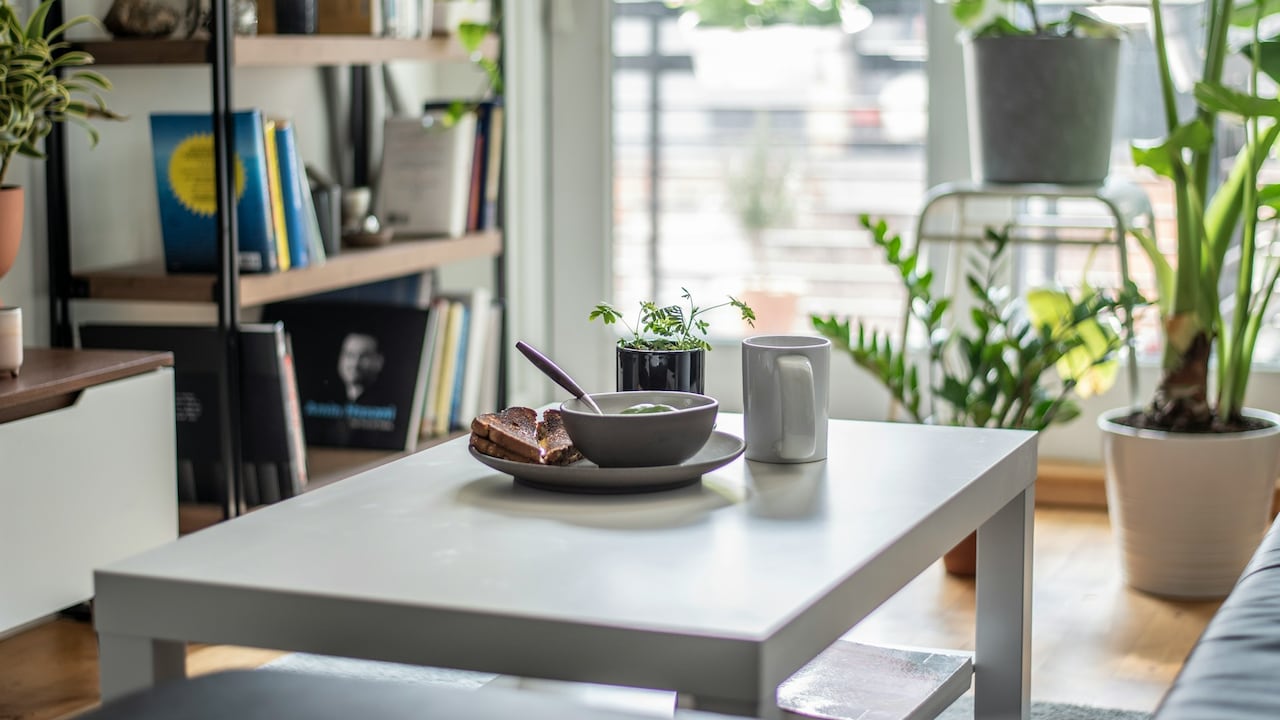
Rectangular coffee tables look better in structured places; Photo Credit: Unsplash
Families With Children Often Prefer Round Designs
Anyone who has witnessed a toddler sprinting through a living room understands the danger posed by sharp corners. In family homes, safety often outweighs aesthetics.
Round coffee tables naturally reduce accidental bumps and injuries. The absence of edges creates a safer environment for children learning to walk or turning every room into a racetrack. Parents no longer panic every time someone leaps dramatically from the sofa to the floor during cartoon advertisements.
Beyond safety, circular tables encourage interaction. Families sitting around a round table feel more connected because everyone shares equal positioning. Board games, colouring sessions, and evening snacks become easier to manage.
The softer shape also handles chaotic households more gracefully. In compact flats where movement stays constant, curved furniture simply feels less obstructive. Even pets navigate around it more naturally.
Cleaning becomes surprisingly easier, too. Dust gathers less visibly around curved edges compared to rectangular corners that attract forgotten crumbs with suspicious enthusiasm.
Round tables also introduce playful energy into family spaces. They break the seriousness often associated with modern interiors and create a more relaxed atmosphere.
However, larger families may eventually struggle with limited surface area. During gatherings, rectangular tables usually accommodate more plates, drinks, and scattered belongings. Some households solve this by choosing oval coffee tables, which blend softness with additional length.
Rectangular Tables Suit Entertaining And Hosting
Compact flats somehow host far more guests than their floor plans ever intended. Festival evenings, birthday celebrations, cricket screenings, and unexpected relatives transform living rooms into lively social spaces within minutes.
Rectangular coffee tables excel during these moments. Their extended surface handles serving trays, dessert boxes, tea cups, and snack bowls efficiently. Everything fits without resembling a balancing act.
The shape also works well with floor seating arrangements. Guests sitting around the table can access food comfortably from multiple sides. This matters during celebrations where the coffee table temporarily becomes the unofficial dining zone.
Rectangular designs with storage prove especially useful for hosts. Extra coasters, tissues, candles, and serving essentials stay hidden yet accessible. Smaller homes benefit enormously from furniture that multitasks discreetly.
A rectangular table also creates a clearer room structure during gatherings. Guests instinctively understand seating orientation because the furniture defines conversational flow naturally.
For homes with entertainment-focused living rooms, rectangular tables align beautifully with televisions and media units. The arrangement feels cohesive and practical.
Still, oversized designs create problems quickly. Hosting guests should not require obstacle-course navigation. Slim rectangular tables with open bases maintain functionality without visually crowding the room.
The smartest hosting-friendly designs often combine storage, lightweight construction, and softer edges. They provide practicality while avoiding the intimidating bulk many traditional rectangular tables carry.
Material Choices Change Everything
Shape matters greatly, but material quietly transforms the entire experience. The same round table can feel airy in glass and overwhelmingly bulky in dark marble.
Glass coffee tables remain favourites for compact flats because they reduce visual heaviness. Both round and rectangular versions benefit from transparency, although round glass tables often create the lightest appearance overall.
Wood introduces warmth and timeless appeal. Light oak, ash, and natural finishes help smaller rooms breathe more easily. Dark walnut or heavy carved wood sometimes dominates compact spaces unnecessarily unless balanced carefully with lighter surroundings.
Metal frames create sleek contemporary aesthetics while maintaining openness. Thin black or brass legs support visual lightness regardless of shape. This explains why modern café-inspired interiors frequently feature metal-framed coffee tables.
Marble adds luxury but demands caution in smaller homes. Thick marble tops can visually weigh down a room quickly. Slim-profile marble tables work far better for compact flats.
Storage-integrated materials also influence practicality. Upholstered ottoman-style coffee tables soften interiors beautifully while doubling as extra seating. These work particularly well in homes where flexibility matters more than strict formality.
Budget considerations matter too. Stylish engineered wood tables now offer impressive durability and aesthetics between ₹6,000 and ₹15,000. Investing wisely in proportions and material quality often matters more than chasing expensive designer pieces.
Ultimately, shape and material must work together rather than competing for attention.
The Right Choice Depends On Lifestyle
No universal winner exists because every compact flat functions differently. The better coffee table depends entirely on how the space actually operates each day.
For homes prioritising relaxed movement, family safety, and visual softness, round coffee tables usually perform better. They suit casual lifestyles, open layouts, and interiors needing warmth.
For households requiring practicality, structured organisation, and maximum surface utility, rectangular tables remain unmatched. They support multitasking beautifully and handle social gatherings with ease.
Some homeowners even combine both ideas creatively. Nested tables, oval designs, and rounded rectangles offer compromise without sacrificing style or practicality. These hybrid options have grown increasingly popular because they adapt well to modern compact living.
Lifestyle habits reveal the best answer quickly. If the coffee table mainly holds décor and occasional chai cups, round designs shine effortlessly. If it regularly becomes a dining spot, work desk, and storage unit simultaneously, rectangular tables often prove more sensible.
The surrounding furniture matters equally. Compact flats demand balance rather than perfection. A room filled entirely with straight lines may need curves. A highly relaxed interior may benefit from a stronger structure.
Most importantly, the coffee table should support daily life rather than complicate it. Beautiful furniture loses charm rapidly when people constantly bump into it or struggle to use it comfortably.
Products Related To This Article
1. Green Soul Allure Engineered Wood Coffee Table (Gold Cherry)
2. Round Coffee Table/Sofa Table/Center Table with Waterproof Marble Finish Wooden
3. Royaloak Ivory Coffee Table | Engineered Wood | Melamine Finish
4. ABOUT SPACE Coffee Table - Portable Wooden Centre Table with Open Partition Storage
5. Brown Art SHOPPEE Round Coffee Table Home Décor Furniture Coffee Table Sets
6. Sheeshsam Wooden Center Coffee Table - Solid Wooden Round Coffee Table for Living Room
7. Solid Sheesham Wooden Tables Coffee Table Solid Wood Tatami Coffee Table
The debate between round coffee tables and rectangular designs continues because both genuinely solve different problems within compact flats. Round tables bring softness, fluidity, and easier movement. Rectangular tables offer structure, practicality, and generous surface space.
Compact living demands furniture that works hard without making rooms feel crowded. That balance often matters more than trends or showroom aesthetics. A thoughtfully chosen coffee table quietly improves everyday routines, from lazy Sunday chai sessions to noisy family gatherings during festive weekends.
Round designs suit homes seeking openness and relaxed movement. Rectangular tables support organised living and multitasking efficiency. Neither option wins universally because homes, families, and lifestyles differ beautifully.
Perhaps the smartest approach involves looking beyond trends and imagining ordinary daily moments instead. Where do people walk most often? How frequently do guests visit? Does the living room double as a workspace? Are there children racing through the house at full speed after too much mango juice? The answers reveal the ideal shape far more honestly than any catalogue ever could.
In the end, the best coffee table does not simply decorate a compact flat. It quietly makes the entire home feel easier to live in.
(Disclaimer: This article may include references to or features of products and services made available through affiliate marketing campaigns. NDTV Convergence Limited (“NDTV”) strives to maintain editorial independence while participating in such campaigns. NDTV does not assume responsibility for the performance or claims of any featured products or services.)