Why Steam Mops Cannot Replace Deep Scrubbing On Certain Floor Stains
Steam mops work well for daily cleaning, but stubborn grease, grout stains, sticky residue and old marks still need deep scrubbing for proper removal and long-lasting cleanliness.

10 things to know about steam mops before using them to clean your house
Modern homes love shortcuts. From robot vacuums gliding around sofa legs to washing machines that practically think for themselves, convenience rules household cleaning today. Steam mops joined this trend with great fanfare. Advertisements showed spotless floors appearing within minutes, often with cheerful music in the background and not a single bucket in sight. Naturally, many families believed steam mops could replace old-fashioned scrubbing altogether. Reality paints a different picture.

What are the limitations of using steam mops for everyday cleaning; Photo Credit: Pexels
Steam mops certainly make life easier for regular maintenance cleaning. They freshen surfaces, loosen light dirt, and help sanitise tiled areas without harsh chemicals. On busy weekdays, that convenience feels like a blessing. Nobody wants to spend a Sunday morning crouched over floor tiles with a brush while neighbours blast old Bollywood songs from their balconies.
Still, certain stains remain stubborn. They cling to grout lines, seep into textured flooring, or harden over time like tiny monuments to household chaos. Steam alone often struggles against these marks. Deep scrubbing, despite sounding old-school, tackles grime in ways machines simply cannot imitate.
The truth lies somewhere between modern convenience and practical cleaning wisdom. Steam mops work brilliantly for some tasks, but expecting them to defeat every stain creates disappointment faster than a pressure cooker whistle during a power cut.
Why Certain Floor Stains Still Need Traditional Cleaning Methods
Heat Cannot Break Down Every Type Of Stain
Steam works through heat and moisture. That combination loosens dirt particles and lifts surface grime effectively. However, some stains possess chemical properties that resist heat entirely. Oil-based stains rank among the biggest culprits.
Consider a kitchen floor after frying pakoras during a rainy evening. Tiny droplets of oil settle on tiles, slowly attracting dust and dirt over several days. Steam may soften this greasy layer slightly, but it rarely removes it completely. Instead, the residue often spreads around, leaving a dull film behind.
Deep scrubbing attacks these stains mechanically. A brush creates friction that physically breaks apart hardened grease. Combined with the right cleaning solution, scrubbing reaches beneath the sticky layer and removes trapped grime properly.
The same problem appears with dried food spills. Turmeric, tamarind paste, tea stains, and curry splashes contain pigments that seep into porous surfaces. Steam cannot always penetrate deeply enough to extract these pigments fully. The stain simply survives the cleaning session like an unwanted houseguest who refuses to leave after dinner.
This limitation does not make steam mops useless. It merely highlights their purpose. They excel at maintenance cleaning rather than aggressive stain removal.
Grout Lines Demand More Than Steam
Tiles may look smooth from a distance, but grout lines tell another story. Those narrow gaps trap dirt with alarming efficiency. Dust, soap residue, cooking grease, and moisture slowly settle into grout, creating dark lines that make even clean floors appear dirty.
Steam mops struggle here because their cleaning pads glide across surfaces. The steam enters grout lines briefly, but without strong agitation, much of the grime remains lodged inside. The effect resembles rinsing muddy shoes under a tap without actually brushing them.
Bathrooms reveal this issue clearly. Soap scum and mineral deposits collect around grout over time. Steam loosens the surface layer, but deeper build-up survives. After several months, grout begins looking permanently discoloured despite regular steaming.
Deep scrubbing changes the equation completely. A stiff brush pushes into narrow crevices and dislodges embedded dirt physically. The process requires effort, but results become visible almost immediately. Floors regain their original brightness instead of looking merely “less dirty”.
Many homeowners discover this reality after spending ₹8,000 to ₹15,000 on a fancy steam mop, only to notice bathroom grout still resembling old railway platform tiles. Technology helps, but elbow grease continues winning certain battles.
Sticky Residue Often Needs Friction
Some messes create sticky residue rather than ordinary dirt. Sugary drinks, spilt syrups, fruit juices, and soft drink accidents form tacky layers that cling tightly to floors. Steam softens these substances temporarily, but softness alone does not guarantee removal.
Picture a child spilling mango juice near the dining table during summer holidays. The visible liquid disappears quickly after wiping, yet sugary residue remains behind. Over time, dust sticks to this patch, creating a grimy surface that feels slightly sticky underfoot.
Steam may reheat this residue, but unless the mop pad absorbs every loosened particle perfectly, some stickiness stays put. In humid weather, the problem worsens because moisture reactivates leftover sugars.
Deep scrubbing works differently. Friction physically lifts the residue while cleaning agents dissolve sugary compounds properly. Together, these actions remove the problem rather than simply redistributing it.
Restaurants understand this principle well. Commercial kitchens rarely rely solely on steam cleaning because sticky grease and food residue demand tougher treatment. Home floors face similar challenges, especially in households where cooking forms the heart of daily life.
Convenience matters, but certain messes refuse shortcuts. Sticky stains belong firmly in that category.
Steam Mops Cannot Reach Deep Texture Patterns
Not all flooring remains perfectly smooth. Many homes feature textured tiles designed to prevent slipping, particularly in bathrooms, balconies, and outdoor spaces. These patterns improve safety but create cleaning complications.
Textured surfaces contain tiny grooves and ridges where dirt hides comfortably. Steam mops skim over the top, reaching shallow areas while missing deeply embedded particles. The floor may look cleaner initially, yet hidden grime remains untouched beneath the surface texture.
Balcony floors during the monsoon season provide a classic example. Muddy footwear tracks soil into textured tiles, where dirt settles into grooves almost immediately. Once dried, these particles cling stubbornly to the surface. Steam alone struggles to extract them fully.
Deep scrubbing excels because bristles enter textured patterns directly. The scrubbing motion reaches areas flat mop pads cannot access properly. Dirt lifts out instead of remaining trapped inside grooves.
This difference becomes especially noticeable under bright sunlight. A steamed textured floor may appear clean indoors, but morning light reveals lingering dirt trapped within patterns. Suddenly, the floor looks far less impressive than expected.
Modern cleaning tools offer speed, yet textured surfaces still reward old-fashioned methods. Sometimes the humble scrub brush quietly outperforms expensive gadgets without needing charging cables or replacement pads.
Old Stains Become Resistant Over Time
Fresh stains usually respond well to quick cleaning. Old stains behave differently. Once dirt settles for weeks or months, it bonds more firmly with flooring material. Heat alone often fails against these deeply established marks.
Take neglected bathroom corners as an example. Water stains mixed with soap residue slowly harden into mineral deposits. Over time, these deposits become almost crust-like. Steam softens the outer layer slightly, but the deeper build-up remains stubbornly attached.
Similarly, old grease stains near cooking areas gradually absorb dust and microscopic debris. The result resembles a hardened film rather than ordinary dirt. Steam may loosen small sections, but complete removal often demands vigorous scrubbing.
Deep scrubbing succeeds because repeated friction breaks apart accumulated layers gradually. Cleaning solutions also gain more time to penetrate during manual cleaning sessions. The process requires patience, but stubborn stains rarely disappear instantly anyway.
Many people realise this after moving furniture during festive cleaning and discovering mysterious dark patches underneath. Steam mops often freshen these spots without removing them entirely. Proper scrubbing finally restores the original floor appearance.
Time changes stains. The longer grime remains undisturbed, the tougher cleaning becomes. Unfortunately, steam alone cannot reverse months of neglect in a single afternoon.
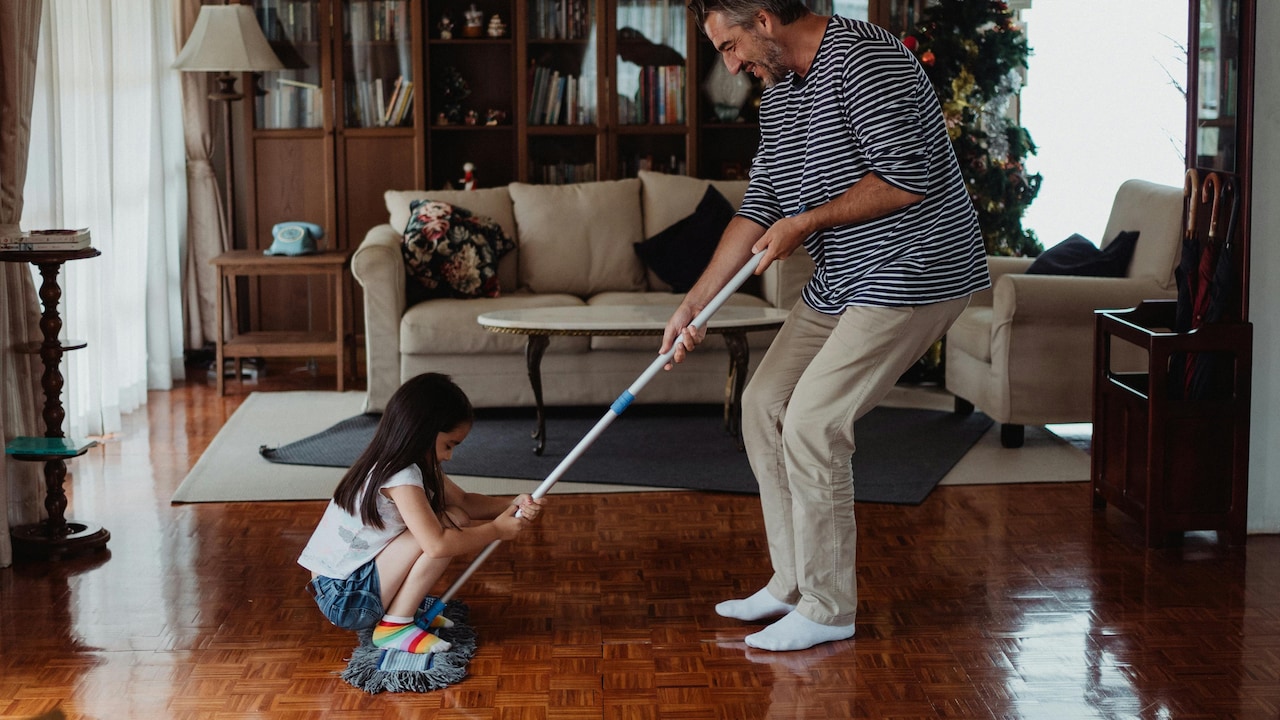
Steam mops cannot scrub off old, stubborn stains easily; Photo Credit: Pexels
Steam Mops Sometimes Spread Dirt Around
Steam mops clean using pads that absorb loosened dirt. During light cleaning, this system works well. However, heavily soiled floors create a different situation altogether.
When floors contain thick grime or muddy residue, mop pads quickly become saturated. Instead of removing dirt effectively, the steam mop may start spreading grime across nearby areas. The floor ends up looking streaky rather than genuinely clean.
This issue commonly appears after rainy days. Wet footwear tracks mud indoors, especially near entrances and balconies. A steam mop used immediately on such floors often smears dirt around because the cleaning pad becomes overloaded within minutes.
Deep scrubbing avoids this problem through controlled cleaning sections. Dirty water gets rinsed away separately rather than continuously dragged across the floor surface. Brushes also lift heavier debris more effectively before final rinsing occurs.
Households with pets face similar frustrations. Paw prints mixed with dust create grimy patches that overwhelm steam mop pads quickly. Deep cleaning methods remove these layers more thoroughly.
Nobody enjoys finishing a cleaning session only to notice streak marks appearing under tube lights later that evening. Yet this disappointment happens frequently when steam mops tackle heavily soiled surfaces beyond their practical limits.
Certain Cleaning Agents Work Better With Scrubbing
Some stains require specialised cleaning products for effective removal. Steam mops rely mainly on heat and water, which limits their ability to tackle chemically stubborn messes.
Hard water stains illustrate this perfectly. Mineral deposits often need acidic cleaners to dissolve calcium build-up properly. Steam alone cannot break down these compounds efficiently. Similarly, grease-heavy stains benefit from degreasing agents designed specifically for oily residue.
Deep scrubbing complements these products beautifully. Brushes distribute cleaning solutions evenly while friction accelerates stain breakdown. The combination creates far stronger cleaning power than steam alone.
Flooring manufacturers also sometimes recommend targeted cleaning methods for specific materials. Marble, granite, and natural stone surfaces often require careful treatment that steam mops cannot always provide safely. Excessive heat may damage protective sealants or dull finishes over time.
Traditional scrubbing offers greater flexibility because users can adjust techniques based on the stain type and floor material. Steam mops operate within narrower limitations.
This reality resembles cooking. A microwave heats food quickly, but certain dishes still demand slow cooking on a stove for proper flavour. Cleaning follows similar logic. Convenience helps, yet specialised tasks often require specialised methods.
Steam Alone Cannot Remove Embedded Bacteria Build-Up
Steam earns praise for sanitising surfaces, and rightly so. High temperatures kill many germs effectively. However, sanitisation differs from complete dirt removal.
When grime builds up deeply within grout or textured flooring, bacteria often hide beneath visible residue layers. Steam may disinfect the surface temporarily while leaving underlying dirt intact. That remaining grime can continue trapping moisture and encouraging future bacterial growth.
Bathrooms especially reveal this challenge. Damp conditions encourage mildew and soap residue accumulation around corners and tile joints. Steam freshens the area initially, but persistent residue soon allows unpleasant odours and stains to return.
Deep scrubbing physically removes the material harbouring bacteria. Instead of simply heating the surface, scrubbing eliminates the dirt layer entirely. The result creates a cleaner foundation rather than temporary freshness alone.
This distinction matters in busy households where floors endure constant traffic. Children crawling around, pets wandering indoors, and outdoor dust entering daily all contribute to hidden grime accumulation.
Steam sanitises effectively under suitable conditions, but true deep cleaning still requires physical dirt removal. Otherwise, cleaning becomes cosmetic rather than comprehensive.
Delicate Floors Need Controlled Pressure
Ironically, steam mops sometimes become too harsh for delicate flooring while still remaining ineffective against tough stains. Wooden floors provide a good example.
Excessive steam exposure may warp wood, weaken adhesives, or damage protective coatings over time. Yet despite this risk, steam often fails to remove embedded grime from textured wood grain fully. Homeowners end up caught between insufficient cleaning and potential floor damage.
Deep scrubbing allows better control. Soft brushes and carefully selected cleaning agents target stains without overwhelming the surface with moisture or heat. Different floor materials respond differently, and manual methods adapt more easily.
Natural stone floors face similar concerns. Some surfaces react poorly to repeated steam exposure, especially if protective sealants weaken gradually. Meanwhile, stains trapped within porous stone still demand deeper cleaning approaches.
Professional cleaners frequently combine methods for this reason. Steam may handle surface sanitisation, while manual scrubbing targets stubborn spots separately. The approach balances efficiency with floor protection.
Flooring costs enough already without accidental damage caused by aggressive cleaning shortcuts. Replacing premium flooring can easily cost ₹80,000 or more, making careful maintenance far wiser than relying blindly on trendy gadgets.
Deep Scrubbing Provides Visual Satisfaction
Cleaning involves psychology as much as hygiene. People enjoy seeing a visible transformation. Deep scrubbing delivers that satisfaction in ways steam cleaning sometimes cannot.
There is something oddly rewarding about watching dark grime lift away under a scrub brush. The before-and-after difference feels dramatic. Floors regain brightness, grout lines lighten visibly, and stubborn patches finally disappear.
Steam cleaning often produces subtler results. Floors may feel fresher, but dramatic visual improvement remains limited unless the surfaces are already fairly clean. For heavily stained areas that lack of visible progress creates frustration.
Festive cleaning season demonstrates this beautifully. Families preparing homes before celebrations often want floors looking genuinely renewed, not merely sanitised. Deep scrubbing achieves that brighter, fresher appearance more reliably for neglected spaces.
Even the process feels different. Scrubbing demands effort, but effort creates emotional payoff. The satisfaction resembles finally removing a stubborn stain from a favourite white shirt after several failed attempts.
Modern convenience certainly matters in daily life. Yet sometimes traditional methods survive because they simply work better for specific tasks. Deep floor cleaning belongs firmly within that category.
Products Related To This Article
1. Shark Steam & Scrub S8201IN Steam Mop
2. Nexlev Steam Mop Floor Cleaner
3. Domestica Steamo 10-In-1 Steam Cleaner For Home Cleaning With 2 Steam Modes
4. SEZNIK Vacuum Cleaner for Home Use Wet and Dry
5. NUUK REN PRO Stick Cordless Vacuum Cleaner
Steam mops deserve their popularity. They simplify regular cleaning, reduce dependence on harsh chemicals, and save valuable time during busy weeks. For light maintenance and everyday freshness, they perform admirably.
However, expecting steam mops to replace deep scrubbing entirely creates unrealistic expectations. Certain stains demand friction, specialised cleaning agents, patience, and physical effort. Grease, grout dirt, textured surfaces, sticky residue, and old stains continue to challenge steam-based cleaning methods.
The smartest approach combines both worlds. Steam mops handle routine upkeep beautifully, while deep scrubbing tackles stubborn grime when necessary. Together, these methods create cleaner, healthier floors without unrealistic promises.
Technology evolves constantly, but some household truths remain surprisingly timeless. When stubborn stains dig in their heels, nothing beats proper scrubbing armed with determination, a sturdy brush, and perhaps a strong cup of chai waiting afterwards.
(Disclaimer: This article may include references to or features of products and services made available through affiliate marketing campaigns. NDTV Convergence Limited (“NDTV”) strives to maintain editorial independence while participating in such campaigns. NDTV does not assume responsibility for the performance or claims of any featured products or services.)