Why Cheap Aroma Candles Lose Fragrance Within Minutes: How To Pick The Real Deal
Cheap aroma candles often lose fragrance within minutes due to poor wax, weak oils and low-quality wicks. This is how to spot a candle that actually lasts before wasting money on fancy packaging and false promises.

Explore why even expensive scented candles can lose thei fragrance easily
Few things feel as comforting as lighting a candle after a long day. The soft glow settles the mood, the fragrance fills the room, and suddenly, the chaos of traffic, endless notifications, and power bills feels slightly less dramatic. Aroma candles have quietly become a lifestyle staple in many homes. Some people light them during yoga, others during dinner, and many simply use them to mask the smell of yesterday's fish fry lingering in the kitchen. Yet frustration arrives quickly when a candle that smelled heavenly in the shop turns disappointing at home. The scent fades within minutes. The wax tunnels awkwardly down the middle. Sometimes the fragrance feels oddly chemical, almost like a room freshener trapped inside hot wax. It leaves many buyers wondering whether expensive candles are genuinely better or merely wrapped in prettier packaging.

Common reasons why some aroma candles lose their fragrance after a few minutes of burning; Photo Credit: Pexels
Truthfully, price alone does not define quality. Plenty of affordable candles perform beautifully, while some overpriced ones rely heavily on branding. The real difference lies in ingredients, craftsmanship, and understanding how candles actually work. Picking the right aroma candle requires a little observation, much like choosing good tea leaves or ripe mangoes. Once the signs become clear, wasting ₹500 on a disappointing candle becomes far less likely.
Also Read: 5 Best-Rated Scented Aroma Candles That Energise, Relax And Lift Moods
Why Do Cheap Aroma Candles Fade So Quickly? This Is What Really Matters Before Buying One
The Fragrance Oil Makes Or Breaks The Candle
The biggest reason cheap aroma candles lose fragrance quickly comes down to the oils used inside them. Many low-cost manufacturers rely on diluted synthetic fragrance oils because they cost far less than premium blends. These weaker oils create a strong first impression when sniffed directly from the jar, but they burn away rapidly once the wick heats up.
A high-quality candle uses concentrated fragrance oils designed specifically for slow release during burning. This allows the scent to linger evenly instead of disappearing after ten minutes. Think of it like brewing coffee. Cheap instant powder may smell strong initially, but freshly ground beans create a deeper aroma that lasts much longer.
Some manufacturers also overload candles with artificial perfume to trick buyers in stores. The scent feels overpowering at first, but turns flat during use. Strong does not always mean better. A balanced candle gradually fills the room without attacking the senses like an overenthusiastic deodorant spray in a packed lift.
Before buying, check whether the brand mentions essential oils, premium fragrance blends, or phthalate-free ingredients. Candles with transparent ingredient details often perform better than vague labels shouting “Luxury Scented Candle” in giant gold letters.
Cheap Wax Burns Faster Than Expected
Wax quality matters far more than most people realise. Many inexpensive candles use paraffin wax because it remains cheap and easy to produce. While paraffin can hold fragrance well, lower grades burn unevenly and release scent too quickly. The result feels disappointing and short-lived.
Soy wax, coconut wax, and beeswax usually provide a cleaner and slower burn. They help fragrance oils evaporate steadily rather than all at once. This creates a more consistent aroma throughout the candle's lifespan. A good soy candle may cost ₹200 more upfront, yet it often burns nearly twice as long as a cheaper alternative.
Poor wax blending also causes tunnelling. That annoying crater forming around the wick wastes wax and weakens fragrance throw. Many people blame themselves for burning the candle incorrectly when the real issue lies in bad manufacturing.
Texture offers useful clues. Smooth, creamy wax generally signals better quality. Rough surfaces, cracks, or oily patches may suggest rushed production. Some candles even shrink from the sides of the jar before the first burn, which rarely indicates careful craftsmanship.
A candle should feel luxurious while burning, not like a science experiment gone wrong during a summer heatwave.
Wick Quality Controls The Entire Experience
The wick acts like the engine of a candle. Even premium wax and excellent oils cannot compensate for a poor wick. Cheap candles often use thin or poorly sized wicks that either drown in melted wax or burn far too hot.
A weak wick struggles to create enough heat for proper fragrance release. This leads to a tiny flame and barely noticeable scent. On the other hand, oversized wicks burn aggressively, consuming fragrance oils too quickly and shortening the candle's life dramatically.
Cotton and wooden wicks tend to perform best when paired correctly with the wax type. Wooden wicks create that soft crackling fireplace sound many people enjoy during rainy evenings with chai and pakoras. Yet they require careful balancing. A badly designed wooden wick can sputter like a frustrated scooter refusing to start in monsoon weather.
The first burn matters enormously, too. Letting the wax melt fully across the surface prevents tunnelling and improves future scent throw. Extinguishing the candle after only fifteen minutes often ruins the burn pattern permanently.
A well-made candle behaves consistently from the first light to the final flicker. That reliability separates thoughtful craftsmanship from mass-produced shortcuts.
Strong Packaging Often Hides Weak Candles
Beautiful packaging can distract buyers from mediocre quality. Fancy labels, coloured jars, and satin ribbons create a luxury appearance even when the candle inside performs poorly. Many brands invest heavily in presentation because shoppers often choose candles visually before smelling them.
A stylish box does not guarantee a lasting fragrance. Some inexpensive candles smell delightful in sealed containers because fragrance accumulates inside the packaging. Once lit, however, the actual scent output disappoints almost immediately.
Glass jars matter too. Thin glass overheats quickly and affects burn consistency. Heavier jars distribute heat more evenly, helping fragrance release gradually. Premium candle brands usually pay attention to these small engineering details.
Minimal packaging sometimes signals confidence in product quality. Brands focusing on ingredients rather than flashy presentation often deliver better value. A simple amber jar with strong fragrance performance easily outshines a decorative candle that smells like nothing after half an hour.
It feels similar to ordering biryani from a fancy restaurant only to receive three pieces of paneer floating sadly in rice. Presentation creates excitement, but the real experience lies beneath the surface.
Synthetic Fragrances Can Smell Flat And Harsh
Not all synthetic fragrances are terrible, but lower-quality versions often create an artificial smell that feels tiring over time. Instead of subtle layers, these candles produce one sharp note that fades quickly and leaves behind a waxy after-smell.
Natural fragrance blends usually evolve during burning. A sandalwood candle may start warm and woody before revealing softer, creamy undertones later. Cheap synthetic scents rarely develop this complexity. They remain one-dimensional and disappear fast.
Certain fragrances also perform better naturally. Lavender, vanilla, citrus, and eucalyptus generally maintain stability during burning. Extremely sweet dessert scents sometimes rely heavily on synthetic additives that weaken under heat.
Aroma fatigue also plays a role. Strong artificial scents overwhelm the nose quickly, making the fragrance seem weaker after a short time. This explains why some candles smell intense initially but become barely noticeable moments later.
Testing candles in person helps enormously. If a candle smells aggressively sweet or chemically sharp before lighting, the experience probably will not improve once the flame enters the picture.
The best candles feel comforting and layered, not like walking into a perfume factory beside a traffic signal.
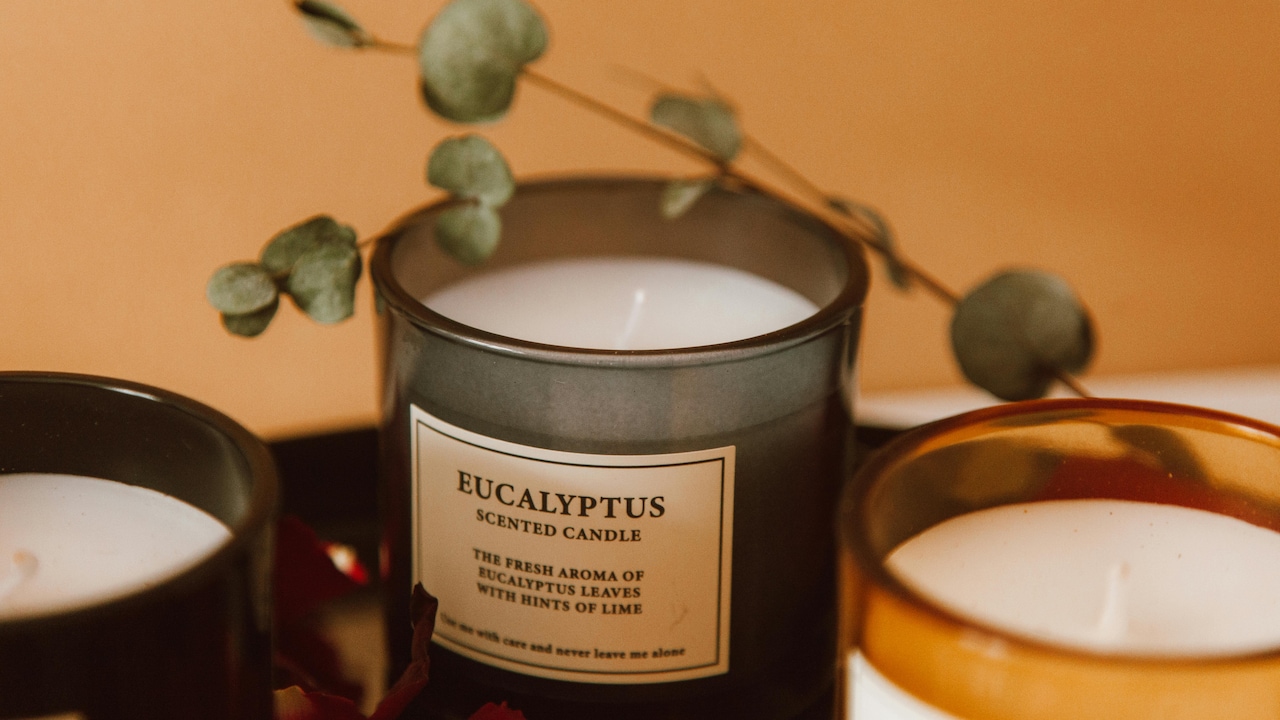
Synthetic fragrances can smell flat over time; Photo Credit: Pexels
Burn Time Claims Often Mislead Buyers
Many candle labels proudly advertise “40-hour burn time” or “long-lasting fragrance,” but reality often tells a different story. Burn time technically refers to how long the wax lasts, not how long the fragrance remains effective.
Some cheap candles continue burning for hours after the scent completely disappears. That lingering wax fools buyers into believing they received good value. In truth, a candle without fragrance becomes little more than decorative fire.
A genuinely good candle maintains a consistent aroma throughout most of its lifespan. This requires balanced wax composition, proper wick sizing, and quality oils. Without these elements, fragrance evaporates early, while plain wax keeps melting pointlessly.
Environmental conditions affect performance, too. Large open rooms dilute fragrance faster than smaller spaces. Ceiling fans, open windows, and air conditioners can weaken scent throw significantly.
This explains why tiny budget candles often struggle in modern homes with large living rooms. A candle designed for a compact bedroom may barely register in a spacious hall with high ceilings and constant airflow.
Checking candle weight rather than jar size helps avoid marketing tricks. Heavy candles usually contain more wax and fragrance load, making them more reliable over extended use.
Cheap Candles Often Skip Proper Curing Time
Curing sounds technical, yet it plays a huge role in candle quality. After pouring wax into jars, manufacturers should allow candles to rest for several days or even weeks. This curing process helps fragrance oils bind properly with the wax.
Mass-produced budget candles often skip adequate curing because brands want faster sales. As a result, the fragrance fails to distribute evenly through the wax. The candle may smell pleasant near the top, but it weakens rapidly during burning.
Soy candles especially need curing time to perform well. Rushing this process creates inconsistent scent throw and uneven burns. Unfortunately, buyers rarely know whether a candle received proper curing because many brands never mention it.
Smaller artisan candle makers often produce better-quality products precisely because they work in limited batches and allow enough curing time. These candles may cost slightly more, but the difference becomes obvious after lighting them.
Patience matters in candle making just as it does while cooking slow-simmered dal. Rushing usually ruins depth, flavour, and overall experience.
Candles created thoughtfully tend to feel richer, smoother, and more satisfying from start to finish.
Seasonal Weather Impacts Fragrance Performance
Climate affects candles more than many people expect. Heat, humidity, and storage conditions can weaken fragrance oils before the candle even reaches home. This becomes especially noticeable during peak summer months when delivery vans and shop shelves turn painfully hot.
Cheap candles often lack stable formulations capable of handling warmer temperatures. The oils separate from the wax, leading to weaker scent throw and patchy burning. Some candles even sweat tiny oil droplets on the surface, which signals poor stability.
Premium candles use better wax blends designed to tolerate temperature fluctuations more effectively. Proper storage also matters. Keeping candles near windows or inside hot cars damages fragrance quality quickly.
Humidity changes the way scents travel through air too. During monsoon season, certain fragrances feel muted while heavier notes like oud or sandalwood become more noticeable.
This explains why a candle that smelled fantastic in December suddenly disappoints in May. Environmental conditions influence performance more than most people realise.
Storing candles in cool cupboards away from direct sunlight helps preserve fragrance strength. Treating them carelessly on sunny window ledges practically guarantees weaker performance over time.
Price Does Not Always Equal Quality
Expensive candles sometimes rely heavily on branding and influencer marketing rather than actual performance. Paying ₹3,000 for a luxury candle does not automatically guarantee a magical experience.
Some boutique brands focus more on aesthetic appeal than technical quality. Others use tiny amounts of premium oils while charging premium prices for fancy jars and social media-friendly packaging.
At the same time, extremely cheap candles often cut corners aggressively. Finding the sweet spot matters. Mid-range candles from trusted makers frequently outperform both bargain-bin products and overpriced designer labels.
Reading reviews carefully helps. Genuine buyers usually mention scent throw, burn consistency, and longevity rather than simply praising packaging. Recommendations from friends often prove more reliable than glamorous online advertisements featuring perfectly styled coffee tables.
Local artisan markets and homegrown candle businesses have also grown significantly in recent years. Many smaller makers produce exceptional candles using quality ingredients at fair prices because they focus on craftsmanship over aggressive branding.
A good candle should justify its cost through performance, not merely appearance. Nobody wants to pay luxury prices for something that loses fragrance before the first episode of a weekend web series ends.
Testing Before Buying Saves Money And Disappointment
Choosing a good aroma candle becomes much easier with a few practical habits. First, smell the candle both near the surface and slightly deeper inside the jar. A consistent fragrance usually signals better oil distribution.
Second, inspect the wax texture and wick placement. A centred wick and smooth wax surface often indicates careful manufacturing. Crooked wicks or messy finishes suggest rushed production.
Third, avoid judging candles solely by cold throw. Some candles smell strong without burning well, while others release fragrance beautifully once lit. Researching burn reviews helps enormously when shopping online.
Size matters too. Tiny candles rarely perform well in larger spaces. Matching candle size to room size prevents disappointment later.
Sampling fragrances before committing to larger jars can save substantial money. Many brands now offer mini versions or discovery sets, which make testing easier without spending ₹2,000 blindly.
Finally, trust instinct. If packaging feels cheap, fragrance smells artificial, or reviews repeatedly mention weak scent throw, walking away usually proves wiser than hoping for a miracle.
Candles should create comfort, warmth, and small moments of joy. Buying thoughtfully ensures that the experience lasts far beyond the first few minutes.
Products Related To This Article
1. Aromatic Fables For Gifting and Dcor Holiday Aroma Citrus Solid Christmas Jar Candles
2. VANN AROMAS Silver-Toned & Multicoloured 4 pieces Jar Candle
3. Aromatic Fables Holiday Lilly Infused Candle Christmas Aroma Petitgrain, Bergamot, Lavender, Cedar and Vetiver Jar Candles
4. Perenne Design Gingerbread Aroma Candle 1 Wick Solid Tapered Regular Pillar Candles
5. VANN AROMAS Green 1 pieces Jar Candle
6. Chumbak Green & Orange Tea & Bergamot Scented Candle
7. EarthCraft Set of 6 Glass Candles Votive Scented Glass Candles with Lavender Fragrance
Aroma candles seem simple on the surface, yet genuine quality depends on a surprisingly delicate balance of wax, wick, fragrance oils, curing, and craftsmanship. Cheap candles often lose fragrance quickly because manufacturers prioritise low costs over long-term performance. Weak oils, poor wax blends, rushed production, and badly designed wicks all contribute to disappointing results.
Fortunately, spotting a good candle becomes easier once these details become familiar. A thoughtful candle burns evenly, releases fragrance gradually, and transforms a room without feeling overpowering. It creates atmosphere rather than merely decoration.
The next time a candle catches attention with flashy packaging or unbelievable discounts, pause before reaching for the wallet. Sometimes spending slightly more delivers far better value in the long run. After all, a candle should feel like a quiet little luxury, not a fragrant scam wrapped in shiny paper.
(Disclaimer: This article may include references to or features of products and services made available through affiliate marketing campaigns. NDTV Convergence Limited (“NDTV”) strives to maintain editorial independence while participating in such campaigns. NDTV does not assume responsibility for the performance or claims of any featured products or services.)






![Steam Iron Teflon Shoe Cover for ES-300,ST-96 [Only For ES-300 and ST-96 Model Electric Steam Irons]](https://m.media-amazon.com/images/I/51wwkttondL._SL160_.jpg)