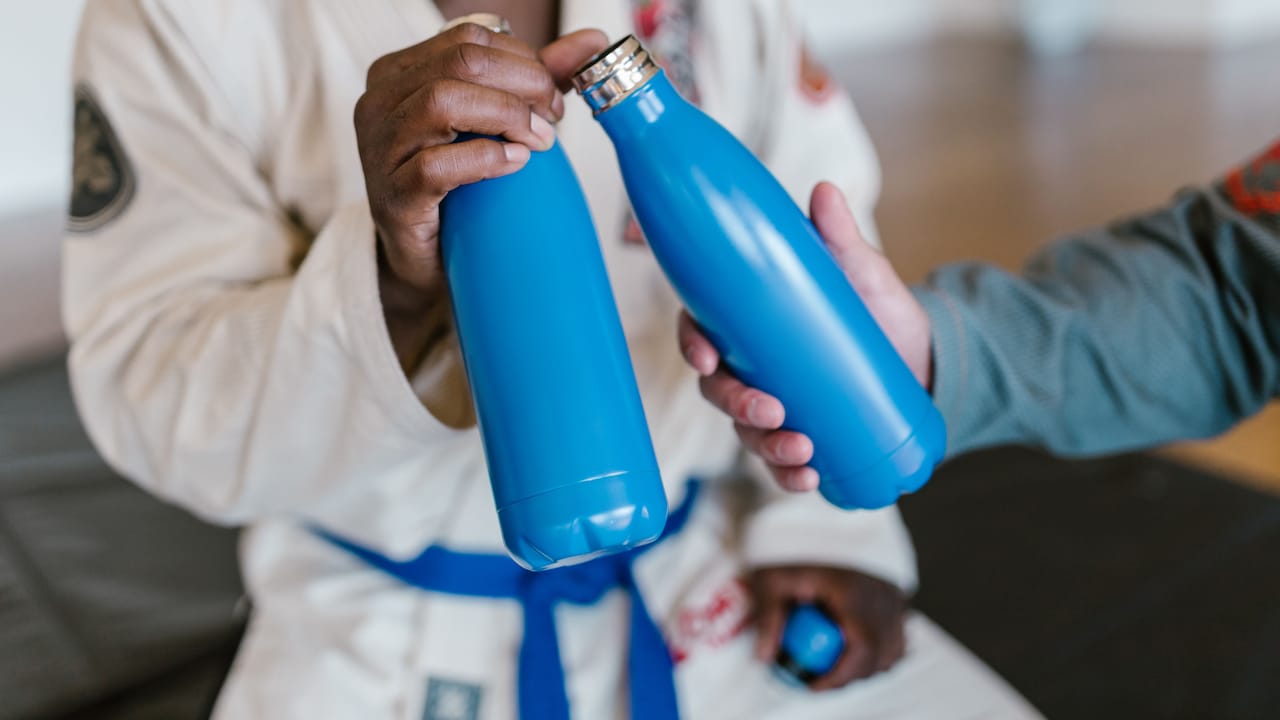
Water Bottles With Fruit Infusers: Healthy Hydration Tool Or Unnecessary Trend?
Fruit infuser bottles promise healthier hydration with natural flavours, but are they genuinely useful or simply another wellness trend dressed up for social media?

Water Bottles With Fruit Infusers: Healthy Hydration Tool Or Unnecessary Trend?
Hydration rarely receives the attention it deserves until summer arrives with blazing heat, crowded local trains, and the unpleasant discovery that plain water suddenly feels as exciting as reading an electricity bill. Many people struggle to drink enough water throughout the day, especially when tea, coffee, fizzy drinks, and packaged juices compete for attention. That struggle opened the door for fruit infuser bottles. Stylish, reusable, and endlessly photogenic, these bottles claim to make water more appealing by adding natural flavour through fruits, herbs, and spices. Lemon slices, strawberries, mint leaves, cinnamon sticks, and even watermelon cubes now float through office corridors and yoga studios with surprising confidence.

Water Bottles With Fruit Infusers: Healthy Hydration Tool Or Unnecessary Trend?
Photo Credit: Pexels
The trend feels modern, yet the idea itself is hardly new. Grandmothers have long added tulsi leaves, jeera, or lemon to drinking water during the summer months. The difference lies in presentation. What once sat in steel jugs now arrives in sleek bottles costing anywhere between ₹300 and ₹2,500.
The big question remains simple. Are fruit infuser bottles genuinely useful for healthier hydration, or have clever marketing campaigns transformed ordinary flavoured water into a premium lifestyle statement?
Why Fruit Infuser Bottles Have Become Everyone's Favourite Hydration Companion
The Rise Of Stylish Hydration Culture
Hydration transformed from a health necessity into a personality trait somewhere between fitness influencers posting morning routines and celebrities carrying giant designer water bottles through airports. Suddenly, drinking water required aesthetics.
Fruit infuser bottles entered this world at exactly the right time. They looked fresh, colourful, and wellness-oriented without appearing extreme. Unlike strict diet trends, infused water felt approachable. A few lemon slices and mint leaves seemed manageable even after a plate of buttery pav bhaji.
Social media accelerated the craze. Videos featuring glowing detox drinks and “summer hydration hacks” flooded timelines every April. Bright berries floating inside transparent bottles looked healthier than sugary soft drinks and far more interesting than plain water in a steel tumbler.
Urban offices embraced the trend quickly. Many employees started carrying infuser bottles to work because they encouraged regular sipping during long desk hours. Some even turned hydration into a friendly competition. Suddenly, discussions about cricket scores shared space with debates over cucumber-lime combinations.
The appeal also lies in simplicity. Unlike expensive wellness routines involving imported powders and complicated meal plans, fruit-infused water feels achievable. Most kitchens already contain lemons, oranges, or mint leaves. The bottle merely repackages familiar habits into something modern and portable.
Still, a stylish presentation alone cannot justify a trend forever. Eventually, practicality catches up with aesthetics.
Does Infused Water Actually Improve Hydration?
For many people, the biggest challenge with hydration involves boredom rather than access. Plain water lacks excitement, especially during long working hours or intense summer afternoons. Fruit infusers attempt to solve that exact problem.
A lightly flavoured bottle often encourages more frequent sipping throughout the day. Someone who normally finishes one litre may comfortably drink two or even three litres when water carries subtle citrus or berry notes. That change matters because dehydration affects energy, concentration, digestion, and even mood.
Infused water also offers a healthier alternative to packaged beverages loaded with sugar. Instead of reaching for fizzy drinks during afternoon fatigue, many people find lemon or orange-infused water refreshing enough to satisfy cravings.
However, exaggerated health claims deserve caution. Infused water does not magically detox the body, melt fat overnight, or replace balanced nutrition. The body already possesses highly efficient detoxification systems through the liver and kidneys. No strawberry slice plans to overthrow that arrangement.
The nutritional value from infused fruits remains relatively mild because most vitamins stay inside the fruit pieces rather than fully dissolving into water. Yet that does not make the practice pointless. If flavoured water helps someone reduce sugary drink intake, the overall health benefit becomes significant.
Hydration habits succeed through consistency, not miracle ingredients. A person regularly drinking infused water probably gains more benefit than someone purchasing expensive supplements while forgetting basic water intake entirely.
The Psychological Trick Behind Flavoured Water
Human behaviour often depends on tiny sensory details. A pleasant smell, vibrant colour, or attractive container can completely change habits. Fruit infuser bottles use that psychology brilliantly.
Water infused with orange slices smells refreshing before the first sip even happens. Mint leaves create a cooling sensation associated with freshness. Bright strawberries make the bottle visually inviting. Those subtle experiences encourage repeated use.
Many nutritionists recognise this behavioural effect. When healthy habits feel enjoyable instead of restrictive, people maintain them longer. Drinking water from an attractive bottle becomes easier than forcing down plain water from an old plastic container discovered at the back of a kitchen cabinet.
There is also an emotional element attached to preparation. Chopping fruits each morning creates a tiny wellness ritual. That routine signals self-care in a world dominated by rushed breakfasts and endless notifications.
Of course, psychology cuts both ways. Some people purchase expensive infuser bottles with great enthusiasm, only to abandon them after two weeks. The bottle joins abandoned resistance bands, dusty yoga mats, and untouched smoothie makers in the famous “good intentions corner” of the house.
Sustained use depends less on the bottle itself and more on realistic expectations. People searching for dramatic transformations usually lose interest quickly. Those simply wanting tastier hydration tend to stick with the habit longer.
Sometimes, the real value lies not in nutritional science but in making healthy routines feel slightly more enjoyable.
Also Read: Water Bottles Leaking In Bags? Top Picks That Have Lid Locks That Prevent Spills
Are Fruit Infuser Bottles Worth The Money?
The pricing of fruit infuser bottles ranges from pleasantly affordable to deeply confusing. Basic versions cost around ₹300, while premium insulated bottles with branded logos can exceed ₹2,500. At that point, the bottle begins behaving less like kitchenware and more like jewellery.
For students and office-goers, affordability matters. Fortunately, a decent mid-range bottle usually performs perfectly well. The expensive versions often focus more on branding than functionality.
Durability should guide purchasing decisions. Cheap bottles sometimes develop leaks, retain fruit odours, or crack after minor falls. Nobody enjoys discovering watermelon-flavoured water leaking across laptop bags during commute hours.
Glass bottles offer a cleaner taste and better aesthetics but require careful handling. Stainless steel options maintain temperature effectively, but hide the colourful fruit presentation that attracts many buyers in the first place. BPA-free plastic remains common because it balances practicality and affordability.
Maintenance also affects value. Infuser chambers require proper cleaning to avoid unpleasant smells or mould growth. Some bottles feature narrow openings that transform cleaning into a patience-testing engineering project involving bottle brushes and regret.
Still, compared with regularly buying packaged juices or cold beverages, an infuser bottle may save money over time. A few lemons and mint leaves cost far less than daily café drinks.
The smartest buyers treat fruit infusers as practical hydration tools rather than luxury wellness statements. Once marketing noise fades, it remains just a bottle designed to make water more appealing.

Water Bottles With Fruit Infusers: Healthy Hydration Tool Or Unnecessary Trend?
The Environmental Side Of The Trend
Reusable fruit infuser bottles carry an environmental advantage when used consistently. They reduce dependence on single-use plastic bottles and packaged beverages, both of which generate enormous waste.
This matters increasingly in cities where plastic waste management already struggles under pressure. Streets piled with discarded bottles after festivals or crowded events offer a harsh reminder of consumption habits.
Carrying reusable bottles also encourages planning. Instead of purchasing chilled drinks repeatedly during the day, people refill their bottles at home or office water stations. That small shift gradually reduces unnecessary packaging waste.
However, environmental benefits depend entirely on long-term use. Buying multiple trendy bottles every few months defeats the purpose. Some consumers collect hydration accessories with surprising enthusiasm, almost as though preparing for a national water-drinking championship.
Material choice matters too. Stainless steel bottles generally last longer than low-quality plastic versions. Glass bottles avoid chemical concerns but may break more easily, leading to replacements.
Fruit waste raises another minor issue. Many people discard partially infused fruits after the flavour fades. Creative users avoid waste by using edible leftovers in smoothies, salads, or chilled desserts.
The most sustainable hydration habits remain simple. One durable bottle used consistently for years creates far less waste than constantly chasing newer designs, colours, or influencer-approved collections.
Ironically, the environmentally responsible option often looks far less glamorous online.
The Taste Debate: Refreshing Or Overrated?
Taste remains deeply personal. One person finds cucumber-mint water wonderfully refreshing, while another insists it tastes like salad leftovers floating inside a bottle.
That unpredictability forms part of the fun. Experimenting with combinations allows creativity without major expense. Lemon and mint remain classics because they balance freshness and familiarity. Orange with basil offers something more aromatic. Watermelon works beautifully during summer. Meanwhile, certain experimental combinations deserve respectful silence.
The flavour intensity stays subtle compared with juices or soft drinks. Some people appreciate that gentleness because it avoids overwhelming sweetness. Others expect a stronger taste and end up disappointed.
Temperature also changes the experience dramatically. Chilled infused water feels crisp and revitalising during hot afternoons. Room-temperature versions sometimes lose charm quickly, especially after several hours outdoors.
There is another practical concern rarely discussed honestly. Fruit pieces occasionally block the drinking spout at deeply inconvenient moments. Nothing destroys graceful office professionalism faster than aggressively shaking a bottle because a stubborn orange slice interrupted hydration.
Despite occasional mishaps, infused water often feels more satisfying than plain water without carrying the heaviness of sugary beverages. That middle ground explains its popularity.
Taste alone may not justify the trend entirely, but it certainly helps maintain better hydration habits. And during scorching summer heat, even slightly more interesting water can feel surprisingly valuable.
Can Fruit Infusers Replace Sugary Drinks?
Packaged juices, energy drinks, flavoured sodas, and sweetened iced teas dominate modern beverage culture. Many contain alarming sugar levels hidden beneath cheerful packaging and health-focused advertising.
Fruit-infused water offers a gentler alternative. It provides flavour without excessive sugar, artificial colouring, or heavy calories. That shift can significantly improve long-term health habits, especially for people trying to reduce processed drink consumption.
Children often respond positively to naturally flavoured water because colourful fruits create visual appeal. Parents searching for alternatives to sugary drinks sometimes find infuser bottles genuinely helpful. A bottle filled with oranges and mint appears far more exciting to younger audiences than plain water.
Office workers benefit too. Afternoon fatigue frequently triggers cravings for sweet beverages. Infused water may not fully replace coffee, particularly during endless Monday meetings, but it can reduce unnecessary soft drink consumption.
Still, realistic expectations remain important. Someone accustomed to heavily sweetened beverages may initially find infused water too mild. Gradual transition works better than sudden replacement.
There is also the convenience factor. Buying packaged drinks requires little effort, while infused water needs preparation. Washing fruits, slicing ingredients, and cleaning bottles demand consistency. Busy schedules sometimes push convenience ahead of health intentions.
Yet habits evolve slowly. Many people discover that once taste preferences adjust, artificially sweet drinks begin feeling overly sugary. At that stage, infused water stops feeling like a compromise and starts becoming a genuine preference.
The Hidden Downsides Nobody Mentions
Every wellness trend arrives with polished marketing and carefully filtered social media posts. Fruit infuser bottles are no exception. Yet daily use reveals certain inconvenient truths rarely featured in glossy advertisements.
Cleaning requires discipline. Forgotten fruit pieces quickly create unpleasant smells capable of clearing an entire room faster than burnt popcorn in an office microwave. Proper washing becomes essential, especially during humid weather.
Fresh ingredients also increase maintenance costs slightly. While lemons and mint remain affordable, regular use still demands consistent grocery purchases. Exotic berries and imported fruits can quietly inflate monthly spending.
Portability creates another challenge. Some bottles leak if packed carelessly inside bags. Others feel bulky during travel. Glass bottles demand constant caution around hard surfaces and crowded public transport.
Fruit freshness matters too. Infused water tastes best within several hours. Leaving ingredients inside for too long may create bitterness or odd flavours. Citrus peels especially turn unpleasant after extended soaking.
There is also a subtle social pressure attached to wellness trends. Certain people begin treating hydration routines like personality achievements rather than practical habits. Water bottles become status symbols instead of simple health tools.
Most importantly, fruit infusers cannot compensate for poor overall lifestyle choices. Drinking cucumber water alongside daily junk food feasts creates a strange contradiction that no amount of mint leaves can solve.
The bottles work best as supportive tools rather than magical solutions. Unfortunately, marketing campaigns rarely enjoy admitting that reality.

Water Bottles With Fruit Infusers: Healthy Hydration Tool Or Unnecessary Trend?
Photo Credit: Pexels
Why The Trend Continues To Thrive
Despite criticisms, fruit infuser bottles continue thriving because they fit naturally into modern lifestyles. They combine wellness, convenience, sustainability, and visual appeal in one product.
People increasingly seek manageable health habits instead of extreme transformations. Infused water feels achievable. It does not demand punishing diets or expensive memberships. A few fruit slices and a reusable bottle seem realistic even during hectic schedules.
The trend also benefits from the climate. Hot weather naturally increases hydration needs, making refreshing flavoured water particularly attractive. During peak summer months, chilled lemon-mint water feels genuinely comforting after stepping indoors from blazing afternoon heat.
Corporate culture contributes too. Many workplaces now encourage wellness habits through hydration reminders and reusable bottle initiatives. Infuser bottles fit neatly into that environment without appearing overly serious.
Cafés and restaurants have also embraced infused water aesthetics. Stylish glass dispensers filled with citrus slices now appear regularly at events, co-working spaces, and boutique hotels. That visibility reinforces the idea that infused water represents modern healthy living.
Most trends fade because they lack practical value beneath attractive branding. Fruit infuser bottles survive because they genuinely solve a small but common problem: making water less boring.
Sometimes, lasting trends succeed not through revolutionary innovation but through improving ordinary routines in simple ways.
Products Related To This Article
1. Fruitalite Fruit Infuser Water Bottle- 1 Litre
2. 720°DGREE Sipper Water Bottle 1 litre with Fruit Infuser
3. MILTON Infuser Plastic Water Bottle
4. CELLO Fruit Infuser Water Bottle Set of 2, 800 ml Each, Assorted
5. Saaz 1300ml Fruit Infuser Detox Ice Cream Theme Sipper Bottle
6. 500ml Glass Fruit Infuser Water Bottle with Straw
7. Fruit Infuser Water Bottle Set
Fruit infuser bottles sit somewhere between a practical wellness tool and a modern lifestyle trend. They do not possess magical health powers, despite dramatic online claims involving detox miracles and overnight transformations. Yet dismissing them entirely would ignore their genuine usefulness.
For many people, these bottles encourage better hydration, reduce sugary drink consumption, and introduce small moments of mindfulness into busy routines. That alone carries value. Health improvements often emerge through simple sustainable habits rather than dramatic changes.
At the same time, fruit infuser bottles remain unnecessary for anyone already comfortable drinking plain water regularly. Hydration never required expensive accessories. A traditional steel bottle still performs the basic task perfectly well.
The truth lies comfortably in the middle. Fruit infusers are neither revolutionary health devices nor meaningless gimmicks. They are practical tools wrapped in a fashionable presentation.
And perhaps that balance explains their staying power. In a world overflowing with impossible wellness promises, a bottle that simply makes water slightly more enjoyable feels refreshingly honest.
(Disclaimer: This article may include references to or features of products and services made available through affiliate marketing campaigns. NDTV Convergence Limited (“NDTV”) strives to maintain editorial independence while participating in such campaigns. NDTV does not assume responsibility for the performance or claims of any featured products or services.)















![Steam Iron Teflon Shoe Cover for ES-300,ST-96 [Only For ES-300 and ST-96 Model Electric Steam Irons]](https://m.media-amazon.com/images/I/51wwkttondL._SL160_.jpg)