10 Shoe Rack Mistakes That Make Your Home Look Cluttered And How To Fix Them
Most shoe racks fail because they ignore real home layouts. From bulky designs to poor ventilation, discover common space-planning mistakes and how to avoid clutter at your doorstep.
10 things to consider before buying a shoe rack
Step into most homes and the first thing that greets visitors is not a warm smile or a carefully chosen décor piece, but a pile of footwear scattered near the entrance. Slippers tucked under chairs, sneakers leaning against walls, and that one elusive sandal that always goes missing. It is a familiar scene, one that quietly reveals a deeper issue: shoe storage rarely gets the planning it deserves.

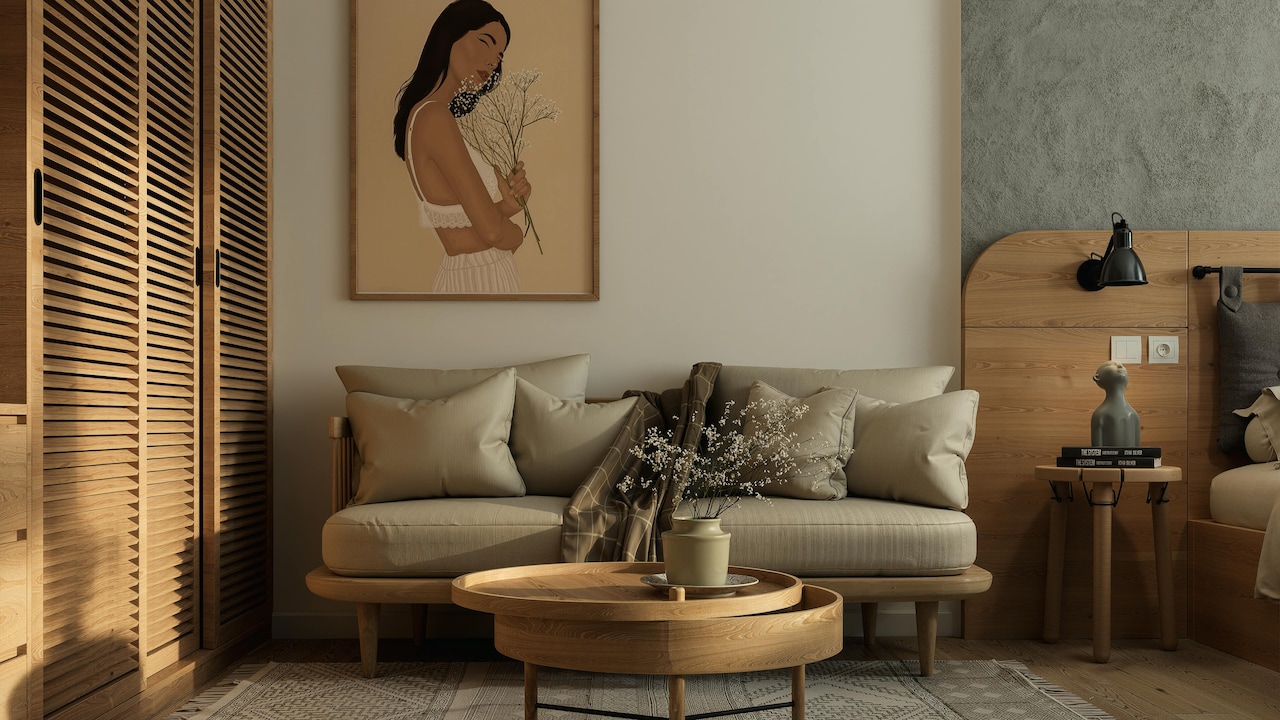
Mistakes to avoid when placing shoe racks in home; Photo Credit: Unsplash
Modern homes juggle limited space with growing lifestyle needs. Families own more footwear than ever before, from office shoes to gym trainers and festive pairs saved for special occasions. Yet, the humble shoe rack often remains an afterthought. Picked in a hurry, squeezed into corners, or bought purely for looks, it frequently fails its purpose.
The result is clutter, inconvenience, and sometimes even damage to shoes. But the problem is not a lack of options. It is a mismatch between design and real-life needs. Understanding these common mistakes can turn that chaotic entryway into a calm, organised space that feels welcoming rather than overwhelming.
Also Read: Manage Monsoon Mess: 5 Top-Rated Shoe Racks Under ₹7,000 That Keep the Mud Out and Style In
Common Space Planning Mistakes To Avoid
Choosing Style Over Function
A sleek, glossy shoe cabinet may look stunning in a showroom. It promises elegance and sophistication, and often tempts buyers with its polished finish. Yet, once placed at home, reality unfolds differently. The cabinet may hold fewer pairs than expected, feel awkward to use, or simply not suit daily habits.
Many households prioritise aesthetics over usability. The focus shifts to how the rack looks rather than how it performs. Narrow shelves might not fit bulky sneakers. Delicate hinges may struggle with frequent opening. Suddenly, that beautiful piece becomes more decorative than practical.
A well-planned shoe rack balances both form and function. It accommodates everyday footwear comfortably while still blending into the home's style. Think of it as a hardworking companion rather than a showpiece. After all, a rack that looks good but frustrates daily use will soon lose its charm.
Ignoring Entryway Dimensions
Space near the entrance often comes with limitations. Corridors can be narrow, doorways swing open unpredictably, and furniture competes for every inch. Yet, many shoe racks get purchased without proper measurements.
The result is immediate inconvenience. A bulky unit blocks movement, forcing people to sidestep awkwardly. Doors hit the rack each time they open. Guests struggle to find a place to stand while removing footwear. What should feel like a welcoming space turns cramped and uncomfortable.
Measuring the entryway before buying a rack makes a significant difference. Even a few centimetres can change how the space feels. Compact, vertical designs often work better than wide units in tight areas. A thoughtful fit ensures smooth movement and keeps the entrance functional rather than frustrating.
Overlooking Ventilation Needs
Footwear carries more than just dust. It brings moisture, odours, and bacteria into the home. Yet, many shoe racks come fully enclosed, trapping everything inside.
At first, this seems neat and organised. Shoes disappear behind closed doors, leaving the area looking tidy. But over time, unpleasant smells build up. Leather shoes may develop mould, and damp footwear struggles to dry properly.
Ventilation plays a crucial role in maintaining hygiene. Open shelves, slatted doors, or small air gaps allow airflow and reduce odour build-up. Even a slightly ventilated design can make a noticeable difference.
Ignoring this aspect often leads to hidden problems that surface later. A rack should not only store shoes but also keep them fresh and wearable. After all, no one wants to open a cabinet and be greeted by a wave of stale air.
Underestimating Shoe Collection Size
It is easy to assume a small rack will suffice. A quick mental count of footwear might suggest ten pairs at most. But reality tends to stretch beyond estimates.
Families often own multiple types of footwear, daily wear, formal shoes, sports pairs, seasonal sandals, and those rarely used but never discarded. Add guests or growing children, and the number increases further.
A rack that feels adequate today may overflow within months. Shoes spill out, stack unevenly, or end up back on the floor. The cycle of clutter begins again.
Planning for future needs helps avoid this issue. Choosing a slightly larger rack or one with expandable sections offers flexibility. It ensures that the storage solution grows with changing lifestyles rather than becoming obsolete too soon.
Ignoring Different Shoe Types
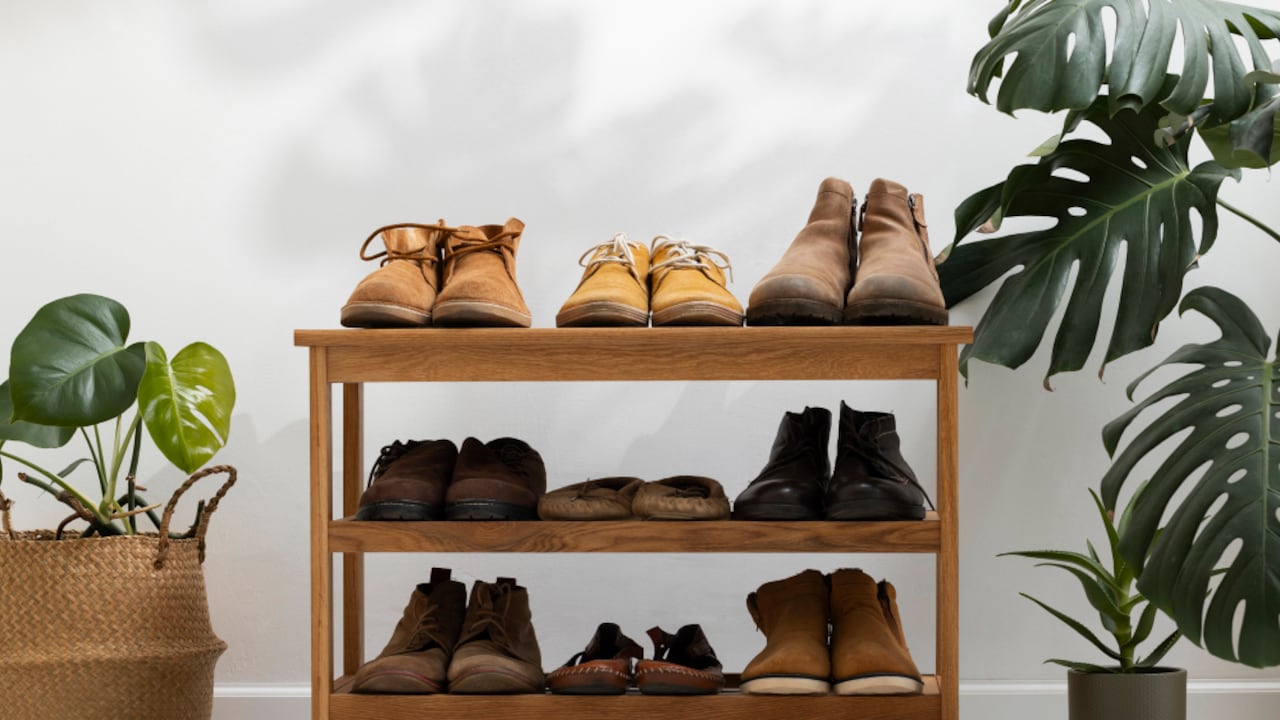
Not all shoes share the same shape or size. High heels, boots, sneakers, and flats each require different storage considerations. Yet, many racks treat all footwear as identical.
This leads to awkward compromises. Boots get squashed, heels lose their shape, and bulky shoes refuse to fit neatly into narrow shelves. Over time, this not only affects the organisation but also damages the footwear.
A well-designed rack accommodates variety. Adjustable shelves or mixed compartments allow different types of shoes to sit comfortably. This small detail enhances both usability and longevity.
Ignoring these differences may seem harmless initially, but it gradually creates inconvenience. Shoes deserve storage that respects their form, ensuring they remain in good condition for longer.

Consider the different types of shoes before choosing a rack; Photo Credit: Pexels
Placing The Rack In The Wrong Spot
Location plays a silent but powerful role in an organisation. A shoe rack placed too far from the entrance invites laziness. People drop their footwear wherever they remove it, promising to arrange it later.
Similarly, placing the rack in a damp or poorly lit area can create other issues. Moisture encourages odours and damages materials. Poor lighting makes it harder to locate pairs quickly.
The ideal spot lies close to the entrance, within easy reach. It should allow quick access without blocking movement. A well-placed rack encourages consistent use, turning organisation into a habit rather than a chore.
Choosing the wrong location often leads to clutter returning despite having a storage solution in place. Convenience, in this case, becomes the deciding factor.
Ignoring Seating While Planning
Removing shoes while standing may seem manageable, but it often proves inconvenient, especially for older family members or guests. Without a place to sit, the process feels rushed and uncomfortable.
Many modern homes overlook this simple detail. The shoe rack stands alone, without any seating nearby. As a result, people lean against walls or balance awkwardly while removing footwear.
Integrating seating into the design enhances usability significantly. A bench-style rack or a small stool nearby creates a comfortable experience. It turns a mundane activity into a smoother, more thoughtful routine.
Ignoring seating may not seem like a major mistake, but it affects daily convenience more than expected. Comfort, after all, often lies in the smallest details.
Overcomplicating The Design
In an attempt to maximise storage, some racks come loaded with features, such as sliding trays, hidden compartments, rotating sections, and more. While these sound impressive, they can complicate everyday use.
A design that feels clever initially may become frustrating over time. Mechanisms may jam, compartments may feel restrictive, and accessing shoes might take longer than expected.
Simplicity often works best. A straightforward design with easy access encourages regular use. It reduces maintenance and ensures the rack remains functional for years.
Overcomplicating a basic necessity can backfire. A shoe rack should simplify life, not add layers of effort to a routine that should remain quick and effortless.
Neglecting Cleaning And Maintenance
Shoe racks collect dust, dirt, and debris daily. Yet, cleaning often gets overlooked during planning. Designs with tight corners, fixed shelves, or difficult access make maintenance a hassle.
Over time, dirt accumulates, affecting both hygiene and appearance. The rack may start looking worn, even if it is relatively new.
Choosing a design that allows easy cleaning makes a significant difference. Removable shelves, open layouts, or slightly elevated bases simplify the process. Regular maintenance then becomes manageable rather than tedious.
Neglecting this aspect often leads to a gradual decline in both cleanliness and usability. A well-maintained rack not only looks better but also contributes to a healthier living space.
Ignoring Budget Versus Value
Price often influences decisions, but focusing solely on cost can lead to poor choices. A cheaper rack may seem appealing initially, saving a few thousand rupees. However, if it fails within months, the expense doubles.
On the other hand, an overly expensive piece may offer features that remain unused. The key lies in finding value rather than chasing extremes.
A good shoe rack aligns with daily needs, fits the available space, and lasts over time. Spending ₹3,000–₹6,000 on a durable, practical design often proves wiser than opting for the cheapest or most extravagant option.
Balancing budget and value ensures long-term satisfaction. It transforms a simple purchase into a worthwhile investment that supports daily living.
Products Related To This Article
1. Enigmatic Woodworks Wooden Shoe Rack for Home
2. AYSIS Premium Modular Plastic Shoe Rack for Home with Door
3. (Popular Rack In Us Market) Expandable Heavy Duty Shoe Rack
4. 6-Shelf Portable Shoe Rack for Home Plastic Shelves Household
5. QONETIC 6 Layer Plastic Shoe Rack for Home Stackable & Adjustable Shoe Organizer Shelf for Entryway
A shoe rack may not command attention like a sofa or dining table, yet it plays a vital role in shaping everyday comfort. It sets the tone for organisation, influences hygiene, and quietly impacts how a home feels from the moment someone steps in.
The common mistakes explored here reveal a pattern; most issues arise from overlooking real-life needs. Whether it is ignoring ventilation, misjudging space, or prioritising style over function, these choices often lead to frustration.
Thoughtful planning changes everything. A well-chosen shoe rack blends seamlessly into the home, supports daily routines, and keeps clutter at bay. It respects both space and lifestyle, offering a solution that feels natural rather than forced.
In the end, the goal is simple. Create an entryway that feels calm, organised, and welcoming. Because sometimes, the smallest corners hold the power to transform how a home truly feels.
(Disclaimer: This article may include references to or features of products and services made available through affiliate marketing campaigns. NDTV Convergence Limited (“NDTV”) strives to maintain editorial independence while participating in such campaigns. NDTV does not assume responsibility for the performance or claims of any featured products or services.)