How To Pick An Eye-Safe Study Lamp Based On Colour Temp
Choosing the right study lamp isn’t just about brightness. Learn how colour temperature affects eye comfort, focus and sleep, and how to pick a lamp that protects your eyes during long study hours.
How To Pick An Eye-Safe Study Lamp Based On Colour Temp
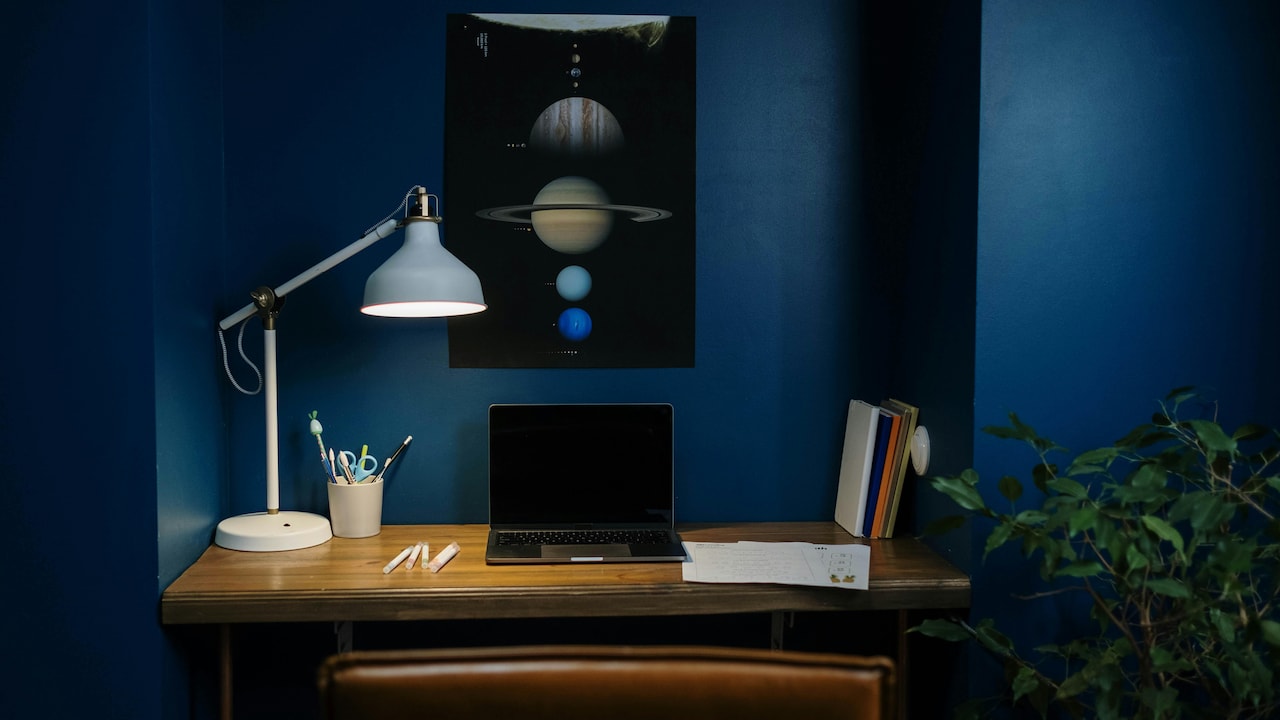
A study lamp often sits quietly on a desk, unnoticed until a late-night revision session or an urgent work deadline arrives. Yet, that humble lamp holds more power than expected. It shapes concentration, affects eye comfort, and even influences sleep. Many people focus on wattage or design, but colour temperature rarely gets the attention it deserves.
Colour temperature, measured in Kelvin, determines whether light appears warm, like a soft yellow glow or cool, like a bright white beam. This difference might seem subtle at first glance, but over time, it can decide whether eyes feel relaxed or strained.
Picture a student preparing for exams during a humid evening, or a professional finishing reports after dinner. The wrong lighting can turn a simple task into a tiring experience. The right one, however, makes everything smoother, almost effortless.
Selecting an eye-safe study lamp is less about buying the most expensive option and more about understanding how light behaves. With the right knowledge, even a modest lamp priced around ₹800 can outperform a fancy one worth ₹3,000.

How To Pick An Eye-Safe Study Lamp Based On Colour Temp
Photo Credit: Pexels
What Really Matters When Selecting The Right Study Light
Understanding What Colour Temperature Really Means
Colour temperature sounds technical, but it simply describes the tone of light. Lower Kelvin values, around 2700K to 3000K, produce warm, yellowish light. Higher values, such as 5000K to 6500K, create cool, bluish light that feels crisp and energising.
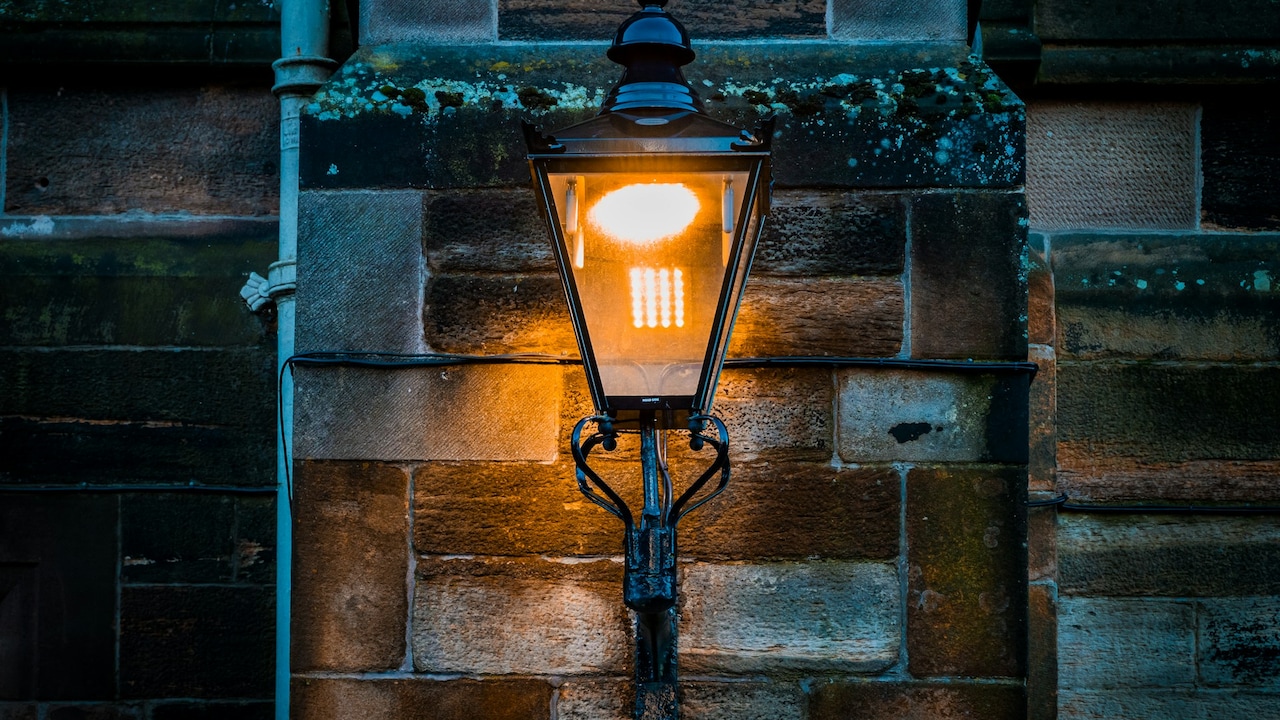
This distinction matters because the human eye reacts differently to each type. Warm light feels soothing and comfortable, much like the glow of traditional lamps during power cuts. Cool light, on the other hand, resembles daylight and boosts alertness.
A study lamp that ignores this balance can cause discomfort. Too warm, and the light may feel dim or sleepy. Too cool, and it may create glare that tires the eyes quickly. Understanding this spectrum forms the foundation of choosing the right lamp.
A good study setup often begins with awareness. Once colour temperature becomes familiar, selecting a lamp stops being confusing and starts feeling intentional.
Why Eye Safety Depends On Light Tone
Eye safety is not just about brightness. The tone of light plays an equally important role. Harsh white light may seem ideal for studying, but it can strain the eyes over long periods.
Cool light with high blue content increases alertness but can also fatigue the eyes faster. This becomes especially noticeable during late-night study sessions when the eyes already feel tired.
Warm light, although gentle, may not provide enough clarity for detailed tasks like reading fine print or working on spreadsheets. The challenge lies in finding a balance where the eyes remain comfortable without sacrificing visibility.
A well-chosen colour temperature reduces squinting, blinking, and that familiar heaviness around the eyes. Over time, this prevents headaches and keeps productivity steady.
Eye safety, therefore, comes from harmony rather than extremes. The lamp should support the eyes, not challenge them.
Choosing The Ideal Kelvin Range For Studying
For most study environments, a colour temperature between 4000K and 5000K works best. This range offers a neutral white light that balances clarity and comfort.
At around 4000K, the light feels clean yet soft enough for extended reading. Moving closer to 5000K introduces a better, daylight-like effect that enhances focus. This range suits tasks that demand attention to detail.
Students preparing for exams often benefit from this neutral tone. It keeps the mind alert without overwhelming the eyes. Professionals working from home also find this range practical for long hours.
Going beyond 6000K may seem tempting for maximum brightness, but it often results in excessive glare. The light becomes too sharp, especially in smaller rooms.
A thoughtful choice within the 4000K to 5000K range creates a comfortable environment where concentration flows naturally.
Matching Light To Study Timing
Time of day influences how light affects the body. Morning and afternoon hours pair well with cooler light, which mimics natural daylight and boosts alertness.
Evening study sessions require a different approach. Bright white light late at night can disrupt sleep patterns. It signals the brain to stay awake, making it harder to wind down later.
A study lamp with adjustable colour temperature becomes valuable here. Switching from 5000K during the day to around 3500K in the evening helps maintain a natural rhythm.
Consider a scenario where someone studies after dinner under harsh white light. Sleep may feel delayed, and the next day starts with fatigue. A simple adjustment in lighting could prevent this.
Matching light to timing ensures that productivity does not come at the cost of rest.
The Role Of Brightness Alongside Colour Temperature
Colour temperature alone does not define eye comfort. Brightness, measured in lumens, works alongside it. A perfectly chosen colour temperature with poor brightness still leads to strain.
A study lamp should provide enough illumination to avoid shadows on books or screens. Around 400 to 800 lumens usually works well for desk setups.
Too dim, and the eyes struggle to focus. Too bright, and glare becomes an issue. The combination of balanced brightness and suitable colour temperature creates an ideal environment.
Think of it like seasoning in cooking. Even the best ingredients fail without the right balance. Similarly, light needs both tone and intensity to work effectively.
When selecting a lamp, checking both Kelvin and lumens ensures a complete solution rather than a partial fix.
How To Pick An Eye-Safe Study Lamp Based On Colour Temp
Photo Credit: Pexels
Avoiding Blue Light Overexposure
Blue light often receives negative attention, and for good reason. Excessive exposure, especially at night, can cause eye strain and disrupt sleep cycles.
Cooler colour temperatures contain more blue light. While useful during the day, they should be limited in the evening. Many modern lamps include filters or modes to reduce blue light.
Long hours in front of books or screens already expose the eyes to strain. Adding intense blue light on top of that increases discomfort.
Choosing a lamp with adjustable settings or built-in eye-care modes helps manage this issue. Even simple habits, like lowering brightness at night, make a difference.
Eye safety does not mean avoiding blue light entirely. It means using it wisely.
Considering Desk Placement And Light Direction
Even the best lamp fails if placed incorrectly. Light should fall evenly on the study surface without casting shadows or shining directly into the eyes.
A lamp positioned on the opposite side of the writing hand prevents shadows. For example, right-handed users benefit from placing the lamp on the left.
The angle of the light also matters. A flexible neck or adjustable head allows better control over direction. This reduces glare and keeps the focus on the task.
Many overlook this aspect and blame the lamp itself. In reality, small adjustments in placement can transform the experience.
A well-placed lamp complements the chosen colour temperature, enhancing comfort and efficiency.
Selecting The Right Lamp Design And Features
Modern study lamps offer more than basic lighting. Features like dimming, touch controls, and adjustable colour temperature provide flexibility.
A lamp with multiple modes adapts to different tasks. Reading, writing, and screen work each benefit from slightly different lighting conditions.
Build quality also matters. A sturdy base prevents wobbling, while a smooth, adjustable arm adds convenience.
Price does not always guarantee quality. A well-designed lamp around ₹1,200 can outperform a poorly built one costing ₹2,500.
Design should support function rather than distract from it. A sleek lamp that fits comfortably on the desk often proves more useful than a bulky one with unnecessary features.
Understanding Long-Term Eye Health Benefits
Investing in the right study lamp pays off over time. Reduced eye strain leads to better focus, fewer headaches, and improved productivity.
Students often ignore these factors until discomfort becomes noticeable. By then, habits have already formed.
A consistent lighting setup protects vision and supports overall well-being. It also creates a study environment that feels inviting rather than tiring.
Small changes, like choosing the correct colour temperature, have lasting effects. They improve not only study sessions but also daily comfort.
Eye health is easy to overlook, but it becomes invaluable when maintained properly.
Also Read: Protect Your Eyes with the Right Lighting: Table Lamps vs Study Lamps Explained
Balancing Budget And Quality
A good study lamp does not need to break the bank. Many reliable options fall within ₹700 to ₹1,500, offering adjustable brightness and colour temperature.
Expensive models often include additional features, but the core requirement remains the same. A balanced colour temperature and comfortable brightness matter more than fancy extras.
Before purchasing, it helps to check specifications rather than relying solely on appearance. A stylish lamp without proper lighting can disappoint quickly.
Budget-friendly options can still deliver excellent performance when chosen wisely. The key lies in understanding what truly matters.
A thoughtful purchase ensures value without unnecessary spending.
How To Pick An Eye-Safe Study Lamp Based On Colour Temp
Photo Credit: Pexels
Products Related To This Article
1. WEIRD WOLF Table Lamp for Study Room
2. Wipro Rechargeable Table lamp 6W TL2 Pack of 1 White
3. FLYNGO Plastic 3 Color Mode Led Study Table Desk Lamp For Students With Pen & Phone Holder
4. Plastic Table Desk Lamp For Study Room Led Table Lamp For Students With Pen Phone Holder Mini Gooseneck
5. Fulminare Plastic LED Desk Lamp Dimmable Reading Table Lamp with USB Charging Port 3 Colour Mode
Choosing an eye-safe study lamp based on colour temperature is not complicated once the basics become clear. It involves understanding how light tone affects comfort, matching it with daily routines, and ensuring proper brightness.
A balanced range between 4000K and 5000K works well for most situations, while adjustable options provide flexibility for different times of day. Placement, design, and features further enhance the experience.
The right lamp transforms a study space into a comfortable and productive environment. It reduces strain, improves focus, and supports long-term eye health.
In the end, the goal is simple. Light should work with the eyes, not against them. A well-chosen study lamp quietly supports every late-night revision, every early morning plan, and every moment of concentration.
(Disclaimer: This article may include references to or features of products and services made available through affiliate marketing campaigns. NDTV Convergence Limited (“NDTV”) strives to maintain editorial independence while participating in such campaigns. NDTV does not assume responsibility for the performance or claims of any featured products or services.)












![Steam Iron Teflon Shoe Cover for ES-300,ST-96 [Only For ES-300 and ST-96 Model Electric Steam Irons]](https://m.media-amazon.com/images/I/51wwkttondL._SL160_.jpg)