Sleep Smarter: Mattress Buying Mistakes That Could Be Causing Your Back Pain
Waking up with back pain? Your mattress could be the real culprit. Avoid common buying mistakes that harm spinal health, disrupt sleep, and leave you aching every morning.
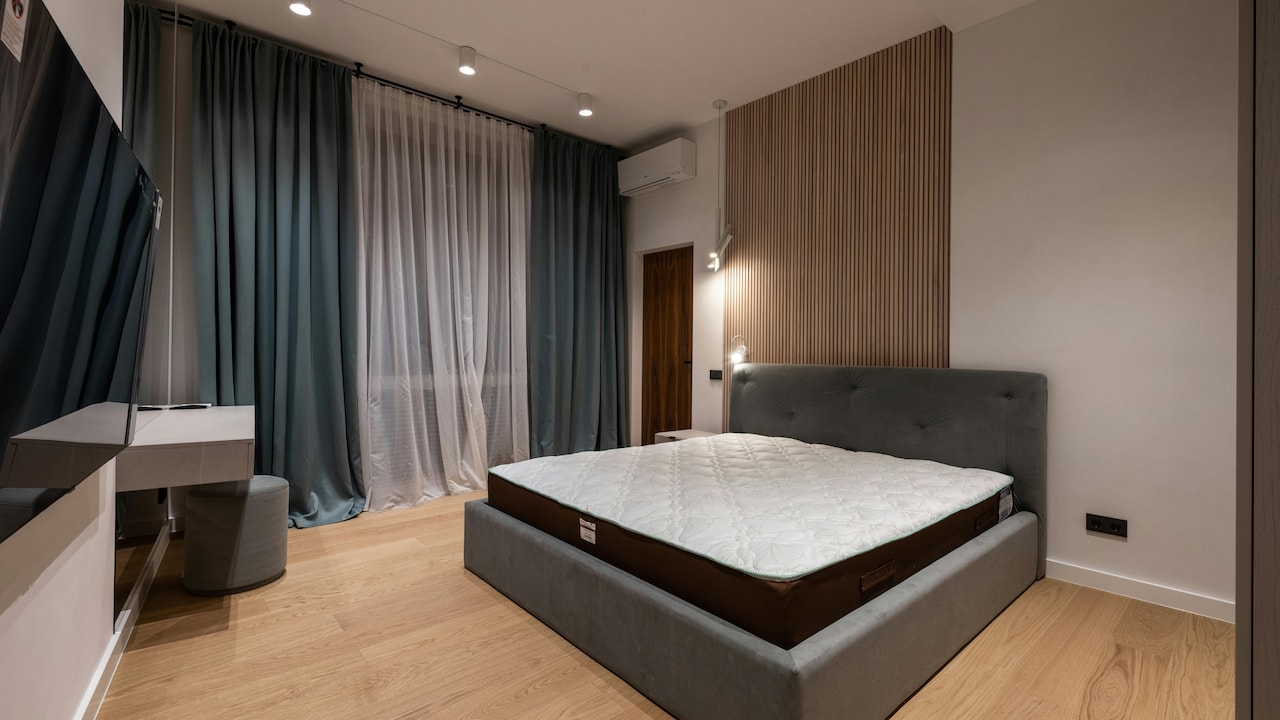
Is Your Mattress Causing Back Pain? Common Buying Mistakes To Avoid
Back pain has become an unwelcome guest in countless households. Long commutes, desk jobs, endless screen time, and poor posture often take the blame, but there's another culprit many overlook: the mattress. That innocent-looking rectangle can either cradle the body like a dream or turn sleep into an eight-hour wrestling match. Buying a mattress often feels deceptively simple. Walk into a showroom, lie down for five minutes, listen to a salesperson, and pick whichever one seems comfortable enough. Yet this rushed decision can lead to years of discomfort, broken sleep, and frequent visits to orthopaedic specialists. With mattresses often costing anywhere from ₹10,000 to ₹1,00,000 or more, mistakes can be painfully expensive.

Is Your Mattress Causing Back Pain? Common Buying Mistakes To Avoid; Photo Credit: Pexels
A mattress is not just furniture; it is an investment in health. The wrong choice can worsen lower back pain, strain muscles, and disrupt deep sleep. The right one can improve posture, reduce pressure points, and transform mornings from groggy misery into genuine refreshment. Understanding the common mistakes buyers make can help sidestep poor decisions and create a healthier, happier sleep experience.
Common Mattress Buying Mistakes To Avoid
Mistaking Firmness For Support
One of the biggest myths in mattress shopping is believing that firmer always means better for back pain. Many assume a rock-hard mattress will keep the spine perfectly aligned, but that's not always true. In reality, excessive firmness can create pressure points around the hips, shoulders, and lower back.
A mattress should support the natural curve of the spine while allowing the body to relax. Too firm, and the body may remain tense throughout the night. Too soft, and it can sink awkwardly, throwing the alignment off balance. The sweet spot often lies in medium-firm options, especially for those dealing with chronic back issues.
Picture sleeping on a wooden bench during a train journey. It may feel sturdy, but comfort quickly disappears. Mattresses work similarly. Support does not mean sacrificing comfort. A well-balanced mattress provides enough resistance to support posture while cushioning joints. Choosing firmness based solely on outdated beliefs can turn bedtime into a nightly endurance test.
Also Read: 5 Best Mattresses for Couples with Different Sleep Preferences | Price, Features, and Reviews
Ignoring Sleeping Position
Not all sleepers are built the same. Side sleepers, back sleepers, and stomach sleepers each need different mattress features. Ignoring personal sleeping position is a classic mistake that can quietly worsen back pain over time.
Side sleepers usually need softer surfaces that cushion the shoulders and hips. Back sleepers benefit from balanced support that keeps the spine neutral. Stomach sleepers often require firmer surfaces to prevent the midsection from sinking too deeply.
Buying a mattress without considering these needs is like purchasing shoes without checking the size. It may seem fine initially, but discomfort soon follows. A mattress that suits one partner may feel dreadful for another, especially in shared households.
Sleep posture shapes spinal alignment for hours each night. Choosing the wrong mattress for your sleeping style can create muscle strain, poor circulation, and morning stiffness. Understanding personal sleep habits before stepping into a showroom can prevent costly regret and countless sleepless nights.
Falling For Flashy Discounts And Sales Gimmicks
Festive sales, “limited-time offers,” and dramatic markdowns often tempt buyers into rushed decisions. A mattress advertised as slashed from ₹80,000 to ₹35,000 may seem irresistible, but inflated pricing tricks are common.
The mattress industry frequently relies on perceived value rather than genuine savings. Many shoppers focus on discounts instead of material quality, warranty, or suitability. This often leads to buying an unsuitable mattress simply because the deal feels too good to miss.
A bargain loses its charm quickly when back pain worsens after a few weeks. A mattress should never be chosen like a discounted mixer grinder during festive shopping chaos. Comfort and support matter far more than showroom theatrics.
Instead of being dazzled by percentages, smart buyers compare construction, trial periods, and customer reviews. Looking beyond the flashy signage can save both money and spinal health. Good sleep is priceless, and poor choices driven by marketing hype often come with hidden costs.

Is Your Mattress Causing Back Pain? Common Buying Mistakes To Avoid; Photo Credit: Pexels
Overlooking Mattress Materials
Memory foam, latex, innerspring, hybrid, mattress terminology can feel overwhelming. Many buyers skip researching materials entirely, assuming all mattresses serve the same purpose. That shortcut can lead to serious discomfort.
Each material offers different benefits. Memory foam contours closely but may trap heat. Latex provides responsive support and durability. Innerspring mattresses offer bounce but can lack pressure relief. Hybrid designs combine features but vary widely in quality.
Choosing without understanding materials can result in sleeping on something that feels uncomfortable or aggravates pain. For example, someone prone to overheating may struggle with dense foam options, while another person with joint pain may need deeper contouring.
Mattress materials directly impact spinal support, temperature regulation, and durability. Ignoring this factor often means settling for short-term comfort over long-term wellness. A little research can make the difference between restorative sleep and waking up feeling like a creaky old door.
Skipping The Trial Period
Testing a mattress for five minutes in a brightly lit showroom tells very little about long-term comfort. Yet many buyers commit after one brief lie-down, only to discover problems weeks later.
The body often needs several nights, sometimes even a month, to adjust to a new sleep surface. This is where trial periods become essential. Reputable brands usually offer sleep trials ranging from 30 to 100 nights, allowing buyers to test comfort properly.
Skipping this safety net can be a costly gamble. A mattress that feels heavenly in-store may become unbearable after full-night use. Pressure points, heat retention, or inadequate support may only reveal themselves over time.
Buying without a trial period is a bit like agreeing to a long road trip with someone after a five-minute chat. Things can unravel quickly. Prioritising brands with generous return policies provides peace of mind and significantly reduces buyer's remorse.
Neglecting Body Weight And Health Conditions
Body weight plays a major role in mattress performance, yet it is often overlooked. A mattress that feels supportive for one person may sag or feel overly rigid for another.
Heavier individuals often need firmer support to maintain spinal alignment, while lighter sleepers may require softer cushioning. Existing health issues such as sciatica, arthritis, or chronic lower back pain also demand careful consideration.
Ignoring these personal factors can lead to poor pressure distribution and increased pain. Mattresses are not one-size-fits-all, no matter how persuasive advertising may seem.
For households with varying needs, customised or dual-comfort mattresses can offer practical solutions. Investing with health requirements in mind ensures better comfort and fewer painful mornings. Sleep should heal the body, not worsen existing discomfort.
Forgetting About Mattress Size
In many homes, mattress size decisions revolve around budget or room dimensions rather than sleep quality. Squeezing two adults onto a cramped mattress can disturb sleep and contribute to awkward sleeping postures.
Insufficient space often leads to tossing, turning, and poor spinal alignment. Couples may unconsciously adapt uncomfortable positions just to avoid disturbing each other, placing extra strain on the back.
A larger mattress often improves sleep by allowing natural movement and better posture. While upgrading from a queen to a king-size may cost more upfront, the benefits can outweigh the expense over time.
Think of it as the difference between stretching comfortably in business class versus curling up in a crowded bus seat. Sleep space matters. Choosing a mattress that prioritises room to move can make nights significantly more restorative.
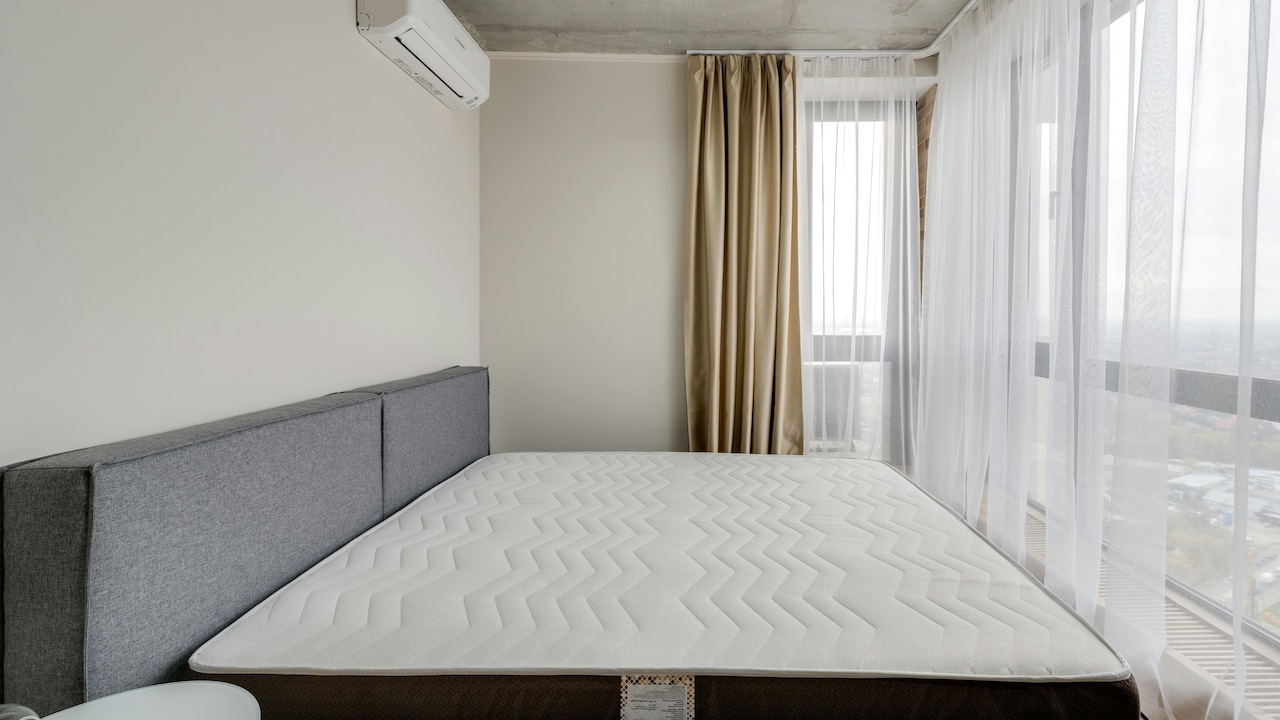
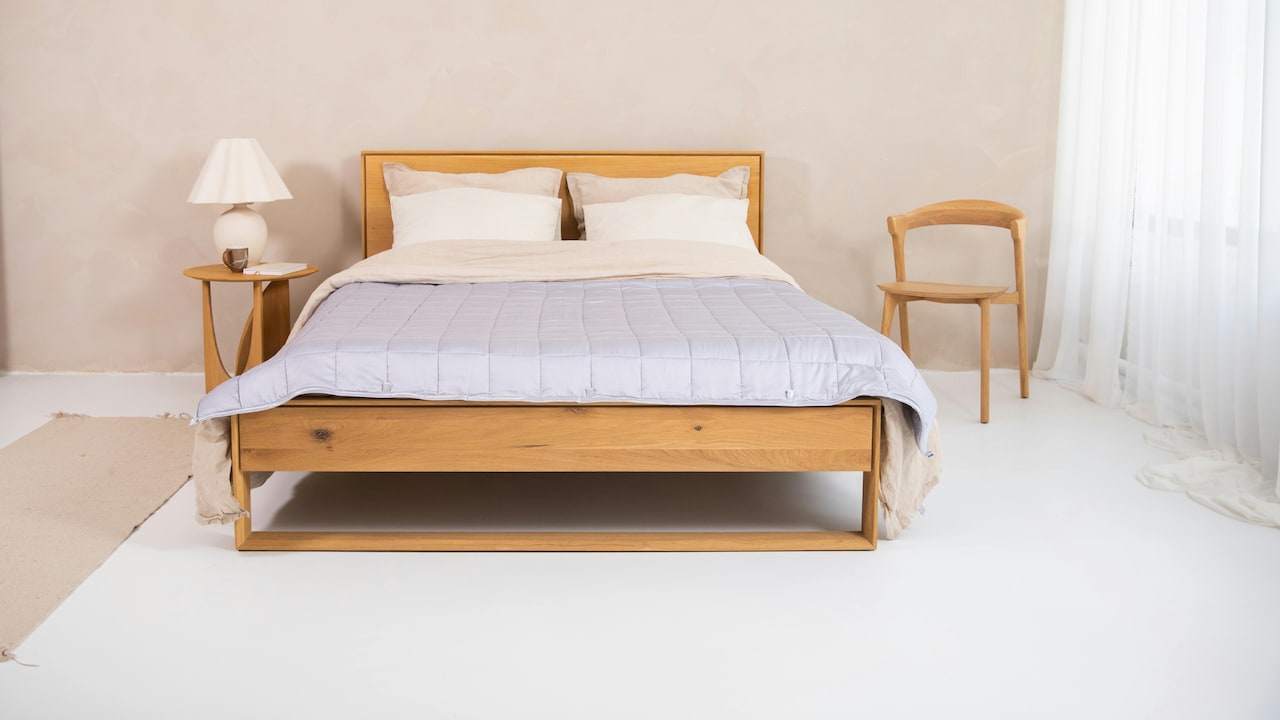
Is Your Mattress Causing Back Pain? Common Buying Mistakes To Avoid; Photo Credit: Pexels
Prioritising Brand Name Over Personal Comfort
Big brands often create a false sense of security. Many shoppers assume that a famous label automatically guarantees quality, but popularity does not always equal compatibility.
A well-marketed mattress may still fail to suit personal needs. Comfort preferences vary widely, and expensive branding cannot replace proper support. Some lesser-known manufacturers offer excellent ergonomic designs at more reasonable prices.
Blind brand loyalty can lead to overspending on features that do little for back health. Mattresses should be selected based on comfort, construction, and body support rather than glossy advertisements or celebrity endorsements.
Choosing a mattress is deeply personal. Trusting comfort over reputation often leads to better outcomes. After all, logos do not cure back pain; thoughtful design does.
Ignoring Mattress Lifespan
Many people continue using old mattresses long after their prime, unaware that worn-out materials can severely impact spinal health. Over time, mattresses sag, lose resilience, and develop uneven surfaces.
Sleeping on an ageing mattress can force the spine into unnatural positions, leading to chronic discomfort. If a mattress is over seven to ten years old and causing visible sagging or discomfort, replacement may be overdue.
Some households hesitate due to replacement costs, but continuing with poor support often results in hidden expenses through medical treatments, physiotherapy, or reduced productivity.
A mattress is not a lifetime purchase. Like tyres or office chairs, it requires timely replacement for optimal performance. Recognising when to let go of an old mattress can significantly improve sleep quality and back health.
Failing To Research Reviews And Real Experiences
Relying solely on showroom advice can be risky. Sales representatives naturally highlight positives, but real customer reviews often reveal long-term issues such as sagging, overheating, or poor customer service.
Ignoring user experiences can lead to unpleasant surprises. Reading verified reviews helps uncover practical insights that marketing brochures conveniently skip.
Pay attention to feedback from people with similar body types or back concerns. Patterns in reviews often reveal whether a mattress genuinely supports spinal health or simply photographs well.
A bit of digital detective work can prevent expensive mistakes. Mattress shopping deserves the same level of research as buying a smartphone or major appliance. Better-informed decisions often lead to healthier sleep and fewer regrets.
Products Related To This Article
1. Wakefit ShapeSense Orthopedic Classic Memory Foam Mattress
2. SleepyCat Original Ortho Mattress with AirGen™ Memory Foam
3. Wakeup India Virasat Dual Comfort Foam Mattress with Body Zone Technology Single Size
4. The Sleep Company Orthopedic GRID Mattress
5. Sleepyhead Original - 3 Layered BodyIQ Orthopedic Memory Foam Mattress
6. Florance Premium Flip Dual Comfort Mattress with Pain Relief Technology
7. Wakefit ShapeSense Orthopedic Classic Memory Foam Mattress
Back pain rarely stems from one source alone, but the mattress plays a far greater role than many realise. A poor mattress choice can quietly undermine health night after night, while the right one can support the spine, ease discomfort, and improve overall well-being.
From believing firmness myths to falling for sales gimmicks, common buying mistakes often transform bedrooms into hidden battlegrounds for back pain. Smarter mattress shopping requires patience, research, and a focus on personal comfort over flashy promises.
Quality sleep is not a luxury; it is a necessity. Investing wisely in the right mattress can mean fewer painful mornings, better energy levels, and improved long-term health. In the end, sleeping smarter may be one of the simplest ways to protect the back and wake up ready to face the day with comfort rather than creaks.
(Disclaimer: This article may include references to or features of products and services made available through affiliate marketing campaigns. NDTV Convergence Limited (“NDTV”) strives to maintain editorial independence while participating in such campaigns. NDTV does not assume responsibility for the performance or claims of any featured products or services.)