Memory Foam vs Gel Mattress Toppers: Which Helps Back Pain More?
Struggling with back pain? Memory foam and gel mattress toppers offer different benefits. Discover which topper provides better spinal support, cooling comfort and value for restful, pain-free sleep.
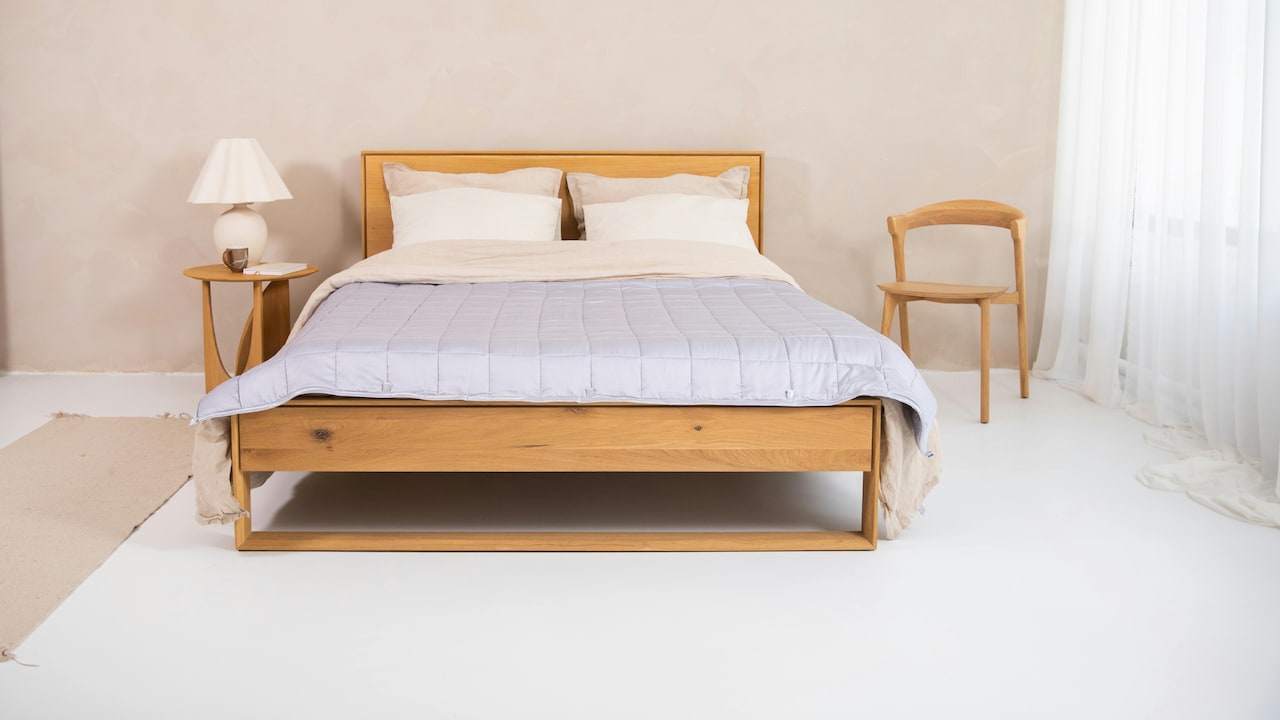
Gel vs memory foam mattress topper which is better for back pain
Back pain has quietly become one of the most common complaints in modern life. Long office hours, endless traffic, poor posture, and sagging mattresses create the perfect storm for restless nights. Many people assume a costly orthopaedic mattress is the only answer, but mattress toppers often provide a surprisingly effective and budget-friendly solution. Among the most popular choices, memory foam and gel mattress toppers dominate the conversation. At first glance, they may seem nearly identical. Both add cushioning. Both claim spinal support. Both promise sweet relief after a tiring day. Yet beneath the surface, they serve the body in distinct ways.
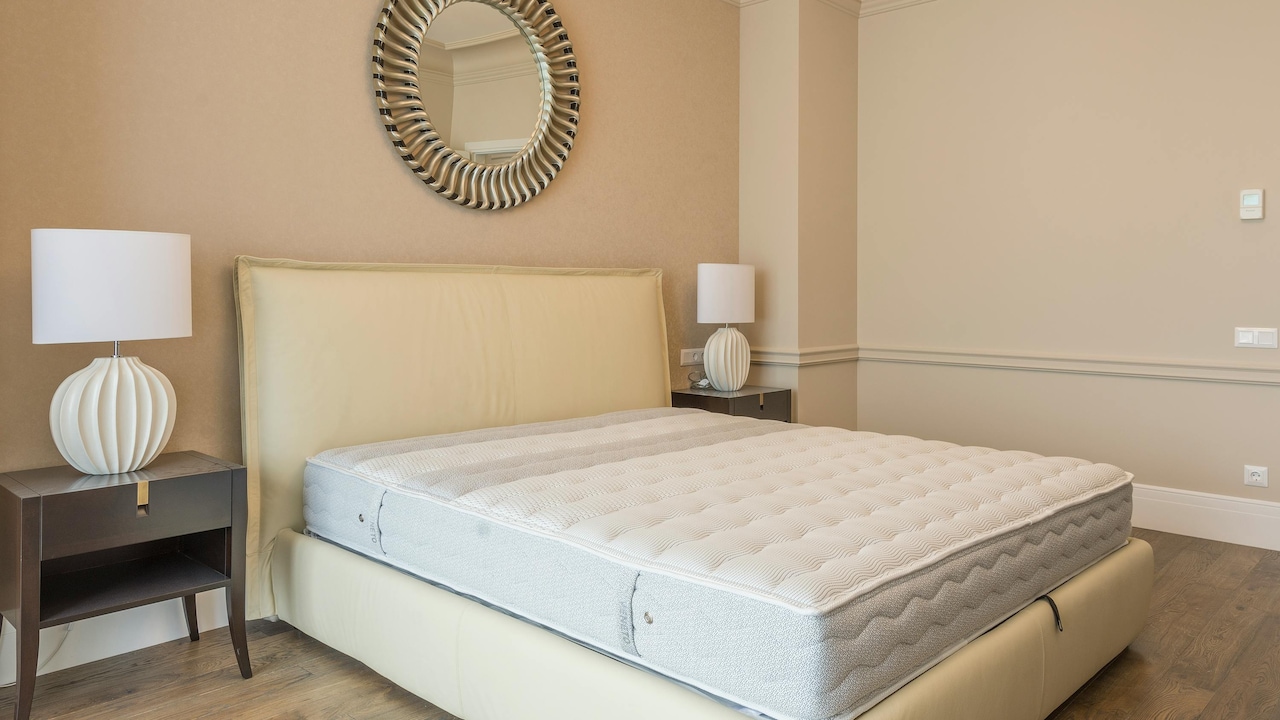
How to choose the best mattress topper for back pain; Photo Credit: Pexels
Choosing the wrong topper can feel like buying expensive disappointment wrapped in fancy packaging. One may trap heat during sweaty summer nights, while the other may lack enough contouring for proper spinal alignment. The real question is not which topper sounds more luxurious, but which one genuinely helps reduce back pain.
For sleepers trying to balance comfort, affordability, and practical relief, understanding these differences matters greatly. The right topper can transform sleep quality, improve posture, and even reduce daily discomfort. The wrong one may simply become another household regret tucked beneath the bedsheet.
Also Read: We Slept On Memory Foam, Latex, And Hybrid Mattresses, Here Is The Difference
Key Differences Between Memory Foam And Gel Mattress Toppers
How Memory Foam Supports The Spine
Memory foam toppers have built their reputation on body contouring. Originally designed by NASA, this material responds to heat and pressure, moulding closely to the sleeper's body shape. This adaptive quality allows the topper to distribute weight evenly and reduce pressure on sensitive points such as the lower back, hips, and shoulders.
For those dealing with chronic back pain, this contouring often feels like a gentle embrace rather than a hard sleeping surface. It helps maintain spinal alignment, especially for side and back sleepers. Instead of forcing the body into awkward positions, memory foam adjusts to natural curves.
However, the same close-hugging nature can feel restrictive for some people. Combination sleepers who shift positions often may find memory foam slightly harder to move on. In warmer regions, traditional memory foam can also trap body heat, making sleep uncomfortable.
Still, for deep pressure relief and targeted support, memory foam remains a strong contender. It often works best for individuals with persistent aches who prioritise cushioning over cooling.
Why Gel Toppers Feel Cooler At Night
Gel mattress toppers emerged as a response to one major complaint about memory foam: heat retention. By infusing gel beads or layers into foam, manufacturers aimed to create a sleep surface that regulates temperature more effectively.
This cooling effect can make a significant difference during humid nights when ceiling fans seem to do little more than circulate warm air. Gel toppers generally feel fresher and less stuffy, which can improve sleep quality for hot sleepers.
From a back pain perspective, gel toppers still offer pressure relief, though often with a slightly firmer feel than pure memory foam. This firmness can benefit sleepers who need support but dislike sinking deeply into their mattress.
The downside lies in consistency. Some lower-cost gel toppers may lose cooling effectiveness over time, especially with regular use. While they may feel refreshingly cool at first, durability can vary depending on build quality.
For those balancing back support with temperature control, gel toppers often strike an appealing middle ground.
Firmness Matters More Than Material Alone
When tackling back pain, firmness often matters just as much as topper type. A topper that feels too soft can allow the spine to sink unnaturally, worsening discomfort. Too firm, and pressure points may intensify.
Memory foam typically offers a plush-to-medium feel, depending on density. Higher-density versions usually provide better orthopaedic support but may cost more, often ranging from ₹7,000 to ₹15,000.
Gel toppers often lean towards medium-firm support, which many back pain sufferers appreciate. This balanced firmness can help keep the spine stable without sacrificing comfort.
The ideal firmness depends heavily on sleeping position. Side sleepers often benefit from softer surfaces that cushion shoulders and hips, while stomach sleepers generally need firmer support to prevent lower back strain.
Rather than focusing solely on whether a topper contains foam or gel, shoppers should prioritise firmness level and body compatibility. A well-matched topper often outperforms premium materials chosen blindly.
Climate Plays A Bigger Role Than Expected
Weather can dramatically influence mattress topper satisfaction. In hot and humid environments, traditional memory foam may feel like sleeping on warm dough after several hours.
This issue often disrupts sleep cycles, leading to tossing, turning, and increased muscle stiffness by morning. For back pain sufferers, poor sleep can worsen inflammation and discomfort.
Gel toppers generally perform better under warmer conditions due to improved airflow and cooling properties. While not as breezy as latex or cotton alternatives, they usually offer more comfort than standard memory foam.
For households without constant air conditioning, climate compatibility becomes essential. Spending ₹10,000 on a topper that causes overheating can quickly feel like a costly mistake.
Cooling covers, breathable sheets, and room ventilation can improve either topper's performance, but gel often enjoys the advantage in naturally warm settings.
Durability And Long-Term Value
A mattress topper should not only feel good initially but continue supporting the body for years. Durability often separates worthwhile purchases from short-lived bargains.
Memory foam toppers, especially high-density versions, generally offer excellent longevity. They resist sagging and maintain contouring for several years when properly maintained.
Gel toppers can also last well, though lower-quality models sometimes degrade faster. Over time, cooling gel distribution may weaken, and support may decline.
While premium memory foam options may carry a higher upfront cost, they often deliver stronger long-term value. A topper that maintains spinal support for five years can prove more economical than replacing a cheaper gel topper every two years.
Maintenance also matters. Regular rotation, proper mattress protection, and moisture control can significantly extend lifespan.
Choosing solely based on price may save money initially, but often leads to repeat expenses and recurring discomfort.
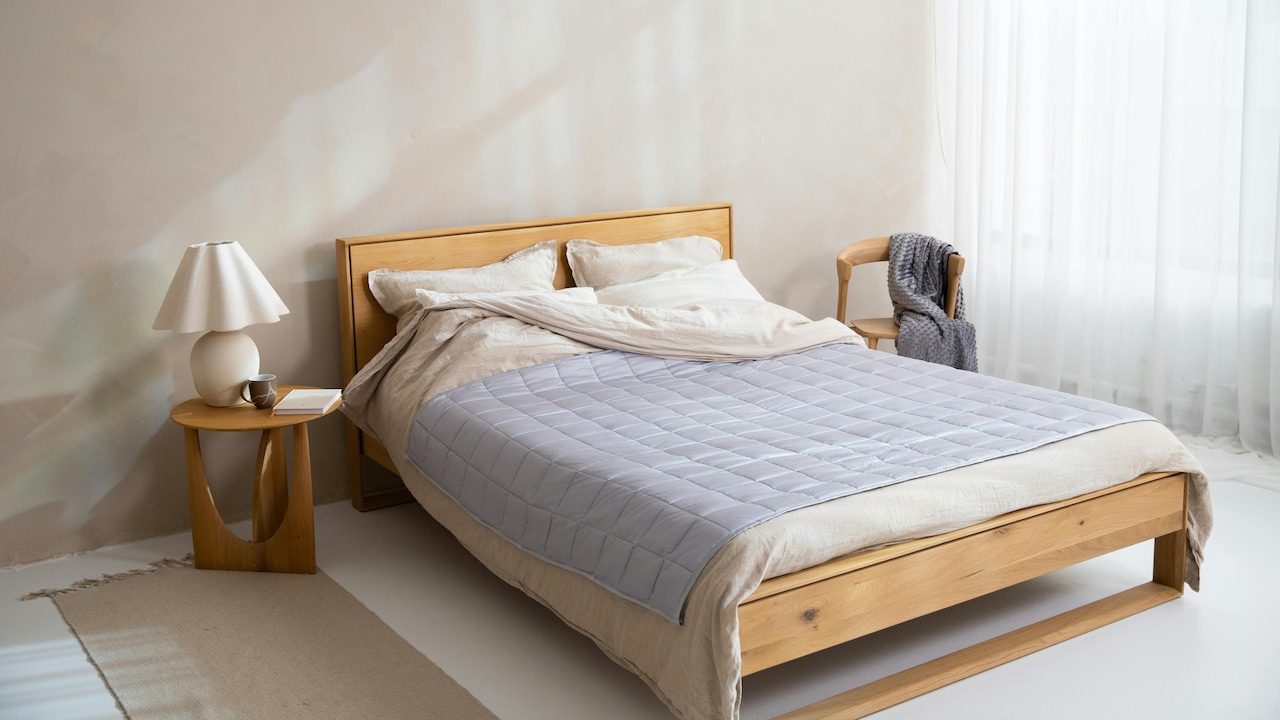
While gel toppers last well, memory foam toppers resist sagging for years; Photo Credit: Pexels
Motion Isolation And Shared Sleep Benefits
For couples, mattress topper performance extends beyond back pain. Sleep disturbances from a restless partner can affect recovery and comfort.
Memory foam excels at motion isolation. Its dense structure absorbs movement, meaning one person turning over at night causes minimal disruption. This feature can prove invaluable for light sleepers.
Gel toppers also reduce motion transfer, though generally not to the same degree. Their firmer structure may transmit slightly more movement across the bed.
For households where one partner suffers from back pain and sleep interruptions, memory foam may provide a dual benefit of support and uninterrupted rest.
After all, a topper that relieves back pain but causes repeated waking due to partner movement only solves half the problem.
Weight And Body Type Influence Comfort
Body weight significantly affects topper performance. Heavier individuals often compress softer materials more deeply, altering support levels.
Memory foam's contouring can work wonderfully for moderate body weights, but softer options may feel too enveloping for heavier sleepers. Higher-density memory foam often performs better here.
Gel toppers, with their slightly firmer structure, may provide more balanced support for larger body frames. They often prevent excessive sinking while still cushioning pressure points.
Lighter individuals, meanwhile, may appreciate memory foam's softer embrace more than firmer gel surfaces.
Personal comfort cannot be ignored. A topper praised universally may still feel completely wrong for a specific body type.
Trying products in-store or selecting brands with trial periods can reduce the gamble.
Maintenance And Hygiene Considerations
Mattress toppers quietly collect dust, sweat, and allergens over time. Ease of maintenance, therefore, matters more than many buyers realise.
Memory foam can be more challenging to clean due to its dense absorption properties. Spills or moisture may linger, potentially affecting hygiene if not addressed quickly.
Gel toppers often include removable, washable covers and slightly better moisture management. This can make them more practical for households dealing with humidity or accidental spills.
Regular airing, protective covers, and vacuuming remain important for both options.
In cities where dust and moisture are constant companions, low-maintenance bedding solutions can save both effort and money.
A topper may promise luxurious comfort, but if cleaning it feels like handling a fragile science experiment, practicality suffers.
Price Comparison And Budget Reality
Budget shapes most household decisions, especially when balancing comfort with financial priorities.
Memory foam toppers typically range between ₹5,000 and ₹20,000, depending on thickness and density. Premium models often justify their price through durability and superior contouring.
Gel toppers generally fall within a similar range, though affordable options can sometimes be found from ₹4,000 onwards.
For occasional back pain or temporary solutions, mid-range gel toppers may offer excellent value. For chronic discomfort requiring sustained support, investing in quality memory foam may prove wiser.
Rather than chasing the cheapest deal, focusing on long-term comfort often delivers better savings.
After all, poor sleep has hidden costs too, from reduced productivity to endless cups of strong morning chai.
Which Topper Truly Helps Back Pain More?
The answer depends less on flashy marketing and more on personal needs.
Memory foam often wins for deep contouring, spinal alignment, and motion isolation. It suits chronic pain sufferers who prioritise pressure relief and don't mind a warmer sleep surface.
Gel toppers shine for balanced support, cooler sleep, and better adaptability in warm climates. They often appeal to hot sleepers and those seeking firmer comfort.
Neither option offers a universal miracle cure. The best choice depends on sleeping style, climate, body type, and budget.
For many households, gel toppers provide practical comfort with cooling advantages, while memory foam remains the gold standard for targeted pain relief.
Products Related To This Article
1. Orista High Resilience Foam Mattress Topper
2. Springtek Premium Memory Foam Gel Mattress Topper for Single Size Bed
3. SleepyHug OrthoSoft PRO Mattress Topper
4. UrbanBed Cool Gel Memory Foam Mattress Topper King Size
5. Frido Ultimate Mattress Topper with Premium Cover for Single Bed
6. Springtek Premium 2 Inches Gel Memory Foam Mattress Topper for Single Bed
7. SINWEEK 3 Inch Gel Memory Foam Mattress Topper Ventilated Soft Pressure Relieve Mattress Pad
Back pain can steal energy, disrupt sleep, and quietly diminish daily life. Choosing the right mattress topper offers a realistic, budget-conscious way to improve rest without committing to an expensive mattress overhaul.
Memory foam delivers exceptional contouring and pressure relief, making it ideal for those with chronic aches and alignment concerns. Gel toppers, meanwhile, offer cooler, firmer comfort that often suits warmer nights and broader sleeping preferences.
The smartest decision lies in understanding personal sleep habits rather than following trends. A topper should support the spine, encourage restful sleep, and fit naturally into daily life.
Whether opting for the cocoon-like comfort of memory foam or the refreshing balance of gel, the right choice can transform not only sleep but mornings too. And waking without that familiar backache may just feel priceless.
(Disclaimer: This article may include references to or features of products and services made available through affiliate marketing campaigns. NDTV Convergence Limited (“NDTV”) strives to maintain editorial independence while participating in such campaigns. NDTV does not assume responsibility for the performance or claims of any featured products or services.)