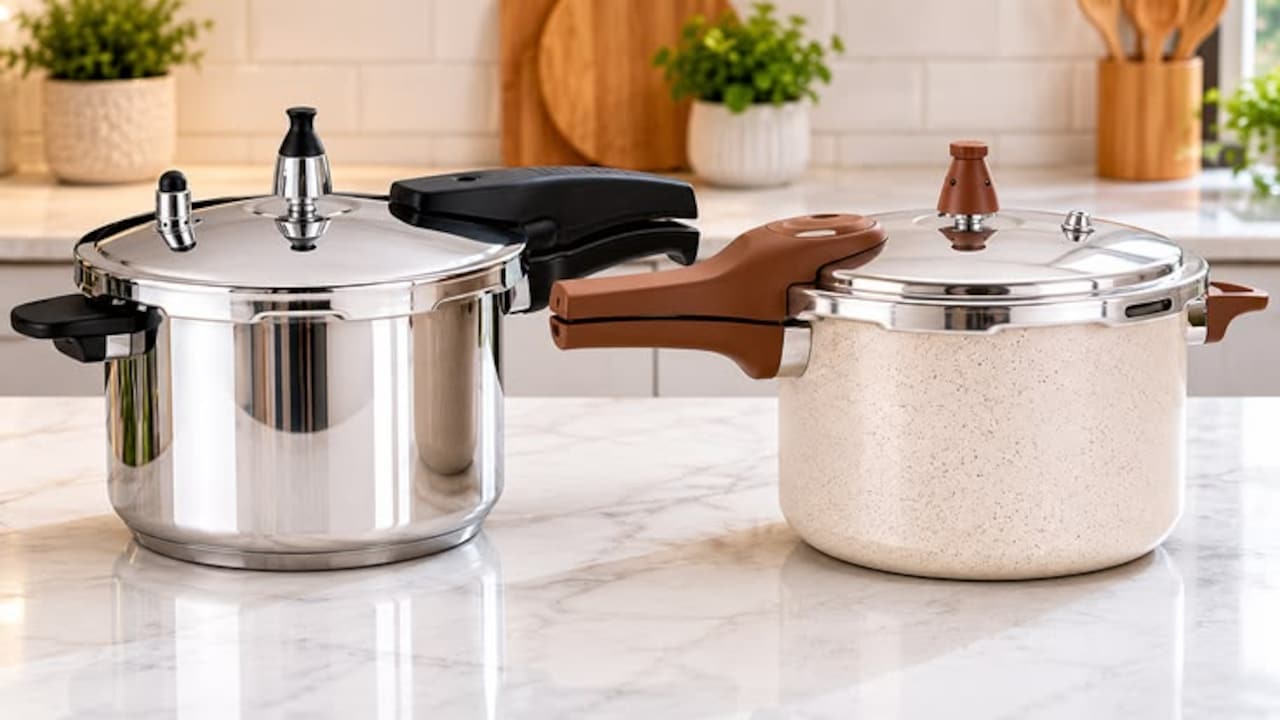
Meal Prep Made Easy: How To Choose Storage Containers That Actually Last
Choosing the right food storage containers can save money, reduce waste, and keep meals fresher for longer. From glass to steel, discover durable options that make meal prep simpler, smarter, and far less messy.
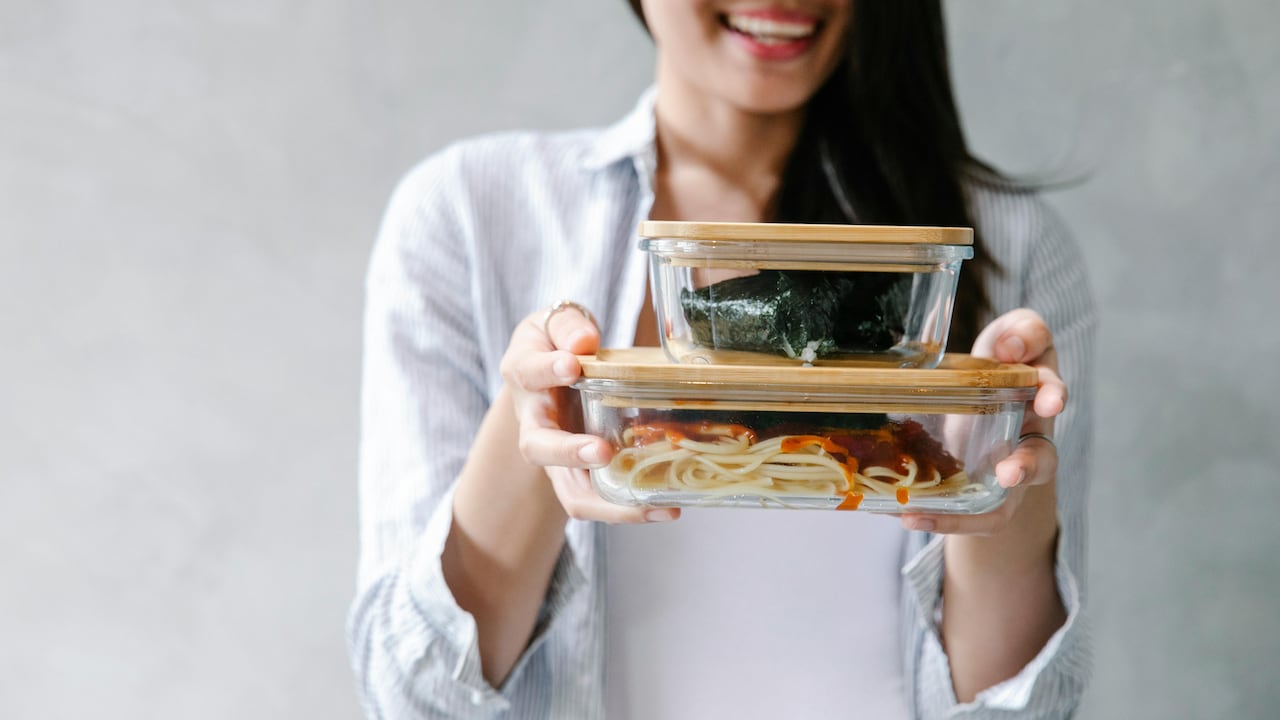
Expert tips to find containers that maintain freshness and last long
Meal prep has quietly become the modern survival skill for packed schedules. Whether it is office lunches, school tiffins, gym meals, or simply avoiding the daily “what's for dinner?” dilemma, organised food storage can make life far less chaotic. Yet many kitchens still hide a frustrating cupboard stuffed with mismatched lids, cracked plastic, and containers stained orange from one ambitious butter chicken experiment. The right storage container can change that entirely. Good containers preserve freshness, prevent leaks, and save money over time. They also make leftovers look appealing rather than suspicious. But with endless options lining store shelves and online marketplaces, choosing wisely can feel oddly overwhelming.
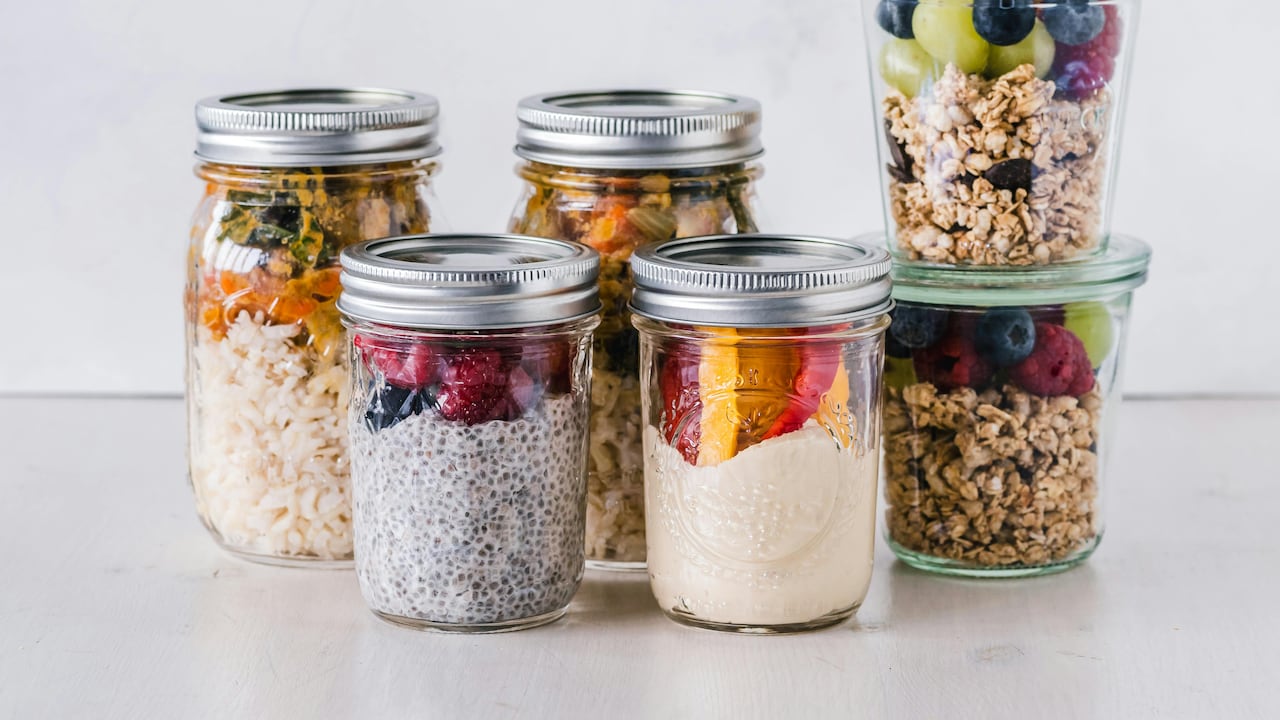
How to choose containers that keep food fresh for long; Photo Credit: Pexels
Glass or plastic? Steel or silicone? Airtight or stackable? Price matters too, especially when a simple container can range from ₹200 to over ₹2,000. The secret lies in balancing durability, convenience, and long-term value. Selecting containers that truly last means fewer replacements, less waste, and a more organised kitchen that feels less like a battleground.
Also Read: Top 5 Storage Jars And Containers On Amazon
Smart Choices For Long-Lasting Meal Prep Storage
Material Matters More Than Marketing
The material of a storage container determines its lifespan more than flashy labels ever will. Plastic may seem affordable and lightweight, but not all plastic ages gracefully. Low-quality versions warp after repeated microwave sessions, absorb odours, and often develop mysterious yellow stains that no amount of scrubbing can defeat.
Glass offers durability, resists stains, and keeps flavours intact. It works especially well for curries, gravies, and oily foods. Borosilicate glass stands out because it handles temperature changes better than standard glass. Steel containers remain another dependable option. They survive drops, resist rust, and suit everyday use beautifully, though microwaves are not their friend.
Silicone containers have gained popularity for flexibility and collapsibility, perfect for smaller kitchens. However, premium quality matters greatly here.
A practical household often benefits from mixing materials based on needs rather than relying on one type alone. Investing carefully up front often saves hundreds, if not thousands, over the years.
Airtight Lids Are Non-Negotiable
A container without a reliable lid is like an umbrella with holes. Airtight seals preserve freshness, prevent spills, and protect carefully prepared meals from turning stale or soggy.
Strong locking mechanisms matter. Snap-lock lids with silicone seals generally outperform simple press-on tops. They help keep dosas from drying out, salads crisp, and gravies safely contained during bumpy commutes. Nobody wants dal leaking inside a laptop bag.
Poor lids often fail first, even when the base remains perfectly usable. Flimsy hinges crack, seals loosen, and suddenly the container becomes little more than an awkward bowl.
When shopping, checking lid strength feels less glamorous than admiring sleek designs, but it is essential. Replacement lids can be difficult or expensive to source. Choosing brands known for sturdy closure systems offers better long-term reliability.
A secure lid may seem like a small detail, yet it often decides whether meal prep feels effortless or utterly frustrating.
Size Should Match Real Life
Buying storage containers in random sizes often creates kitchen chaos. Tiny boxes cannot hold proper portions, while oversized tubs waste fridge space and encourage overpacking.
Choosing sizes based on actual eating habits makes meal prep more effective. Single-serving containers work well for office lunches or controlled portions. Medium options suit leftovers, chopped vegetables, or snacks. Larger containers help store bulk-cooked staples like rice, sabzi, or marinated ingredients.
Stackability also matters. Containers should fit neatly in fridges, cupboards, and bags without playing an endless game of Tetris.
Round containers may look attractive, but rectangular shapes often maximise storage space more efficiently. Uniform sets create visual order and practical convenience.
Households preparing diverse meals benefit from variety, but thoughtful variety works better than cluttered excess. A carefully chosen set saves time, reduces frustration, and keeps kitchen shelves from resembling an avalanche waiting to happen.
Microwave, Freezer, And Dishwasher Compatibility Counts
Modern kitchens demand versatility. Containers should transition smoothly between freezer, fridge, microwave, and dishwasher wherever possible.
Freezer-safe materials prevent cracking during cold storage. Microwave-safe containers simplify reheating, especially during rushed mornings or late evenings. Dishwasher compatibility reduces cleanup effort significantly.
Many containers claim broad compatibility, but labels deserve close attention. Some plastics may technically survive microwaves while slowly degrading over time. Glass and premium silicone generally offer safer flexibility.
Thermal shock resistance also matters. Moving directly from freezer to microwave can damage weaker materials.
For busy families, convenience often drives consistency. Containers that require delicate handling tend to get sidelined quickly.
Choosing truly multi-functional storage makes meal prep sustainable rather than burdensome. Spending slightly more on versatile products can eliminate frequent replacements and improve daily efficiency.
Practicality always outlasts gimmicks.
Stain And Odour Resistance Saves Sanity
Few kitchen frustrations rival opening a container and catching the ghost of meals past. Certain foods, especially tomato gravies, masalas, and oily dishes, can leave lasting marks and smells.
Glass and stainless steel excel here, resisting both stains and lingering odours. High-quality BPA-free plastics perform better than cheaper alternatives but may still struggle over time.
Odour retention affects food quality too. Fresh fruit stored in a container that smells faintly of garlic pickle creates an unpleasant surprise.
Ease of cleaning becomes essential. Containers with smooth surfaces, minimal grooves, and removable seals tend to stay fresher.
Choosing stain-resistant materials may seem cosmetic, but it impacts longevity and everyday enjoyment. A clean, clear container remains inviting and practical, while stained boxes often end up forgotten at the back of cupboards.
Freshness should not require detective work.
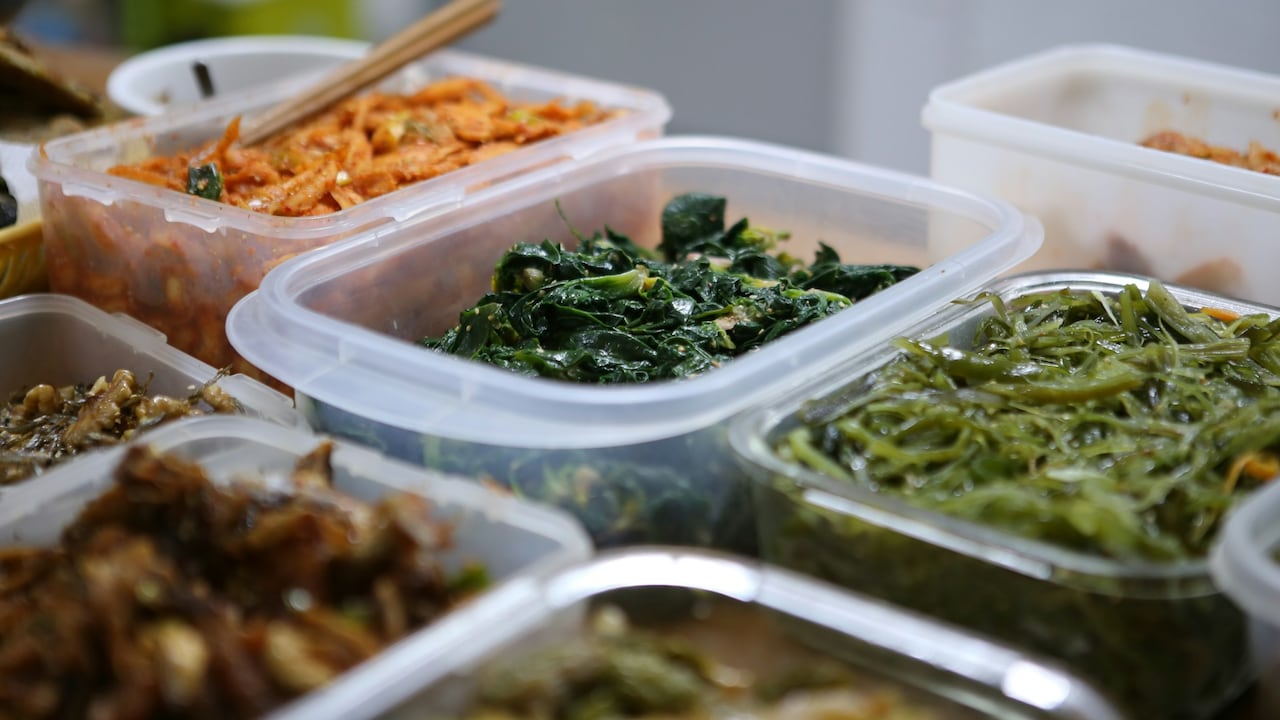
Choose stain-resistant materials for longevity and easy maintenance; Photo Credit: Unsplash
Durability Should Justify Cost
Price tags can be deceptive. Cheap containers often seem budget-friendly initially, yet frequent breakage leads to repeated purchases.
Spending ₹1,500 on a durable set that lasts years often proves wiser than buying ₹300 replacements every few months. Quality hinges, reinforced corners, thick walls, and dependable seals contribute to a longer lifespan.
Brand reputation can help, but practical reviews often reveal real-world performance better than glossy packaging. Busy kitchens need products that survive drops, stacking pressure, and daily wear.
Durability is not about luxury. It is about value.
Well-made containers become dependable household tools rather than disposable clutter. Over time, investing in quality reduces waste and financial drain.
A sturdy container should feel reassuring, not fragile enough to inspire anxiety every time it slips from wet hands.
Portability Matters For Busy Days
For many households, meal prep extends beyond home kitchens into offices, schools, trains, and long commutes. Portability becomes crucial.
Leakproof designs prevent embarrassing spills during travel. Lightweight materials reduce bag bulk. Compartments help separate dishes, preserving texture and flavour.
Carrying biryani beside salad without mixing them into confusion requires thoughtful design.
Handles, insulated sleeves, and compact shapes can further improve convenience. Glass may offer durability, but heavier weight may not suit everyone's daily commute.
Balancing portability with sturdiness ensures practicality. A container can be beautifully durable, but if carrying it feels like hauling gym equipment, daily use may decline.
Real life demands flexibility. Storage should support routines rather than complicate them.
Sustainability Adds Long-Term Value
Reusable containers naturally reduce single-use plastic waste, but sustainability extends beyond basic reuse.
Long-lasting products reduce landfill contribution more effectively than frequently replaced “eco-friendly” alternatives. Glass, steel, and premium silicone often outperform disposable plastic in environmental impact over time.
Choosing quality over quantity supports both household budgets and broader environmental responsibility.
Sustainable storage does not require perfection. Even small improvements, such as replacing fragile takeaway tubs with durable alternatives, create meaningful change.
Modern consumers increasingly value products that align with practical ethics.
A kitchen filled with reliable, reusable containers feels more organised and responsible. Sustainability here becomes less about trend and more about smart living.
Design Should Support Everyday Convenience
A container's design affects daily use more than many realise. Wide openings ease filling and cleaning. Transparent bodies improve visibility. Stackable shapes maximise storage efficiency.
Complicated lids, awkward clasps, or difficult cleaning processes often discourage regular use, no matter how attractive the product appears initially.
Simple, functional design wins repeatedly.
Containers should fit naturally into routines, from meal prep Sundays to hectic weekday mornings. Practical elegance beats unnecessary complexity.
Visual appeal still matters. Attractive containers can make healthy eating feel more enjoyable and organised.
However, true design success lies in usefulness. The best containers quietly simplify life without demanding constant attention.
Building A Smart Collection Takes Time
Perfect kitchen storage rarely happens through one impulsive shopping spree. Building an effective collection often requires gradual refinement.
Starting with essential, versatile pieces allows households to identify specific needs over time. Some may prioritise freezer storage, while others focus on lunch portability or bulk organisation.
Experimentation helps avoid expensive mistakes. Investing steadily in dependable products creates a personalised system that genuinely supports daily habits.
Meal prep should reduce stress, not create more through overcrowded cabinets or impractical purchases.
Thoughtful curation leads to lasting satisfaction.
Products Related To This Article
1. SATVIKAYA Air Tight Plastic Storage Containers Set for Kitchen
2. Nestasia Groovo Glass Containers for Fridge Storage Set of 6
3. Vasukie Divided Fridge Storage Boxes With 4 Serving Veggie Tray with Lid and Handle
4. Fridge Storage Containers for Vegetables – 1200 ml (Pack of 6)
5. VOLTURI Fridge Storage Containers (Pack of 6)
6. MILTON Cryo Fridge Storage Boxes Set of 6 Fridge Organizer Container with Waterproof Vinyl Stickers
7. KITCHENACE,Modernise your living
Choosing meal prep containers that actually last involves more than grabbing the cheapest option off a shelf. Material, durability, lid quality, versatility, and practical design all shape long-term success.
The right containers preserve food better, simplify routines, reduce waste, and save money over time. They turn meal prep from a chore into an efficient habit that supports healthier, smoother living.
In the end, reliable storage is less about containers and more about creating a kitchen that works smarter every day. Because when leftovers stay fresh, bags stay spill-free, and cupboards stay organised, life feels just a little more manageable. And honestly, that is worth every rupee.
(Disclaimer: This article may include references to or features of products and services made available through affiliate marketing campaigns. NDTV Convergence Limited (“NDTV”) strives to maintain editorial independence while participating in such campaigns. NDTV does not assume responsibility for the performance or claims of any featured products or services.)