Spin Mops Vs Flat Mops: Which One Actually Cleans Corners Better?
Spin mop or flat mop, which one actually reaches corners better? This guide compares design, control, and real-life cleaning performance to help choose the right tool for spotless edges and tight spaces.
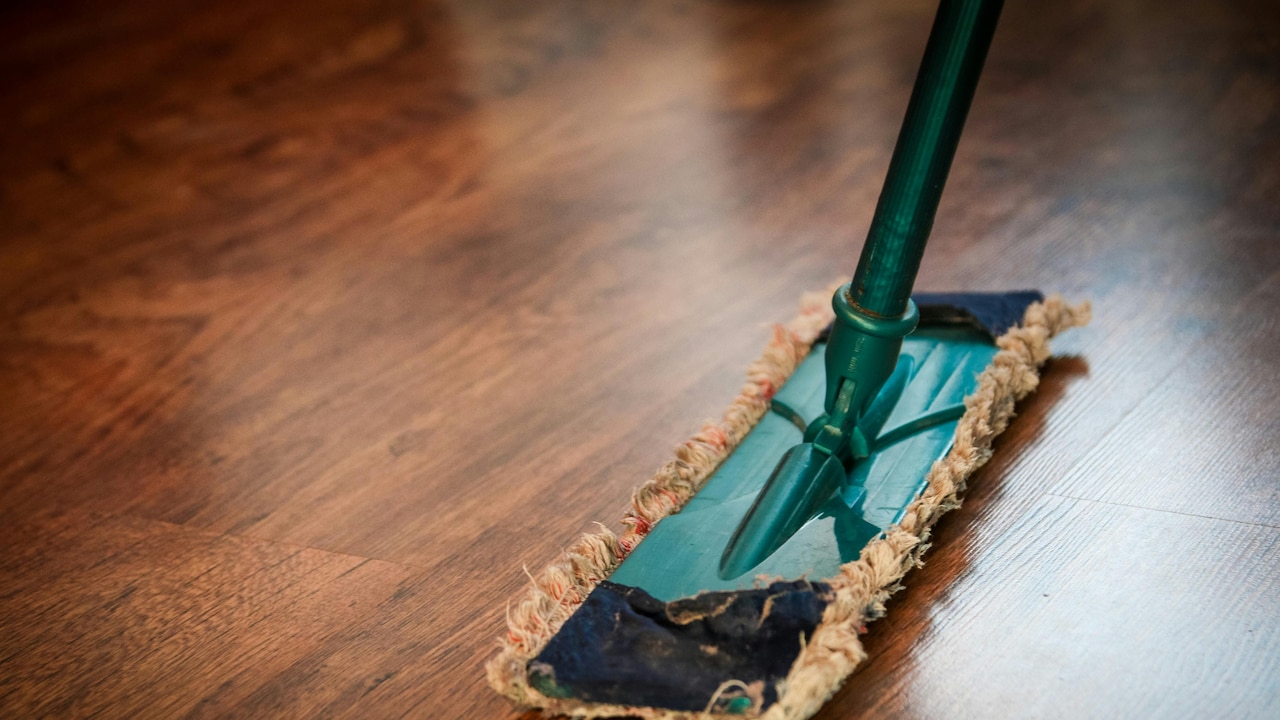
Spin Mop Vs Flat Mop: Know The Best Choice For Cleaning Corners And Tight Spaces.
A clean home rarely depends on effort alone. The tools matter just as much, sometimes even more. Anyone who has tried reaching behind a cupboard or along skirting edges knows that corners collect dust like a magnet. It settles quietly, builds slowly, and then suddenly becomes impossible to ignore, especially when guests are expected.

Spin mop vs flat mop for cleaner corners; Photo Credit: Unsplash
Spin mops and flat mops dominate today's cleaning aisles. One spins, wrings, and promises convenience. The other glides smoothly and claims precision. Yet the real question remains simple: which one actually cleans corners better?
The answer is not as obvious as advertisements suggest. It depends on movement, shape, pressure, and even how a person naturally cleans. A mop may look impressive in a catalogue, but struggle in tight spaces at home. Understanding how each type behaves in real scenarios reveals far more than brand promises ever will.
Also Read: Amazon's Top Picks: Best Selling Household Mopping Supplies You Need Right Now
What Matters Most When Cleaning Edges, Corners, And Tight Spots
The Design Difference That Shapes Performance
At first glance, spin mops and flat mops differ mainly in appearance, but the design goes deeper than aesthetics. A spin mop usually features a round head made of microfibre strands. It spreads out like a soft disc, covering more surface area in a single swipe. This works brilliantly for open spaces such as living rooms or hallways.
Flat mops, on the other hand, come with a rectangular or slightly triangular head. The shape immediately suggests something important: edges. Straight lines and sharp angles naturally align better with walls and corners.
This difference becomes crucial when cleaning tight areas. A round head cannot fully reach into sharp corners without leaving tiny untouched patches. A flat mop, especially one with pointed edges, can slide directly into those spaces.
Still, design alone does not tell the whole story. Movement and flexibility also decide how effectively each mop performs. A beautifully shaped mop that cannot manoeuvre easily will struggle just as much as one with the wrong head shape.
Corner Cleaning: Why Shape Matters More Than You Think
Corners are deceptively tricky. They look small, but they demand precision. Dust tends to gather in triangular patterns where two walls meet, making it difficult for circular tools to reach completely.
A spin mop, with its round head, often brushes over corners rather than entering them fully. Even with some pressure, the fibres tend to bend outward instead of pushing inward. This leaves faint streaks or untouched spots, especially noticeable on lighter floors.
Flat mops approach the problem differently. Their edges align naturally with the angle of the corner. When pushed forward, the head slides neatly into the space, lifting dust instead of spreading it around.
However, the effectiveness also depends on the technique. A flat mop requires a deliberate motion, guiding it into corners rather than sweeping casually. With practice, it becomes almost effortless.
In daily cleaning routines, this difference can mean the gap between “looks clean” and “actually clean.”
Flexibility And Movement In Tight Spaces
Cleaning corners is not just about reaching them; it is about navigating around obstacles. Furniture legs, low cabinets, and awkward angles often make simple tasks feel like puzzles.
Spin mops typically feature a rotating head that swivels freely. This flexibility helps in moving around table legs and reaching under sofas. The motion feels smooth, almost satisfying, especially during quick cleaning sessions.
Flat mops, while less fluid in rotation, often come with pivot joints that allow controlled movement. They do not spin freely, but they offer stability. This control becomes useful when guiding the mop into narrow spaces without losing direction.
In cramped areas, too much flexibility can actually become a drawback. A spinning head might twist away from a corner just when precision is needed. A flat mop, with its steadier movement, holds its path better.
Ultimately, flexibility helps with navigation, but control ensures thorough cleaning.
Pressure And Contact With The Floor
Corners often trap stubborn dirt because regular sweeping fails to reach them. Removing that dirt requires pressure and proper contact with the floor.
Spin mops distribute pressure unevenly due to their circular design. The outer edges receive less force, which can reduce effectiveness in corners. Even when pressing harder, the fibres spread out instead of concentrating pressure where needed.
Flat mops excel in this aspect. Their flat surface ensures even pressure across the entire head. When pushed into a corner, the force remains consistent, helping lift dirt more effectively.
This becomes particularly noticeable in kitchens, where grease and grime settle along edges. A flat mop can press firmly against these areas, while a spin mop may glide over them without fully cleaning.
For households dealing with frequent spills or heavy foot traffic, this difference can significantly impact results.
Ease Of Use During Everyday Cleaning
Cleaning tools should make life easier, not more complicated. Ease of use often determines whether a mop becomes a daily companion or gets pushed aside.
Spin mops shine when it comes to convenience. The built-in wringing system reduces effort, keeping hands dry and minimising mess. A quick spin and the mop is ready to use again. This feature makes it ideal for quick clean-ups.
Flat mops, while simpler in design, may require manual wringing or a separate bucket system. This adds a step, but some users find the simplicity reassuring.
When it comes to corners, ease of use depends on familiarity. A spin mop feels intuitive for sweeping motions, while a flat mop demands slightly more deliberate handling.
Over time, habits form. What feels awkward initially often becomes second nature. The key lies in choosing a mop that aligns with personal cleaning style rather than forcing adjustment.
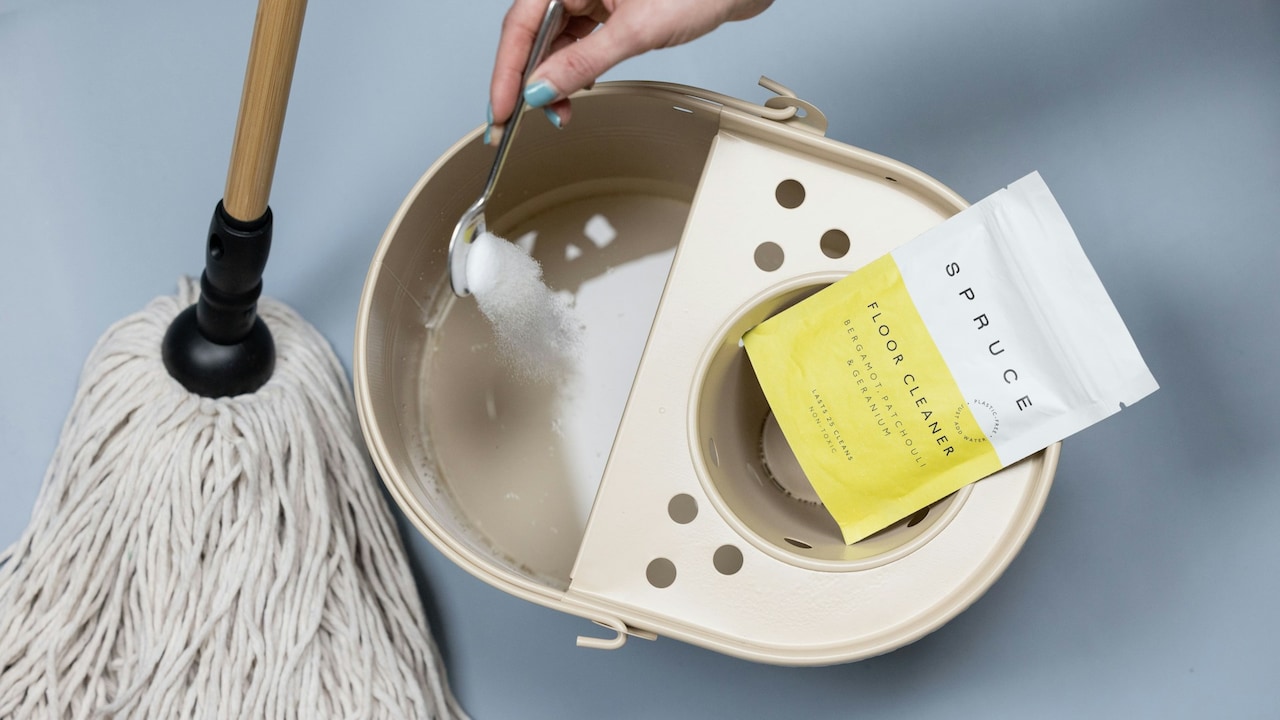
Spin mops offer ease of use as compared to flat mops; Photo Credit: Unsplash
Maintenance And Long-Term Practicality
A mop is not just a purchase; it is a long-term companion. Maintenance plays a crucial role in how well it performs over time.
Spin mops require occasional care of the spinning mechanism. If the pedal or spinner wears out, replacing parts may cost anywhere between ₹300 and ₹800. The microfibre heads, however, are easy to wash and replace.
Flat mops tend to have fewer moving parts, making them more durable in the long run. The cleaning pads are detachable and washable, often lasting several months with proper care.
In terms of hygiene, both types perform well if cleaned regularly. However, flat mop pads dry faster, reducing the chances of odour.
For households that prefer low-maintenance solutions, flat mops often hold an advantage. Spin mops, while convenient, may require occasional attention to keep functioning smoothly.
Cleaning Efficiency On Different Floor Types
Not all floors behave the same way. Tiles, marble, and wooden surfaces each demand a slightly different approach.
Spin mops work beautifully on large tiled areas. Their ability to hold more water helps in covering space quickly. However, excess moisture can sometimes seep into corners, especially if not wrung properly.
Flat mops provide better control over moisture. This makes them suitable for wooden floors or delicate surfaces where water needs to be minimal.
When it comes to corners, flat mops again take the lead. Their precise movement ensures that edges receive the same attention as the centre of the room.
Still, spin mops remain unbeatable for speed. For homes with expansive floors, they reduce effort significantly, even if corners require occasional touch-ups.
Time, Effort, And Real-Life Convenience
Time matters, especially on busy mornings or after a long day. The right mop can save precious minutes.
Spin mops offer speed. Their wide coverage and easy wringing make them ideal for quick cleaning sessions. A few swift movements and most of the floor looks spotless.
Flat mops, while slightly slower, deliver more thorough results. They may take a bit longer, but they reduce the need for repeated cleaning, especially in corners.
The choice often depends on priorities. For those who prefer quick results, spin mops feel like a blessing. For those who value precision, flat mops provide satisfaction.
Interestingly, many households end up using both types, one for daily cleaning and the other for detailed work. This combination often delivers the best of both worlds.
Cost Versus Value In The Long Run
Price plays a role in every purchase decision. Spin mops usually cost between ₹1,200 and ₹2,500, depending on brand and features. Flat mops, on the other hand, are often available in the ₹500 to ₹1,500 range.
At first glance, flat mops appear more budget-friendly. However, value depends on usage. A spin mop's convenience may justify its higher cost for those who clean frequently.
Replacement parts also influence long-term expenses. Spin mop mechanisms may require occasional repairs, while flat mop pads are cheaper and easier to replace.
When focusing on corner cleaning, flat mops provide better value. Their efficiency reduces the need for additional tools or repeated cleaning.
Ultimately, the decision balances upfront cost with everyday convenience and long-term reliability.
Products Related To This Article
1. Bonkaso Spin Mop with Stainless Steel Wringer & Big Wheels
2. UPC Flat Mop for Home Cleaning Floor
3. Scotch-Brite Twin Bucket Spin Mop with Easy Wring & Rinse System
4. Mop Heavy Quality Floor with Bucket
5. Amazon Brand – Presto! Clean Steel Spin Mop
The debate between spin mops and flat mops often centres around convenience versus precision. Both tools serve their purpose, but when the focus shifts specifically to cleaning corners, the answer becomes clearer.
Flat mops consistently outperform spin mops in reaching tight spaces, applying even pressure, and delivering thorough results. Their design naturally aligns with the geometry of corners, making them more effective for detailed cleaning.
Spin mops, however, remain unmatched in speed and ease of use. They simplify everyday cleaning and handle large areas effortlessly. For many households, they remain an essential part of the routine.
In the end, the best choice depends on priorities. For spotless corners and precise cleaning, a flat mop proves to be the better companion. For quick, efficient cleaning across wider spaces, a spin mop continues to shine.
Sometimes, the smartest solution lies not in choosing one over the other, but in understanding where each truly excels, and letting them do exactly that.
(Disclaimer: This article may include references to or features of products and services made available through affiliate marketing campaigns. NDTV Convergence Limited (“NDTV”) strives to maintain editorial independence while participating in such campaigns. NDTV does not assume responsibility for the performance or claims of any featured products or services.)












![Steam Iron Teflon Shoe Cover for ES-300,ST-96 [Only For ES-300 and ST-96 Model Electric Steam Irons]](https://m.media-amazon.com/images/I/51wwkttondL._SL160_.jpg)