The Storage Baskets That Work Better Than Plastic Containers For Some Homes
Storage baskets offer better style, flexibility, and accessibility than plastic containers in many homes. Here's why woven storage solutions are becoming the preferred choice for everyday organisation.
Why Storage Baskets Are Replacing Plastic Containers In Many Homes
Walk into any home goods shop, and rows of plastic storage boxes appear almost instantly. They promise neat shelves, organised cupboards, and clutter-free rooms. Yet many households discover that stacks of plastic containers often create a different problem. They can make living spaces feel cold, clinical, and surprisingly inconvenient. Storage baskets offer an alternative that blends organisation with comfort. They work particularly well in homes where spaces serve multiple purposes. A living room doubles as a play area, a bedroom functions as a workspace, or a balcony becomes a reading corner during pleasant weather. In these situations, storage solutions need to look attractive while remaining practical.
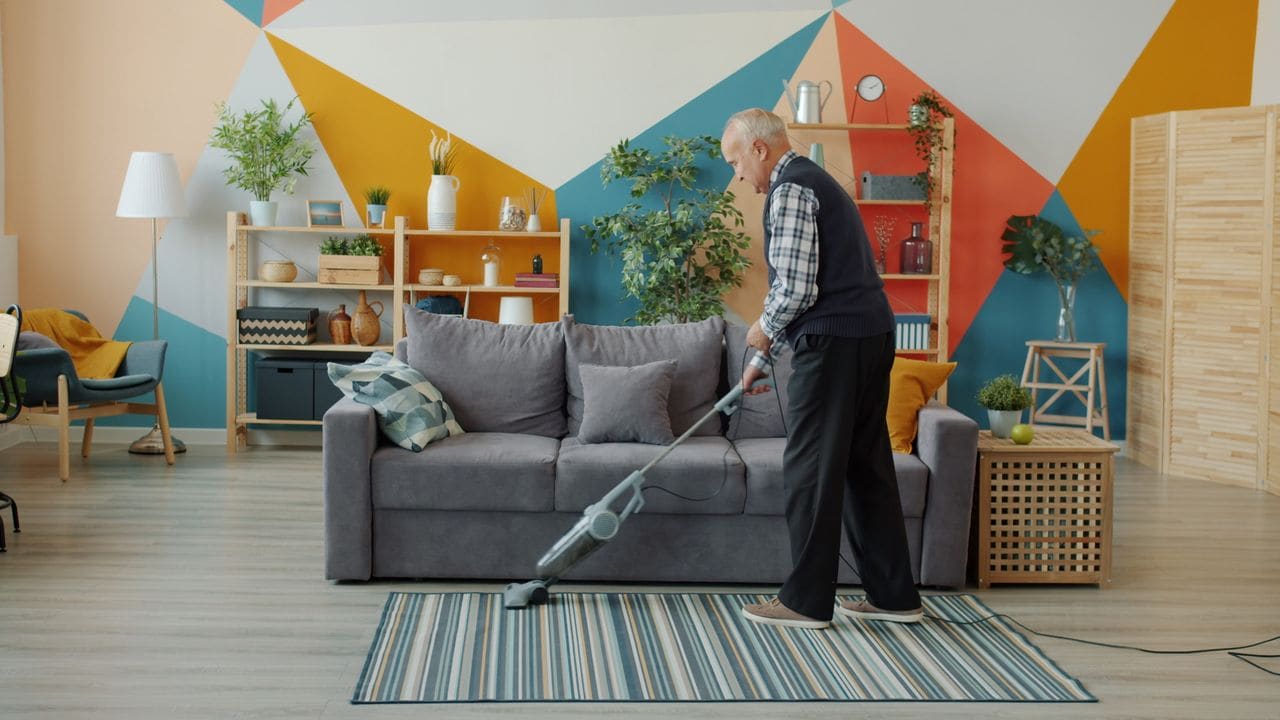
Why Storage Baskets Are Replacing Plastic Containers In Many Homes; Photo Credit: Pexels
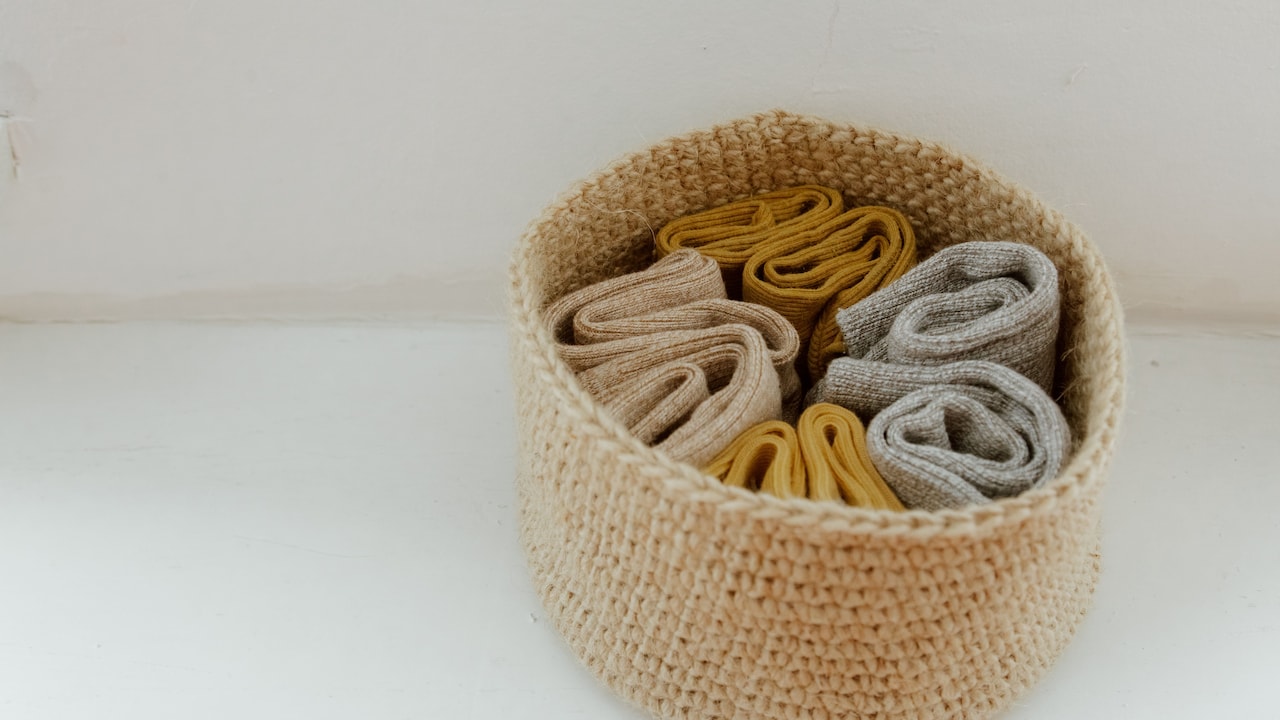
Baskets made from materials such as wicker, bamboo, seagrass, jute, and cotton bring texture and warmth into a home. They conceal clutter without drawing attention to themselves. More importantly, they fit naturally into daily life. While plastic containers still have their place, storage baskets often prove to be the better choice for households seeking organisation without sacrificing personality.
Why More Homeowners Are Choosing Storage Baskets
Natural Materials Create A Warmer Atmosphere
One of the biggest advantages of storage baskets lies in their appearance. Plastic containers serve a purpose, but they rarely contribute to a room's character. A stack of translucent boxes may look efficient, yet it often feels more suited to a storeroom than a welcoming living space.
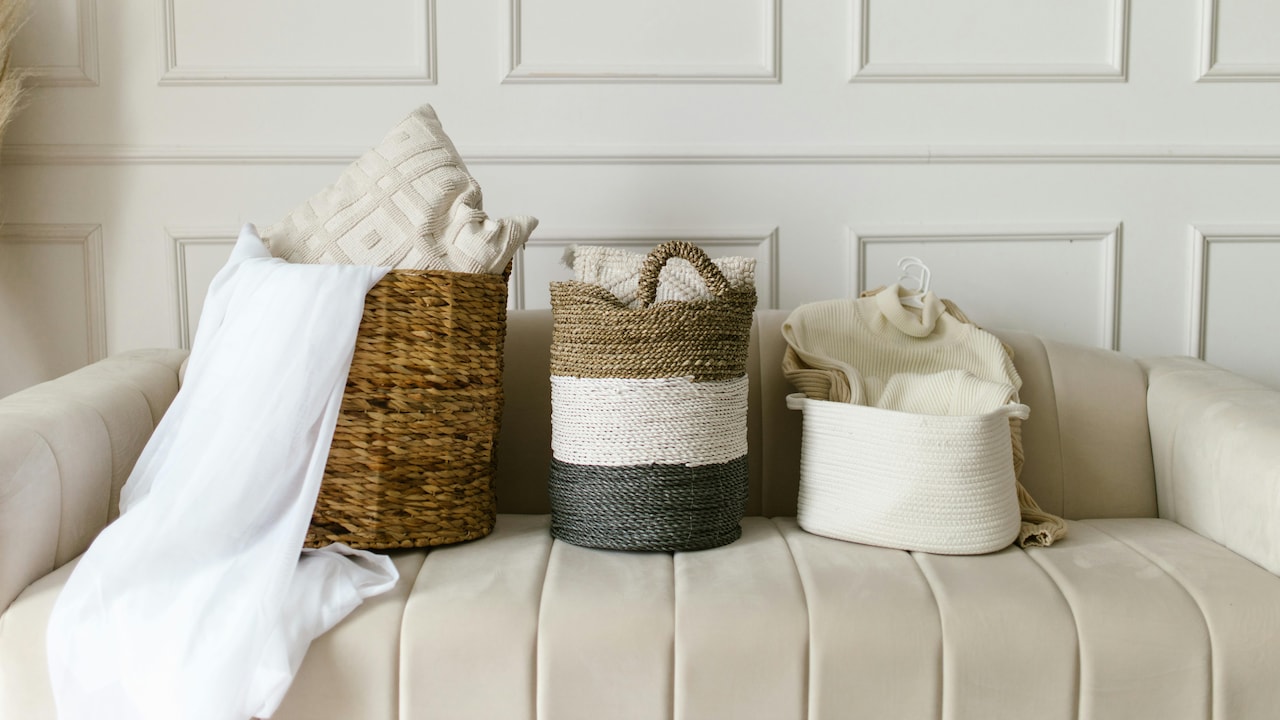
Natural fibre baskets instantly soften a room. Their textures introduce visual interest and create a cosy atmosphere. A woven basket beside a sofa can hold magazines, blankets, or children's toys while blending effortlessly into the décor. Instead of looking like storage equipment, it becomes part of the room itself.
Many homeowners spend thousands of rupees selecting furniture, curtains, and decorative pieces. It seems counterproductive to then fill those carefully designed spaces with bulky plastic bins. Baskets solve this problem elegantly. They keep belongings organised while preserving the warmth and comfort that make a house feel like a home.
Baskets Make Everyday Access Easier
Organisation systems only succeed when people actually use them. Plastic containers often require lids, stacking, and careful placement. Retrieving one item can involve moving several boxes first.
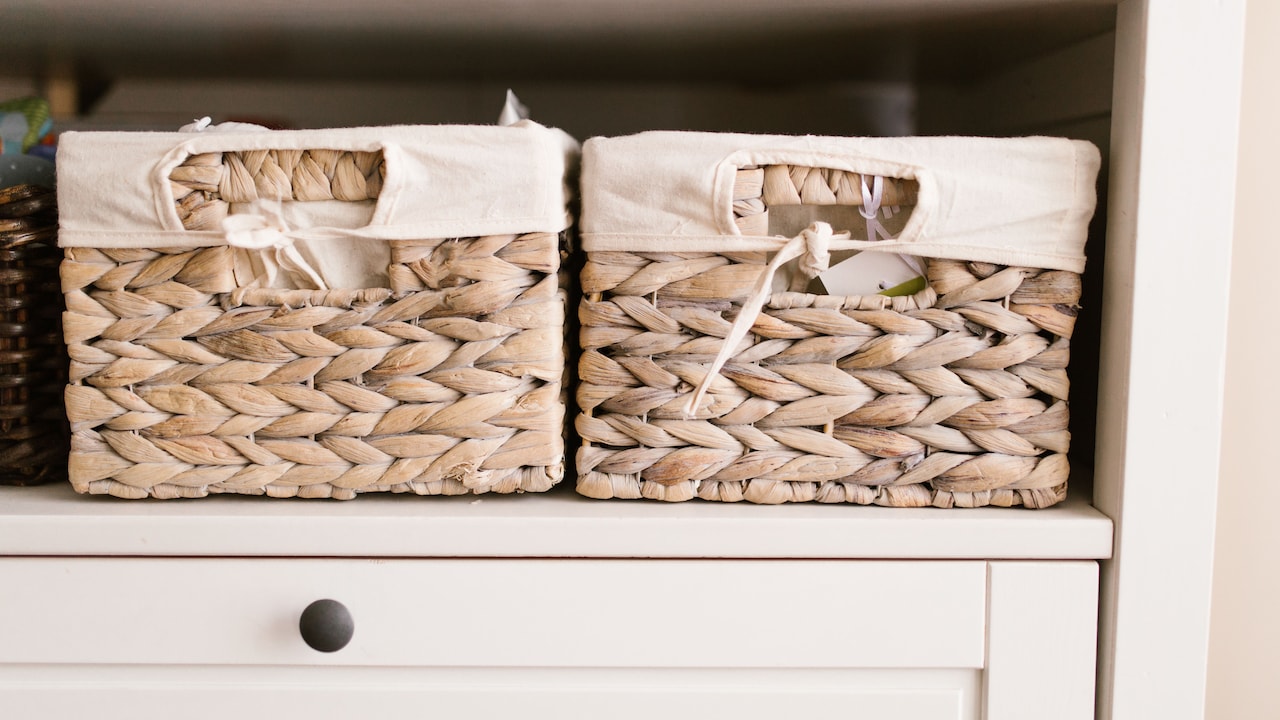
Storage baskets remove much of that hassle. Open-top designs allow quick access to frequently used items. A basket near the entrance can hold umbrellas, reusable shopping bags, or pet accessories. Another basket in the bedroom can store extra cushions or seasonal clothing.
Busy households appreciate convenience. During a rushed morning, nobody wants to search through stacked plastic boxes for a missing item. Baskets encourage simple habits because they reduce effort. Belongings remain visible enough to find quickly but organised enough to prevent clutter from spreading across the room.
That balance between accessibility and tidiness explains why baskets often become permanent fixtures in family homes.
Why Storage Baskets Are Replacing Plastic Containers In Many Homes; Photo Credit: Pexels
Flexible Designs Suit Changing Needs
Life changes constantly, and storage solutions should adapt accordingly. Plastic containers often have fixed purposes based on their size and shape. Once purchased, they tend to remain in the same location for years.
Storage baskets offer greater flexibility. A basket that stores children's toys today may hold books next year and extra cushions after that. The transition requires no adjustments or special planning.
This adaptability becomes especially valuable in compact homes where every square metre matters. A guest room may transform into a study. A balcony may become a small garden corner. Storage baskets move easily between these spaces while continuing to serve useful functions.
Rather than buying new organisers whenever needs change, many households simply repurpose existing baskets. That flexibility saves money and reduces unnecessary purchases, making baskets a practical long-term investment.
Better Airflow Helps Certain Items
Not everything belongs inside airtight plastic containers. Some belongings benefit from ventilation, particularly fabrics and natural materials.
Storage baskets allow air to circulate more freely. This feature helps prevent musty smells that sometimes develop when blankets, towels, or clothing remain sealed for extended periods. Cotton throws, woollen shawls, and spare bedding often stay fresher in woven baskets.
In humid climates, airflow becomes even more important. Closed plastic containers can trap moisture under certain conditions, creating unpleasant odours. While baskets do not eliminate humidity, they encourage better ventilation around stored items.
A basket filled with extra cushions in the living room looks inviting while keeping fabrics accessible and fresh. It serves both decorative and practical purposes, something plastic containers rarely achieve with equal success.
They Blend Into Multi-Purpose Rooms
Modern homes frequently ask one room to perform several jobs. A dining area becomes a homework station. A living room hosts family movie nights, remote work sessions, and festive gatherings.
Storage baskets thrive in these environments because they disappear into the background. They hold clutter without looking like storage equipment. Guests see an attractive woven basket rather than a container filled with cables, notebooks, or toys.
This subtle presence matters more than many people realise. Visual clutter can make a room feel smaller and more chaotic. Baskets help maintain a calm appearance even when they contain a surprising number of everyday items.
A large basket tucked beside a console table can hide everything from board games to spare chargers. The room remains organised, yet nothing feels excessively structured or sterile.
Lightweight Construction Encourages Use
Heavy storage systems often become inconvenient over time. Plastic containers filled with belongings can weigh far more than expected, especially when stacked.
Many storage baskets offer a lighter alternative. Even larger models remain relatively easy to move from one room to another. This mobility proves useful during cleaning sessions, rearrangements, or festive preparations.
Imagine preparing the house for a family celebration. Moving several decorative baskets takes only a few moments. Large plastic bins, particularly those packed with items, may require considerably more effort.
People tend to use solutions that make life easier. Lightweight baskets encourage regular organisation because they feel manageable. Small conveniences often determine whether a storage system succeeds or fails in daily life.
Baskets Add Decorative Value
Most plastic containers perform a single function: storage. Baskets accomplish much more.
A carefully chosen basket can act as a decorative element while keeping clutter under control. Different materials, colours, and weaving patterns introduce personality into a room. Some baskets create a rustic feel, while others complement modern interiors beautifully.
Interior designers frequently use baskets as styling tools because they add texture without overwhelming a space. A simple corner can appear more complete with a woven basket holding a folded blanket or a few books.
This decorative benefit means every rupee spent serves multiple purposes. Instead of buying separate organisers and décor items, homeowners often achieve both goals with a single purchase.
That combination of practicality and visual appeal explains the growing popularity of baskets across a wide range of homes.

Why Storage Baskets Are Replacing Plastic Containers In Many Homes; Photo Credit: Pexels
Sustainable Options Appeal To Eco-Conscious Households
Environmental concerns increasingly influence purchasing decisions. Many households now seek products that reduce dependence on synthetic materials.
Storage baskets made from bamboo, jute, seagrass, or other renewable resources align with this goal. These materials often have a lower environmental impact compared with mass-produced plastic alternatives.
Natural baskets also tend to age gracefully. Minor wear frequently adds character rather than making the item appear damaged. Plastic containers, on the other hand, can become scratched, discoloured, or brittle over time.
Choosing sustainable storage does not require sacrificing functionality. Modern basket designs offer durability, versatility, and aesthetic appeal while supporting a more environmentally conscious approach to home organisation.
For many families, that added benefit strengthens the case for choosing baskets whenever practical.
They Encourage More Mindful Organisation
An interesting psychological advantage often goes unnoticed. Plastic containers can tempt people to keep storing more and more belongings simply because extra boxes remain available.
Storage baskets naturally encourage greater selectivity. Their open designs and visible contents make it easier to assess what truly deserves space in the home.
Instead of hiding clutter behind opaque lids, baskets create gentle accountability. When a basket becomes overcrowded, it signals that decluttering may be necessary. This visual reminder promotes healthier organisational habits.
Many professional organisers emphasise visibility because people tend to manage belongings more effectively when they can see them. Baskets support this principle without sacrificing aesthetics.
The result is often a home that feels lighter, calmer, and easier to maintain over the long term.
Perfect For Frequently Used Household Items
Certain belongings never stay stored for long. Blankets, toys, magazines, knitting supplies, pet accessories, and reading materials move in and out of storage constantly.
Plastic containers can feel excessive for these items. Opening lids and unpacking boxes becomes tedious when access is required several times each day.
Storage baskets excel in these situations. They provide a designated home for frequently used belongings while keeping them readily available. Family members can grab what they need and return it quickly afterwards.
This simplicity encourages better habits. Children often find it easier to return toys to an open basket than to organise them inside a closed plastic box. Adults appreciate the convenience as well.
When storage becomes effortless, organisation naturally improves. That practical advantage gives baskets a significant edge in busy households.
Products Related To This Article
1. ALBY® Woven Baskets Bins for Shelf Storage &Organizing
2. Laundry Bag/Laundry Basket/Clothes Storage Box
3. ALBY Rectangle Cotton Rope Woven Basket with Handles for Books, Magazines
4. AKWAY Wicker Cube Wardrobe Basket For Storage
5. Homestrap Set Of 3 Plastic Storage Organizers
6. HomeStrap Rectangular Set Of 3 Large Plastic Storage Organizers
7. FLYNGO Foldable Cloth Organizer Storage Box for Wardrobe
Plastic containers remain useful for garages, lofts, long-term storage, and situations that require protection from dust or moisture. Yet they are not always the ideal solution for everyday living spaces. Storage baskets offer a compelling alternative that combines functionality, flexibility, and visual appeal.
They bring warmth to interiors, provide easy access to daily essentials, adapt to changing needs, and support a more inviting atmosphere. Their natural textures help rooms feel lived-in rather than overly structured, while their versatility makes organisation simpler and more enjoyable.
For households seeking storage that works with the home rather than against it, baskets often prove to be the smarter choice. They organise clutter quietly, enhance décor effortlessly, and demonstrate that practical solutions can still have plenty of character.
(Disclaimer: This article may include references to or features of products and services made available through affiliate marketing campaigns. NDTV Convergence Limited (“NDTV”) strives to maintain editorial independence while participating in such campaigns. NDTV does not assume responsibility for the performance or claims of any featured products or services.)