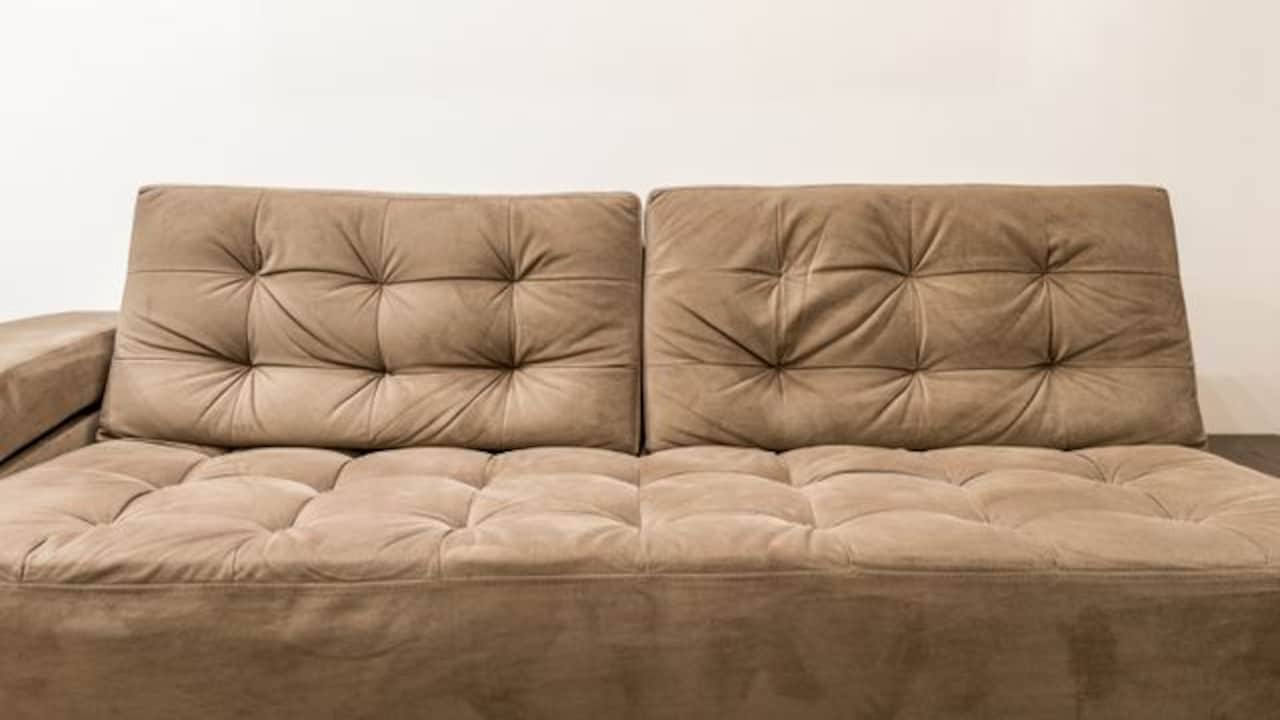
The Monsoon Mould Problem: Products That Help Protect Clothes And Shoes
Monsoon humidity can wreak havoc on clothes and shoes, causing mould, odours, and damage. These practical products can help keep wardrobes fresh, dry, and protected all season.
The Monsoon Mould Problem: Products That Help Protect Clothes And Shoes
Few things capture the spirit of the rainy season quite like the smell of wet earth, steaming cups of chai, and traffic moving at the speed of a patient tortoise. Yet alongside these seasonal comforts comes a less charming reality. Cupboards begin to feel damp, leather shoes lose their shine, and freshly washed clothes develop an unpleasant musty smell.
The Monsoon Mould Problem: Products That Help Protect Clothes And Shoes
Photo Credit: Amazon
Moisture is the invisible guest that settles into homes during prolonged spells of rain. Once humidity rises, wardrobes, shoe racks, and storage spaces become ideal breeding grounds for mould and mildew. The problem extends beyond appearance. Mould can weaken fabric fibres, damage expensive footwear, and create unpleasant odours that seem impossible to remove.
The good news is that tackling excess moisture does not require a complete home makeover. Several affordable and effective products can help keep clothes and shoes fresh throughout the season. With the right combination of prevention and maintenance, wardrobes can stay dry even when the weather outside seems determined to remain soggy.
Smart Solutions For Keeping Clothes And Shoes Mould-Free
Moisture Absorbers: The First Line Of Defence
When humidity levels climb, moisture absorbers often become the unsung heroes of the home. These compact products work quietly in wardrobes, cupboards, and storage areas by drawing excess moisture from the air before it settles onto fabrics and footwear.
Many options use calcium chloride crystals or silica-based compounds that collect water in a small container. Within days, users can often see how much moisture has been trapped. It can be surprising to discover just how much dampness lingers inside an apparently dry cupboard.
For households dealing with recurring mould issues, moisture absorbers provide a practical and affordable solution. A container costing a few hundred rupees can last several weeks, making it an economical choice during extended rainy spells.
The biggest advantage lies in their simplicity. There are no wires, no switches, and no complicated setup. Place one inside a wardrobe and allow it to do the work. While they cannot replace proper ventilation, they significantly reduce the conditions that encourage mould growth.
Silica Gel Packs: Tiny Protectors With Big Benefits
Most people encounter silica gel packs when opening a new pair of shoes or an electronics box. Unfortunately, these small packets often head straight into the dustbin. During the rainy season, however, they can become surprisingly useful.
Silica gel absorbs moisture effectively and helps create a drier micro-environment around stored items. Placing a few packets inside shoe cabinets, storage boxes, or travel bags can help reduce dampness and prevent unpleasant odours.
Leather products particularly benefit from this simple trick. Leather absorbs moisture readily, which can lead to fungal growth, cracking, and discolouration over time. Silica gel helps maintain a more stable environment and reduces the risk of damage.
Many reusable silica gel products are now available in larger quantities. Some change colour when saturated and can be reactivated through gentle heating. This makes them a sustainable and cost-effective choice for long-term moisture control.
Their small size allows them to fit into corners where larger moisture-control products cannot reach, making them ideal companions for delicate garments and premium footwear.
Dehumidifiers: Bringing Technology Into The Battle
For homes located in particularly humid regions, a dehumidifier can feel like a seasonal lifesaver. Unlike passive moisture absorbers, these devices actively remove water from the air and collect it in a reservoir.
The difference becomes noticeable quite quickly. Rooms feel less sticky, wardrobes remain fresher, and clothes dry more efficiently indoors. For households struggling with persistent mould growth, a dehumidifier often addresses the root cause rather than simply managing symptoms.
Modern compact models suit bedrooms, dressing areas, and walk-in wardrobes. Although the initial investment can range from ₹5,000 to ₹20,000 or more, many homeowners find the long-term benefits worthwhile.
Picture a weekend when rain pours continuously for three days. Laundry hangs indoors, windows stay shut, and humidity levels climb steadily. In such situations, a dehumidifier can help maintain a comfortable environment while protecting clothing and footwear.
It may not be the cheapest option on the list, but for areas where dampness becomes a recurring seasonal challenge, it offers one of the most comprehensive solutions available.
Airtight Storage Boxes For Seasonal Clothing
Not every garment needs daily access during the rainy season. Winter jackets, festive outfits, and special occasion clothing often spend months in storage. Unfortunately, they can emerge with mould spots if packed incorrectly.
Airtight storage boxes provide valuable protection by limiting exposure to humid air. Modern designs include rubber seals that help keep moisture outside while preserving the condition of fabrics inside.
Before storing clothes, they should always be completely dry. Even a small amount of trapped moisture can encourage mould growth. Adding silica gel packets or moisture absorbers inside the box creates an additional layer of protection.
These storage solutions prove especially useful for expensive sarees, formal suits, embroidered garments, and heirloom pieces. Protecting such items costs far less than attempting restoration later.
Transparent storage containers also make organisation easier. Instead of opening multiple boxes while searching for a specific outfit, the contents remain visible at a glance. During a season already filled with enough surprises from the weather, that small convenience feels particularly welcome.
Also Read: Top 5 Hair Masks For Dry And Frizzy Hair Under ₹500
Shoe Dryers And Boot Warmers
Wet footwear presents one of the biggest challenges of the rainy season. Whether it is office shoes caught in an unexpected downpour or school shoes returning home soaked, moisture trapped inside creates the perfect environment for fungal growth and unpleasant smells.
Shoe dryers and boot warmers offer a practical solution. These devices circulate gentle warmth or airflow through footwear, helping remove internal moisture efficiently without damaging materials.
Traditional drying methods often involve placing shoes near windows or under fans. While these approaches help, they rarely eliminate moisture deep inside the shoe. Shoe dryers reach those hidden areas where dampness tends to linger.
Regular use can extend the lifespan of footwear by preventing mould, preserving shape, and reducing material deterioration. Leather shoes, sports shoes, and boots all benefit from consistent drying after exposure to rain.
For households with children, these devices can prove especially useful. School shoes often face daily exposure to puddles and muddy pathways. A quick drying session overnight can ensure they are fresh and comfortable by morning.

The Monsoon Mould Problem: Products That Help Protect Clothes And Shoes
Photo Credit: Amazon
Anti-Fungal Sprays For Fabrics And Footwear
Sometimes prevention alone is not enough. In environments where humidity remains consistently high, anti-fungal sprays provide an additional layer of protection.
These products are designed to inhibit fungal growth on fabrics, leather, and other surfaces prone to moisture-related damage. Applied periodically, they help reduce the likelihood of mould developing in the first place.
Footwear often benefits the most. Shoes spend long hours enclosed, creating warm and humid conditions that fungi find particularly attractive. A suitable anti-fungal spray can help keep interiors fresher and more hygienic.
Certain fabric-safe formulations can also be used on storage bags, wardrobe linings, and other vulnerable surfaces. As with any specialised product, following manufacturer instructions remains essential.
Think of anti-fungal sprays as a raincoat for belongings. They cannot stop moisture from existing, but they can help reduce its ability to cause lasting damage. Combined with proper drying and storage practices, they form a valuable part of a comprehensive defence strategy.
Cedar Blocks And Natural Odour Controllers
Not every moisture-fighting solution needs advanced technology. Some of the most effective options come from nature itself.
Cedar blocks have long been used to protect clothing and footwear. Their natural aroma helps keep wardrobes smelling fresh while discouraging certain insects and reducing musty odours associated with damp conditions.
Unlike artificial fragrances that merely mask unpleasant smells, cedar offers a subtle and refreshing scent that many people find comforting. It creates the impression of a cleaner, fresher storage space.
Activated charcoal bags represent another natural option. These products absorb odours and moisture while requiring minimal maintenance. Many can be refreshed through occasional exposure to sunlight.
Natural solutions appeal to households seeking low-maintenance alternatives without strong chemical fragrances. They work particularly well alongside moisture absorbers and storage boxes, creating a multi-layered approach to wardrobe protection.
A cupboard that smells fresh often feels cleaner and more inviting, even during weeks of relentless rainfall outside.
Ventilated Shoe Racks And Storage Systems
Storage design plays a surprisingly important role in mould prevention. Even the best moisture-control products struggle if shoes remain packed tightly together without airflow.
Ventilated shoe racks allow air circulation around footwear, helping moisture evaporate more effectively. Open shelving designs often outperform enclosed cabinets during humid months because they reduce trapped dampness.
Many modern storage systems combine organisation with ventilation. Mesh panels, perforated doors, and elevated shelves encourage airflow while keeping spaces tidy.
This approach proves particularly beneficial for households where multiple pairs of shoes see daily use. Instead of stacking damp footwear in cramped corners, proper storage allows each pair adequate breathing space.
Imagine returning home after walking through rain-soaked streets. Shoes placed immediately into a closed cabinet may retain moisture for days. A ventilated rack, by contrast, helps them dry naturally and reduces the risk of mould development.
Sometimes the solution is not adding another product but improving how existing items are stored.
Fabric Fresheners And Odour-Eliminating Solutions
One of the earliest signs of moisture trouble often appears through smell rather than visible mould. Clothes may look perfectly clean yet carry a persistent damp odour that refuses to disappear.
Fabric fresheners and odour-eliminating sprays can help tackle this issue. Modern formulations neutralise unpleasant smells instead of simply covering them with stronger fragrances.
These products work particularly well for garments that cannot undergo frequent washing. Jackets, blazers, and delicate fabrics often benefit from occasional freshening between uses.
Of course, fresheners should never replace proper drying and storage. If moisture remains trapped within fabric, the underlying problem continues. However, they provide a useful finishing touch that keeps wardrobes feeling pleasant throughout the season.
A quick spray before heading out can restore confidence and freshness, especially on mornings when the weather forecast predicts yet another day of rain.
The result is clothing that smells clean, feels comfortable, and remains ready for any occasion despite challenging conditions.
Portable UV Sterilisation Devices
A growing number of households are turning to portable UV sterilisation devices as part of their rainy-season maintenance routine. These gadgets use ultraviolet light technology to help reduce microorganisms that thrive in damp environments.
Portable units designed for wardrobes, shoe cabinets, and storage compartments have become increasingly accessible. Many operate automatically and require minimal user intervention.
While UV devices do not remove moisture directly, they complement other products by targeting conditions associated with mould growth and odour development. This makes them particularly useful in enclosed spaces where ventilation remains limited.
For premium footwear collections or valuable clothing, the additional layer of protection can offer peace of mind. Combined with moisture control and proper storage practices, UV technology strengthens overall protection against seasonal damage.
Technology continues to evolve, and these devices illustrate how modern solutions can support traditional maintenance habits. When used responsibly, they add another useful tool to the seasonal care toolkit.
The Monsoon Mould Problem: Products That Help Protect Clothes And Shoes
Photo Credit: Amazon
Products Related To This Article
1. Absorbia Moisture Absorber
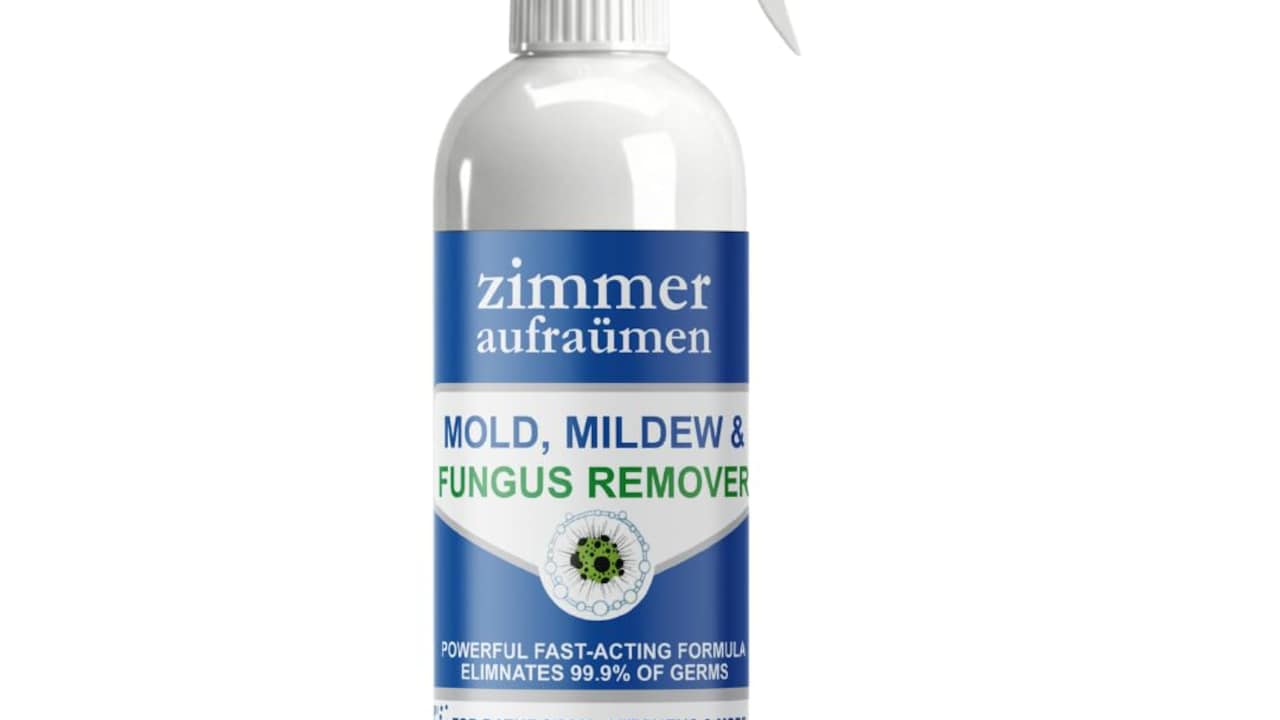
2. Zimmer Aufraumen Mold
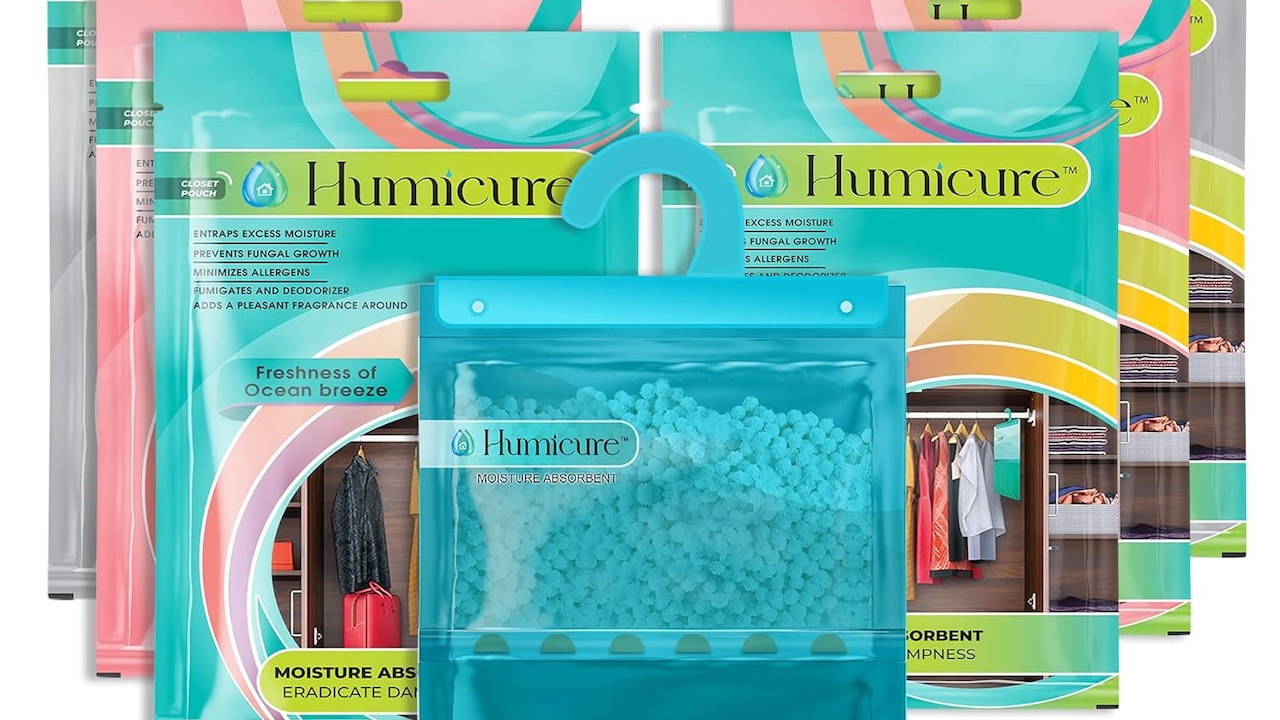
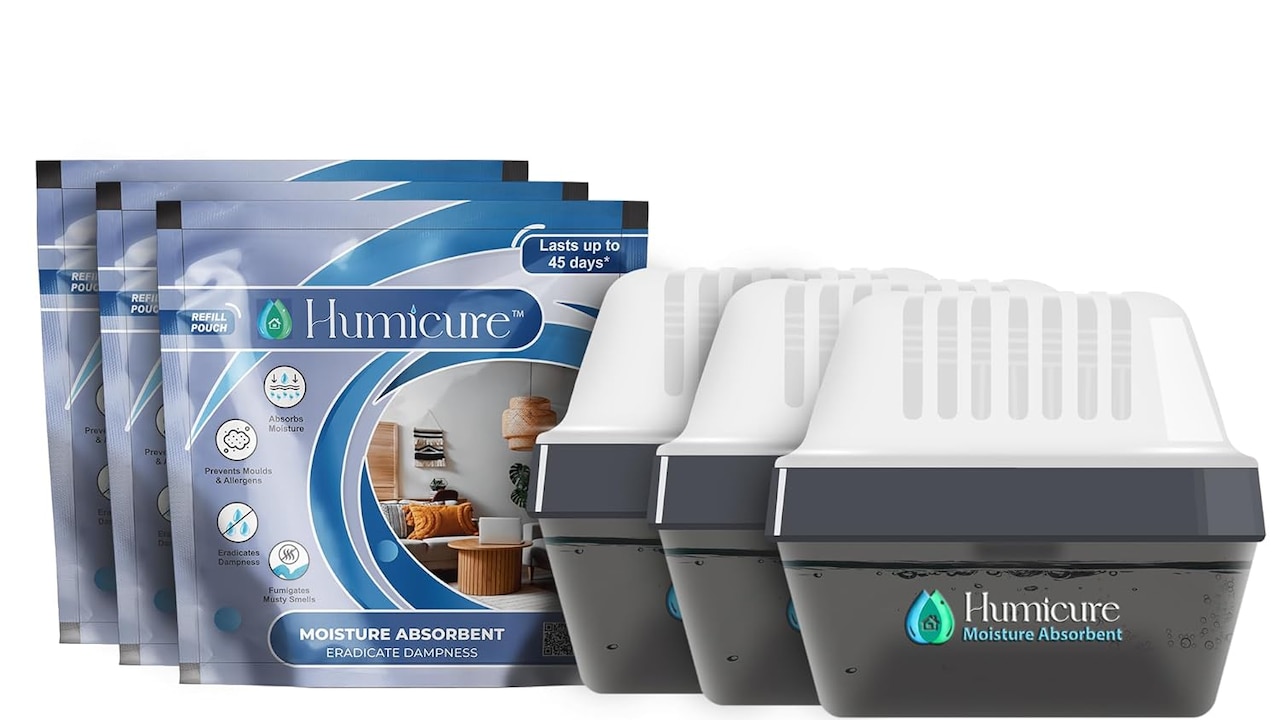
3. Humicure Moisture Absorber Dehumidifier Hanging Bags with 1 Litre Absorption Capacity for Wardrobe
4. Dettol Anti Bacterial Mould & Mildew Remover
5. GorEX Mold Remover Gel for Home
6. ABZORB-IT CZ-IT Disposable Moisture Absorber
7. Origin Moisture Absorber + Mini Dehumidifier With Natural Silica Gel
The rainy season brings welcome relief from heat, but it also creates ideal conditions for mould, mildew, and persistent dampness. Clothes and shoes often bear the brunt of this invisible battle, especially when humidity remains high for weeks at a stretch.
Fortunately, protecting wardrobes and footwear does not require extraordinary effort. Moisture absorbers, silica gel packs, dehumidifiers, storage boxes, shoe dryers, anti-fungal sprays, natural odour controllers, ventilated racks, fabric fresheners, and UV sterilisation devices each play a valuable role in keeping belongings fresh and protected.
The most effective strategy combines several of these solutions rather than relying on a single product. Small preventive measures taken today can save considerable expense and frustration later.
After all, rainy days should inspire thoughts of hot snacks, cosy evenings, and the soothing rhythm of falling rain, not mouldy shoes and musty wardrobes. With the right products in place, clothes and footwear can remain in excellent condition throughout the season, no matter how dramatic the weather decides to become.
(Disclaimer: This article may include references to or features of products and services made available through affiliate marketing campaigns. NDTV Convergence Limited (“NDTV”) strives to maintain editorial independence while participating in such campaigns. NDTV does not assume responsibility for the performance or claims of any featured products or services.)







![Steam Iron Teflon Shoe Cover for ES-300,ST-96 [Only For ES-300 and ST-96 Model Electric Steam Irons]](https://m.media-amazon.com/images/I/51wwkttondL._SL160_.jpg)