The Rug Mistake That Makes Small Rooms Look Smaller
The wrong rug can shrink a small room faster than dark walls or bulky furniture. Choosing a rug that’s too small disrupts flow, creates clutter, and makes compact spaces feel noticeably tighter.

The Rug Mistake That Makes Small Rooms Look Smaller
Small rooms often come with big decorating challenges. Every design choice matters, from wall colour to furniture layout, but rugs carry surprising power. Many homes feature beautiful rugs that are simply too small for the space. It seems harmless enough. A modest rug may feel budget-friendly or practical, especially when decorating on a tighter budget. However, this common choice can visually chop up the floor, making the room feel boxed in and awkward. Picture a compact Mumbai flat or a snug city apartment where every square foot counts. In such spaces, design mistakes become impossible to ignore. A tiny rug floating in the middle of the room can create the same effect as wearing comfortable shoes two sizes too small. It feels off, looks uncomfortable, and disrupts harmony. The good news is that this issue has an easy fix. Understanding proportion, placement, and visual flow can instantly elevate a room. With thoughtful choices, even smaller spaces can feel airy, polished, and inviting.
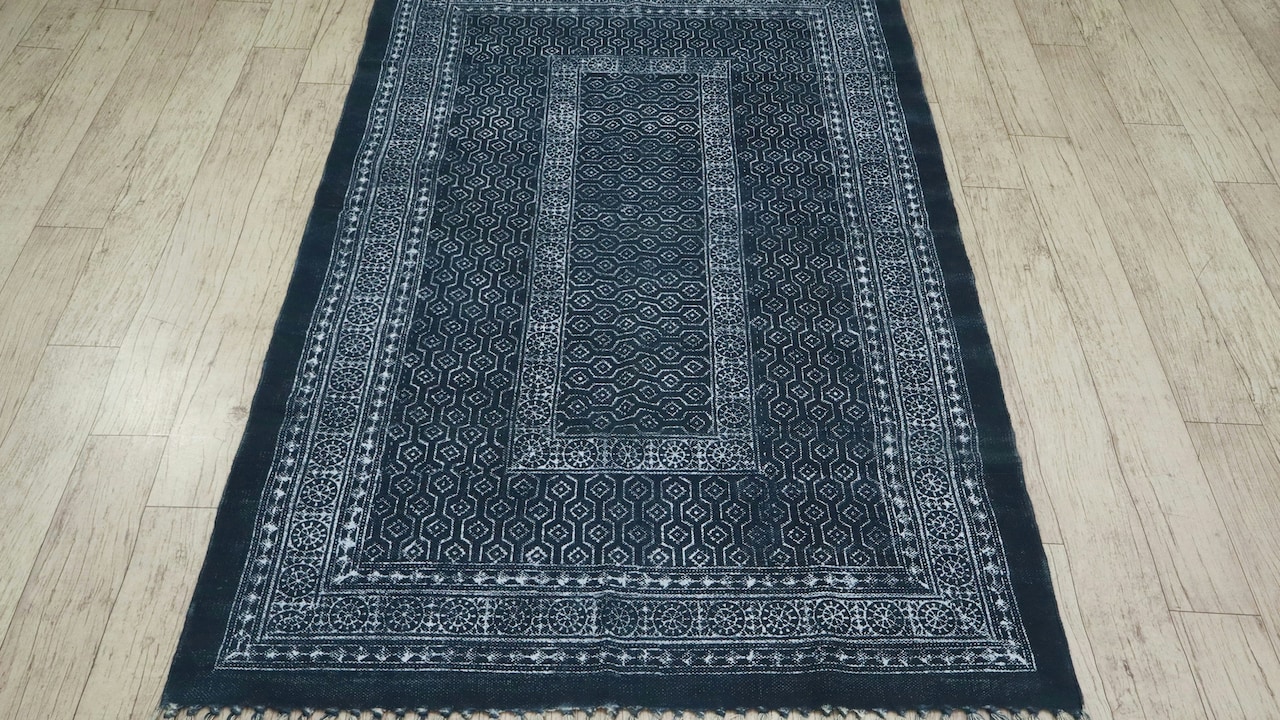
The Rug Mistake That Makes Small Rooms Look Smaller; Photo Credit: Pexels
How One Common Rug Choice Can Quietly Shrink Your Space
Why Rug Size Matters More Than Most People Think
Rugs do far more than protect floors or add softness underfoot. They define zones, anchor furniture, and shape how the eye perceives a room. When a rug is too small, it creates fragmented visual boundaries. Instead of expanding the room, it isolates furniture pieces and emphasises limited floor space.
This mistake often happens because smaller rugs usually cost less, with many homeowners opting for a ₹2,000 rug rather than investing ₹8,000 or more in a larger option. While this may save money initially, the room often appears unfinished.
Interior designers frequently stress that scale creates cohesion. A properly sized rug allows furniture to connect visually, creating a sense of spaciousness. In smaller rooms, this becomes especially important. The floor should feel continuous, not interrupted by undersized décor.
Choosing the right rug is not about extravagance. It is about creating balance. A larger rug can actually make modest spaces feel more luxurious, proving that sometimes going bigger delivers better value.
The Classic ‘Floating Rug' Error
One of the most common rug blunders is the floating rug. This happens when a small rug sits isolated in the centre of the room, with all furniture legs positioned completely off it. While this setup may seem neat, it often makes the space feel disconnected.
Imagine a coffee table balanced awkwardly on a tiny rug while the sofa and chairs hover around it. The result resembles a postage stamp in the middle of the floor rather than a cohesive design feature. The eye immediately notices the empty gaps, which visually shrink the room.
In compact living rooms, this layout can feel particularly jarring. Instead of tying the space together, the rug highlights its limitations. Furniture appears scattered, and the room loses flow.
A better approach involves selecting a rug large enough for at least the front legs of major furniture pieces to rest on it. This creates visual unity and makes the room feel intentionally designed rather than pieced together.
Also Read: Best Carpets For Home Decor: How Modern Rugs Instantly Transform Any Room
Bigger Rugs Can Create The Illusion Of Space
It may sound counterintuitive, but larger rugs often make smaller rooms appear bigger. By covering more floor area, they reduce visual breaks and create smoother sightlines.
When the eye sees uninterrupted expanses, the brain interprets the room as larger than it actually is. This principle works beautifully in bedrooms, living areas, and dining spaces. A generously sized rug frames the room rather than dividing it.
For example, in a small bedroom, placing a large rug partially under the bed creates softness while visually expanding the area. In a living room, a wider rug helps furniture feel grounded and connected.
This does not mean wall-to-wall carpeting is necessary. Instead, aim for proportion. Leave a border of visible flooring around the rug edges, typically around 20 to 30 centimetres.
The result feels elegant and breathable. It is a simple design trick that can dramatically improve how a room feels without knocking down a single wall.
Material And Pattern Play A Quiet Yet Powerful Role
Size may be the biggest factor, but material and design matter too. Heavy, dark rugs with busy patterns can overwhelm compact spaces, even if the dimensions are correct.
Dense prints may feel visually noisy, especially in already crowded rooms. Meanwhile, lighter tones, subtle textures, or understated geometric patterns create openness. Soft beiges, muted greys, or earthy tones often work beautifully in warmer climates and complement diverse interiors.
Natural fibres like cotton or jute can add texture without heaviness. These materials feel breathable and versatile, perfect for urban flats or family homes alike.
That said, bold designs are not forbidden. The trick lies in moderation. A dramatic rug can shine in a small room if the surrounding décor remains balanced.
The key is harmony. Rugs should support the room's design, not dominate it. When chosen thoughtfully, even patterns can enhance spaciousness instead of crowding it.
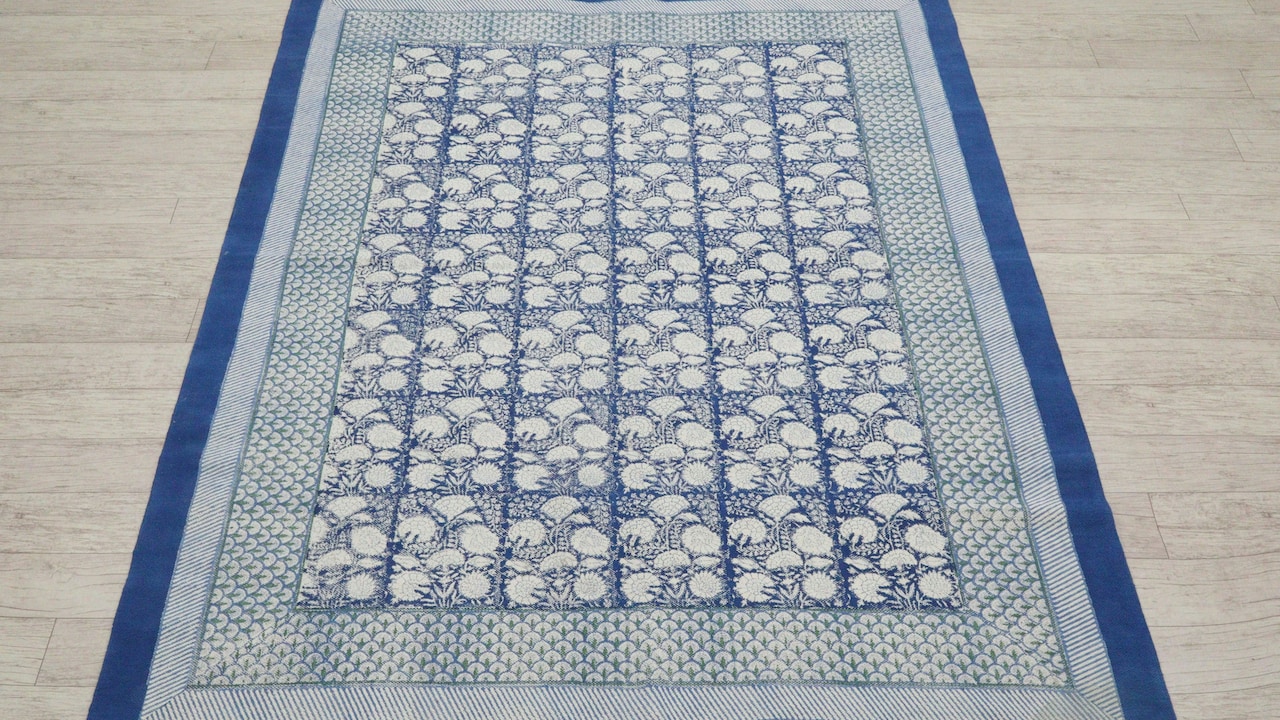
The Rug Mistake That Makes Small Rooms Look Smaller; Photo Credit: Pexels
Placement Mistakes That Cramp A Room
Even the perfect rug can fail if placed incorrectly. Positioning matters just as much as size. Poor alignment can distort a room's proportions and create unnecessary tension.
For instance, placing a rug too far from the sofa can make seating areas feel detached. Similarly, awkward rug placement under dining tables can create an imbalance, especially when chairs slide halfway on and off the rug.
Symmetry often works wonders in smaller rooms. Aligning the rug with furniture edges creates order, while random angles can make the room feel chaotic.
Hallways and narrow spaces also benefit from careful placement. A runner that is too short may make a corridor feel stunted. One that extends appropriately can elongate the area beautifully.
Attention to placement transforms rugs from accessories into strategic design tools. It ensures every inch contributes positively to the room's atmosphere.
Budget-Friendly Ways To Avoid This Common Mistake
A larger rug does not always mean spending extravagantly. Smart shopping can help achieve the right look without overshooting household budgets.
Layering offers one practical solution. A large neutral base rug made from affordable materials can sit beneath a smaller decorative rug, combining style and scale. This approach delivers impact while controlling costs.
Seasonal sales, online marketplaces, and local home furnishing stores often provide excellent deals. Spending ₹6,000 wisely on the right rug can deliver far more aesthetic value than repeatedly replacing cheaper, unsuitable options.
Custom-cut carpets can also work well for oddly shaped rooms. They may offer flexibility at a reasonable price.
The goal is thoughtful investment rather than impulse buying. Home décor should feel intentional. Selecting a rug based purely on price often leads to design regret, while strategic budgeting creates lasting comfort and style.
Small Bedrooms Need Special Attention
Bedrooms deserve particular care because rugs influence both comfort and perceived tranquillity. In smaller bedrooms, tiny bedside rugs can unintentionally make the room feel disjointed.
A common mistake involves placing narrow rugs only beside the bed. While functional, this can break visual continuity. Instead, a larger rug extending under the lower two-thirds of the bed creates cohesion and softness.
This arrangement not only feels luxurious but also makes the room appear broader. Waking up to a plush surface underfoot adds practical comfort, too.
Light-coloured rugs often work especially well in bedrooms, enhancing serenity. Patterns should remain gentle to avoid visual clutter.
Given that bedrooms often serve as personal retreats in busy urban homes, thoughtful rug choices can significantly improve relaxation. A well-sized rug contributes to both style and emotional comfort.
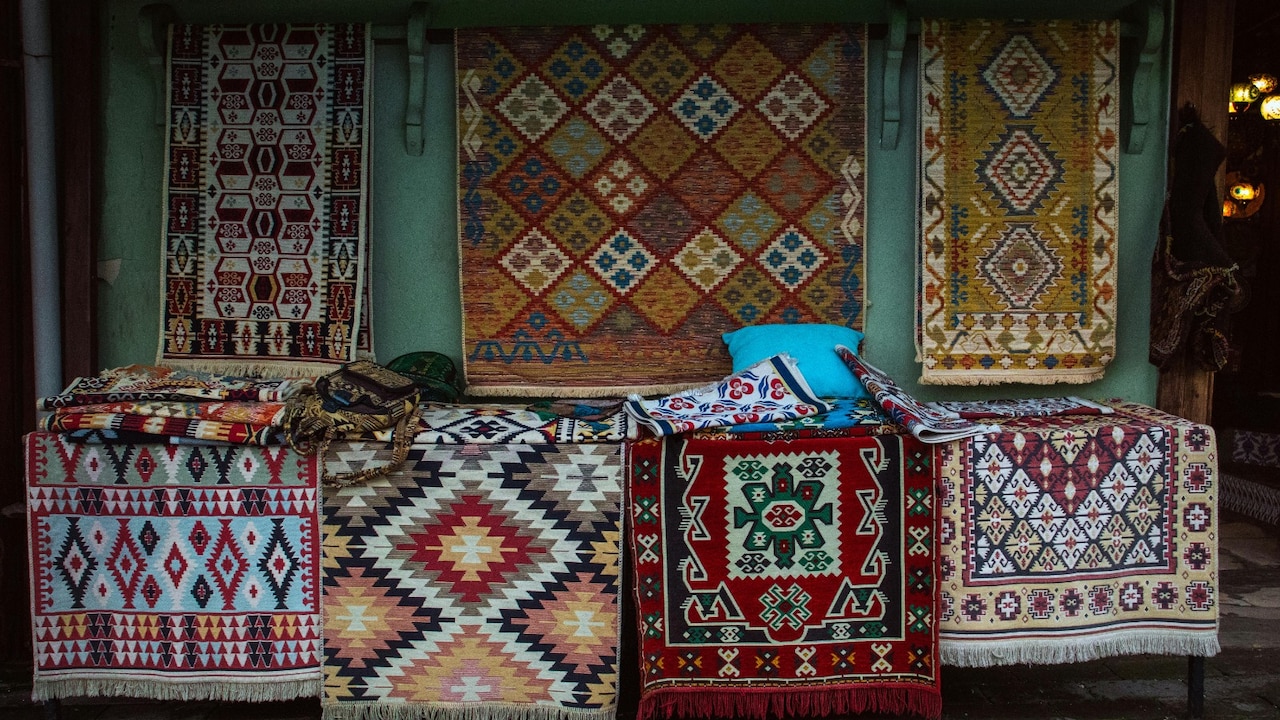
The Rug Mistake That Makes Small Rooms Look Smaller; Photo Credit: Pexels
Living Rooms Often Reveal Rug Errors Fastest
Living rooms usually expose rug mistakes more clearly than any other space because they function as social hubs. Whether entertaining guests or enjoying evening chai, this area demands comfort and cohesion.
A small rug in a living room can make seating arrangements look awkward, almost as if furniture was placed as an afterthought. This issue becomes even more noticeable in open-plan spaces.
Larger rugs help define conversation zones, creating warmth and visual order. They can also make modest flats feel more sophisticated and spacious.
Choosing the right shape matters too. Rectangular rugs often suit standard layouts, while round rugs can soften sharper interiors.
Since living rooms often set the tone for the entire home, getting the rug right has an outsized impact. It is one of the easiest ways to make a compact home feel polished and welcoming.
Colour Choices Can Expand Or Shrink A Space
Colour psychology quietly shapes spatial perception. Dark shades tend to absorb light, making rooms feel cosier but potentially smaller. In compact spaces, overly dark rugs may add heaviness.
Lighter colours reflect more light, helping rooms feel open and airy. Cream, taupe, soft blue, or pale terracotta can work beautifully.
Monochromatic schemes also help. Rugs that blend harmoniously with wall or floor tones create continuity. Sharp contrast, while dramatic, may visually segment the room.
This does not mean every small room requires pale neutrals. Rich tones can still succeed when balanced with lighter surroundings.
Ultimately, colour should complement the room's natural light and existing décor. A thoughtful palette enhances scale, while careless choices may unintentionally close the space in.
Style Should Never Sacrifice Proportion
Trends come and go, from vintage Persian designs to minimalist Scandinavian aesthetics. Yet style should never override proper sizing.
Many homeowners prioritise trendy patterns or social media-inspired looks without considering room dimensions. This often leads to beautiful rugs that simply do not fit the space effectively.
A stylish rug that is too small still disrupts balance. Design success lies in blending aesthetics with functionality.
The most impressive interiors feel effortless because they respect scale. Proportion forms the foundation, while style adds personality.
Choosing a rug should involve practical measurements first, followed by design preferences. This approach ensures visual appeal without compromising spaciousness.
A home should feel comfortable, not constrained by fashionable but flawed decisions.
Products Related To This Article
1. SWEET HOMES Super Ultra Soft Shaggy Handcrafted Anti-Skid Silk Touch Rectangular Carpet
2. ishro home 3x5 Feet 3D Jet Multi Printed Carpet Rug Runner and Carpets for Bedroom
3. ishro home 3 x 5 Feet 3D Jet Multi Printed Carpet Rug Runner and Carpets for Bedroom
4. Cozy Soft MATARIAL Non Slip Carpet for Home Decor Aesthetic Rugs
5. Purav Light Home Decor Cotton Carpets for Living Room
The wrong rug size remains one of the most overlooked mistakes in home décor, yet its impact can be dramatic. In smaller rooms, an undersized rug often creates visual clutter, fragmented layouts, and a cramped atmosphere.
Thankfully, this mistake is easy to correct. By prioritising proportion, thoughtful placement, suitable materials, and balanced colour choices, even the smallest spaces can feel elegant and expansive.
A rug should connect a room, not confine it. The right choice transforms compact homes into inviting sanctuaries, proving that good design is rarely about size alone. Sometimes, the simplest floor-level adjustment can completely change how a home feels from wall to wall.
(Disclaimer: This article may include references to or features of products and services made available through affiliate marketing campaigns. NDTV Convergence Limited (“NDTV”) strives to maintain editorial independence while participating in such campaigns. NDTV does not assume responsibility for the performance or claims of any featured products or services.)

![Steam Iron Teflon Shoe Cover for ES-300,ST-96 [Only For ES-300 and ST-96 Model Electric Steam Irons]](https://m.media-amazon.com/images/I/51wwkttondL._SL160_.jpg)