Low Ceilings, Big Mistakes: Why Vertical Storage Fails: And Smarter Ways To Fix It
Vertical storage may seem smart, but in low-ceiling homes, it often backfires, creating clutter, discomfort, and poor usability. Discover why it fails and smarter, space-savvy alternatives that actually work.
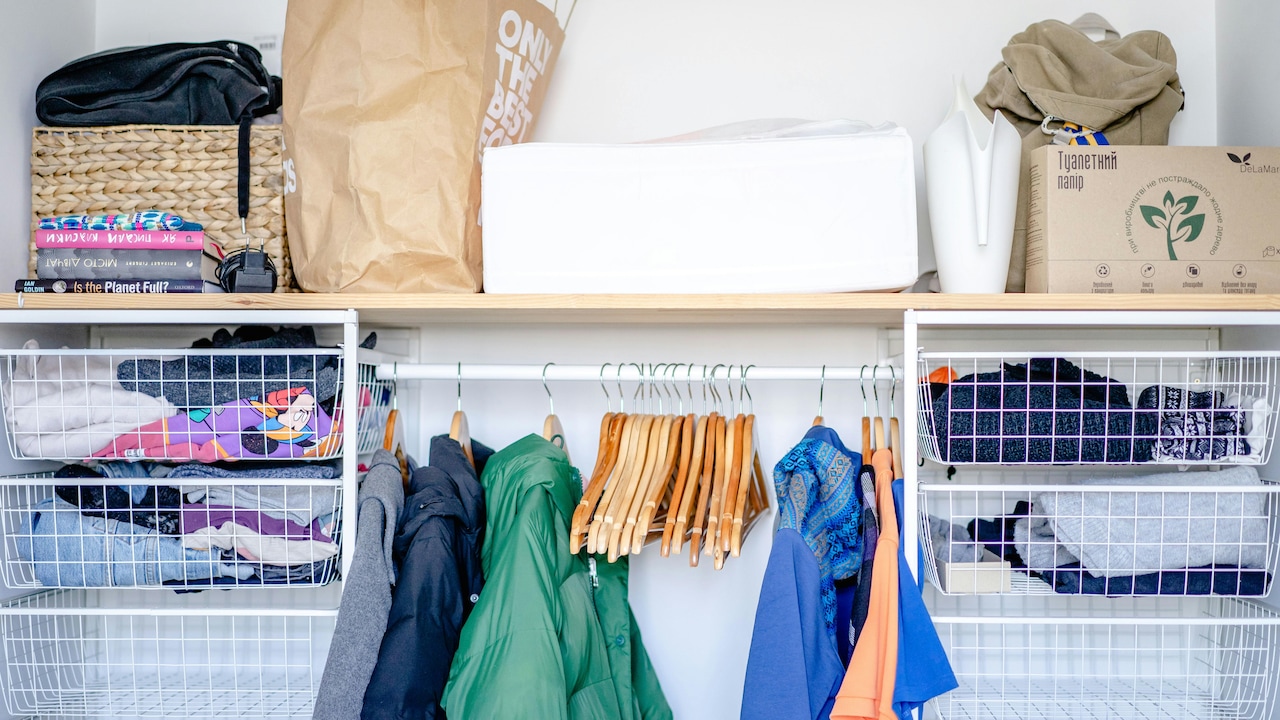
Why Vertical Storage Fails: And Smarter Ways to Fix It
Space has become a luxury. In bustling cities, where every square foot carries a hefty price tag, sometimes ₹10,000 or more per square foot, the urge to maximise storage feels almost instinctive. The common advice? Go vertical. Stack shelves higher, install loft cabinets, and push storage towards the ceiling. On paper, it sounds efficient. In reality, especially in homes with low ceilings, it often leads to frustration. Walk into a room where cabinets loom overhead, and the first sensation is not efficiency, it's suffocation. The space feels tighter, heavier, almost as though the walls are closing in. Reaching for everyday items becomes a chore. Dust collects in corners no one wants to clean. What began as a clever solution turns into a daily inconvenience.
This isn't just about aesthetics. It's about how spaces are used, felt, and lived in. Low ceilings demand a different approach, one that values accessibility, comfort, and visual balance over sheer storage volume. The good news? Smarter solutions exist, and they don't require sacrificing style or practicality.
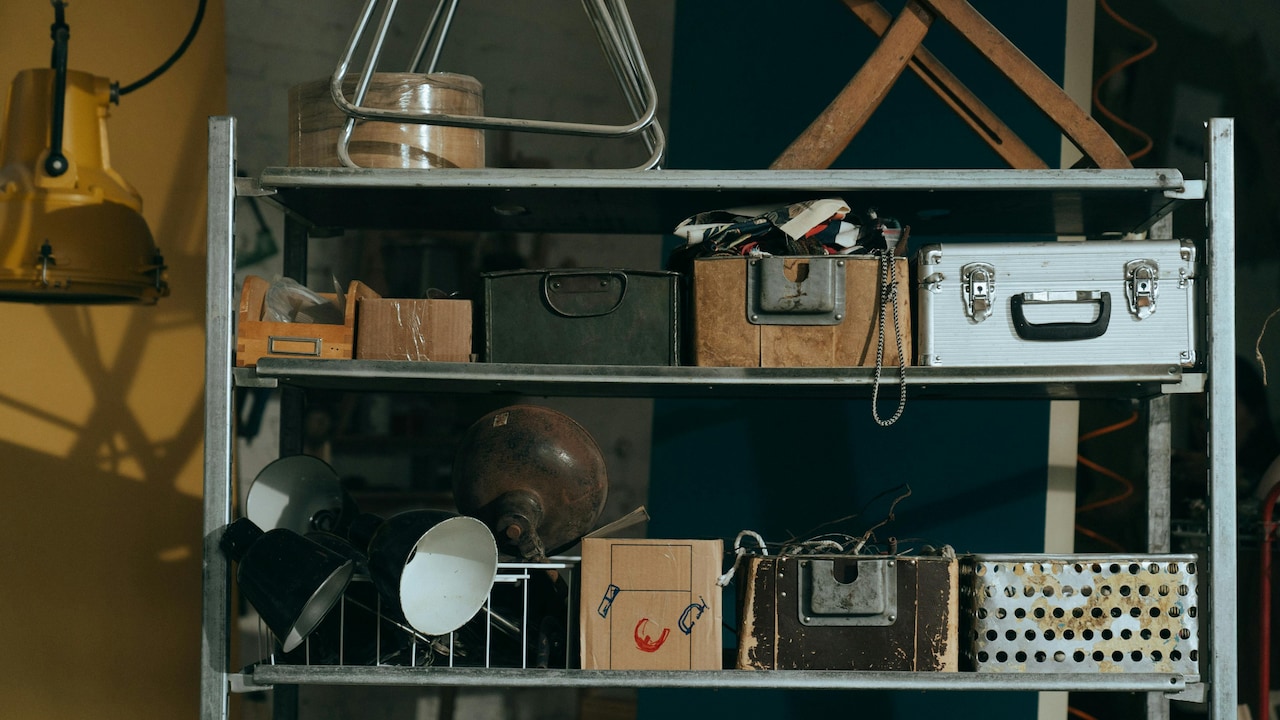
Low Ceilings, Big Mistakes: Why Vertical Storage Fails: And Smarter Ways to Fix It
Photo Credit: Pexels
The Hidden Problems With Vertical Storage In Low-Ceiling Homes
The Illusion Of More Space
Vertical storage often promises more room, but in low-ceiling homes, it delivers the opposite. Tall cabinets and stacked shelves draw the eye upward, emphasising the limited height rather than disguising it. Instead of creating openness, they make the ceiling feel closer than it actually is.
Picture a compact living room where a floor-to-ceiling unit dominates one wall. Rather than appearing organised, the room feels boxed in. The brain reads those vertical lines as boundaries, not opportunities. Even when storage increases, the sense of space shrinks.
A better approach focuses on horizontal flow. Low-profile furniture, extended surfaces, and wider layouts trick the eye into seeing more space. A long console or a sleek bench can store just as much while keeping the room visually breathable. The trick lies in spreading storage rather than stacking it.
In homes where every inch counts, perception matters as much as function. Vertical storage ignores this delicate balance, often at the cost of comfort.
Accessibility Becomes A Daily Struggle
Storage only works when it's easy to use. In low-ceiling homes, vertical units often push items out of comfortable reach. Everyday essentials end up on top shelves, requiring stools, stretching, or creative balancing acts.
Imagine reaching for a spice jar placed just a little too high. What should take seconds turns into a mini workout. Over time, these small inconveniences add up, turning storage into a source of irritation rather than ease.
There's also a safety angle. Frequent climbing, especially in homes with children or elderly residents, increases the risk of accidents. A simple slip can lead to injuries far costlier than any storage upgrade; medical bills can easily cross ₹5,000 for even minor mishaps.
Smart storage respects human movement. Waist-to-eye-level zones work best for daily items. Less-used belongings can sit slightly higher, but never out of comfortable reach. The goal isn't to store more, it's to store better.
Clutter Hides In Plain Sight
Tall storage units often give the illusion of organisation while quietly harbouring clutter. The higher the shelf, the easier it becomes to forget what's stored there. Items get pushed to the back, duplicates pile up, and soon the space becomes a hidden mess.
It's a familiar scene: an overstuffed loft cabinet that hasn't been opened in months. When it finally does, it reveals everything from old festival decorations to forgotten kitchen gadgets. What seemed like efficient storage turns into a clutter trap.
Low ceilings amplify this problem because visibility decreases as height increases. Out of sight truly becomes out of mind. Instead of solving clutter, vertical storage often delays dealing with it.
A smarter solution involves shallow storage with better visibility. Open shelves, pull-out drawers, and labelled compartments encourage regular use and maintenance. When everything is within sight, there's less temptation to hoard.
Organisation isn't about hiding things, it's about knowing where they are and being able to access them effortlessly.
Cleaning Turns Into A Chore
High storage in low-ceiling spaces creates cleaning nightmares. Dust settles quickly on top surfaces, especially in urban environments where pollution levels remain high. Yet reaching those spots requires effort most people would rather avoid.
Over time, layers of dust build up, affecting not just cleanliness but also air quality. In homes where ventilation already feels limited, this becomes a real concern. A quick wipe isn't enough when cabinets sit just inches below the ceiling.
Cleaning services often charge extra for hard-to-reach areas, sometimes adding ₹500 or more per visit. What started as a cost-saving storage idea ends up increasing maintenance expenses.
Design that prioritises ease of cleaning makes life simpler. Lower cabinets, accessible surfaces, and fewer overhead units reduce the effort required. Even materials matter; smooth finishes resist dust better than textured ones.
A home should feel easy to maintain, not like a constant project waiting to be tackled.
Natural Light Gets Blocked
Light transforms spaces. In rooms with low ceilings, natural light becomes even more valuable. Vertical storage often blocks this light, especially when placed near windows or along walls that reflect brightness.
Tall cabinets create shadows, making rooms feel darker and smaller. Artificial lighting can compensate, but it rarely matches the warmth and openness of natural sunlight. Over time, this affects mood and comfort.
Consider a bedroom where a tall wardrobe stands next to a window. Instead of light spreading across the room, it gets trapped behind bulky furniture. The space feels dull, even during the day.
Smarter layouts keep window areas open. Lower storage units allow light to travel freely, enhancing the sense of space. Mirrors and lighter colours can further amplify brightness without adding physical bulk.
Light should flow, not fight for space.
Aesthetic Balance Gets Disturbed
Design isn't just about fitting things in; it's about how a space feels. Vertical storage in low-ceiling homes often disrupts visual balance. Heavy upper sections create a top-heavy look, making rooms feel unstable and crowded.
Imagine a kitchen where cabinets stretch almost to the ceiling. The upper portion dominates, leaving little breathing room. The result feels overwhelming rather than elegant.
Balanced design distributes weight evenly. Lower cabinets, open spaces above, and thoughtful spacing create harmony. Even leaving a small gap between storage and the ceiling can make a surprising difference.
A room should invite, not intimidate. When storage overwhelms design, comfort takes a backseat.

Low Ceilings, Big Mistakes: Why Vertical Storage Fails: And Smarter Ways to Fix It
Photo Credit: Pexels
Loft Storage Becomes A Dumping Ground
Loft storage often seems like the ultimate solution for low-ceiling homes. Tucked above eye level, it promises hidden storage without affecting daily living space. In reality, it often becomes a dumping ground.
Items stored in lofts rarely see regular use. Access requires effort, so things get stored and forgotten. Over time, these spaces fill with unnecessary belongings, adding weight, both physical and mental, to the home.
There's also a structural consideration. Overloading loft spaces can strain walls, especially in older buildings. Repairs can cost ₹10,000 or more, turning a simple storage choice into a financial burden.
Instead of relying heavily on lofts, selective use works better. Store seasonal items, not everyday essentials. Combine this with smarter ground-level storage to maintain balance.
Storage should serve life, not complicate it.
Psychological Impact Of Low Clearance
Living under low ceilings already affects perception. Adding vertical storage worsens this by reducing visible clearance. The result? A subtle sense of discomfort that's hard to explain but easy to feel.
Spaces with limited headroom can feel oppressive. Add bulky overhead units, and that feeling intensifies. Even if everything is neatly arranged, the room doesn't feel relaxing.
Psychology plays a big role in design. Open spaces, even small ones, create a sense of freedom. Cluttered upper zones do the opposite.
A better approach focuses on creating visual openness. Light colours, minimal overhead structures, and clean lines help counteract low ceilings. Even small changes, like reducing cabinet height, can significantly improve how a space feels.
Also Read: Top 6 Cable Organisers That Actually Reduce Visual Clutter
Comfort isn't just physical, it's emotional.
Furniture Flexibility Gets Lost
Vertical storage often locks a room into a fixed layout. Large, tall units are difficult to move, limiting flexibility. In smaller homes, adaptability matters more than permanence.
Think about rearranging a living room for guests or festivals. A bulky vertical unit restricts movement, making changes inconvenient. The room becomes rigid instead of dynamic.
Flexible furniture offers better solutions. Modular units, movable shelves, and multi-purpose pieces adapt to changing needs. A storage bench can double as seating, while a low cabinet can shift positions easily.
Homes evolve over time. Storage should evolve with them, not hold them back.
Smarter Alternatives That Actually Work
The solution isn't to abandon storage, it's to rethink it. Low ceilings call for creative, human-centred design rather than one-size-fits-all solutions.
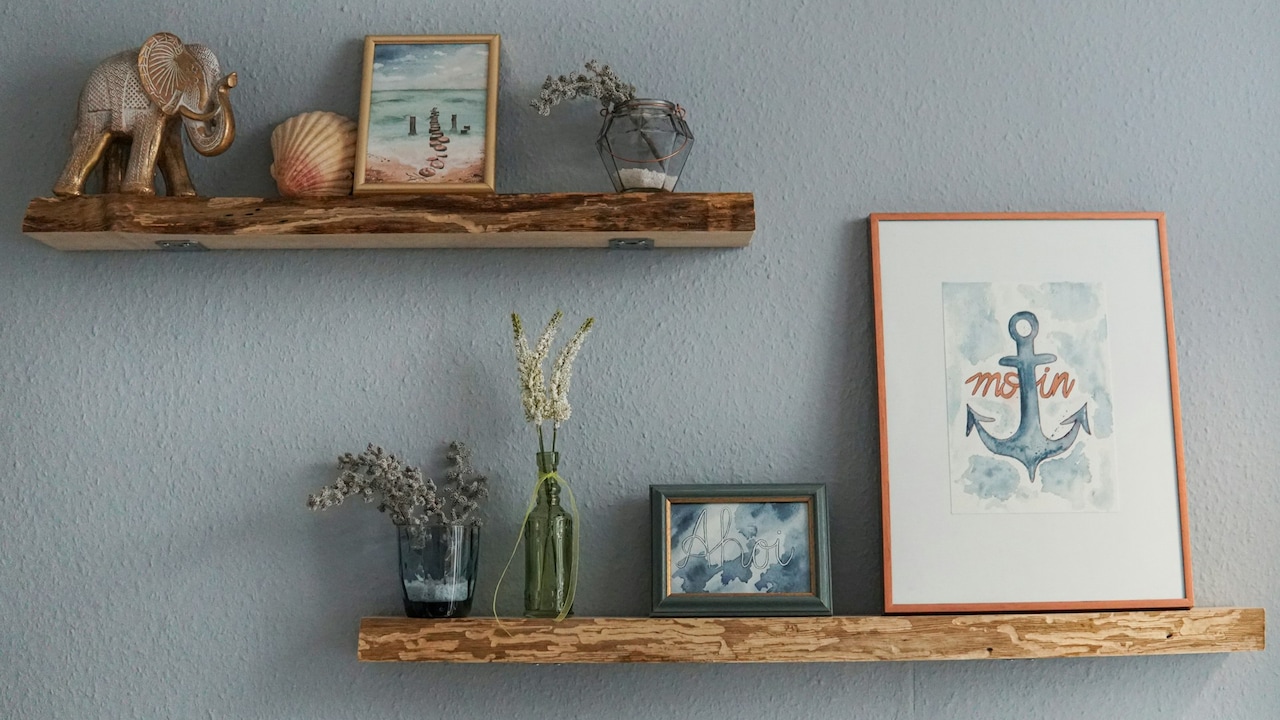
Low-height furniture, wall-mounted shelves at accessible levels, and under-bed storage maximise space without overwhelming it. Built-in seating with hidden compartments offers discreet storage. Even corners can become efficient with the right design.
Sliding doors save space compared to swinging ones. Open shelving, when used thoughtfully, keeps items visible and accessible. Decluttering regularly ensures storage doesn't become a burden.
Sometimes, the smartest solution isn't adding more, it's keeping less. A home that breathes feels larger than one that's packed to the brim.
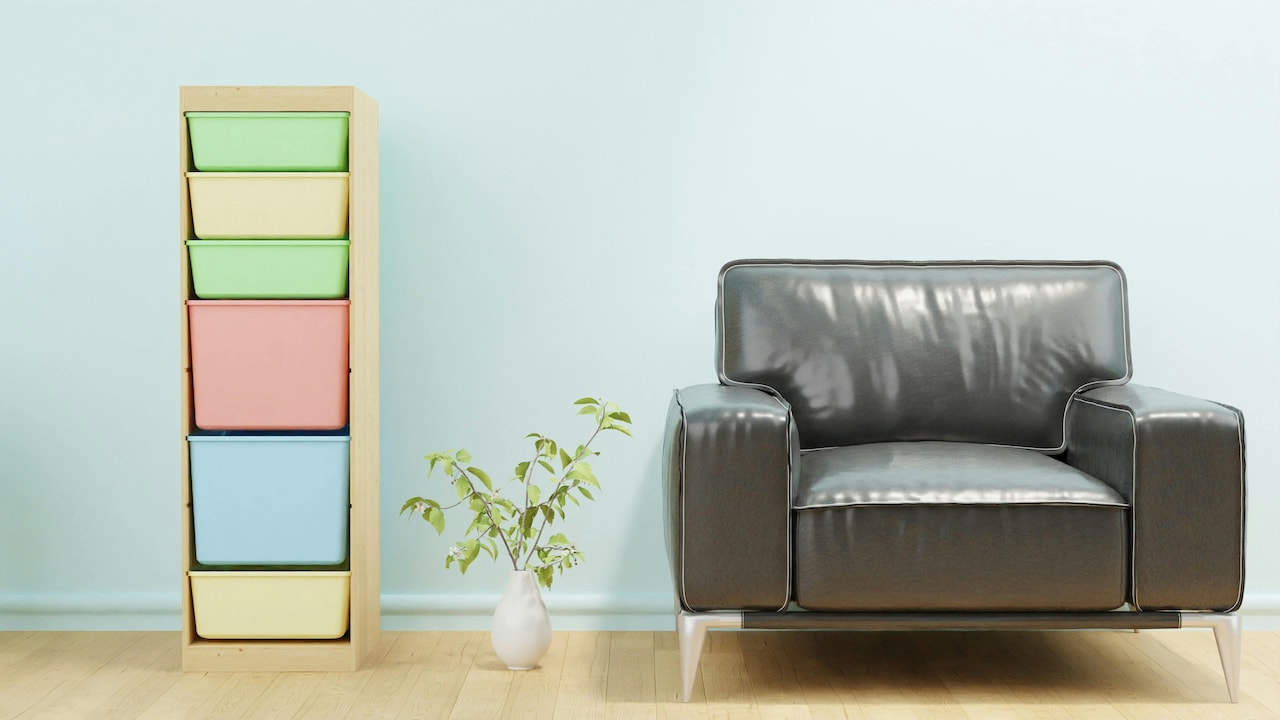
Low Ceilings, Big Mistakes: Why Vertical Storage Fails: And Smarter Ways to Fix It
Photo Credit: Pexels
Products Related To This Article
1. PulGos ???????????????? Foldable Drawer Organizer Box
2. KREPS® Desk Makeup Organizer, Plastic Storage Box with Sliding Drawer
3. Organizer Tray Office Drawer Dividers Storage Bins Multipurpose Desk for Makeup
4. Raggle 2 pcs Closet Organizers and Storage Bins Foldable Metal Frame Storage Box
5. PulGos 4 Pcs Wardrobe Organizer for Storage
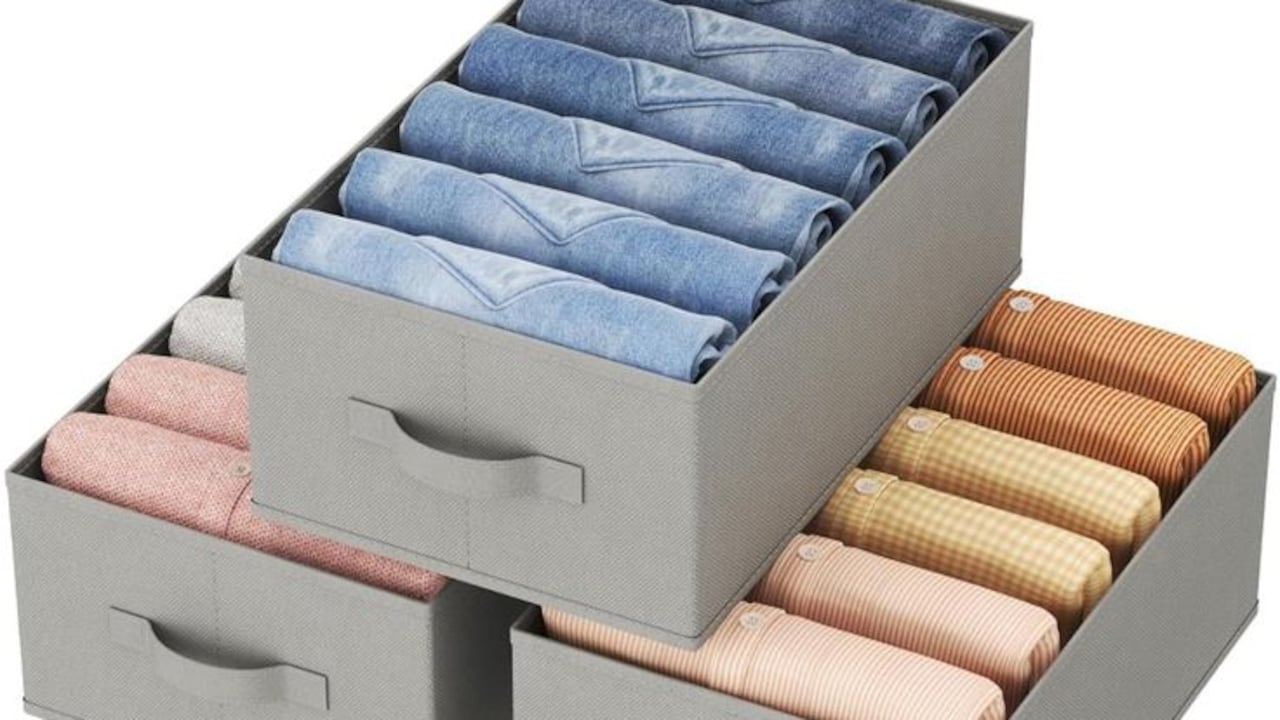
6. HomeStrap Printed Stackable Shirt Organizer With Cover Lid- Grey Pack Of 4
7. PrettyKrafts Non-Woven Extra Large Saree Cover for Storage
Vertical storage might sound like the perfect fix for limited space, but in low-ceiling homes, it often creates more problems than it solves. From accessibility issues to aesthetic imbalance, the drawbacks quickly outweigh the benefits.
The key lies in understanding the space rather than forcing it to behave differently. Low ceilings demand thoughtful design, one that prioritises comfort, accessibility, and visual openness. Smarter storage doesn't climb higher; it works better at eye level.
A well-designed home doesn't just store belongings, it supports daily life. It feels easy to live in, easy to maintain, and easy to enjoy. When storage respects the space it occupies, even the smallest rooms can feel generous.
In the end, it's not about how much fits into a home. It's about how well that home fits the people living in it.
(Disclaimer: This article may include references to or features of products and services made available through affiliate marketing campaigns. NDTV Convergence Limited (“NDTV”) strives to maintain editorial independence while participating in such campaigns. NDTV does not assume responsibility for the performance or claims of any featured products or services.)







![Steam Iron Teflon Shoe Cover for ES-300,ST-96 [Only For ES-300 and ST-96 Model Electric Steam Irons]](https://m.media-amazon.com/images/I/51wwkttondL._SL160_.jpg)