Do Borosilicate Glass Containers Crack With Sudden Temperature Change?
Borosilicate glass is known for handling heat, but can it survive sudden temperature changes? Explore the science, common kitchen mistakes and simple tips to prevent cracks.
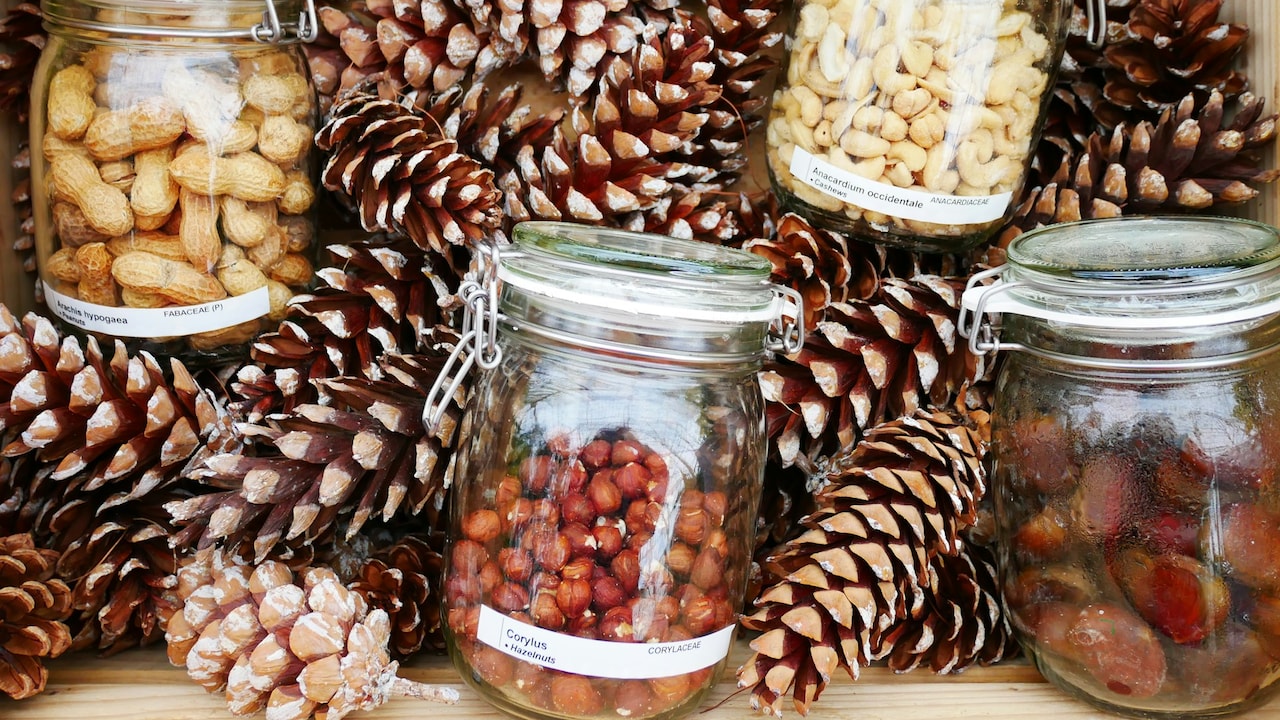
10 things to care for borosilicate glass containers the right way
There's a quiet sense of trust that comes with using glass containers in the kitchen. They feel clean, reliable, and just a little bit sophisticated. Borosilicate glass, in particular, carries a reputation that borders on invincible. Advertisements promise that it can handle extreme temperature changes without batting an eyelid. Straight from the freezer to the oven? No problem. Boiling water poured into it? Absolutely fine. Yet, anyone who has heard the sharp crack of glass at the wrong moment knows reality can be less forgiving. That sudden sound, followed by a sinking feeling, raises a simple question: does borosilicate glass really live up to the hype?
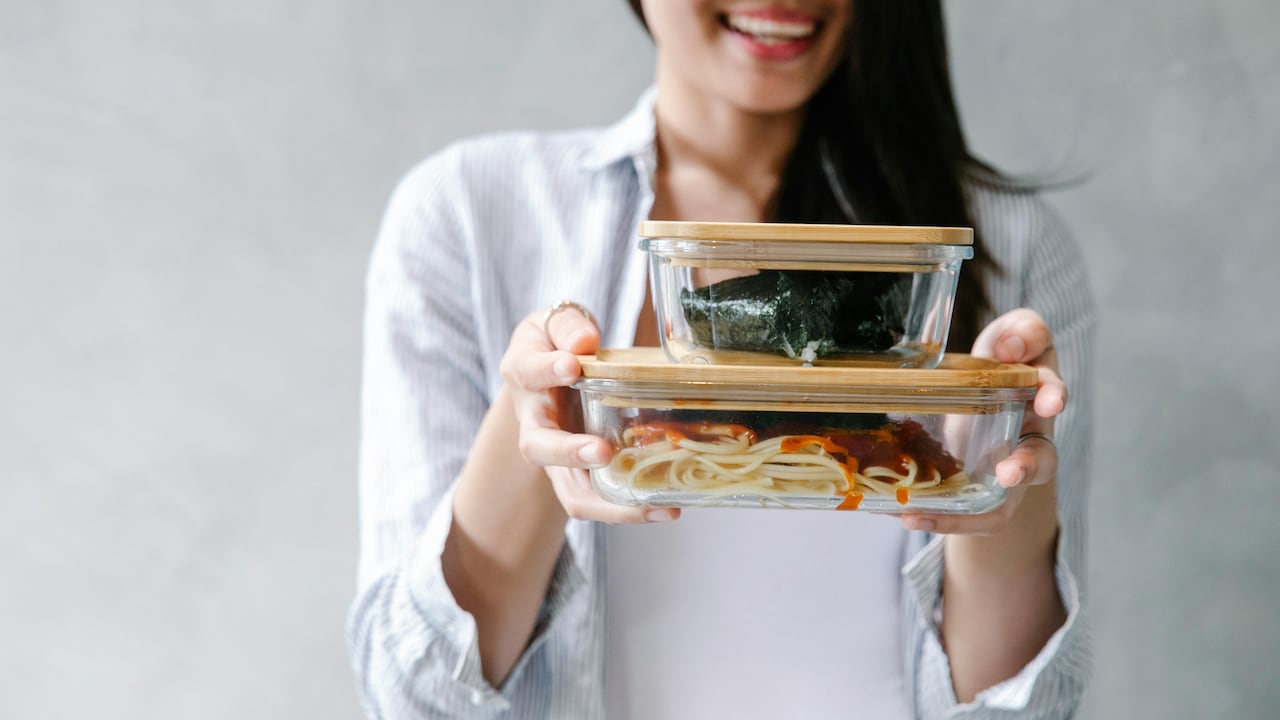
Things to know about borosilicate glass containers before using them; Photo Credit: Pexels
The answer lies somewhere between science and everyday use. While borosilicate glass is engineered to resist thermal shock, it is not completely immune. Much depends on how it is used, how it is handled, and even how it is made. Kitchens are unpredictable spaces, and even the most robust materials have limits.
Also Read: Best Unbreakable Glass Food Storage Containers: Top 10 Things to Check Before You Buy
What Really Happens When Borosilicate Glass Faces Heat And Cold
What Makes Borosilicate Glass Different
Borosilicate glass stands apart from regular glass due to its composition. It contains boron trioxide, which allows it to expand and contract very little when exposed to temperature changes. This low thermal expansion gives it a clear advantage over ordinary soda-lime glass.
In practical terms, this means a container can move from cold to hot conditions with less internal stress. That is why laboratory equipment and premium cookware often use borosilicate glass. It is designed to stay stable even when temperatures fluctuate quickly.
However, “less expansion” does not mean “no expansion.” The material still reacts to heat, just more gracefully. When pushed beyond its tolerance, even borosilicate glass can develop stress fractures. Think of it like a seasoned marathon runner. Strong and resilient, yes, but still vulnerable if pushed too far, too fast.
In everyday kitchens, this difference matters. It explains why some glass containers survive years of rough use while others crack unexpectedly.
Understanding Thermal Shock In Simple Terms
Thermal shock sounds technical, but the idea is quite straightforward. It happens when one part of a material heats up or cools down faster than another. This creates uneven expansion, which leads to stress within the material.
Imagine pouring boiling dal into a cold glass bowl straight out of the fridge. The inner surface heats rapidly while the outer surface remains cold. This imbalance creates tension, and if the stress exceeds the material's limit, a crack forms.
Borosilicate glass reduces this risk because it handles expansion more evenly. Still, extreme differences can overwhelm even its design.
In real life, thermal shock often comes from small habits. Placing a hot container on a wet countertop, rinsing a warm dish under cold water, or reheating food directly from the fridge. These actions may seem harmless, but they create the exact conditions that lead to cracks.
Understanding thermal shock is less about memorising science and more about noticing these everyday patterns.
Can Borosilicate Glass Really Handle Sudden Changes
The honest answer is yes, but only to a point. Borosilicate glass is built to tolerate sudden temperature changes better than most materials. It can handle moderate shifts, such as moving from room temperature to a preheated oven.
However, extreme transitions still pose a risk. Taking a container from a deep freezer and placing it directly into a hot oven pushes the limits. The difference in temperature becomes too drastic, and even borosilicate glass may struggle.
Manufacturers often specify a safe temperature range, but these guidelines rarely account for real-life variables. A slightly uneven surface, a hidden scratch, or even a tiny manufacturing defect can lower the tolerance.
This is why some people swear by their glass containers lasting years, while others experience unexpected breakage. The material is reliable, but it is not indestructible.
Everyday Kitchen Scenarios That Test Glass
Kitchens are full of small moments that quietly test materials. Pouring boiling chai into a glass cup after it has been sitting in an air-conditioned room. Reheating yesterday's curry straight from the fridge. Placing a hot dish on a damp granite slab.
Each of these actions introduces a temperature difference. Individually, they may not seem extreme, but repeated exposure can weaken the glass over time.
Even washing habits play a role. Rinsing a warm container under cold tap water is one of the most common causes of cracking. The sudden cooling creates stress that builds up silently until one day, the glass gives way.
These are not dramatic mistakes, just everyday routines. That is what makes them tricky. The glass does not fail immediately, which creates a false sense of security.
Over time, small stresses accumulate, and eventually, the material reaches its limit.
The Role Of Quality And Manufacturing
Not all borosilicate glass is created equal. Quality varies depending on the manufacturing process, raw materials, and quality control standards. A well-made container can handle stress far better than a cheaper alternative.
Some brands maintain strict standards, ensuring uniform thickness and fewer imperfections. Others may cut corners, resulting in weak points that are not visible to the eye.
Thickness also matters. Thicker glass can absorb more stress, but it may also develop uneven heating if not designed properly. Balance is key.
Price often reflects these factors. A container costing ₹800 may last years, while a ₹150 alternative might crack sooner. However, cost alone does not guarantee durability.
Careful handling still plays a crucial role. Even the best-quality borosilicate glass cannot survive repeated misuse.
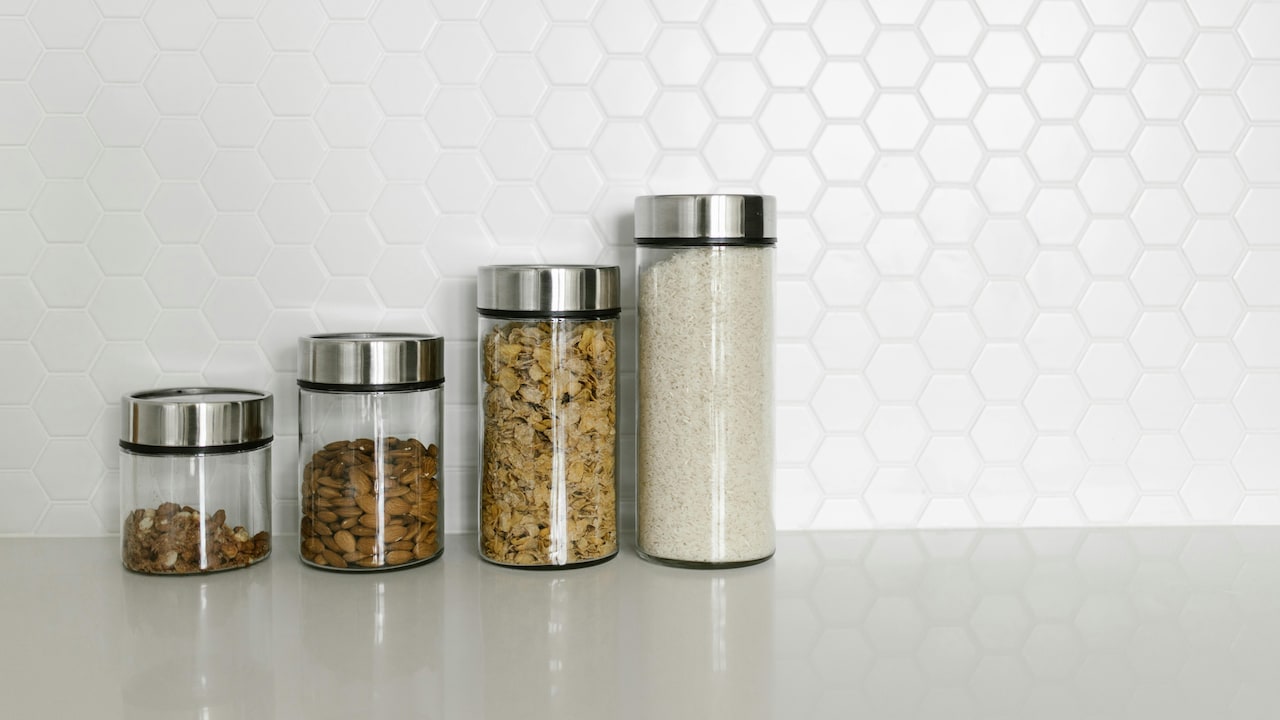
Look for a well-made container that can handle stress better than a cheaper alternative; Photo Credit: Pexels
Why Old Glass Cracks More Easily
Glass ages in subtle ways. Over time, repeated heating and cooling cycles create tiny internal stresses. These are not visible, but they weaken the structure.
An older container that has been through countless microwave sessions and fridge transfers may be more fragile than it appears. A sudden temperature change that it once handled easily may now cause it to crack.
Scratches and chips also contribute to this vulnerability. Even a small scratch can act as a starting point for a crack to spread.
This explains why a container that has served faithfully for years suddenly fails during a routine task. It is not bad luck, but accumulated wear is finally reaching its tipping point.
Replacing older glassware occasionally is not wasteful. It is a practical step to avoid unexpected breakage.
The Impact Of Surface Contact
Where a hot glass container is placed matters more than most people realise. Surfaces like marble or granite tend to be cool, especially in air-conditioned environments. Placing a hot dish directly on such surfaces creates a sudden temperature drop at the base.
This uneven cooling can trigger cracks. The top of the container remains hot while the bottom cools rapidly, creating stress.
Using a cloth, wooden board, or trivet can make a significant difference. These materials act as buffers, reducing the temperature contrast.
It may seem like a small detail, but it often decides whether a container survives or cracks. Kitchens are full of these quiet interactions, where materials respond to their surroundings in ways that are easy to overlook.
Microwave And Oven Use: Safe Or Risky
Borosilicate glass is generally safe for both microwave and oven use. It handles gradual heating well, which makes it ideal for reheating food or baking.
The keyword here is gradual. Sudden changes still pose a risk. Taking a container straight from the fridge and placing it into a preheated oven is not advisable.
Microwaves are slightly more forgiving because they heat food more evenly. However, uneven food distribution can create hot spots, which in turn stress the glass.
Lids and seals also matter. Airtight lids can trap steam, increasing pressure inside the container. This can lead to unexpected cracking.
Used correctly, borosilicate glass performs beautifully in both appliances. Misused, it can fail without warning.
Myths Around “Unbreakable” Glass
Marketing often paints borosilicate glass as nearly unbreakable. While it is tougher than regular glass, this claim stretches the truth.
No glass is completely immune to breakage. Borosilicate glass resists thermal shock, but it does not eliminate it entirely.
This myth can lead to careless handling. People may assume the material can handle anything, which increases the risk of damage.
Understanding the limits of the material leads to better use. It is not about being overly cautious, but about respecting the properties of the glass.
A little awareness goes a long way in extending the life of kitchenware.
Practical Tips To Prevent Cracking
Simple habits can make a noticeable difference. Allowing a container to reach room temperature before heating or cooling it is one of the easiest steps.
Avoid placing hot glass directly on cold surfaces. Using a cloth or wooden base helps distribute heat more evenly.
Gentle washing also matters. Letting a container cool before rinsing prevents sudden temperature shifts.
These are not complicated rules, just small adjustments to daily routines. Over time, they reduce stress on the material and prevent unexpected breakage.
Good care does not require effort, only awareness.
Products Related To This Article
1. Allo FoodSafe Glass Containers with Lids with Break Free Lock
2. ANKUL Borosilicate Glass Teapot with Wooden Handle & Lid
3. Amazon Brand - Solimo Borosilicate Glass Container with Lids for Kitchen
4. AGARO Elite Borosilicate Glass Casserole with Lid, 1500 ml
5. Borosil 240ml Latte Tea/Coffee Mug Set
Borosilicate glass earns its reputation for a reason. It handles temperature changes far better than ordinary glass and fits seamlessly into modern kitchens. From reheating leftovers to baking casseroles, it offers both convenience and durability.
Yet, it is not invincible. Sudden and extreme temperature differences can still cause cracks, especially when combined with everyday habits that go unnoticed.
The truth lies in balance. Respect the material's strengths while staying aware of its limits. Small changes in handling can prevent most issues, turning borosilicate glass into a reliable long-term companion in the kitchen. After all, even the toughest materials appreciate a little care.
(Disclaimer: This article may include references to or features of products and services made available through affiliate marketing campaigns. NDTV Convergence Limited (“NDTV”) strives to maintain editorial independence while participating in such campaigns. NDTV does not assume responsibility for the performance or claims of any featured products or services.)










![Steam Iron Teflon Shoe Cover for ES-300,ST-96 [Only For ES-300 and ST-96 Model Electric Steam Irons]](https://m.media-amazon.com/images/I/51wwkttondL._SL160_.jpg)