10 Reasons Spices Clump Inside Jars In Humid Weather And How To Keep Them Dry
Humid weather can turn free-flowing chilli powder, turmeric and masalas into stubborn lumps. From wet spoons to poor storage spots, here are 10 reasons spices clump and simple ways to keep them dry for longer.
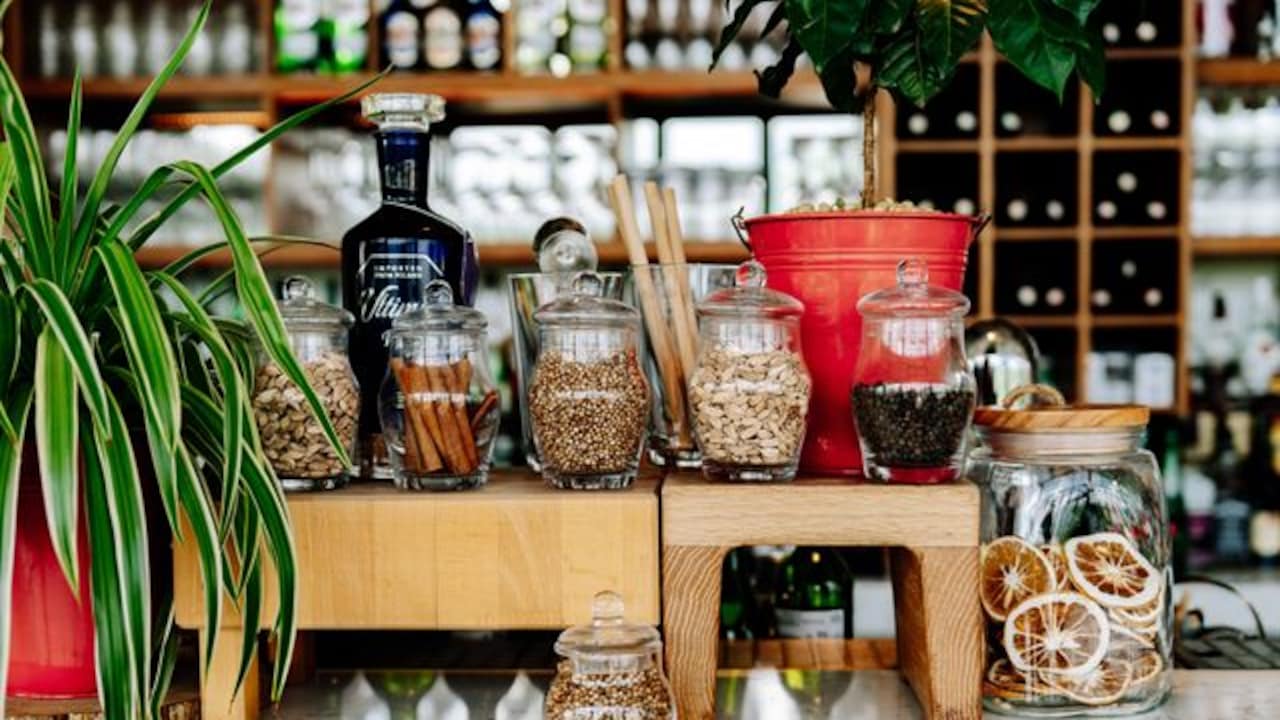
What causes clumpy spices in humid weather
You open the masala jar expecting a neat spoonful of chilli powder. Instead, the spoon hits something that feels suspiciously like a brick. Turmeric has formed little pebbles, coriander powder refuses to pour, and the garam masala needs vigorous tapping before anything comes out. It's a familiar kitchen frustration once the weather turns humid.
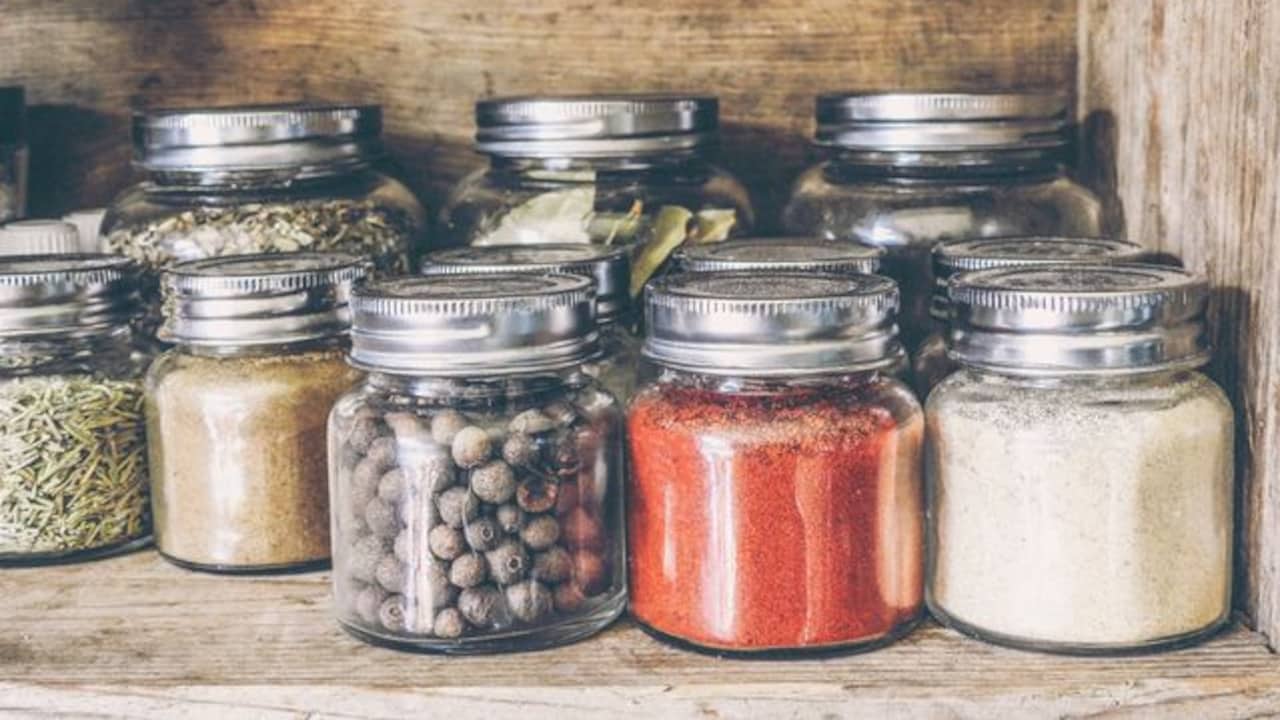
How to prevent lumpy spices in storage jars
Photo Credit: Pexels
Ground spices attract and absorb moisture from the air more easily than they appear to. Their fine particles give moisture plenty of surface area to cling to, and ingredients such as salt, sugar, starches or dehydrated seasonings can make certain blends even more prone to clumping. Add a wet spoon, steam from a bubbling curry or an imperfectly sealed jar, and those powdery spices can quickly lose their free-flowing texture.
Also Read: Serve Hot Rotis In Style With These Elegant Casseroles
Clumping doesn't automatically mean a spice has spoiled. Often, it simply means moisture has reached the powder. Still, repeated exposure to damp conditions can affect aroma, flavour and shelf life. The good news? Most spice-storage problems start with everyday habits that are fairly easy to fix.
What Makes Everyday Spices Turn Lumpy So Quickly?
1. Humid Air Enters The Jar Every Time You Open It
A spice jar doesn't have to sit uncovered for hours to absorb moisture. During humid weather, even a brief opening lets damp air enter. Ground spices contain thousands of tiny particles, giving airborne moisture plenty of places to settle. Once those particles become slightly damp, they start sticking together.
The problem grows when a jar gets opened repeatedly during cooking. Think about making a weekday sabzi: turmeric comes out first, followed by chilli powder, coriander powder and perhaps garam masala later. Each opening brings another small exchange of air.
Try keeping frequently used spices in smaller jars rather than repeatedly opening a large supply container. Refill them only when necessary. Close lids immediately after taking out what you need instead of leaving several jars open beside the hob.
There's another benefit to smaller containers. Less empty space inside means less humid air can sit around the spice. It's a modest change, but during sticky monsoon-like weather, small storage habits often make the biggest difference.
2. Steam From Cooking Reaches Your Spice Containers
The spice shelf beside the hob certainly looks convenient. Unfortunately, convenience can come with an invisible cloud of steam.
Boiling dal, rice, tea, gravies and pressure-cooked dishes release water vapour into the surrounding air. If spice jars sit nearby, that warm, moisture-heavy air can reach them every time you open their lids. The problem gets worse when you hold an open jar directly above a steaming pan while measuring seasoning.
Steam can also condense around lids and rims. That tiny amount of water may seem harmless, but once it reaches a finely ground powder, clumps can form surprisingly quickly.
Keep spice jars a sensible distance from the hob and pressure cooker. When cooking, take the required spice with a dry spoon and close the container before moving the spoon towards the pan.
Avoid shaking spice directly from its jar over a simmering curry too. Steam can travel upwards into the container. A separate spoon or small prep bowl creates an extra step, but it also keeps your entire jar away from a miniature sauna.
3. A Slightly Damp Spoon Can Cause A Surprisingly Big Problem
One wet spoon can undo weeks of careful storage.
Sometimes the moisture isn't obvious. A spoon might have just come from the dish rack, or someone may have quickly rinsed it and wiped it with a cloth. It feels dry, yet a few droplets remain around the edges or handle. Put that spoon into chilli powder or chaat masala and moisture transfers straight into the container.
The damp patch then collects surrounding spice particles. Those particles stick together, creating a small lump that can grow as moisture spreads.
Keep a dedicated set of completely dry spoons near your masala containers if possible. When switching between ingredients while cooking, resist the temptation to use the same spoon after it has touched tomato puree, curd, ginger-garlic paste or another wet ingredient.
This habit matters even more with spice blends containing salt. Salt readily attracts moisture, so a seasoning mixture can turn stubbornly lumpy after surprisingly little exposure. A clean, dry spoon sounds almost too simple as a solution, but it prevents one of the most common causes of clumping.
4. The Jar Lid Isn't As Airtight As It Looks
A lid can appear perfectly closed without creating a proper seal.
Older plastic containers may warp slightly. Screw-top lids can wear down. Hinged containers may have seals that loosen with regular use. Even spice jars with attractive wooden lids sometimes leave tiny gaps that allow humid air to pass through.
You probably won't notice the problem on a dry winter day. During periods of high humidity, however, a weak seal becomes much more obvious. Powder that remained loose for months may suddenly start forming lumps.
Check containers by inspecting the rim and lid for cracks, warping or dried food residue. Spice dust caught along the threads can prevent screw lids from closing completely, so wipe jar rims regularly.
For long-term storage, well-fitting airtight containers generally work better than decorative jars chosen mainly for appearance. Glass jars with secure lids can also make it easier to spot moisture or unusual changes inside.
There's no need to replace every container at once. Start with the spices that clump most often and see whether better sealing solves the problem.
5. You Keep Spices Above The Hob Or Near The Sink
Not every kitchen shelf offers the same storage conditions.
The cabinet directly above the hob may look like the obvious home for spices, but heat and steam constantly rise towards it. The space beside the sink creates another problem. Washing utensils, draining vegetables and splashing water can all raise local moisture levels.
A cool, dry cupboard away from direct sunlight, the sink and major heat sources usually gives spices a much calmer environment.
Temperature fluctuations also matter. A container that repeatedly warms and cools may develop tiny amounts of condensation, especially when humid air gets trapped inside. That can encourage clumping even when nobody introduces visible water.
The refrigerator isn't automatically a better solution either. Taking a cold spice container into a warm kitchen can create condensation around or inside it if opened immediately.
For everyday powdered spices, consistent room-temperature storage in a dry cupboard often works well. Think of the spice shelf less as something that must sit within arm's reach of the pan and more as a pantry zone that needs protection from the wettest, hottest parts of the kitchen.

Keeping spices above the hob can also make them clumpy
Photo Credit: Pexels
6. Homemade Masalas Still Contain Moisture From Their Ingredients
Freshly prepared masala feels wonderfully fragrant, but grinding ingredients before they're completely dry can trap residual moisture inside the powder.
Suppose coriander seeds, cumin, pepper, chillies or other ingredients get lightly roasted before grinding. If they still contain moisture or remain warm when they enter the storage jar, the enclosed environment can encourage condensation. The result may look perfectly fine on day one and turn lumpy a few days later.
Allow roasted ingredients to cool completely before grinding them. After grinding, let the powder reach room temperature before closing it inside a container.
Pay particular attention to ingredients washed before drying. Curry leaves, chillies and herbs need thorough drying before they become part of a shelf-stable powder.
Homemade spice blends often contain no anti-caking ingredients, so they may naturally clump more easily than some packaged alternatives. That isn't necessarily a quality problem. It simply means storage technique becomes more important.
Making smaller batches also helps. A masala that gets used within a few weeks spends less time battling changing temperatures, humidity and repeated jar openings.
7. Fine Powders Clump Faster Than Whole Spices
Whole cumin seeds may remain loose while cumin powder sitting beside them forms stubborn little rocks. There's a straightforward reason.
Grinding dramatically increases surface area. Moisture can interact with far more of the spice once a seed becomes thousands of tiny particles. Those particles then stick together more readily.
Very fine powders such as turmeric, chilli powder, asafoetida blends and powdered masalas can therefore show clumping earlier than whole cloves, peppercorns, cardamom or cinnamon.
When practical, store some spices whole and grind smaller quantities when needed. Whole spices often hold their aroma longer too, so the approach offers a flavour advantage alongside better moisture resistance.
Of course, nobody wants to pull out a grinder every time dinner needs half a teaspoon of cumin powder. A realistic compromise works better: keep a modest quantity of commonly used powders ready and store the remaining spices whole.
If a fine powder repeatedly clumps despite careful handling, reducing the quantity stored in the everyday jar may solve the problem. Less powder means faster turnover and fewer weeks spent absorbing moisture from repeated openings.
8. Salt And Other Ingredients Make Spice Blends More Moisture-Prone
Pure spices aren't the only powders sitting in a masala box. Chaat masala, seasoning mixes, flavoured salts, instant spice blends and other combinations contain ingredients with very different moisture-handling properties.
Salt deserves particular attention because it readily attracts water from its surroundings. Sugar, dehydrated vegetable powders and certain powdered acids can also affect how a blend reacts in humid conditions.
That explains why one seasoning may turn into a solid lump while turmeric stored beside it remains relatively manageable. The jars share the same kitchen, but their ingredients respond differently.
Treat moisture-prone blends a little more carefully. Keep containers tightly sealed and avoid leaving them open during meal preparation. Buying quantities that match your actual use also helps.
If you use a particular masala only once every few weeks, an enormous jar may not make sense simply because the larger pack offers better value. The spice could spend months repeatedly absorbing moisture and losing aroma.
Sometimes the ₹20 or ₹30 saved by buying far more than needed comes at the cost of a half-forgotten jar that eventually smells like very little at all.
9. Storing Large Quantities In One Jar Increases Exposure
That giant container of chilli powder may feel efficient until it gets opened twice a day for three months.
Every opening exposes the entire quantity to kitchen air. Even if only half a teaspoon leaves the jar, all the remaining powder experiences the same humidity.
A better approach involves dividing larger quantities. Keep a small working jar in the kitchen and place the reserve stock in a tightly sealed container elsewhere. Refill the smaller jar only after it runs low.
This method also reduces accidental contamination. If steam or a damp spoon reaches the everyday jar, the entire supply doesn't suffer.
Try not to pour fresh spice on top of an older layer indefinitely either. Finish the previous batch, clean and thoroughly dry the container, then refill it. Otherwise, tiny amounts of old, moisture-exposed powder can remain trapped around the bottom and corners.
The strategy may sound overly organised for something as ordinary as turmeric, but it's essentially the same principle used for many pantry staples: expose only what you expect to use regularly and protect the rest.
10. Breaking Up Clumps Doesn't Remove The Moisture That Caused Them
A spoon can crush a lump of coriander powder in seconds, but that doesn't necessarily solve the underlying problem.
If humidity caused the clump, breaking it apart only separates the particles again. The absorbed moisture remains. Leave the spice in the same poorly sealed container beside the same steaming hob, and the lumps will probably return.
Start by checking why the spice became damp. Look at the container seal, storage location and spoon habits. If the powder still smells normal and shows no signs of spoilage, small dry clumps may simply need loosening before use.
However, moisture becomes more concerning when you notice an unusual smell, visible mould, major colour changes or anything else that suggests deterioration. In those cases, replacing the spice makes more sense than trying to rescue it.
Prevention remains far easier than repeatedly fixing damp powder. Store sensible quantities, minimise exposure to steam and humid air, and keep every utensil entering the jar bone dry. The goal isn't to create laboratory conditions in the kitchen. It's simply to stop everyday moisture from getting too comfortable around your masalas.
Products Related To This Article
1. Glass Storage square Containers with Lids Glass Jars with Lids
2. Multipurpose Plastic Big Revolving Spice Rack 16 in 1 Masala Rack Set
3. TASMAX 8 Pcs Sets Airtight Masala Box For Kitchen Masala Container
4. 8 Pcs Airtight Masala Container Set with Tray, Black Spice Storage Jars for Kitchen
5. Vency Cube Jar 310ml , Transparent Storage Container Glass Jar
6. Nestasia Oval Window Metal Jacketed Glass Jars Set of 4
7. Vasukie Glass Jars with Airtight Lids Wide Mouth Storage Canister Jars Kitchen Storage
Spice clumping often begins with ordinary habits: a damp spoon, an open lid, a shelf near the stove or a large jar that gets opened constantly. Humidity may be unavoidable, but soggy masalas aren't. Dry utensils, airtight containers, smaller quantities and smarter storage can keep spices loose, aromatic and much easier to cook with.
(Disclaimer: This article may include references to or features of products and services made available through affiliate marketing campaigns. NDTV Convergence Limited (“NDTV”) strives to maintain editorial independence while participating in such campaigns. NDTV does not assume responsibility for the performance or claims of any featured products or services.)







![Steam Iron Teflon Shoe Cover for ES-300,ST-96 [Only For ES-300 and ST-96 Model Electric Steam Irons]](https://m.media-amazon.com/images/I/51wwkttondL._SL160_.jpg)