Why Budget Office Chairs Worsen Back Pain: Ergonomic Features Worth Paying For
Cheap office chairs may save money upfront, but they often damage posture and trigger back pain. Discover the ergonomic features that truly matter, and why they’re worth the extra spend.

Why budget office chairs don't provide the same comfort as expensive ones
A familiar scene plays out across countless workspaces: a shiny new office chair arrives, priced attractively at ₹2,999, promising comfort and style. Within weeks, that excitement fades. A dull ache creeps into the lower back, shoulders tighten, and sitting for long stretches begins to feel like a punishment rather than a routine. The truth rarely gets discussed openly. Budget office chairs often lack the design intelligence needed to support the human body. They look the part, but beneath the surface, compromises in structure and ergonomics quietly take their toll. As workdays stretch longer and remote setups become the norm, the importance of a well-designed chair becomes impossible to ignore.
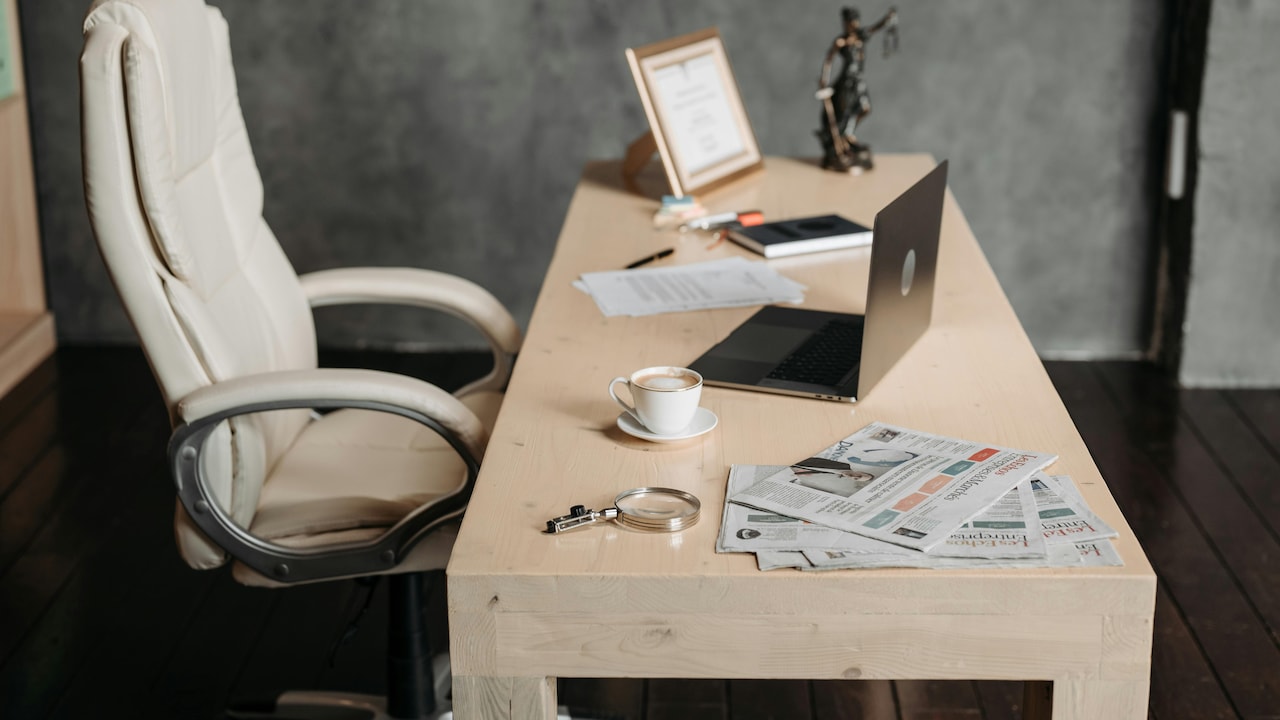
10 hidden costs that come with budget office chairs; Photo Credit: Pexels
This isn't about luxury. It's about understanding where it makes sense to invest, and why a slightly higher upfront cost could prevent months, even years, of discomfort.
Also Read: Best 5 Office Chairs Under 3000 For Daily Work Comfort
The Hidden Costs Of Cutting Corners On Office Seating
The Illusion Of Comfort In Budget Chairs
At first glance, budget chairs seem surprisingly comfortable. Plush cushioning and sleek finishes give the impression of quality. However, this comfort often proves superficial. The foam compresses quickly, leaving the body unsupported after just a few weeks of use.
A chair priced around ₹3,000 to ₹5,000 may feel adequate during short sitting periods. Yet, prolonged use reveals its shortcomings. The lack of proper lumbar support forces the spine into unnatural positions. Over time, muscles strain to compensate, leading to persistent fatigue and discomfort.
Comfort in a chair should evolve throughout the day, not disappear by lunchtime. Budget models tend to prioritise initial appeal over sustained support. The result? A chair that feels inviting at first but gradually becomes the source of daily irritation.
Poor Lumbar Support And Its Consequences
The lower back plays a crucial role in maintaining posture. A well-designed chair supports the natural curve of the spine, reducing pressure on discs and muscles. Budget chairs often skip this entirely or include a fixed, poorly placed support that does little to help.
Without proper lumbar support, the spine slouches. This position compresses the lower vertebrae and strains surrounding muscles. Over weeks and months, this leads to chronic lower back pain, stiffness, and reduced mobility.
An ergonomic chair priced around ₹10,000 or more typically includes adjustable lumbar support. This feature allows the user to align the chair with their body rather than forcing the body to adapt. The difference becomes noticeable within days, especially for those working long hours.
Lack Of Adjustability Limits Personal Comfort
No two bodies are identical, yet budget chairs often come with a one-size-fits-all design. Fixed armrests, non-adjustable seat height ranges, and rigid backrests limit the ability to customise the chair.
This lack of flexibility creates subtle discomfort. Armrests that sit too high strain shoulders, while a seat that's too low affects knee alignment. These small mismatches accumulate, leading to noticeable physical stress by the end of the day.
Higher-quality chairs offer multiple adjustment points. Seat depth, tilt tension, armrest height, and recline angles can all be tailored. This adaptability ensures the chair works with the body's natural alignment, reducing strain and enhancing comfort during extended use.
Inferior Materials Lead To Faster Wear And Tear
Budget chairs often rely on lower-grade materials to keep costs down. Thin plastic frames, low-density foam, and basic fabric coverings may look fine initially but degrade quickly.
After a few months, the seat may sag, the backrest may lose rigidity, and joints may start to creak. This deterioration doesn't just affect durability; it directly impacts posture. A sagging seat alters spinal alignment, while a weakened backrest fails to provide necessary support.
Investing ₹8,000 to ₹15,000 in a chair often means better materials. High-density foam retains shape longer, while sturdy frames maintain structural integrity. This translates to consistent support and a longer lifespan, making it a smarter choice over time.
Inadequate Seat Depth And Width Design
Seat dimensions play a critical role in comfort. Budget chairs often adopt generic measurements that fail to accommodate different body types. A seat that's too shallow provides insufficient thigh support, while one that's too deep forces awkward sitting positions.
Improper seat depth affects circulation. Pressure builds under the thighs, leading to numbness and discomfort. Over time, this can contribute to fatigue and reduced concentration.
Ergonomic chairs address this with adjustable seat depth or carefully designed proportions. This ensures proper weight distribution and reduces pressure points. A well-sized seat allows the user to sit back fully while maintaining a small gap behind the knees, an often overlooked but essential detail.
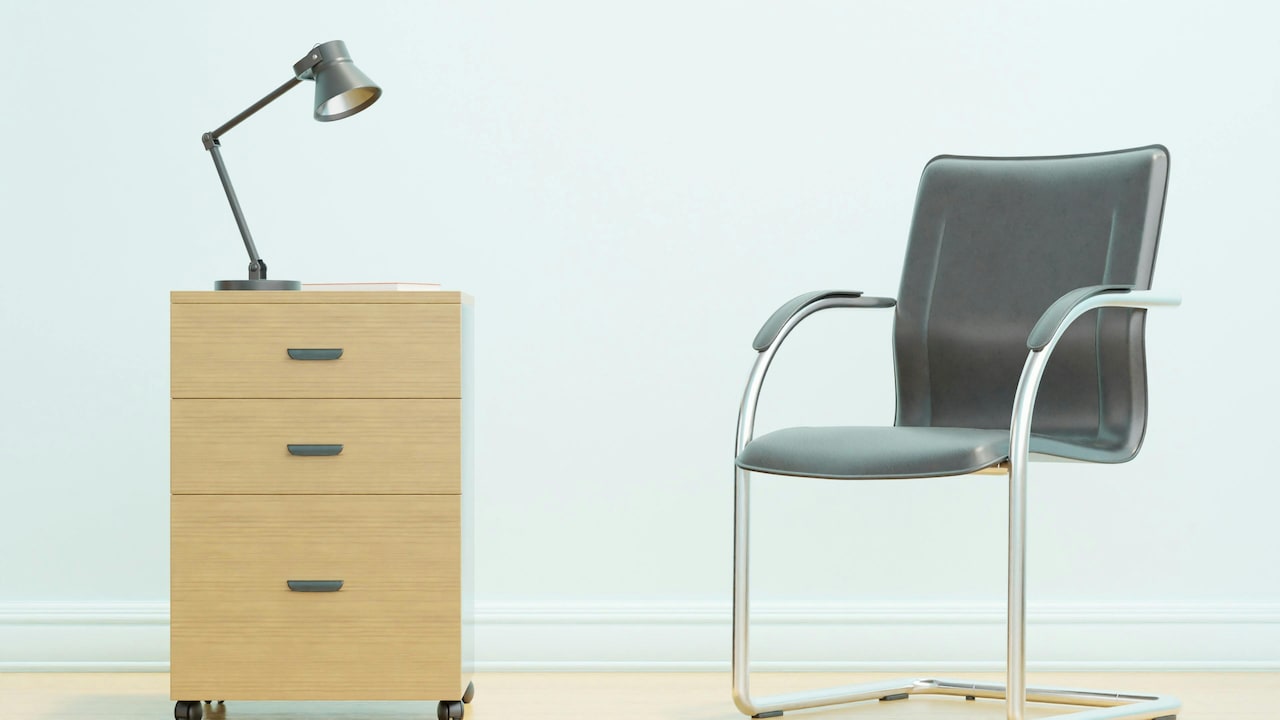
Budget office chairs often have shallow seats that cause awkward seating positions; Photo Credit: Pexels
Limited Recline Function Restricts Movement
Sitting in a fixed upright position for hours isn't natural. The body benefits from subtle movement, including reclining and shifting weight. Budget chairs often feature limited or poorly designed recline mechanisms.
A stiff or unstable recline discourages use. As a result, users remain locked in a static position, increasing pressure on the spine and surrounding muscles. This lack of movement contributes to stiffness and discomfort.
Better chairs incorporate smooth recline systems with adjustable tension. This allows the user to lean back comfortably without losing support. Movement becomes effortless, encouraging healthier sitting habits throughout the day.
Armrest Design Often Overlooked
Armrests might seem like a minor feature, but they significantly impact upper body comfort. Budget chairs frequently include fixed armrests that fail to align with desk height or user posture.
Poorly positioned armrests force shoulders to hunch or arms to stretch unnaturally. This leads to tension in the neck and upper back, often resulting in headaches and fatigue.
Adjustable armrests found in mid-range and premium chairs provide better support. They allow alignment with the desk and natural arm position, reducing strain and promoting relaxed posture.
Breathability And Temperature Regulation Issues
Sitting for long hours generates heat. Budget chairs, especially those with synthetic leather or low-quality fabric, trap this heat, leading to discomfort and sweating.
This issue becomes particularly noticeable in warmer climates. A chair that retains heat quickly turns uncomfortable, distracting from work and affecting overall productivity.
Mesh-backed ergonomic chairs, often priced above ₹12,000, offer better airflow. They keep the back cool and maintain comfort even during extended sitting sessions. Breathability might seem secondary, but it plays a vital role in sustained comfort.
Weight Distribution And Pressure Points
An effective chair distributes body weight evenly. Budget options often fail in this regard, creating pressure points around the hips and lower back.
Uneven weight distribution leads to discomfort and poor posture. Users may shift frequently to find relief, which disrupts focus and increases fatigue.
High-quality chairs use advanced cushioning and design to spread weight evenly. This reduces pressure on specific areas and enhances overall comfort. Over time, this makes a noticeable difference in how the body feels after a full day of work.
Long-Term Health Costs Outweigh Initial Savings
A budget chair may save ₹5,000 upfront, but the hidden costs can be far greater. Persistent back pain often leads to doctor visits, physiotherapy sessions, and even lost productivity.
Spending ₹12,000 to ₹20,000 on a well-designed ergonomic chair may seem significant initially. However, it serves as an investment in health and efficiency. The reduction in discomfort and improvement in posture often justify the cost within months.
A good chair supports not just the body, but also daily performance. It transforms sitting from a strain into a sustainable activity.
Products Related To This Article
1. DROGO Ergonomic Office Chair for Work from Home
2. The Sleep Company Stylux Premium Ergonomic Office Chair
3. Green Soul Jupiter Pro | Ergonomic Mesh Office Chair for Work
4. Da URBAN® Merlion Office Chair
5. ASTRIDE Ergofit Ergonomic Office Chair for Home
6. Casa Copenhagen,Mesh Office Desk Chair
7. Green Soul Kiev Orthopedic Boss Chair with 3 Year Warranty
Choosing an office chair often comes down to price, but the real decision lies in understanding value. Budget chairs may offer immediate savings, yet they frequently compromise on essential ergonomic features. These compromises quietly affect posture, comfort, and long-term health.
A thoughtfully designed chair does more than provide a place to sit. It supports the spine, adapts to the body, and encourages movement. Over time, these benefits translate into reduced pain, better focus, and improved well-being.
In a world where hours at a desk have become the norm, cutting corners on seating rarely pays off. A slightly higher investment today could mean fewer aches tomorrow, and that's a trade worth considering.
(Disclaimer: This article may include references to or features of products and services made available through affiliate marketing campaigns. NDTV Convergence Limited (“NDTV”) strives to maintain editorial independence while participating in such campaigns. NDTV does not assume responsibility for the performance or claims of any featured products or services.)










![Steam Iron Teflon Shoe Cover for ES-300,ST-96 [Only For ES-300 and ST-96 Model Electric Steam Irons]](https://m.media-amazon.com/images/I/51wwkttondL._SL160_.jpg)