Why Plastic Shoe Racks Collapse: Better Home Storage For Heavy Use
Plastic shoe racks often fail under daily load, heat, and poor design. Discover why they collapse and explore durable, practical storage solutions that handle heavy use without constant replacements.
Why Plastic Shoe Racks Collapse: Better Home Storage For Heavy Use
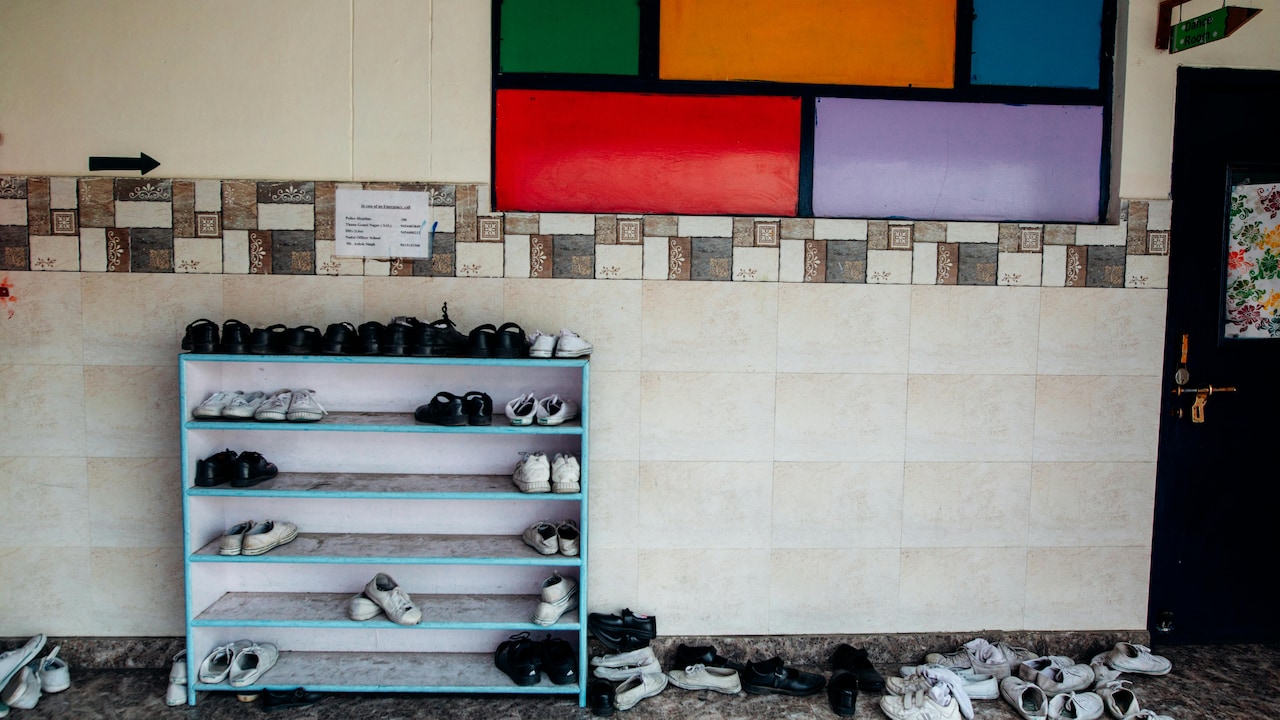
Every home has that one corner near the entrance where shoes gather like uninvited guests after a long day. A quick solution often comes in the form of a plastic shoe rack, lightweight, affordable, and easy to assemble. It feels like a win, especially when juggling budgets and space constraints. Yet, within months, sometimes weeks, the rack begins to sag. Rods bend, joints loosen, and suddenly the tidy corner turns into a small disaster zone. This pattern plays out across countless homes, especially where footwear isn't just a couple of pairs but a full collection, sports shoes, sandals, formal wear, festive pieces, and the inevitable extras picked up during seasonal sales. The problem isn't poor handling. It's the mismatch between expectation and material strength.
Why Plastic Shoe Racks Collapse: Better Home Storage For Heavy Use
Photo Credit: Pexels
Understanding why plastic shoe racks collapse opens the door to better storage choices. With the right approach, shoe storage can become reliable, durable, and even stylish without burning a hole in the pocket.
Understanding The Real Reasons Behind Rack Failures
Material Fatigue Happens Faster Than Expected
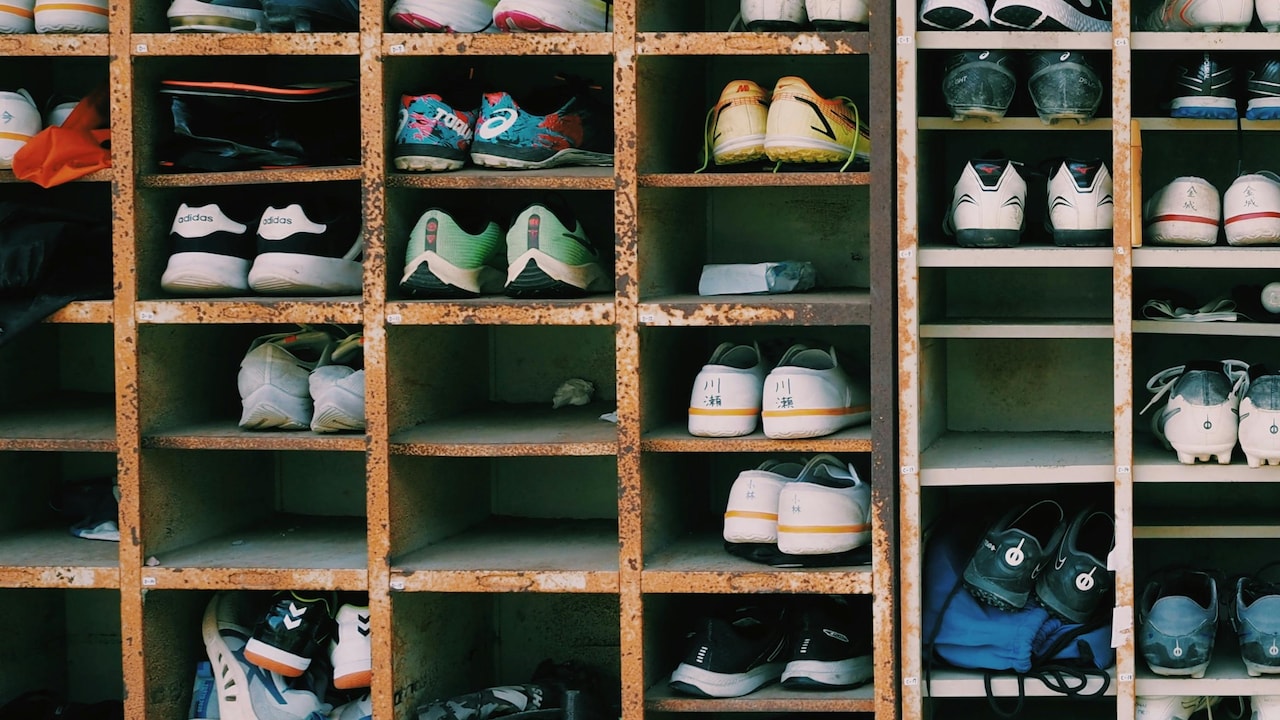
Plastic looks sturdy at first glance, but its strength has limits. Daily use introduces constant pressure, especially when multiple pairs of shoes rest on thin plastic rods. Over time, the material begins to weaken. Heat, humidity, and dust accelerate this fatigue, particularly in cities where the weather swings from dry heat to sticky monsoons.
Even high-quality plastic struggles under continuous load. The structure slowly loses rigidity, causing shelves to dip. Once that happens, the entire rack becomes unstable. It's not a sudden failure but a gradual decline, often ignored until the rack finally gives way.
A better approach involves materials designed for long-term stress. Metal frames or engineered wood offer greater resistance to wear. Though slightly pricier, they reduce the frustration of frequent replacements, which often cost more in the long run.
Overloading Is Almost Inevitable
Shoe racks rarely stay within their intended capacity. A rack designed for ten pairs somehow ends up holding fifteen. Festivals, family visits, and impulse buys all contribute to the growing collection. The rack, however, doesn't adjust to this reality.
Plastic structures lack flexibility in load-bearing. Once overloaded, the joints begin to strain. Connectors loosen, and the rack loses balance. Even removing a few pairs later doesn't restore its original strength.
The solution lies in anticipating growth. Storage should match lifestyle habits, not just current needs. Investing in a slightly larger, sturdier rack creates breathing room. It also prevents the cycle of replacement that often follows overloading mishaps.
Weak Joints Are The Real Culprit
Most collapses don't start with the shelves but with the joints. Plastic connectors hold the structure together, yet they remain the weakest link. Repeated use, minor bumps, or even shifting the rack slightly can loosen these connections.
Once a joint weakens, the entire frame becomes unstable. Shoes may still sit in place, but the structure wobbles with every touch. Eventually, one connector gives up, triggering a domino effect.
Stronger designs use metal screws or reinforced joints. These provide better grip and stability. While assembly may take a little more effort, the payoff comes in durability. A rack that stays firm saves time, money, and a fair bit of irritation.
Uneven Flooring Makes Things Worse
Not every home has perfectly level flooring, especially in older buildings. A slight tilt may go unnoticed until a lightweight rack enters the scene. Plastic racks, due to their low weight, struggle to maintain balance on uneven surfaces.
This imbalance places extra stress on certain parts of the frame. One side bears more load, causing faster wear. Over time, the rack leans, and stability decreases further.
Heavier materials naturally counter this issue. Wooden or metal racks sit more firmly, distributing weight evenly. Adding small rubber pads or adjusting placement also helps. Sometimes, the simplest tweak prevents a bigger problem down the line.
Also Read: Space-Saving Solutions: Top 5 Compact Shoe Racks Under ₹3,500
Weather Plays A Silent Role
Climate conditions quietly influence how long a plastic rack survives. High temperatures soften plastic, making it more prone to bending. Humidity weakens its structural integrity, while dust accumulates in joints, affecting their grip.
Monsoon season adds another layer of trouble. Damp shoes increase the load weight, and moisture seeps into connectors. Over time, this combination speeds up deterioration.
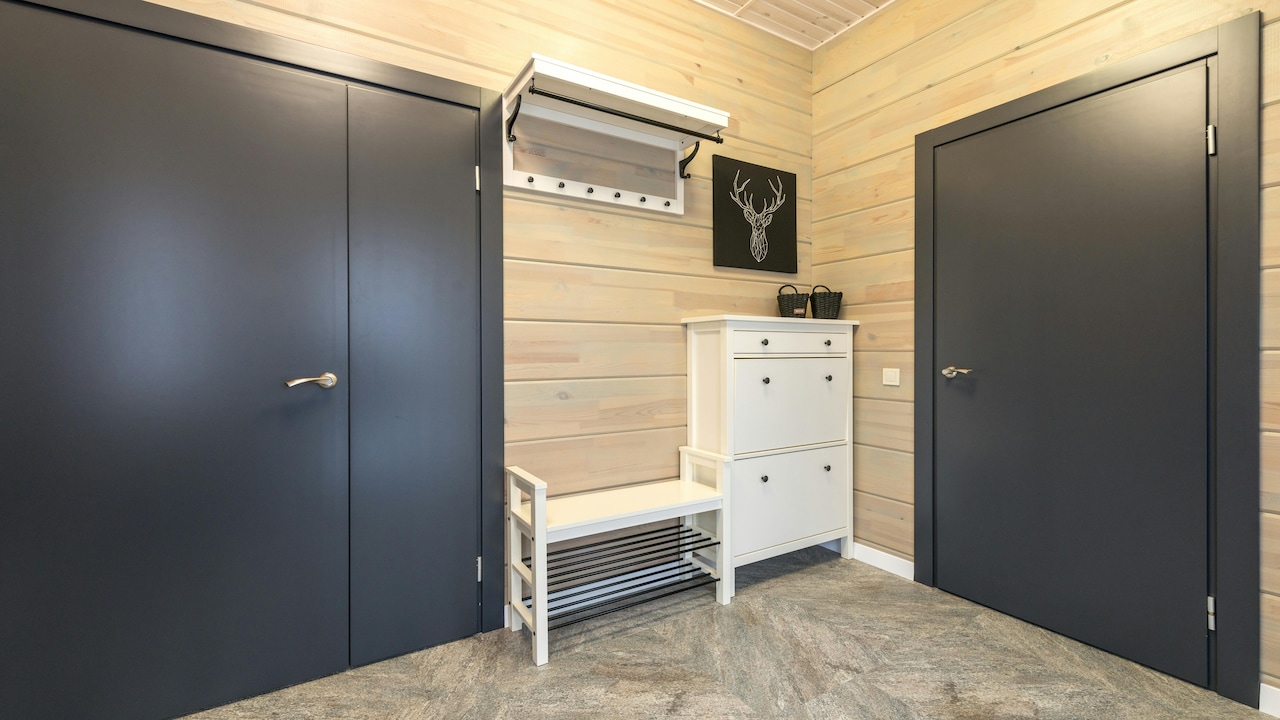
Choosing materials that resist weather impact proves essential. Powder-coated metal or treated wood handles change conditions better. These options maintain strength regardless of seasonal shifts, ensuring consistent performance year-round.
Why Plastic Shoe Racks Collapse: Better Home Storage For Heavy Use
Photo Credit: Pexels
Design Often Prioritises Cost Over Strength
Affordable racks often sacrifice durability for price. Thin rods, hollow supports, and minimal reinforcement keep costs low but reduce lifespan. The initial savings feel satisfying, yet frequent replacements quietly drain the budget.
A rack priced at ₹600 might seem like a bargain, but replacing it twice a year adds up quickly. On the other hand, a ₹2,000 sturdier rack could last several years without issues.
Design matters as much as material. Wider shelves, thicker rods, and cross-supports enhance stability. Paying attention to these details ensures better value rather than chasing the lowest price tag.
Shoe Types Add Unexpected Weight
Not all footwear weighs the same. Heavy sports shoes, boots, and thick-soled sandals exert more pressure than lightweight slippers. Mixing these on a plastic rack creates uneven load distribution.
The rack may handle lighter pairs comfortably, but heavier ones stress specific points. Over time, these points weaken, leading to bending or breakage.
Organising shoes by weight helps. Placing heavier pairs on lower shelves reduces strain on the structure. Alternatively, choosing a rack built for heavier loads eliminates the need for constant rearranging.
Frequent Movement Reduces Lifespan
Lightweight racks tempt frequent repositioning. Cleaning the floor, rearranging furniture, or making space during gatherings often involves shifting the rack. Each movement stresses the joints and connectors.
Plastic structures don't respond well to repeated handling. Small shifts gradually loosen the frame, even if the rack appears intact. Eventually, stability declines.
A more permanent setup reduces wear. Heavier racks discourage unnecessary movement, maintaining structural integrity. Fixing the rack in a stable spot also helps keep the entryway organised and predictable.
Why Plastic Shoe Racks Collapse: Better Home Storage For Heavy Use
Photo Credit: Pexels
Maintenance Often Gets Ignored
Shoe racks rarely receive attention beyond basic cleaning. Dust collects in joints, moisture lingers, and minor issues go unnoticed. Over time, these factors contribute to weakening.
Regular checks can extend lifespan. Tightening connectors, cleaning joints, and ensuring even load distribution make a noticeable difference. However, plastic racks offer limited scope for repair once damage begins.
Durable alternatives provide better maintenance options. Screws can be tightened, parts replaced, and structure reinforced when needed. This flexibility adds to their long-term appeal.
Smarter Storage Solutions Make Life Easier
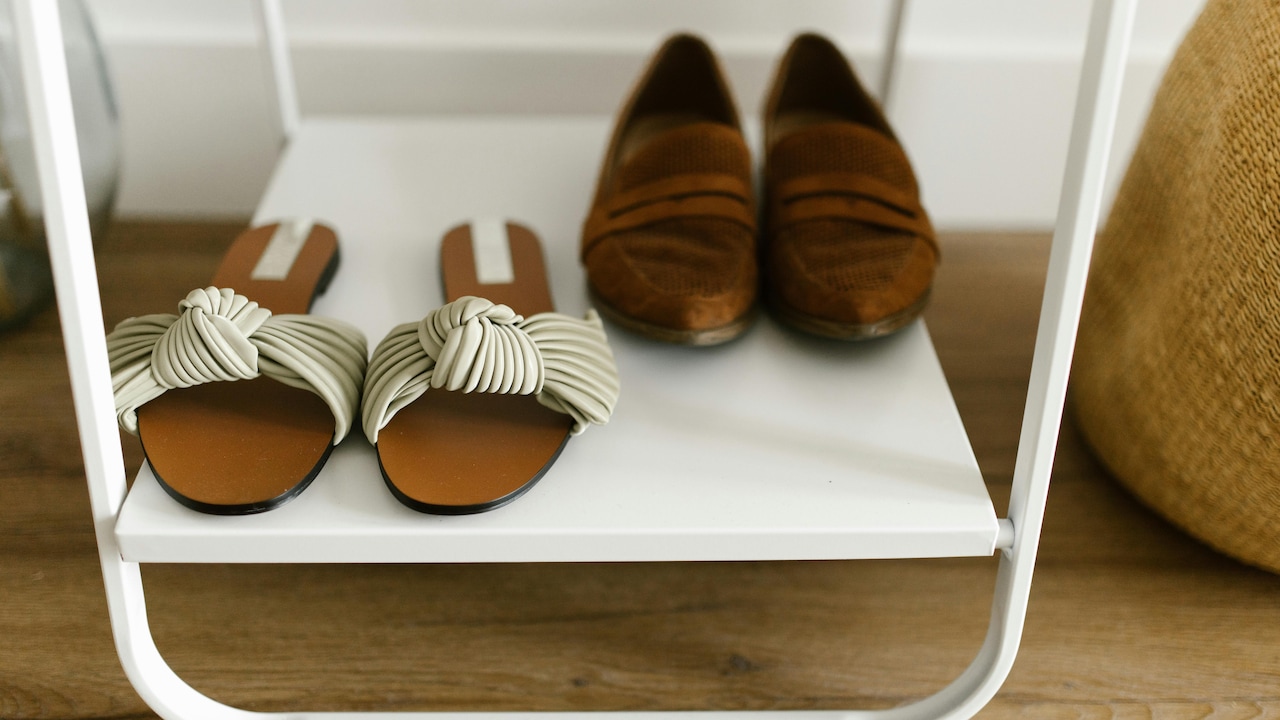
Upgrading from plastic doesn't mean overspending. Plenty of practical options exist within reasonable budgets. Metal racks with powder coating resist rust and handle heavy loads. Engineered wood units add a touch of style while offering solid support.
Closed cabinets protect shoes from dust and moisture, making them ideal for urban environments. Stackable modular units provide flexibility for growing collections. Even simple wall-mounted shelves free up floor space and reduce clutter.
Investing in better storage transforms the daily routine. No more collapsing racks or scattered footwear. Instead, the entryway feels organised, welcoming, and stress-free, a small but meaningful improvement in everyday living.
Products Related To This Article
1. AYSIS Premium Modular Plastic Shoe Rack for Home with Door
2. Nilkamal Freedom Mini FMSC09 Shoe Rack Plastic Cabinet
3. HomeStrap Plastic Clear Multi Bins
4. Zemic Multipurpose Modular Plastic Shoe Rack for Home with Door
5. Plastic Shoe Rack
6. Premium Multipurpose Modular ???? ???????????????????? Plastic Shoe Rack for Home with 3 Door
7. Mevigo 6-Shelf Portable Shoe Rack for Home Plastic Shelves Household
Plastic shoe racks offer convenience, but their limitations become clear with regular use. Material fatigue, weak joints, and environmental factors all contribute to their eventual collapse. While they serve as a quick fix, they rarely stand the test of time in busy households.
Choosing sturdier alternatives doesn't just solve a storage problem. It brings reliability, reduces repeated expenses, and adds a sense of order to everyday life. A well-chosen rack quietly does its job without demanding attention, allowing focus to shift to more important things.
In the end, better storage isn't about spending more, it's about choosing wisely. A strong foundation, quite literally, makes all the difference.
(Disclaimer: This article may include references to or features of products and services made available through affiliate marketing campaigns. NDTV Convergence Limited (“NDTV”) strives to maintain editorial independence while participating in such campaigns. NDTV does not assume responsibility for the performance or claims of any featured products or services.)









![Steam Iron Teflon Shoe Cover for ES-300,ST-96 [Only For ES-300 and ST-96 Model Electric Steam Irons]](https://m.media-amazon.com/images/I/51wwkttondL._SL160_.jpg)