Why Cheap Cushion Covers Lose Shape And How To Choose Durable, High-Quality Fabrics
Cheap cushion covers often lose shape due to poor fabric and stitching. Discover what causes this and how to choose durable, high-quality fabrics that keep your cushions looking fresh for longer.
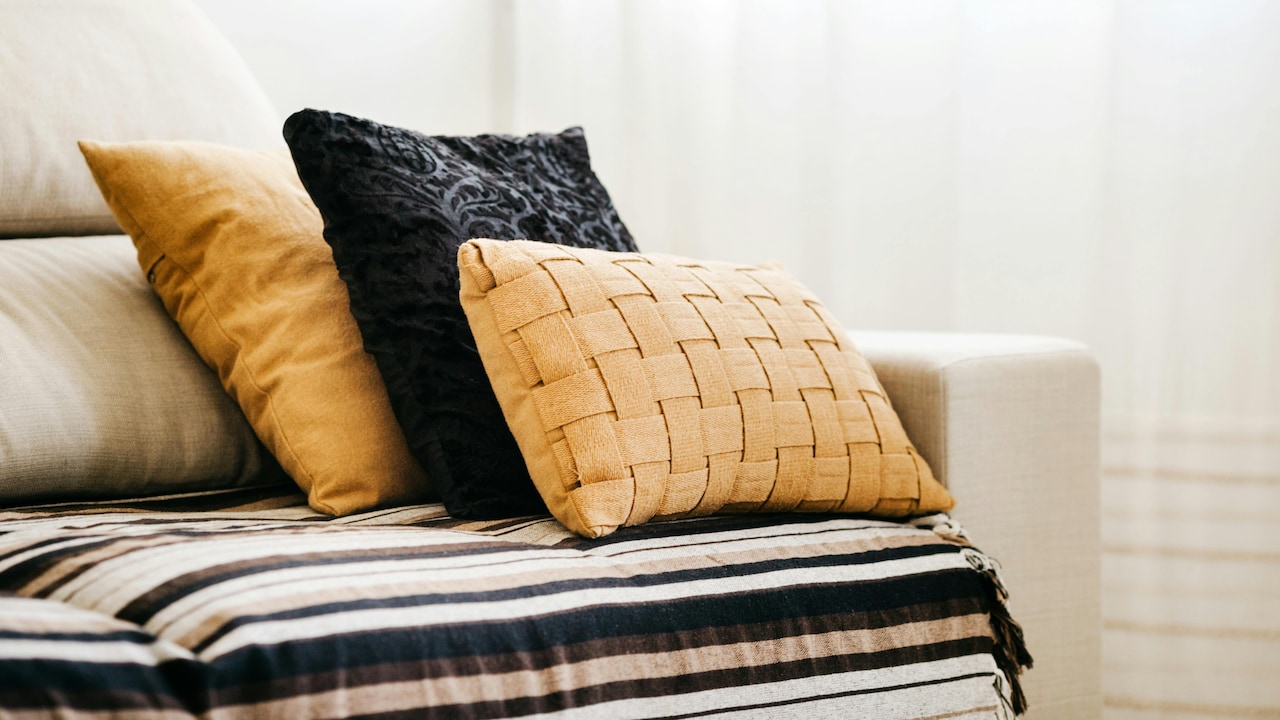
Why Cheap Cushion Covers Lose Shape And How To Choose Durable Fabrics That Last Longer.
A well-dressed sofa tells a story. It reflects taste, warmth, and a certain attention to detail that turns a house into a welcoming space. Cushion covers play a surprisingly big role in this story. Bright prints, soft textures, and neatly structured shapes instantly elevate a room. Yet, the charm fades quickly when covers begin to sag, wrinkle, or lose their crisp form after just a few washes.
Many households have experienced the disappointment of buying cushion covers at a tempting ₹199 sale, only to watch them shrink, fade, or twist out of shape within weeks. It feels like a bargain gone wrong. The truth lies not just in the price tag, but in the quality of fabric, stitching, and finishing.
Choosing durable cushion covers does not require expert-level knowledge, but it does demand awareness. Understanding why cheaper options fail helps avoid repeated purchases and wasted money. More importantly, it allows smarter decisions that balance affordability with longevity. After all, comfort should last longer than a festive season sale.
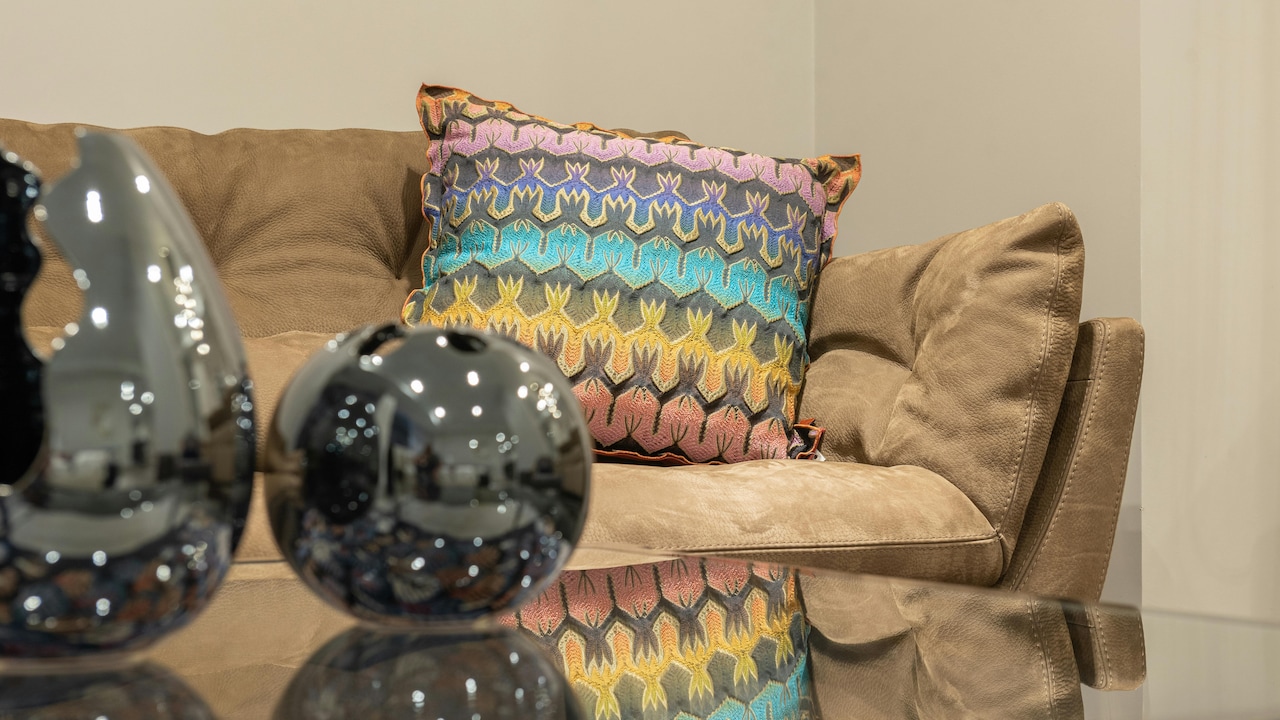
10 Reasons Cushion Covers Lose Shape: Tips To Pick High-Quality Fabrics; Photo Credit: Pexels
Understanding The Reasons Behind Shape Loss And Smart Fabric Choices
Fabric Quality Makes All The Difference
The heart of any cushion cover lies in its fabric. Cheap cushion covers often use low-grade fibres that lack strength and resilience. These fabrics feel thin to the touch and tend to stretch unevenly with use. After a few days of leaning, sitting, or even fluffing, the structure begins to give way.
Higher-quality fabrics such as cotton blends, linen, or velvet maintain their integrity over time. They hold their weave tightly, which prevents sagging. Even after multiple washes, these fabrics bounce back rather than collapsing into limp shapes.
A quick touch test often reveals the truth. If the fabric feels flimsy or overly synthetic, chances are it will not last long. Investing ₹400–₹800 in a better-quality fabric often proves wiser than replacing ₹200 covers repeatedly. The difference shows not just in durability but in how the cushion complements the entire room.
Poor Stitching Leads To Early Wear And Tear
Stitching may seem like a minor detail, yet it plays a crucial role in maintaining shape. Cheap cushion covers often feature loose or uneven stitching. Threads may already appear slightly frayed at the seams, hinting at future problems.
With regular use, these weak seams begin to stretch. Corners lose definition, and the cover starts to look misshapen. In some cases, seams even split open, turning a small purchase into a quick disappointment.
High-quality covers, on the other hand, showcase tight, consistent stitching. The seams sit flat and firm, holding the fabric together even under pressure. Double-stitched edges add an extra layer of durability, especially for cushions used daily.
A simple inspection at the store can prevent regret. Turning the cover inside out and examining the stitching reveals more than any label. Strong seams ensure that the cushion retains its neat, structured appearance over time.
Also Read: Top 7 Cushion Cover Designs To Transform Your Living Room Decor
Low Thread Count Reduces Durability
Thread count often gets associated with bedsheets, yet it matters equally for cushion covers. A low thread count means fewer threads woven together, resulting in a weaker fabric structure. Such covers wear out quickly and fail to maintain shape.
These fabrics tend to wrinkle easily and lose their smooth finish after washing. Over time, they develop a tired, worn-out look that no amount of ironing can fix. The cushion inside may still be fluffy, but the cover fails to reflect it.
Higher thread counts create a denser weave, which improves durability and comfort. The fabric feels smoother and looks richer, adding a subtle touch of elegance to any seating area.
While higher thread count options may cost a bit more, the long-term value remains unmatched. Spending ₹600 on a cover that lasts years makes more sense than replacing cheaper ones every few months.
Synthetic Fabrics Lose Shape Faster
Synthetic fabrics like polyester dominate the budget segment. They offer bright colours and low prices, making them appealing at first glance. However, these materials often struggle to maintain shape over time.
Polyester lacks breathability and tends to stretch unevenly. After repeated use, it may develop a slightly baggy appearance. Heat from washing or ironing can further distort the fabric, leaving it looking tired and uneven.
Natural fabrics such as cotton and linen behave differently. They allow airflow, resist excessive stretching, and maintain structure even with daily use. They age gracefully rather than deteriorating rapidly.
While synthetic blends may still work for decorative cushions used occasionally, everyday use demands stronger materials. Choosing the right fabric ensures that the cushion remains as inviting as it looked on day one.
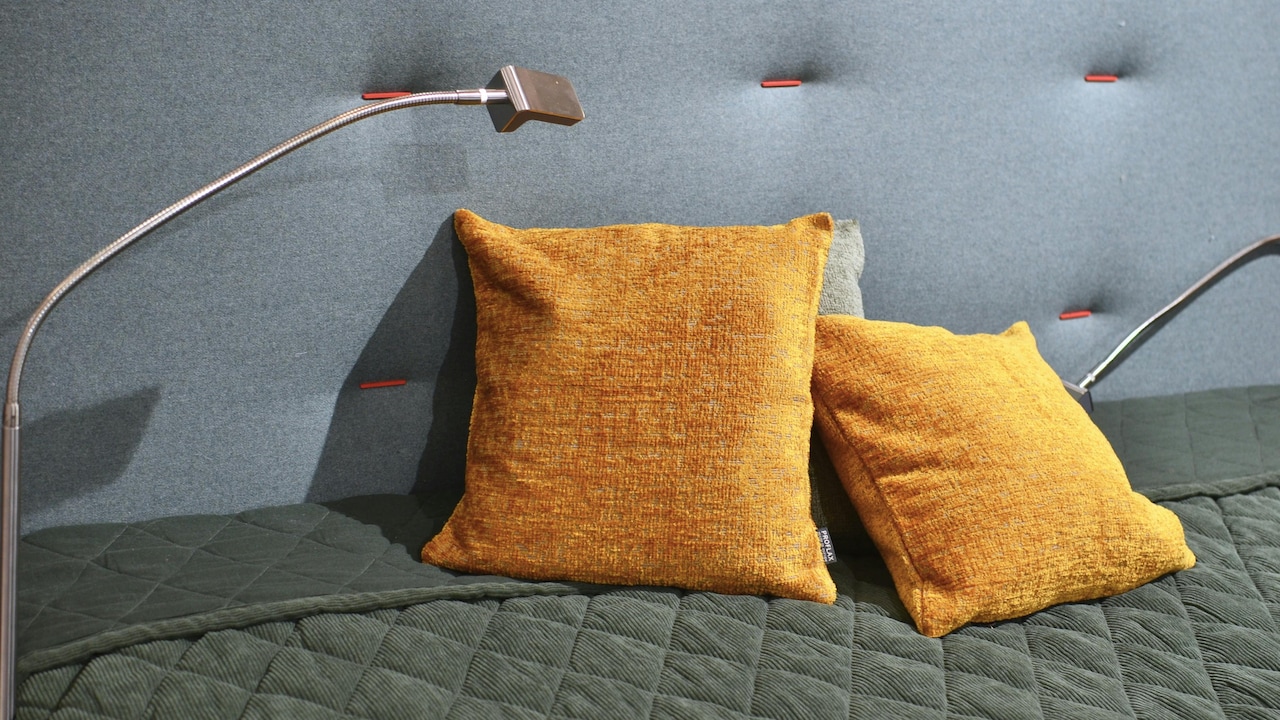
10 Reasons Cushion Covers Lose Shape: Tips To Pick High-Quality Fabrics; Photo Credit: Pexels
Weak Zippers And Closures Cause Structural Issues
Zippers rarely get attention during purchase, yet they significantly impact durability. Cheap cushion covers often include low-quality zippers that snag, break, or fail to align properly.
A faulty zipper affects more than just convenience. It disrupts the structure of the cover, causing uneven tension across the fabric. This imbalance leads to sagging or bulging in certain areas.
High-quality covers feature sturdy, smooth-gliding zippers that sit neatly along the edges. Hidden closures add to the aesthetic appeal while ensuring even distribution of fabric tension.
Testing the zipper before buying can save future frustration. A smooth, firm closure indicates better craftsmanship. Small details like this separate long-lasting products from short-lived bargains.
Frequent Washing Exposes Fabric Weakness
Cushion covers face regular washing, especially in busy households. Cheap fabrics often fail this test. Colours fade, fibres weaken, and the overall shape begins to distort after just a few cycles.
The fabric may shrink unevenly, leading to covers that no longer fit properly. Corners twist, and the once-crisp edges become rounded and limp. This transformation often happens sooner than expected.
Durable fabrics withstand repeated washing without losing form. They retain colour vibrancy and maintain their original dimensions. Proper finishing techniques, such as pre-shrinking, enhance this resilience.
Choosing washable, high-quality fabrics ensures that cleanliness does not come at the cost of appearance. A good cushion cover should emerge from the wash looking as fresh as it went in.
Design Over Substance Can Be Misleading
Bright prints and trendy designs often distract from underlying quality issues. Cheap cushion covers rely heavily on visual appeal to attract buyers. At first glance, they look stylish and vibrant.
However, once the novelty fades, the flaws become evident. The print may crack or fade, and the fabric may lose its structure. What once looked lively starts appearing dull and worn.
Quality covers balance design with durability. The print remains intact, and the fabric continues to support it. Subtle textures and classic patterns often outlast flashy trends.
Choosing timeless designs on strong fabrics ensures that the cushion remains appealing beyond seasonal trends. A well-made cover continues to enhance the space long after the initial excitement fades.
Incorrect Size And Fit Affect Shape Retention
A cushion cover that does not fit properly will never maintain its shape. Cheap options often come in generic sizes that fail to align with standard cushion inserts.
A loose cover leads to sagging, while a tight one stretches the fabric unnaturally. Both scenarios compromise the overall look and feel. The cushion may appear either deflated or overstuffed.
Accurate sizing ensures that the fabric sits snugly around the cushion. This fit helps maintain structure and enhances comfort. High-quality covers often specify exact dimensions, making it easier to choose correctly.
Taking a moment to measure cushions before buying can make a significant difference. A well-fitted cover instantly looks more polished and inviting.
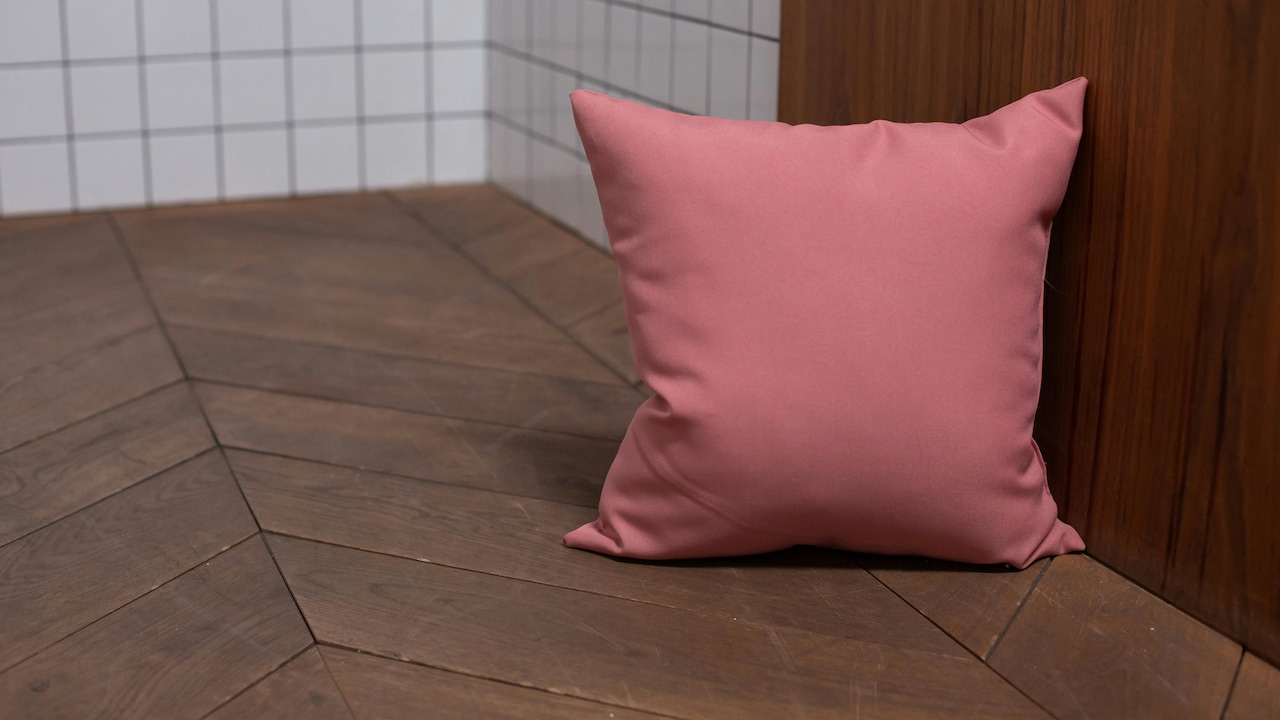
10 Reasons Cushion Covers Lose Shape: Tips To Pick High-Quality Fabrics; Photo Credit: Pexels
Finishing Techniques Influence Longevity
Finishing processes such as dyeing, weaving, and treatment determine how well a fabric performs over time. Cheap cushion covers often skip these steps to reduce costs.
As a result, the fabric may bleed colour, shrink unpredictably, or lose texture quickly. The lack of proper finishing becomes evident after just a few uses.
High-quality covers undergo careful finishing that enhances durability. Colours remain vibrant, and the fabric retains its original feel. These processes may increase the price slightly, but they ensure long-term satisfaction.
Understanding finishing quality helps in making informed choices. A well-finished fabric not only looks better but also withstands daily wear with ease.
Long-Term Value Outweighs Short-Term Savings
At first glance, saving ₹300 on cushion covers seems like a smart decision. However, repeated replacements quickly add up. Cheap covers often require frequent changes, leading to higher overall spending.
Investing in durable, high-quality options reduces the need for constant replacements. These covers maintain their appearance and function for years, offering better value for money.
Beyond finances, there is also the comfort factor. Well-made cushion covers feel better, look better, and contribute to a more inviting space. They enhance everyday living in subtle yet meaningful ways.
A thoughtful purchase may cost a bit more upfront, but it saves time, effort, and disappointment in the long run. Quality, in this case, truly pays for itself.
Products Related To This Article
1. haus & kinder Blossom Butterfly White & Green Embroidered Cotton Square Cushion Covers
2. Chumbak Yellow & Red Set of Single Quirky Square Cushion Covers
3. haus & kinder Pink Floral Velvet Washable 5 Pcs Embellished Square Cushion Covers
4. ABSTRACT INDIA Multicoloured Geometric Square Cushion Covers
5. Sangria Vintage Garden Yellow Floral Printed Cotton Square Cushion Cover
Cushion covers may seem like a small element in home décor, yet they carry a significant impact. Cheap options often fail due to poor fabric quality, weak stitching, and inadequate finishing. What begins as a budget-friendly choice often turns into a cycle of replacements and frustration.
Choosing durable, high-quality fabrics transforms this experience. Strong materials, precise stitching, and thoughtful design ensure that cushion covers retain their shape and charm over time. They withstand daily use, repeated washing, and changing trends without losing appeal.
A well-chosen cushion cover does more than protect the cushion. It adds character, comfort, and a sense of care to the living space. Spending wisely rather than cheaply creates a home that feels both stylish and enduring.
In the end, the difference lies not in how much is spent, but in how thoughtfully the choice is made.
(Disclaimer: This article may include references to or features of products and services made available through affiliate marketing campaigns. NDTV Convergence Limited (“NDTV”) strives to maintain editorial independence while participating in such campaigns. NDTV does not assume responsibility for the performance or claims of any featured products or services.)