Age-Appropriate Stuffed Toys: What's Safe To Buy And Best To Avoid
Choosing the right stuffed toy depends on a child’s age, safety needs, and play habits. This guide explains what to buy, what to avoid, and how to keep cuddly toys safe, durable, and comforting at every stage.
Age-Appropriate Stuffed Toys: Here Is A Complete Safety Guide for Every Stage.
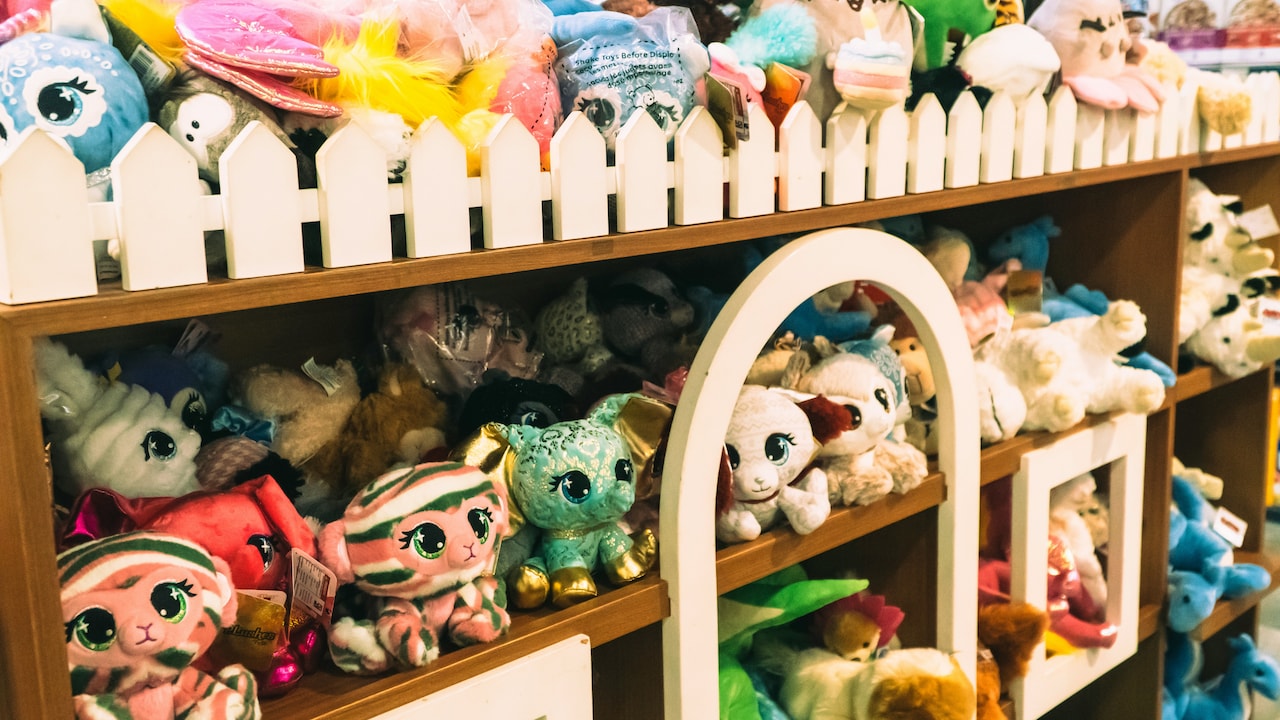
Walk into any toy shop, and rows of stuffed animals stare back with stitched smiles. Some look irresistibly soft, others oversized and dramatic, and a few even sing when pressed. Parents, relatives, and friends often buy these toys with the best intentions. Still, a gentle-looking plush toy can hide risks if it does not match a child's age or stage.
Children explore the world through touch, taste, and imagination. Babies chew, toddlers tug, and older children invent entire worlds around their toys. A stuffed toy must keep up with that journey. Choosing wisely protects little ones from choking hazards, allergies, or rough textures. It also supports emotional growth and imaginative play.
This guide breaks down what works best at different ages. It also highlights common mistakes many adults make while shopping in a hurry. Think of it as a friendly conversation over chai, filled with practical tips, cultural familiarity, and a few knowing smiles.
Age-Appropriate Stuffed Toys: Whats Safe To Buy And Best To Avoid
Photo Credit: Pexels
A Practical Guide to Choosing Safe Stuffed Toys At Every Age
1. Why Age Matters More Than Cuteness
A stuffed toy may look adorable, yet age suitability decides its true value. Babies lack motor control and explore with their mouths. A toy designed for an older child can turn risky in tiny hands. Buttons, ribbons, or plastic eyes may come loose under constant chewing.
Toddlers, on the other hand, pull, throw, and test boundaries. Toys need strong stitching and simple shapes. Older children seek characters, textures, and stories. They may enjoy plush toys that represent animals, cartoons, or even food items shaped like mangoes or laddoos.
Age labels on packaging often get ignored. Many shoppers assume a bigger toy equals better value. That logic fails when safety comes into play. A well-chosen small plush for a baby beats a massive one filled with loose fibres.
Matching toys to developmental stages keeps play joyful and stress-free. It also saves money in the long run, as toys last longer when used as intended.
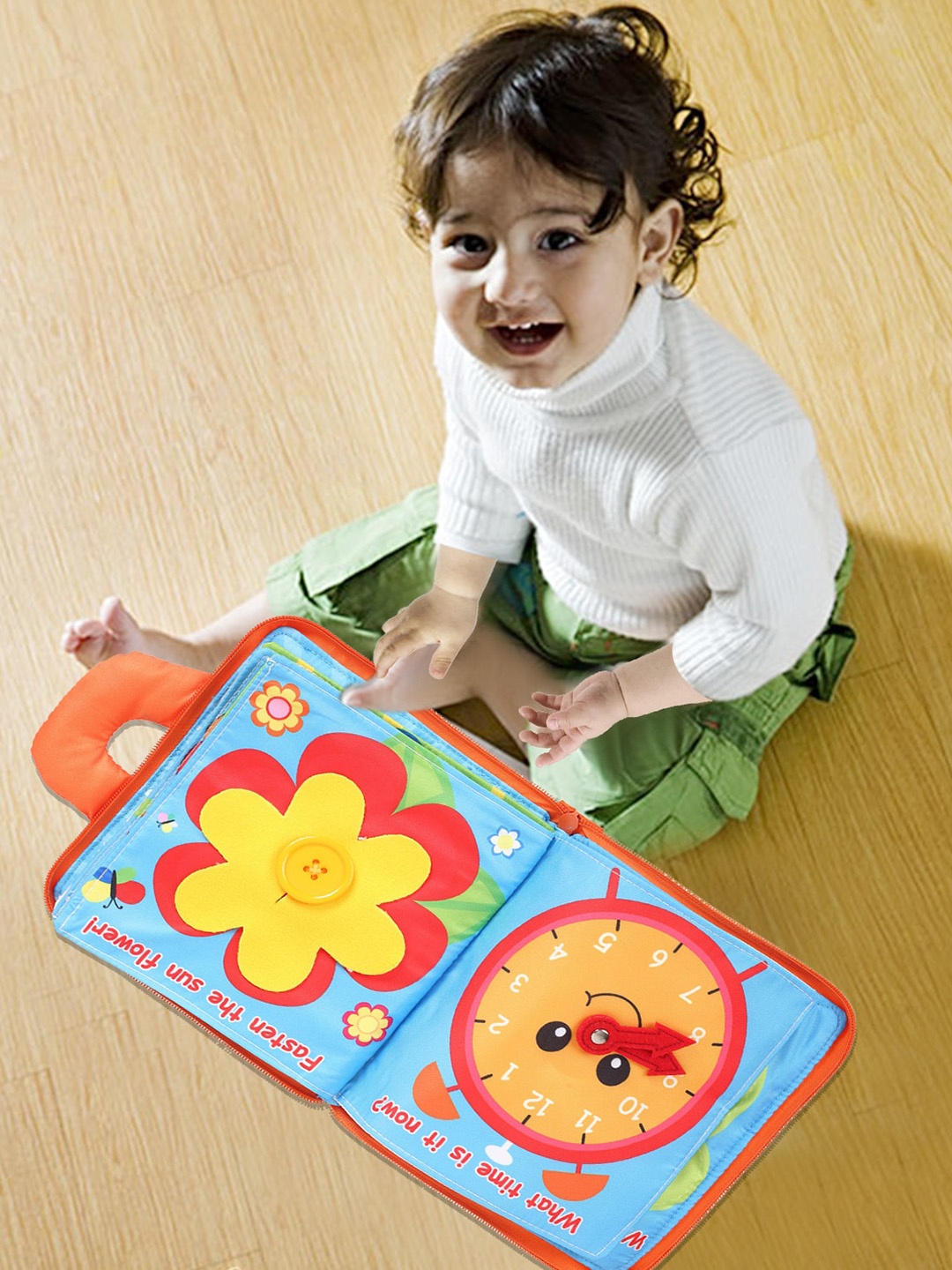
2. Stuffed Toys for Babies Under One Year
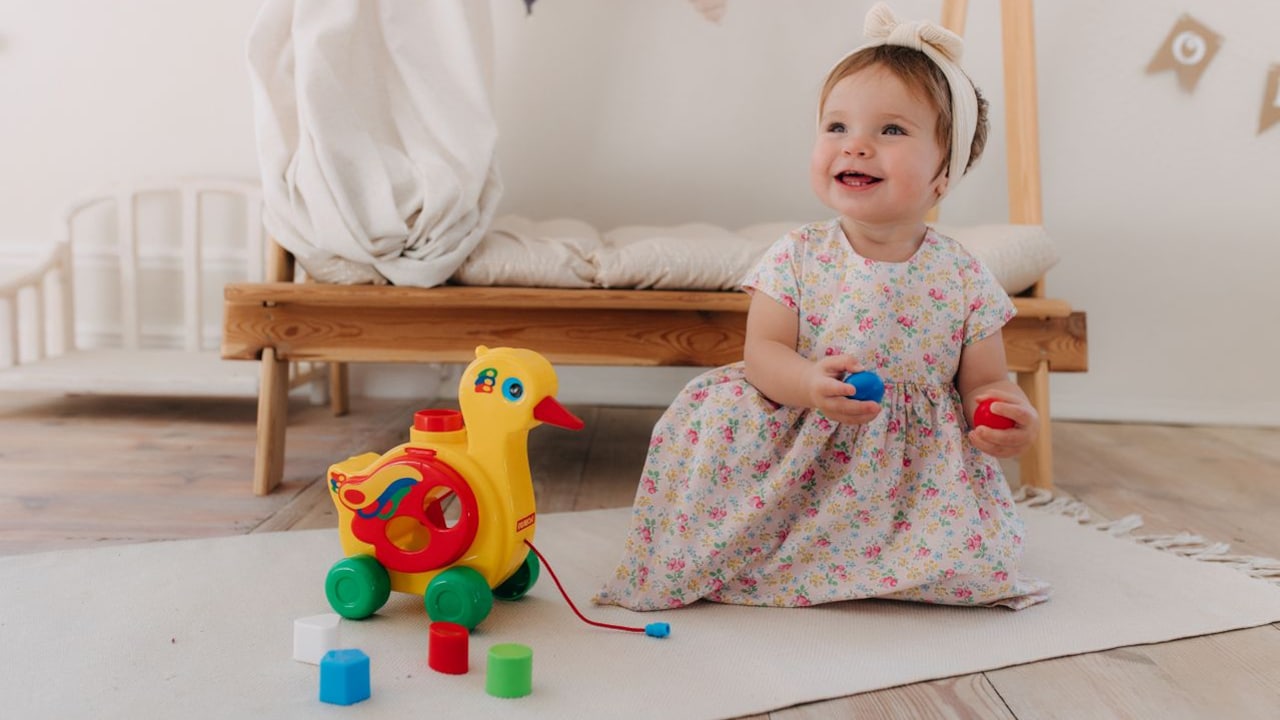
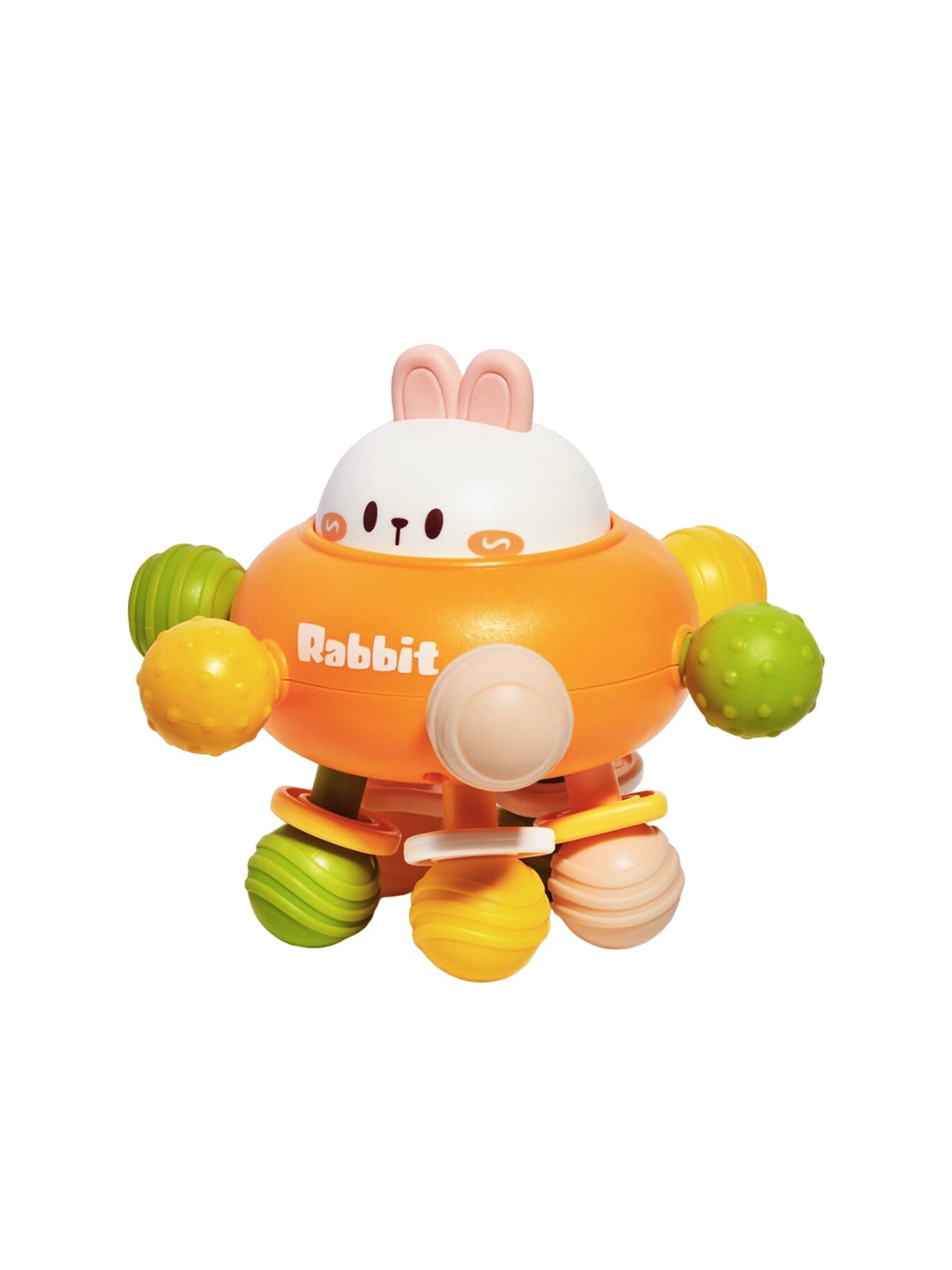
Babies need simplicity and softness above all else. At this stage, a stuffed toy works as a comfort object rather than a plaything. The safest options come with minimal features and ultra-soft fabrics.
Choose toys made from organic cotton or hypoallergenic materials. These reduce skin irritation, especially during hot months. Facial features should appear stitched, never glued. A soft rattle inside can entertain without overwhelming tiny senses.
Avoid oversized toys that can cover a baby's face. Avoid plush toys with long fur, loose threads, or accessories like bows. Even musical toys should produce gentle sounds, not loud tunes that startle.
Regular washing matters too. Babies drop toys often, and hygiene becomes crucial. A machine-washable stuffed toy saves effort and worry.
At this age, less truly feels like more. One well-made plush toy offers comfort without clutter.
3. What Works Best for Toddlers Aged One to Three
Toddlers treat stuffed toys like adventure companions. One moment the toy sits at a tea party, the next it flies across the room. Durability becomes key.
Medium-sized stuffed toys work best. They allow easy carrying without causing falls. Fabrics should feel sturdy yet soft. Think plush elephants, dogs, or familiar farm animals. These help build vocabulary and recognition skills.
Avoid toys with detachable parts. Even strong stitching gets tested by curious fingers. Toys that resemble real animals or everyday objects help toddlers make sense of their surroundings.
Bright colours attract attention, yet natural shades feel calming during bedtime. Many families notice that neutral plush toys become sleep-time favourites.
At this stage, stuffed toys often turn into emotional anchors. Choosing one that feels safe and comforting helps toddlers navigate big feelings with a little more ease.
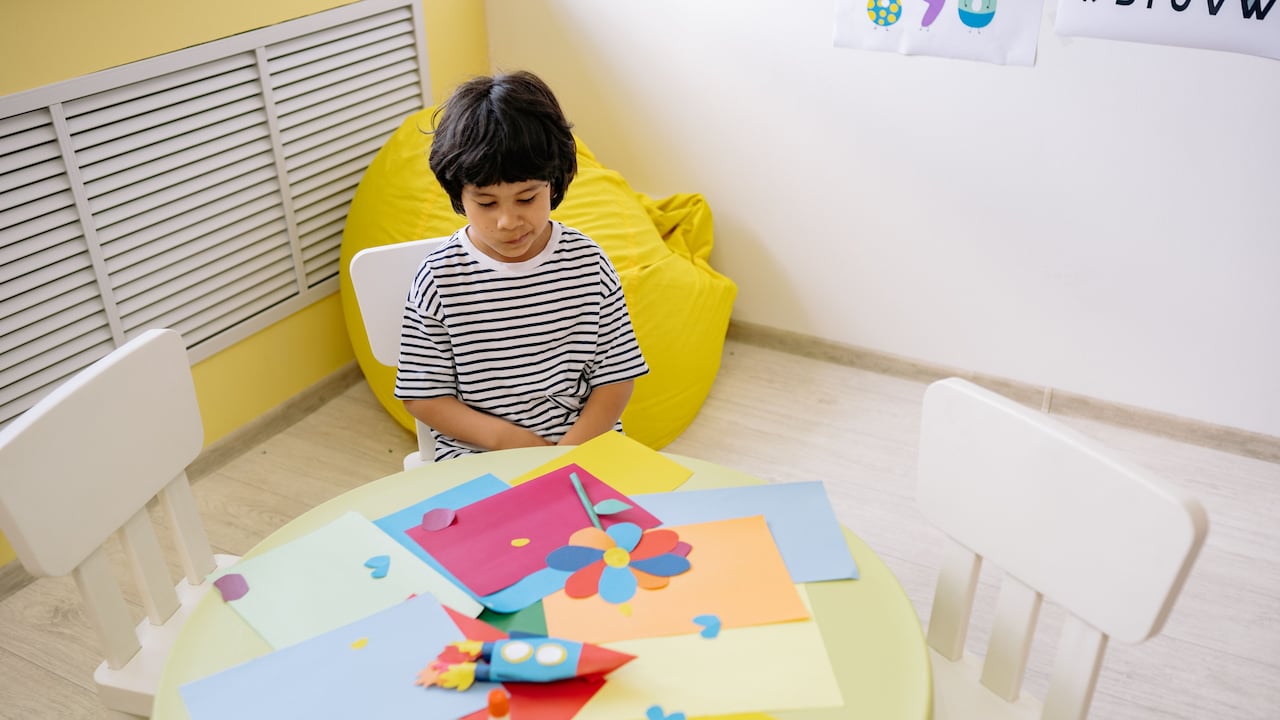
4. Preschoolers and the Power of Imagination
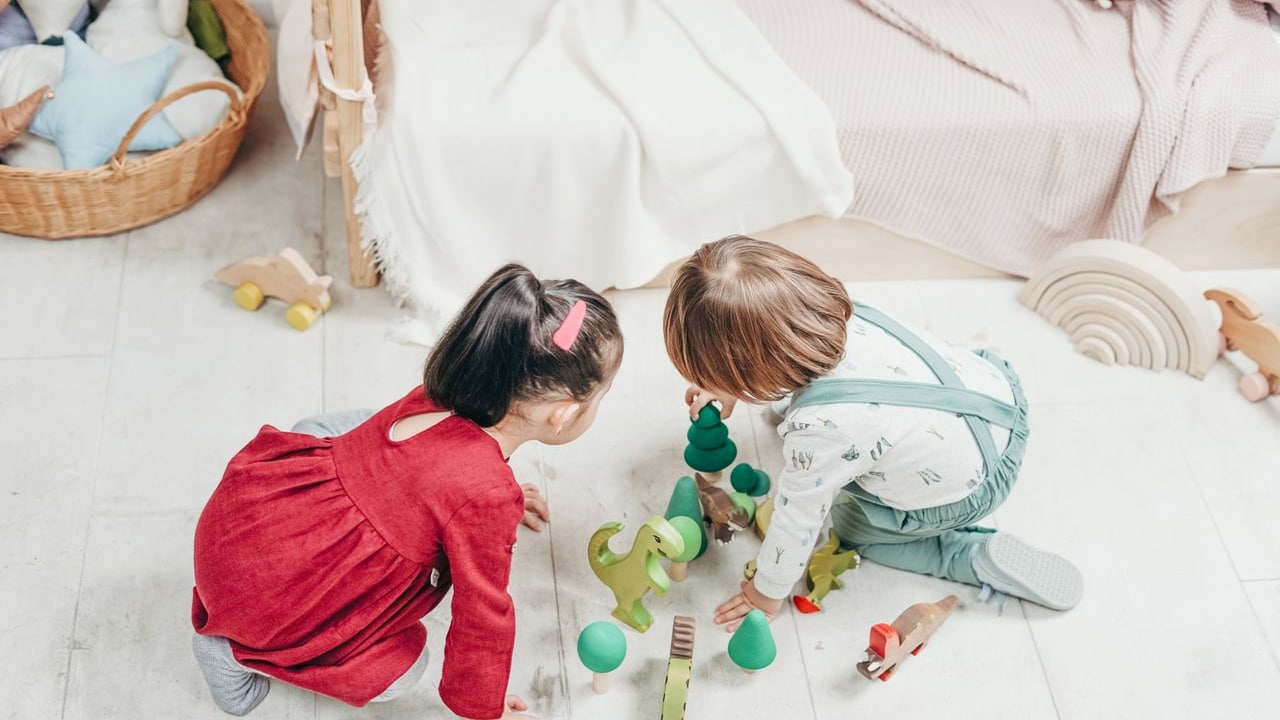
Between ages three and five, imagination runs wild. Stuffed toys stop being objects and start becoming characters. A plush tiger might become a classroom monitor. A soft doll could turn into a doctor or a teacher.
This age group enjoys variety. Textured fabrics, different shapes, and expressive faces add depth to play. Storytelling grows stronger, and stuffed toys often star in bedtime tales.
Safety still matters, though risks reduce as children understand basic rules. Even so, avoid toys with sharp plastic elements or complicated battery compartments.
Role-play sets featuring families, animals, or fantasy creatures encourage creativity. Many children recreate scenes from daily life, from market visits to festival celebrations.
Stuffed toys at this stage support language skills and emotional expression. They listen patiently to every story, no matter how dramatic.
5. Stuffed Toys for School-Age Children
Children above five view stuffed toys differently. Some treat them as collectables, others as comfort items during quiet moments. Quality now outweighs softness alone.
Detailed designs appeal to this group. Plush toys based on favourite animals, sports mascots, or mythical creatures feel exciting. Many children enjoy toys that reflect hobbies, such as a plush cricket ball or a cartoon-inspired character.
At this age, avoid toys that feel babyish. Children notice these details and may lose interest quickly. Opt for well-crafted plush toys that feel grown-up yet playful.
Durability remains important, especially when toys travel to school trips or sleepovers. Strong seams and fade-resistant fabric help toys survive years of affection.
Stuffed toys here often hold sentimental value. They may sit quietly on shelves yet remain deeply cherished.
6. Materials That Feel Good and Stay Safe
The material inside and outside a stuffed toy makes a huge difference. Cheap synthetic fibres may feel rough and trap heat. Natural or blended fabrics breathe better, especially in warm climates.
Hypoallergenic fillings reduce sneezing and skin irritation. Many families prefer toys labelled free from harmful dyes. These reduce the risk of reactions during prolonged contact.
Avoid toys with chemical smells. A strong odour often signals poor-quality materials. A good stuffed toy smells neutral or lightly fresh.
Check seams closely. Loose threads hint at weak construction. A gentle tug test in the shop reveals a lot.
Materials influence comfort, safety, and longevity. Spending a little extra upfront often prevents disappointment later.
7. Size, Weight, and Practical Comfort
Bigger does not always mean better. An oversized stuffed toy may look impressive, but it often ends up unused. Children struggle to move it, and storage becomes a challenge.
For babies and toddlers, lightweight toys work best. They reduce strain and prevent accidents. Older children may enjoy larger plush toys as cushions or room decor.
Think about daily routines. A toy that fits into a school bag or stroller sees more use. One that needs two hands to lift may gather dust.
Weight matters during sleep, too. Heavy toys can feel uncomfortable at night. Soft, flexible toys adapt to cuddles and naps more easily.
Choosing the right size turns a stuffed toy into a true companion rather than a decorative item.
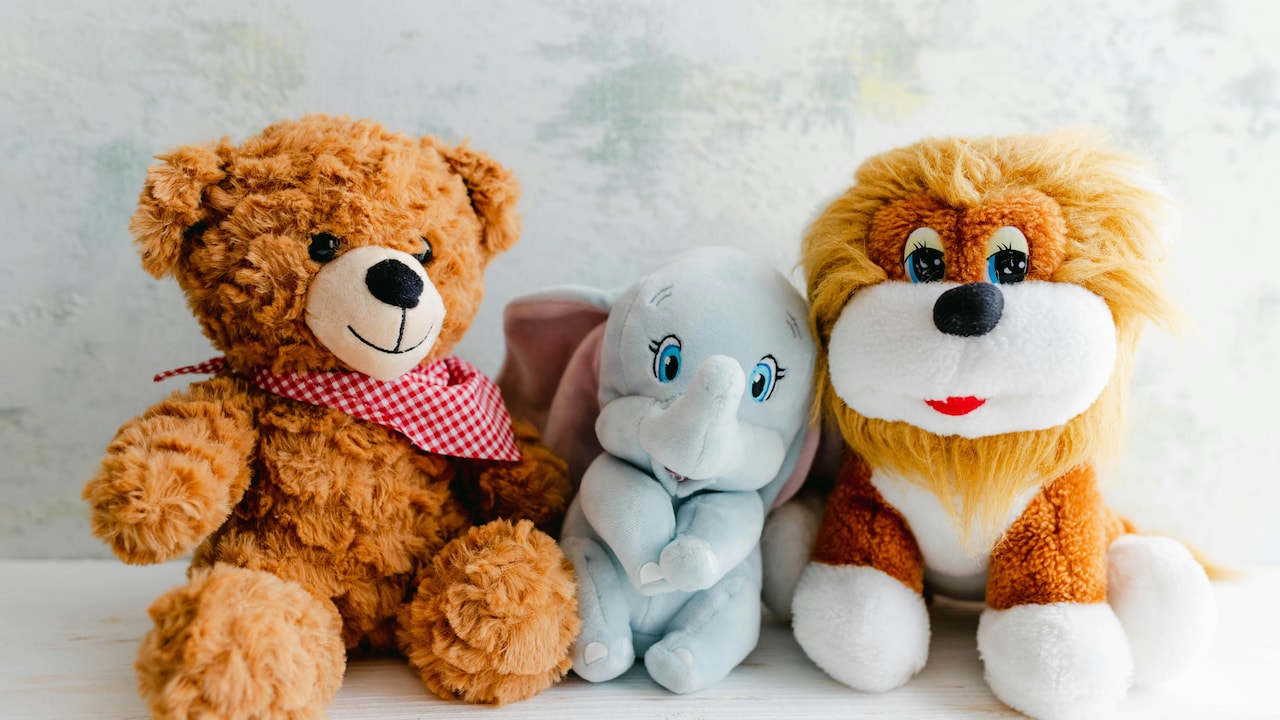
Age-Appropriate Stuffed Toys: Whats Safe To Buy And Best To Avoid
Photo Credit: Pexels
8. Stuffed Toys to Avoid at Any Age
Some stuffed toys raise red flags regardless of age. Toys with loose beads, sequins, or glitter pose choking risks. Long ribbons or cords may cause entanglement.
Battery-operated plush toys often break easily. Exposed wiring or leaking batteries create hazards. If electronics appear unavoidable, ensure that compartments screw shut securely.
Avoid toys made from unknown materials sold without safety labels. Bargain deals sometimes cut corners on quality.
Very fluffy toys with shedding fur also cause trouble. Fibres may irritate eyes and noses.
Trust instincts while shopping. If a toy feels flimsy or poorly made, it likely is. Safety should never rely on hope.
9. Cultural Comfort and Emotional Connection
Stuffed toys often reflect cultural familiarity. Children gravitate towards toys that feel close to home. A plush cow, elephant, or even a soft vegetable toy sparks recognition and warmth.
Festivals, family gatherings, and bedtime rituals shape emotional bonds with toys. Many children carry a favourite plush during long journeys or doctor visits. The toy offers reassurance without words.
Choosing a stuffed toy that aligns with everyday life strengthens emotional comfort. It also supports storytelling rooted in familiar settings.
These toys become silent witnesses to milestones, from first words to school days. Their value grows beyond price tags.
Thoughtful selection honours both safety and sentiment.
10. Budgeting Smart Without Cutting Corners
Stuffed toys range from pocket-friendly options to premium pieces costing several thousand ₹. A higher price does not always guarantee better quality, yet extremely cheap toys often compromise safety.
Set a realistic budget based on age and purpose. A baby's plush toy needs fewer features than a collector's item for an older child.
Seasonal sales help find quality toys at lower prices. Local stores often stock well-made options that rival big brands.
Check return policies, especially when buying gifts. A toy that does not suit the child should be easy to exchange.
Smart spending focuses on value, not hype. A safe, loved toy offers priceless comfort.
Products Related To The Article
1. Vrinde Labuu Doll Stuffed Toys
2. AN TEDDY Polyfill Core Amezed Duck Soft Plush Stuffed Toy
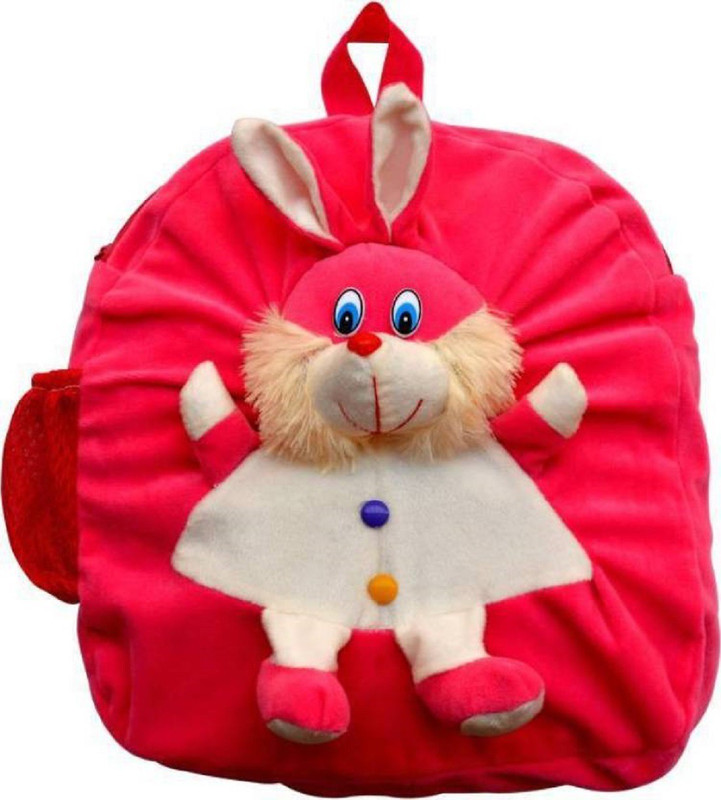
3. VHE VERA CREATION Plush Bunny Rabbit Stuffed Animal with Sunflower Design
4. Pluchi Kids Cotton Knitted Teddy Bear Stuffed Soft Toy
5. MiArcus Octopous Plush Stuffed Toy Soft Toy
Stuffed toys carry more meaning than their soft exteriors suggest. They comfort, entertain, and quietly support growth through every stage of childhood. Choosing the right one requires attention to age, materials, size, and safety rather than trends alone.
A thoughtful choice keeps children safe while nurturing imagination and emotional security. From the first plush rattle to a cherished bedtime companion, the right stuffed toy becomes part of a child's story.
Next time a toy shop window tempts with fluffy smiles, pause and look closer. A little care at the buying stage ensures that every cuddle stays warm, safe, and full of joy.
(Disclaimer: This article may include references to or features of products and services made available through affiliate marketing campaigns. NDTV Convergence Limited (“NDTV”) strives to maintain editorial independence while participating in such campaigns. NDTV does not assume responsibility for the performance or claims of any featured products or services.)