Top 5 Skill Building Games Every Parent Should Add To Their Kid's Playing Routine
Skill-developing games help children learn essential skills like memory, logic, language, and creativity through simple play. From Memory Match to Sudoku, these five games are easy to use, affordable, and perfect for building strong thinking habits at home.

Which board games do you want to add to kids free time?
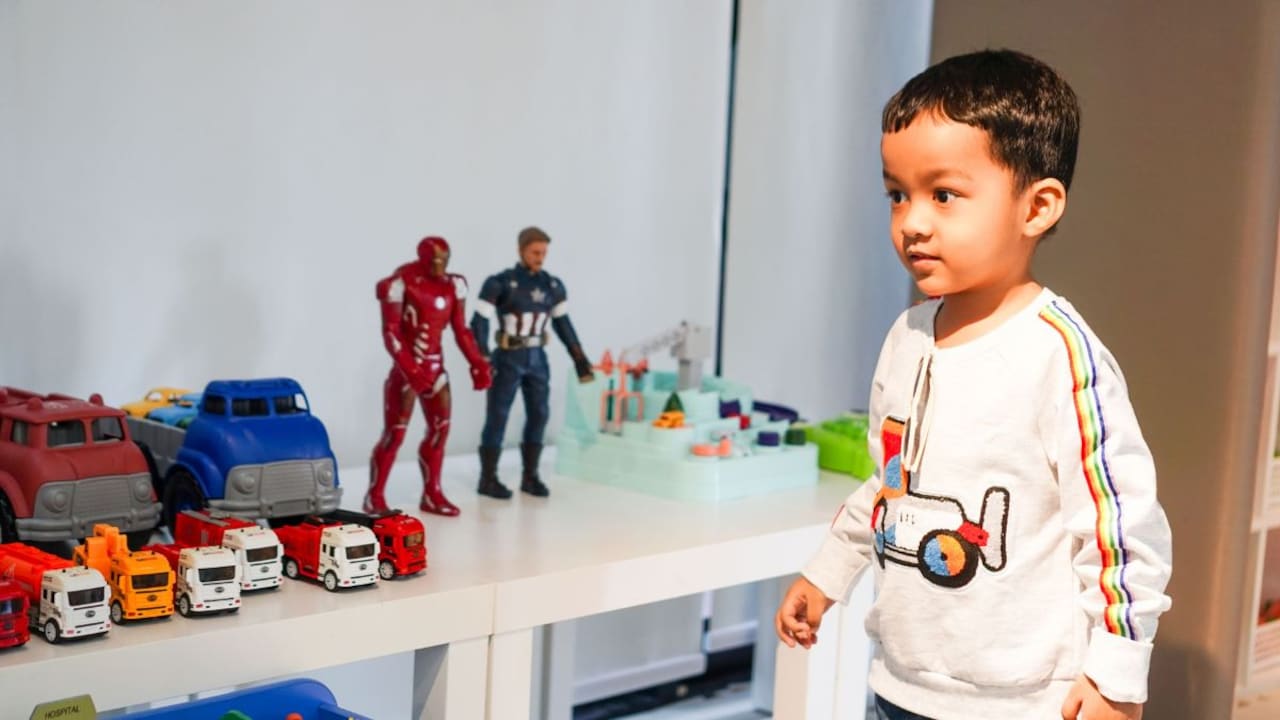
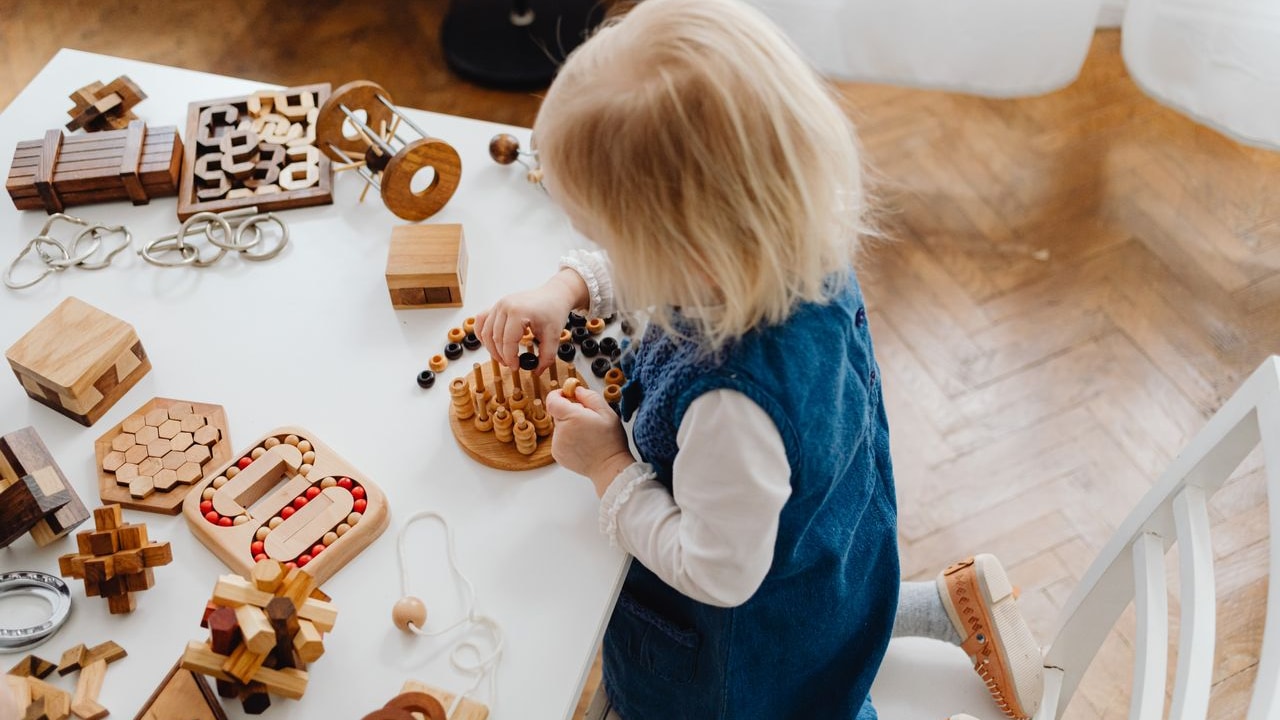
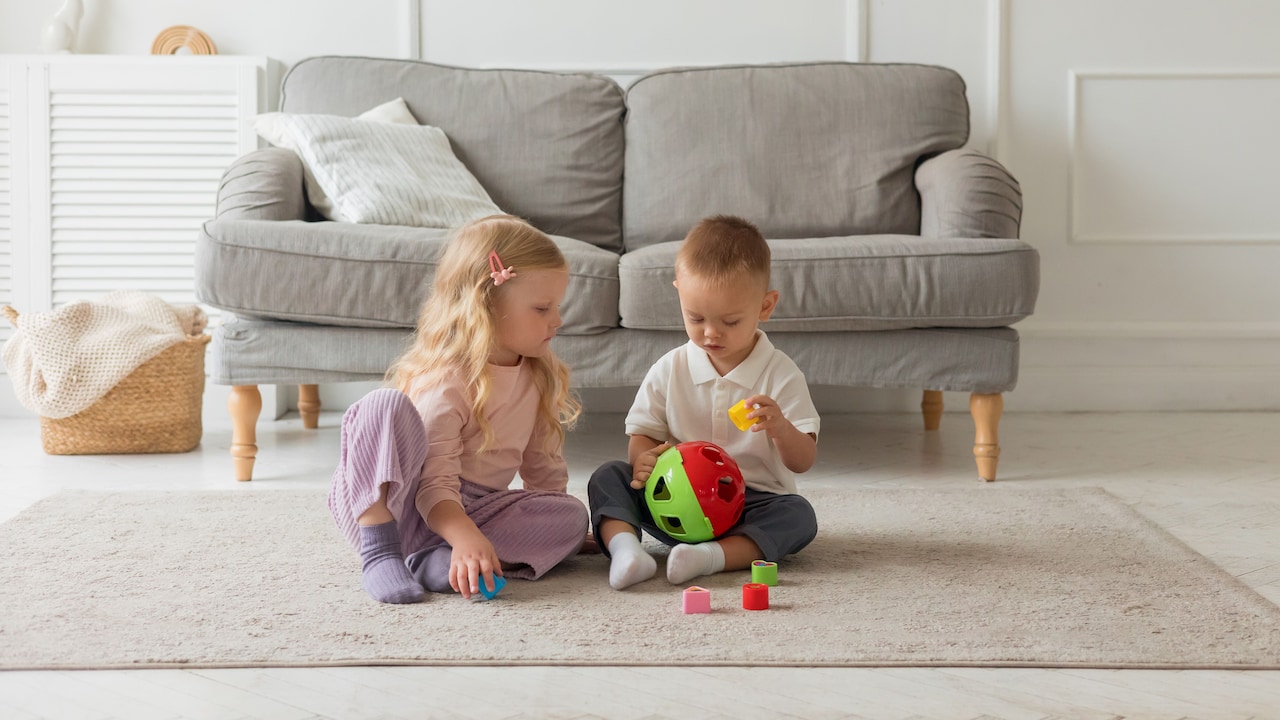
One evening, the house felt unusually quiet. No cartoons playing, no phones in hand, no fast scrolling. Instead, there was laughter, small arguments over rules, and a table slowly filling with cards and boards. The shift felt natural. What started as “let's play for five minutes” turned into an hour of thinking, guessing, building, and learning without anyone realising it. That's the hidden power of games; they don't feel like lessons, but they train the brain in the most fun way.
Which board games do you want to add to kids free time?
Photo Credit: Pexels
Across homes, classrooms, and learning spaces, parents are slowly bringing back classic mind games as part of daily routines. This isn't about screens or apps; it's about real interaction. These games help children improve memory, problem-solving, vocabulary, logic, and focus. More importantly, they create a shared space where learning happens through play, not pressure.
Also Read: Want A Better Roommate Relationship? Try These 5 Fun Bond Boosting Games
| Game Name | Main Skill Developed | Best Age Group | Number of Players | Learning Benefit |
|---|---|---|---|---|
| Memory Match | Memory and concentration | 8 years | 4 players | Improves recall, focus, and visual recognition |
| Chess | Logical and strategic thinking | 6+ years | 2 players | Builds problem-solving and decision-making skills |
| Scrabble | Vocabulary and language skills | 7+ years | 4 players | Improves spelling, reading, and word formation |
| Building Blocks | Creativity and motor skills | 8 years | 1 or more players | Enhances imagination, coordination, and basic problem-solving |
| Sudoku | Logical reasoning | 7+ years | 1 player | Improves focus, pattern recognition, and critical thinking |
Top 5 Skill-Developing Games Every Parent Should Add To Their Kid's Playing Routine
1. Memory Match
Memory Match is a card-based game where players turn over cards and try to find matching pairs. The goal is to remember the position of each card. It helps children improve concentration, visual memory, and attention to detail. The game is simple to start and works well for both solo and group play.
2. Chess
Chess is a strategy board game played between two players. Each move requires planning, prediction, and logical thinking. Children learn how to think ahead, understand consequences, and stay patient. Over time, chess helps develop discipline and structured problem-solving skills.
3. Scrabble
Scrabble is a word game where players create words using letter tiles on a board. Each word earns points based on letter values. It helps children improve vocabulary, spelling, and language skills while making learning feel like a game instead of homework.
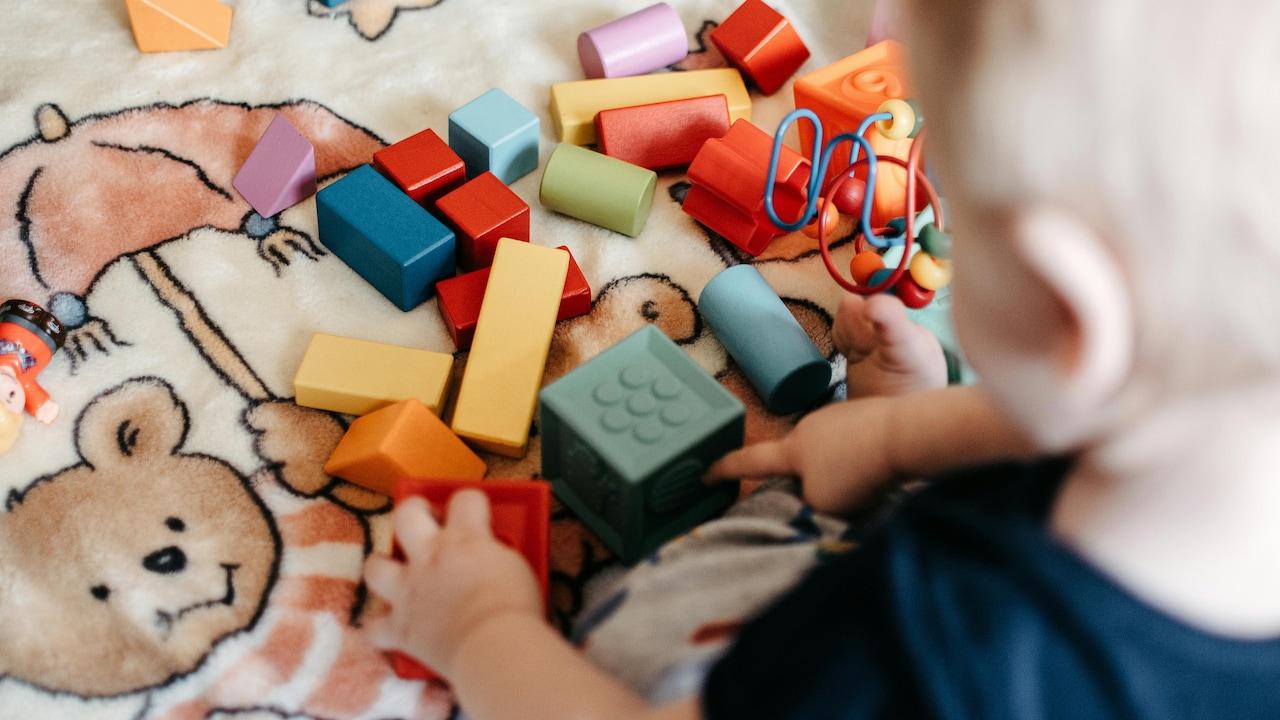
4. Building Blocks
Building Blocks allow children to create structures using different shapes and sizes. There are no fixed rules, which encourages free thinking and creativity. Kids learn about balance, space, and basic engineering while playing.
5. Sudoku
Sudoku is a number-based puzzle game where players fill a grid using logic. The goal is to place numbers correctly without repeating them. It helps children improve logical reasoning, pattern recognition, and focus.
Mind-developing games do more than pass time. They shape how children think, solve problems, and learn new skills. These five games create a balance between fun and learning, helping kids grow mentally without feeling forced. A simple game shelf can become a powerful learning tool that supports brain development every day. Try to grab these deals from Amazon
Frequently Asked Questions (FAQs)
1. At what age can kids start playing these games?
Most of these games can be started from age 5 with simple versions.
2. Are these games better than mobile games?
They offer real interaction, better focus, and less screen dependency.
3. How long should kids play daily?
30 to 60 minutes is enough for learning and fun.
4. Can these games improve school performance?
Yes, they help with memory, logic, and language skills.
5. Are these games suitable for group play?
Yes, especially Chess, Scrabble, and Memory Match.
(Disclaimer: This article may include references to or features of products and services made available through affiliate marketing campaigns. NDTV Convergence Limited (“NDTV”) strives to maintain editorial independence while participating in such campaigns. NDTV does not assume responsibility for the performance or claims of any featured products or services.)