How To Choose Toys Kids Actually Play With For Months, Not Just A Few Days
Here is how to choose toys kids actually use for months - parents should focus on open-ended play, durability, age-appropriate challenge, and flexible use across different games, moods, and stages.
Here Is How To Buy Toys That Last: Pick The Top Playthings That Children Do Not Abandon.
Walk through any toy store or scroll online during sale season, and the options feel endless. Flashing lights, cartoon characters, bold claims of “educational” value, everything promises joy. Yet reality often tells a different story. Many toys enjoy a short-lived honeymoon before boredom sets in. Children return to the same few favourites, while the rest gather dust.
The secret to choosing toys kids truly play with lies in understanding how children think, grow, and explore the world. The best toys do not scream for attention. They quietly invite curiosity, creativity, and comfort. This article breaks down how to make smarter toy choices, ones that earn their space in the cupboard and their place in a child's heart.
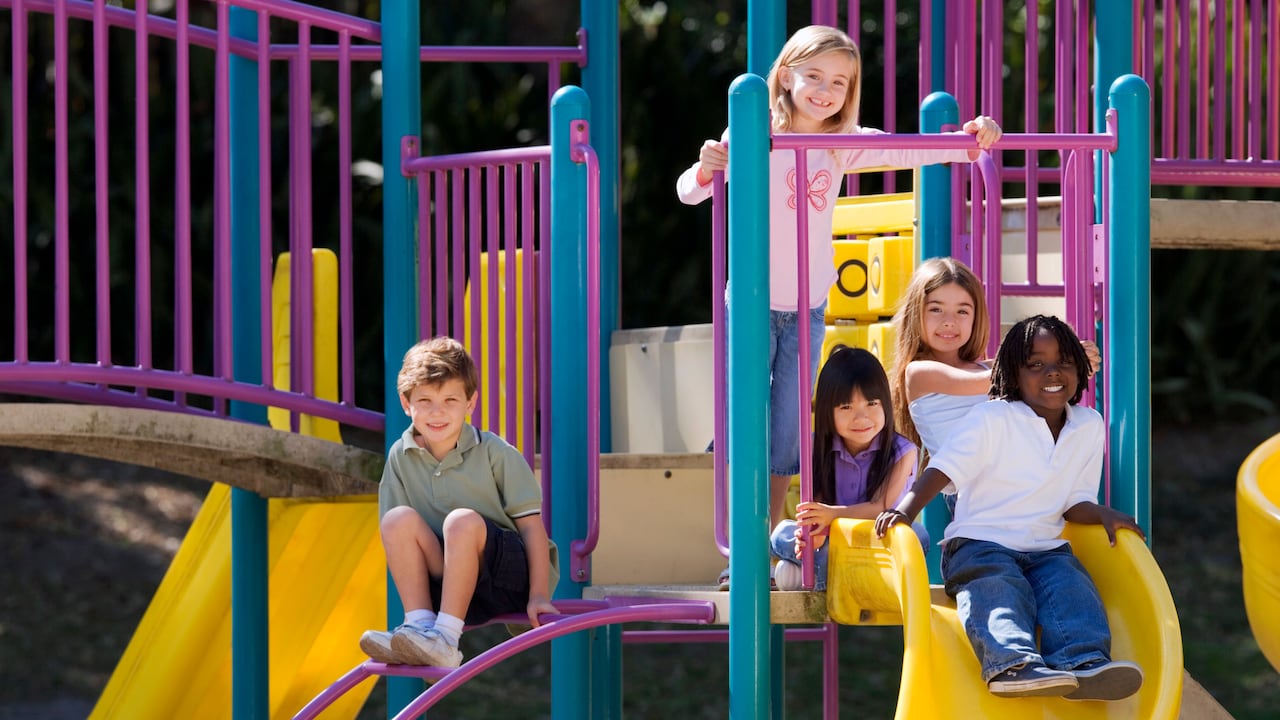
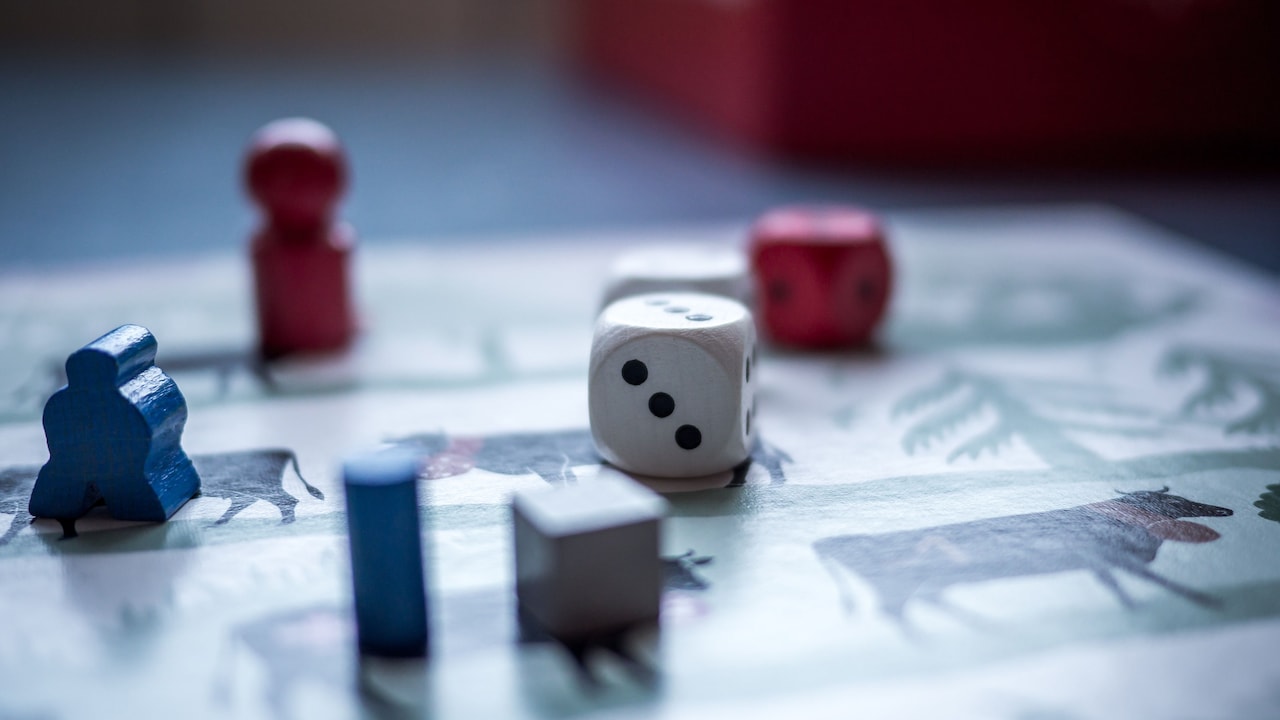
How To Choose Toys Kids Play With for Months, Not Just Days; Photo Credit: Pexels
Before You Buy: What Keeps a Toy in Play, Not In Storage
1. Follow the Child, Not the Hype
Trendy toys often shine brightest for the shortest time. A toy that excites every child on television may not suit every personality at home. Some children love building and fixing. Others prefer storytelling or quiet play. Observing daily habits offers better clues than any advert.
Notice what captures attention naturally. Does the child line up cars, build towers with cushions, or turn utensils into pretend microphones? These small moments reveal genuine interests. A toy that connects with existing play patterns feels familiar yet exciting.
Hype-driven purchases also pressure children to like something. When interest fades, disappointment follows on both sides. Choosing based on the child's rhythm removes that burden. It allows play to unfold without expectations.
Long-lasting toys often feel simple at first glance. Blocks, dolls, vehicles, art supplies, or role-play sets rarely trend online, yet children return to them repeatedly. These toys adapt to moods and milestones. Following the child rather than the hype ensures the toy grows alongside curiosity instead of fighting it.
2. Choose Toys That Grow With Age
The best toys never stay the same. They change as the child changes. A set of building blocks may begin as stacking practice, evolve into houses, and later turn into cities with stories and rules. That flexibility keeps play fresh.
Age labels on boxes help with safety, not longevity. A toy designed for only one narrow skill risks quick boredom. Toys that allow multiple levels of difficulty invite children back as confidence grows.
Look for toys that encourage experimentation. Puzzles with increasing complexity, open-ended games, or craft kits that allow new designs all support long-term engagement. Even simple items like balls or board games can offer endless variations with age.
Toys that grow with children also reduce clutter and spending. One thoughtful purchase often replaces several short-lived ones. When a toy meets a child at different stages, it becomes a companion rather than a phase.
Also Read: Unlock Hours of Fun: Top Toys And Games Under ₹499 Your Kids Will Adore
3. Open-Ended Play Beats One-Button Wonders
Toys that do everything leave little room for imagination. Press a button, hear a sound, watch lights flash. Once every function gets explored, nothing remains to discover. These toys entertain briefly but rarely invite deep play.
Open-ended toys work differently. They offer possibilities rather than instructions. A set of animal figurines can become a jungle today, a classroom tomorrow, and a rescue mission next week. No batteries required.
Children thrive when they control the narrative. Open-ended toys encourage problem-solving, storytelling, and emotional expression. They adapt to different moods, quiet play after school or energetic play on weekends.
Parents often worry that such toys feel “too basic.” Yet simplicity fuels creativity. When toys do less, children imagine more. That imagination keeps play alive for months, sometimes years.
4. Quality Always Outlasts Quantity
A cupboard full of toys does not guarantee happy play. In fact, too many options overwhelm children. They flit from one toy to another without settling into meaningful play.
Well-made toys feel different. They survive drops, rough handling, and enthusiastic storytelling. When a toy breaks quickly, trust breaks with it. Children hesitate to return to something fragile.
Quality also means thoughtful design. Smooth edges, sturdy materials, and timeless aesthetics matter. Toys that look pleasant blend easily into living spaces and feel less like clutter.
Spending a little more on fewer toys often delivers better value. A ₹1,500 toy played with daily for a year costs far less per use than five ₹500 toys forgotten within weeks. Quality invites commitment, while quantity invites chaos.
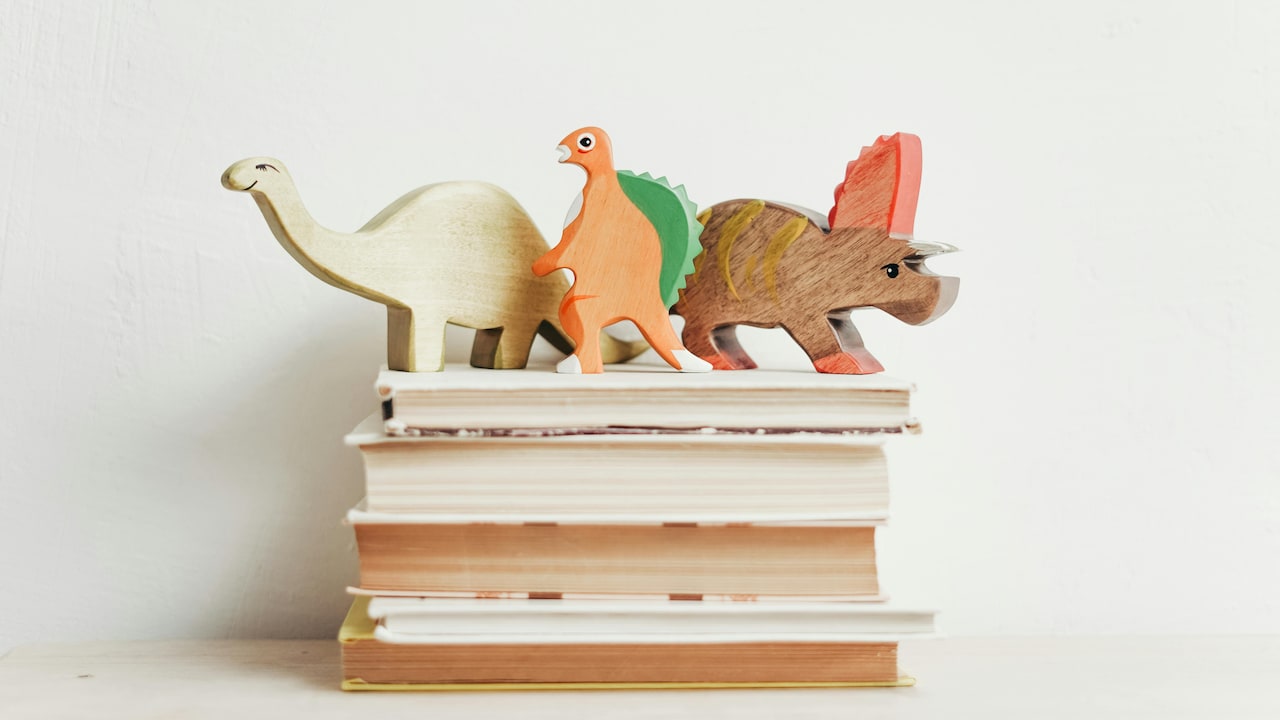
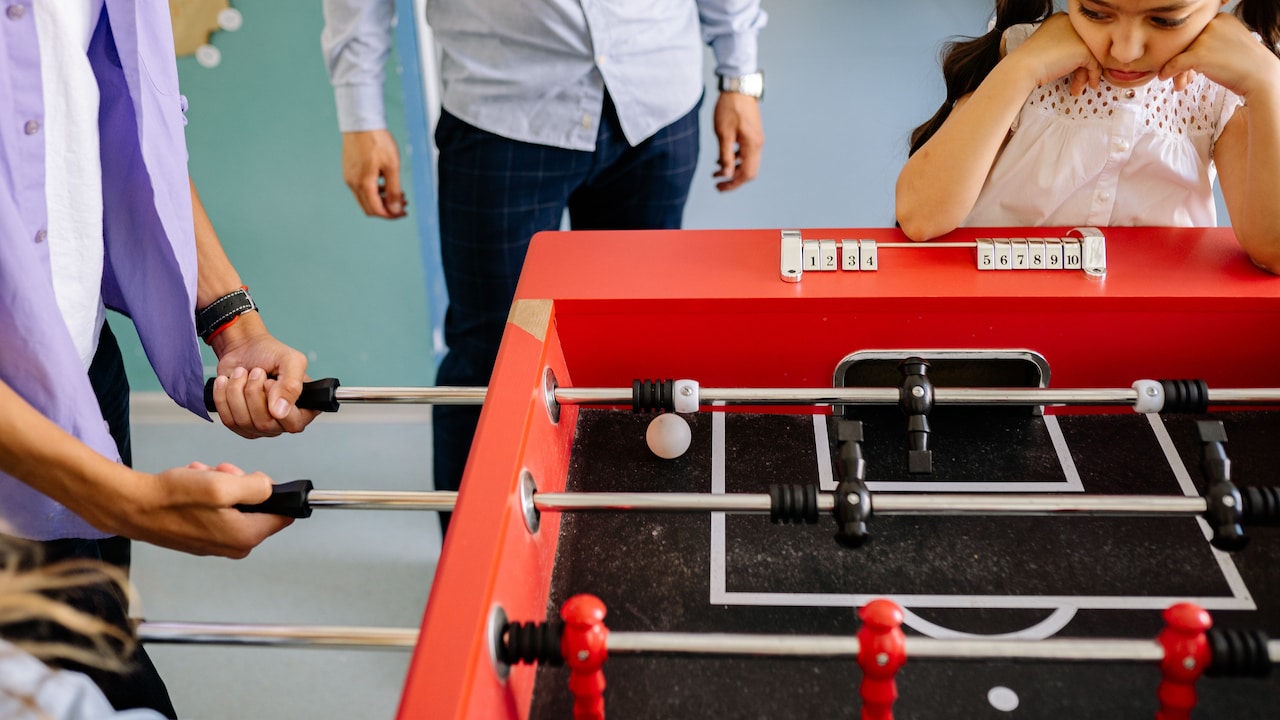
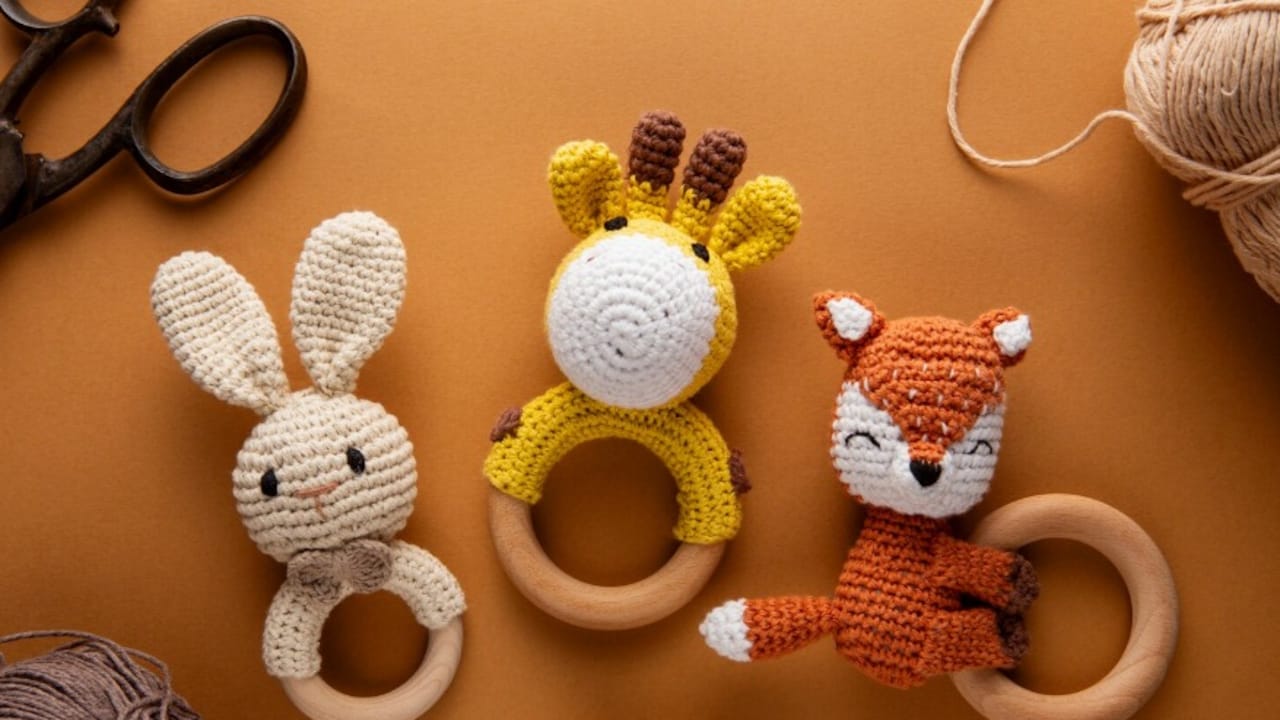
How To Choose Toys Kids Play With for Months, Not Just Days; Photo Credit: Pexels
5. Think Beyond Entertainment Value
Play serves many purposes beyond keeping children busy. The best toys support emotional growth, social skills, and independence. A doll or action figure often becomes a confidant during tough moments. A board game teaches patience and teamwork.
Toys that reflect everyday life help children process experiences. Kitchen sets, doctor kits, or transport toys allow role-play that builds empathy and confidence. These toys remain relevant because real life keeps changing.
Entertainment-focused toys rely on novelty. Purpose-driven toys rely on connection. When a toy mirrors feelings, routines, or challenges, children return to it naturally.
Choosing toys with deeper value does not mean choosing serious ones. Fun still leads the way. The difference lies in what lingers after the laughter fades.
6. Simpler Toys Spark Longer Attention
Bright colours and noise grab attention fast but lose it just as quickly. Simpler toys allow the child to add excitement. A plain wooden train set becomes a mountain adventure through imagination.
Neutral designs age better. They suit toddlers and older children alike. Loud branding often limits storytelling, while understated designs encourage versatility.
Simple toys also travel well. They fit into bags for visits, holidays, or long afternoons at relatives' homes. Familiar toys in new environments provide comfort and continuity.
When toys feel calm rather than overstimulating, children focus longer. That focus leads to deeper play and stronger attachment. Simplicity creates space for creativity to breathe.
7. Match Toys to Real-Life Routines
Toys that align with daily life naturally find more playtime. A child who watches cooking every evening may gravitate towards pretend kitchens. A child fascinated by vehicles during commutes may adore toy buses or trains.
These toys slip easily into existing routines. They extend moments that children already enjoy. That integration keeps play consistent rather than occasional.
Consider space and lifestyle too. Apartment living may suit compact toys better than large sets. Shared rooms benefit from toys that pack away easily.
When toys fit seamlessly into everyday life, they avoid becoming special-occasion items. Regular access leads to regular play, which builds lasting interest.
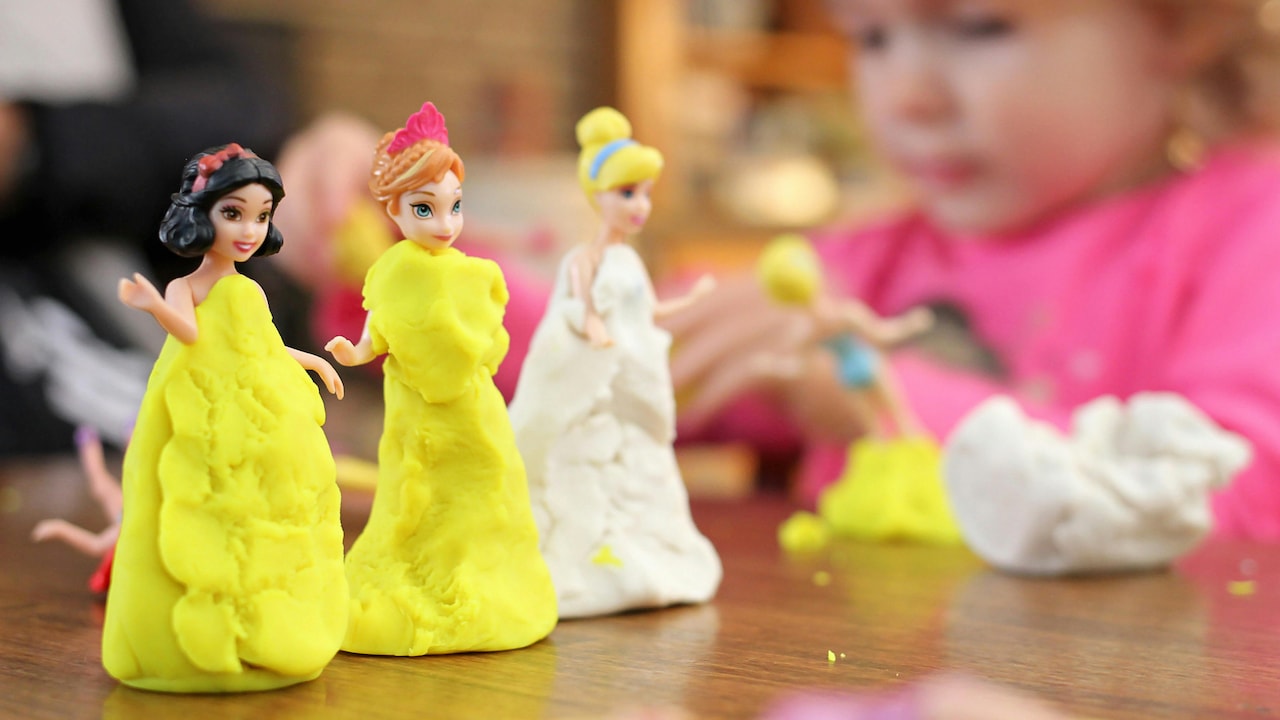
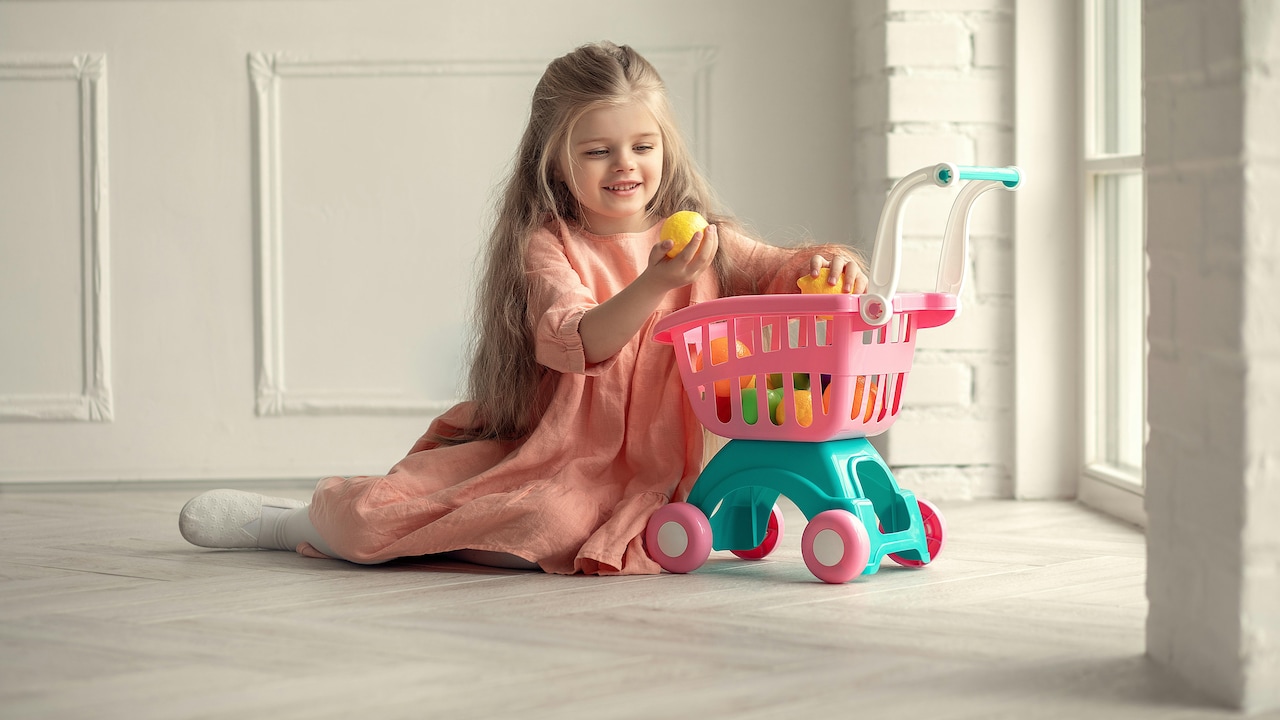
How To Choose Toys Kids Play With for Months, Not Just Days; Photo Credit: Pexels
8. Let Children Be Part of the Choice
Children value what they help choose. Even young ones express preferences through pointing, excitement, or repeated interest. Involving them creates emotional investment.
This does not mean giving full control. Guided choices work best. Offering two or three thoughtful options empowers children without overwhelming them.
Conversations around toys also matter. Asking what they like about a toy reveals how they imagine playing with it. If the answer involves stories, roles, or repeated scenarios, longevity looks promising.
When children feel heard, they return to the toy with pride. It becomes “their” choice, not just another object brought home.
9. Beware of Over-Specific Toys
Toys tied to one show, character, or storyline often limit imagination. Once the storyline loses appeal, so does the toy. Children outgrow characters faster than adults expect.
Over-specific toys also dictate play. They tell children what to do instead of inviting exploration. That rigidity shortens playtime.
Versatile toys adapt to changing interests. A generic superhero figure can become any hero. A plain vehicle can serve many worlds. That freedom extends relevance.
Choosing less specific toys keeps play flexible. It allows children to rewrite stories rather than repeat them. That creative freedom keeps toys alive far longer.
10. Observe What Never Gets Put Away
The best indicator of a lasting toy already exists at home. Which toys remain on the floor? Which ones travel from room to room? These favourites reveal what truly works.
Children return to toys that offer comfort, challenge, or creativity. They form quiet bonds with these objects. Observing these patterns helps guide future choices.
Not every toy needs to impress instantly. Some grow slowly into favourites. Patience pays off when choosing toys that settle into daily life.
Learning from past successes and failures sharpens judgment. Over time, toy choices become simpler, smarter, and more satisfying, for both children and adults.
Products Related To This Article
1. TEC TAVAKKAL Slide Toy Race Duck Track Set
2. Mirana C-Type USB Rechargeable Hover Football Indoor Floating Hoverball Soccer
3. Smartivity Math Genius
4. 6-In-1 Activity Cube For 1-Year-Old Boys
5. Smartivity My First Science Experiment Kit for Kids 6-8-10-12-14 Years
6. Chocozone Fast Push Pop It Game Light-up Bubble Pop Fidget Toy
7. Wembley Rechargeable Karaoke Mic with Speaker for Singing
Choosing toys children play with for months requires intention, observation, and restraint. The loudest toy rarely becomes the most loved. The quiet ones, chosen with care, often steal the show. When toys align with a child's interests, grow with age, and invite imagination, they earn repeated play. They reduce clutter, save money, and create richer childhood memories.
The goal never revolves around having more toys. It centres on having the right ones. Toys that stay, not because they shout the loudest, but because they listen to how children truly play.
(Disclaimer: This article may include references to or features of products and services made available through affiliate marketing campaigns. NDTV Convergence Limited (“NDTV”) strives to maintain editorial independence while participating in such campaigns. NDTV does not assume responsibility for the performance or claims of any featured products or services.)