Are You Overusing Your Fast Charging? What It Does To Your Phone Over Time
Fast charging saves time, but frequent use can quietly damage your phone’s battery. Overheating, faster degradation, and reduced lifespan are real risks. This is what happens when speed becomes a habit.
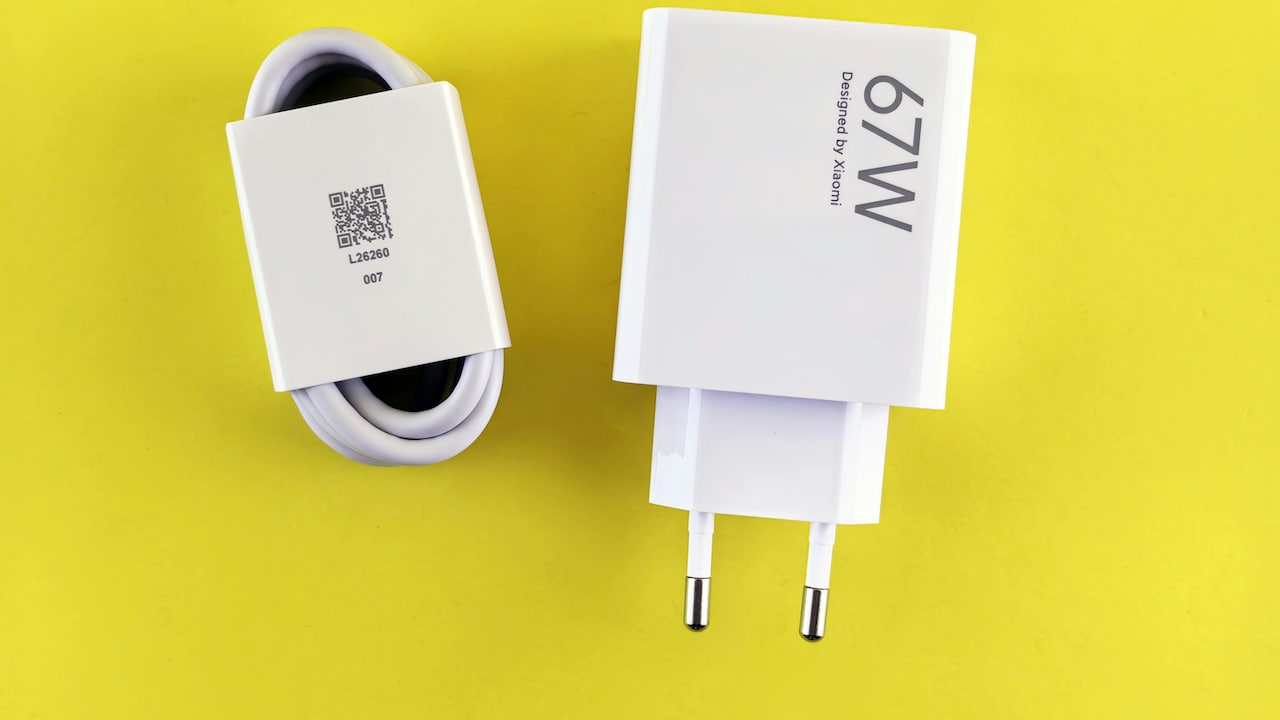
Is Fast Charging Damaging Your Phone Battery? What You Need To Know
Mornings often begin with a familiar scramble. The alarm rings, messages flood in, and somewhere in that rush sits a phone with barely 12% battery left. Fast charging steps in like a hero, offering a quick fix before the day begins. It feels almost magical. Plug in, sip tea, and the battery climbs rapidly.
Yet, like most shortcuts, this one carries a hidden story. Fast charging does not simply “fill up” a battery quicker; it pushes energy into it at a much higher rate, generating heat and stress along the way. Over weeks and months, that stress quietly accumulates. The device still works, of course, but subtle changes begin to appear: shorter battery life, unexpected drops, and that growing dependency on carrying a charger everywhere.
The question is not whether fast charging works. It clearly does. The real question is whether using it all the time is the smartest choice.
Is Fast Charging Damaging Your Phone Battery? What You Need To Know; Photo Credit: Pexels
How Fast Charging Affects Your Phone Over Time
The Science Behind Fast Charging
Fast charging relies on pushing higher current or voltage into a battery, often both. Modern smartphones use lithium-ion batteries, which thrive on controlled energy flow. Standard charging feeds energy steadily, allowing chemical reactions inside the battery to remain stable. Fast charging, however, accelerates those reactions.
That speed creates heat, and heat is the real story here. When energy flows too quickly, resistance builds up inside the battery cells. Even though manufacturers design safeguards, the battery still experiences more stress compared to normal charging.
Think of it like filling a water tank. A slow stream keeps everything calm, but a powerful jet causes turbulence. Over time, that turbulence affects the structure inside the battery. It does not break instantly, but it slowly wears down the system.
This is why fast charging feels efficient in the moment but has long-term consequences that are less visible.
Heat: The Silent Battery Killer
Heat rarely gets attention, yet it quietly shapes battery health. When a phone heats up during fast charging, it signals internal stress. Even if the device does not feel extremely hot, the internal temperature may still be higher than ideal.
Lithium-ion batteries do not handle prolonged heat well. Each overheating cycle causes slight damage to the battery's chemical structure. Over time, this reduces its ability to hold a charge effectively.
Picture a phone left on fast charge during a summer afternoon, perhaps near a window or inside a warm room. The combination of ambient heat and charging heat amplifies the effect. Months later, the battery may unexpectedly drop from 40% to 15%, leaving users puzzled.
That moment is not sudden. It is the result of repeated heat exposure over time. Fast charging, when used frequently, contributes to this slow decline.
Also Read: Upgrade Your Mobile Phone With These Fast-Charging Smart Cables
Battery Degradation Happens Gradually
Battery health does not collapse overnight. It fades quietly, often unnoticed until it becomes inconvenient. Frequent fast charging accelerates this process.
Each battery has a limited number of charge cycles. A cycle does not mean one full charge but rather the equivalent of charging from 0% to 100%. Fast charging increases wear during each cycle because of the higher stress involved.
After several months, a phone that once lasted a full day may struggle to reach evening without a recharge. This leads to more frequent charging, which further accelerates degradation. It becomes a loop: charge more, degrade faster, charge even more.
Many people assume this is normal ageing, but usage habits play a significant role. Fast charging, when used excessively, nudges the battery towards faster ageing than necessary.
The Convenience Trap
Fast charging feels addictive. Once experienced, waiting for a slow charge feels outdated. This creates a behavioural shift where charging becomes reactive rather than planned.
Instead of charging overnight or during downtime, phones get plugged in whenever the battery dips slightly. A quick 10-minute charge before stepping out becomes routine.
This pattern increases the number of partial charge cycles. While partial cycles are not harmful on their own, combining them with fast charging increases overall strain.
There is also a psychological aspect. The reassurance of “quick power” reduces caution. People stop thinking about battery care and rely on speed instead.
Convenience wins in the short term, but it often shapes habits that are not sustainable for long-term device health.
Is Fast Charging Damaging Your Phone Battery? What You Need To Know; Photo Credit: Pexels
Impact On Daily Performance
Battery health directly affects performance. As batteries degrade, phones may slow down or behave unpredictably. This is not always obvious at first.
Apps may take slightly longer to open. The device might heat up faster during normal use. Gaming sessions may drain the battery unusually quickly. These changes often feel minor but gradually become noticeable.
Some devices even reduce performance intentionally to prevent shutdowns when battery health drops. This can make a relatively new phone feel older than it actually is.
Frequent fast charging contributes to this decline by accelerating battery wear. The device itself remains capable, but the battery becomes the limiting factor.
In many cases, people consider upgrading their phones, not because the device is outdated, but because the battery no longer keeps up.
Charging Habits That Make It Worse
Fast charging alone is not the only issue. The way it is used matters just as much. Charging a phone from 0% to 100% using fast charging regularly places maximum stress on the battery.
Keeping the phone plugged in even after reaching full charge adds unnecessary strain. Many people leave devices charging overnight with fast chargers, unaware that this combination can increase heat exposure.
Using the phone heavily while fast charging, such as streaming or gaming, creates additional heat. The battery ends up dealing with both charging stress and usage stress simultaneously.
These habits, when repeated daily, amplify the impact of fast charging. It is not a single action but a combination of patterns that shape battery health over time.
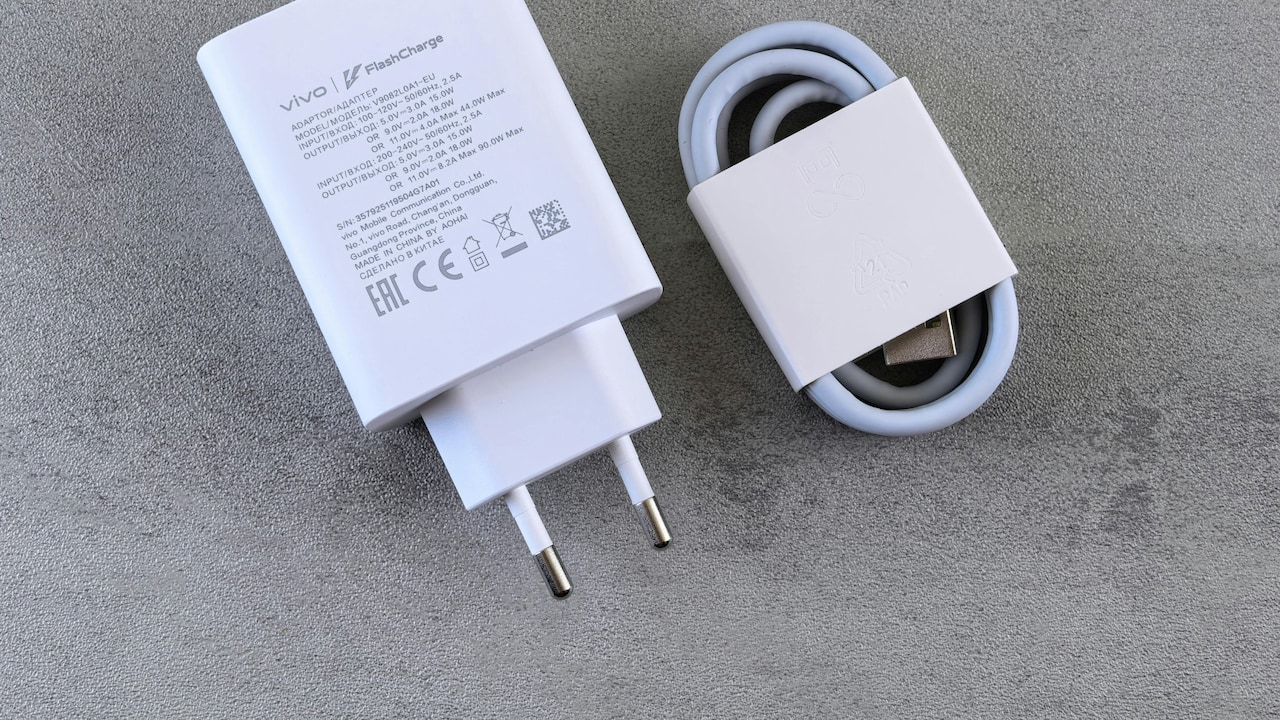
Is Fast Charging Damaging Your Phone Battery? What You Need To Know; Photo Credit: Pexels
The Role Of Modern Battery Management Systems
Smartphones today include advanced battery management systems designed to reduce damage. These systems regulate charging speed, reduce power intake as the battery fills, and prevent overheating.
Some phones even learn usage patterns and slow down charging overnight, completing the final stretch just before waking hours. This helps minimise time spent at 100%, which can be stressful for batteries.
However, these systems are not foolproof. They reduce risk but do not eliminate it. Frequent reliance on fast charging still introduces more stress than standard charging.
Think of these systems as safety nets, not solutions. They protect the battery to an extent, but they cannot fully counter the effects of repeated high-speed charging.
When Fast Charging Makes Sense
Fast charging is not the villain. It serves a clear purpose, especially during busy days. A quick boost before leaving for work or during travel can be incredibly useful.
The key lies in moderation. Using fast charging occasionally keeps its benefits without exposing the battery to constant stress.
For instance, relying on standard charging during relaxed periods, such as overnight or while working, allows the battery to recover. Fast charging can then act as a backup rather than the default method.
This balanced approach ensures convenience without compromising longevity. It shifts fast charging from a habit to a tool used wisely.
Cost Implications Over Time
Battery degradation often leads to additional expenses. Replacing a battery can cost anywhere between ₹2,000 and ₹5,000, depending on the device. In some cases, users opt to upgrade their phones instead, spending significantly more.
Frequent fast charging indirectly contributes to these costs by accelerating battery wear. What feels like a time-saving habit may lead to financial decisions sooner than expected.
There is also the inconvenience of dealing with poor battery life, carrying power banks, searching for charging points, and managing battery anxiety during outings.
A small shift in charging habits can delay these costs and inconveniences, making devices last longer without additional spending.
Signs Your Battery Needs Attention
Recognising early signs of battery wear can help prevent bigger issues. A noticeable drop in battery life, unexpected shutdowns, and overheating during normal use are common indicators.
Another sign is inconsistent charging behaviour. The battery may jump from 20% to 10% quickly or take longer to charge despite using a fast charger.
These symptoms often appear after prolonged periods of frequent fast charging combined with poor charging habits.
Addressing these signs early by adjusting charging patterns can slow further degradation. Ignoring them usually leads to more pronounced issues, eventually requiring repair or replacement.
Products Related To This Article
1. BAVE 65W Supervooc Charger USB-A Power Adapter with Cable
2. MI Xiaomi 22.5W Fast Charger with USB-C Cable
3. 65W Trio Port Super Fast Charger True 65W Max Charging Adapter Compatible for Samsung Galaxy Fold 2, 3, 4
4. Boat 67W GaN Laptop Charger
5. Portronics 65W Adapto 65M Triple Port Fast Charging Laptop Adaptor
Fast charging has transformed how people interact with their devices. It offers speed, convenience, and flexibility in a fast-paced world. Yet, like many conveniences, it comes with trade-offs that are easy to overlook.
Using fast charging occasionally works well and keeps life moving smoothly. Relying on it constantly, however, places unnecessary stress on the battery. Over time, that stress shows up in shorter battery life, reduced performance, and additional costs.
A balanced approach makes all the difference. Mixing standard charging with occasional fast charging preserves both convenience and battery health. It allows devices to last longer and perform better without constant worry.
In the end, the goal is not to avoid fast charging but to use it wisely. A little patience today can save both money and frustration tomorrow.
(Disclaimer: This article may include references to or features of products and services made available through affiliate marketing campaigns. NDTV Convergence Limited (“NDTV”) strives to maintain editorial independence while participating in such campaigns. NDTV does not assume responsibility for the performance or claims of any featured products or services.)