Top 5 Smartphones Under ₹20K That Do Not Lag After A Few Months Of Use
Looking for a budget smartphone that stays fast after months of use? These five phones under ₹20K offer smooth performance, strong batteries, reliable software and fewer slowdowns over time.
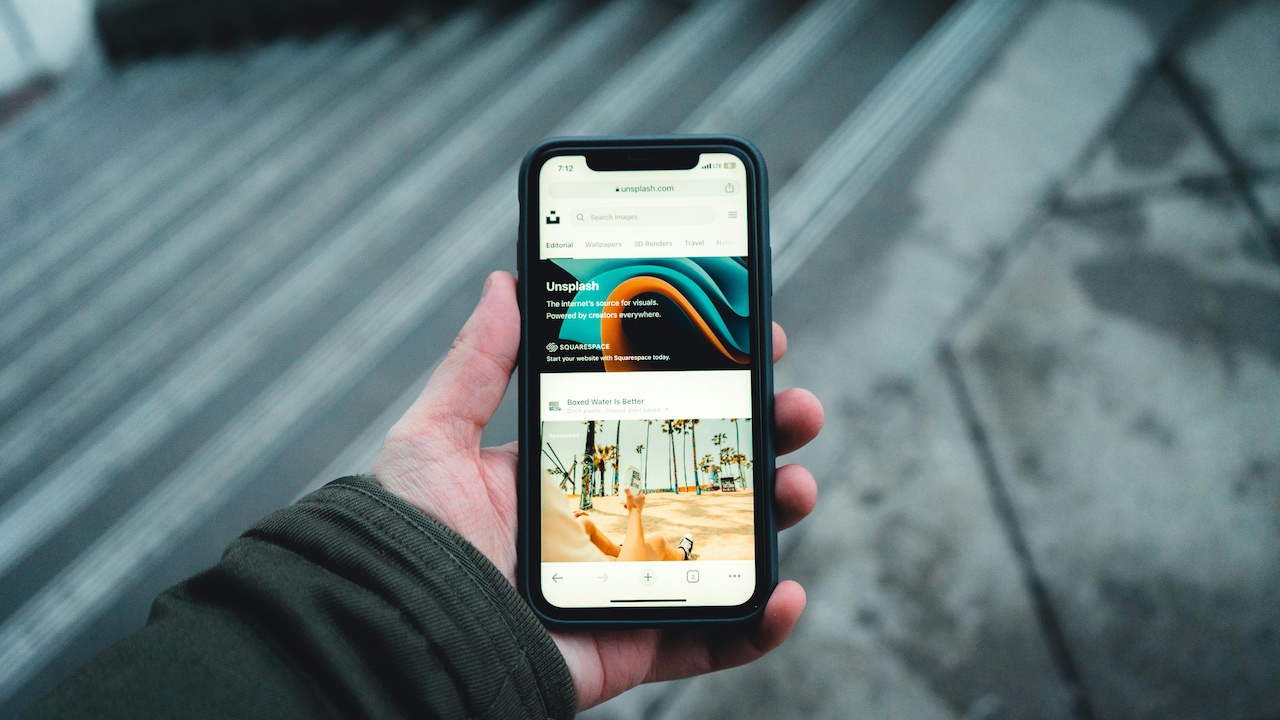
5 smartphones that maintain the same speed and performance even after a while
Nothing ruins a good smartphone faster than random freezes during UPI payments, delayed camera launches, or apps taking ages to open while travelling home after work. That's become a common complaint in the budget segment, especially with phones overloaded with unnecessary apps and weak processors. Interestingly, buyers have started paying more attention to long-term performance instead of flashy launch-day specs. Search trends around “best phone under ₹20K”, “no lag smartphone”, and “smooth Android phone” have climbed sharply over the past year. People don't just want a decent camera anymore. They want phones that stay reliable after months of WhatsApp backups, food delivery apps, endless reels, and software updates.
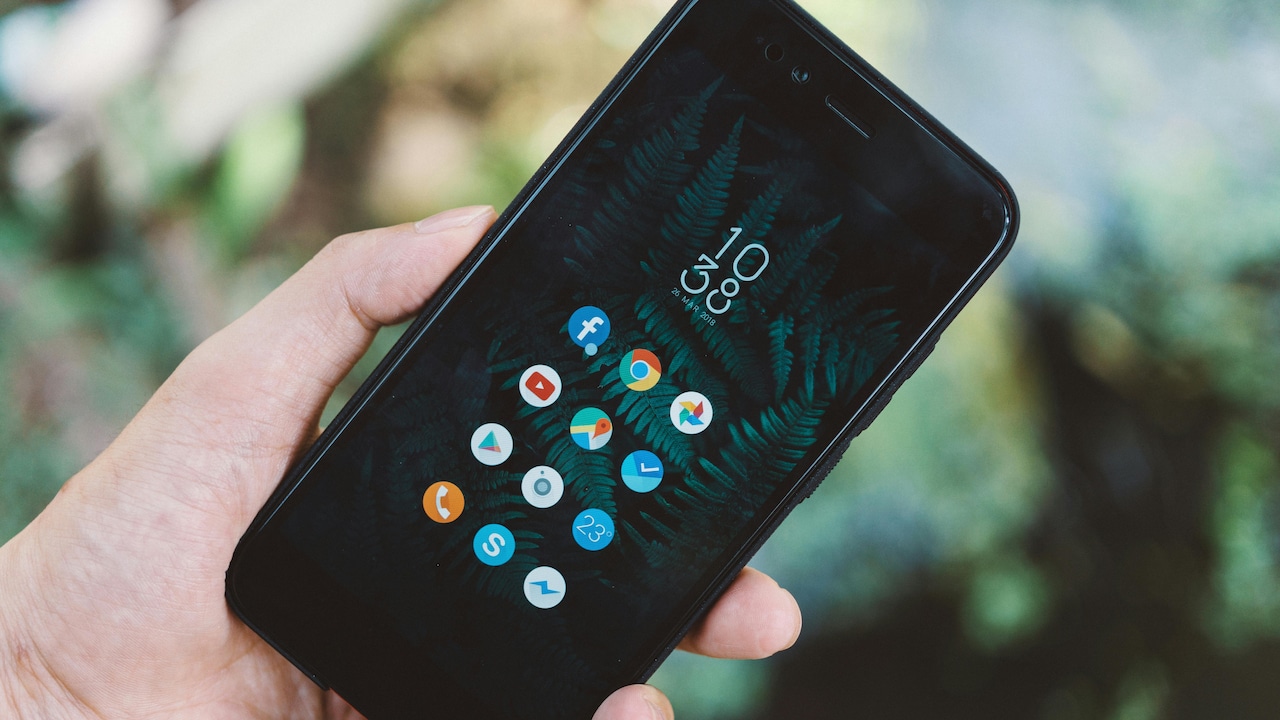
Check out smartphones that don't lose their performance even after a few months; Photo Credit: Pexels
That shift has pushed brands to focus on smarter chipsets, better RAM management, and cleaner software experiences. Several phones in the sub-₹20K category now come with high refresh rate displays, fast storage, and processors built for daily multitasking instead of benchmark bragging rights.
So, for anyone tired of budget phones becoming painfully slow after a few months, these five options stand out for the right reasons.
Also Read: 5 Best Smartphones With Long Battery Life, Gaming, And Camera Performance
Best Smartphones Under ₹20K For Smooth Long-Term Performance
1. Redmi 15 5G
The Redmi 15 5G gets the basics right for long-term use. Its Snapdragon 6s Gen 3 processor handles multitasking without constant stutters, while the 144Hz refresh rate keeps scrolling smooth even after heavy usage. The massive 7000mAh battery also reduces battery anxiety for people who spend hours streaming videos or gaming.
HyperOS feels more refined than older software versions, and the phone manages background apps fairly well. The large display helps during binge-watching sessions, while the 50MP AI camera performs reliably in daylight. Also, reverse charging adds practical value during travel or emergencies.
2. realme 15 Lite
The realme 15 Lite focuses heavily on sustained performance, and that shows in everyday use. The Dimensity 7300 chipset runs efficiently without heating up too quickly, which often causes lag in budget devices over time. Combined with 8GB RAM and AI-backed optimisation, the phone stays responsive during gaming, video editing, and app switching.
The 120Hz display feels fluid while browsing social media or watching sports clips. realme's software has also improved in handling background processes, reducing random app crashes. The 80W fast charging deserves attention too because a quick top-up genuinely changes how people use their phones during busy days.
3. Samsung Galaxy M06 5G
Samsung's Galaxy M06 5G may not look flashy, but it quietly delivers one of the most dependable software experiences in this category. The MediaTek Dimensity 6300 processor works smoothly with One UI, which remains cleaner and more stable than many rivals over extended use.
What really makes this phone future-ready is Samsung's promise of four OS upgrades and long security support. That matters because phones often start slowing down when software support disappears. The battery life remains dependable for full-day use, and the 12 5G bands improve network consistency in crowded areas. Also, Knox Security adds peace of mind for banking and work apps.
4. Motorola G57 Power 5G
Motorola has quietly built a reputation for near-stock Android software, and the G57 Power 5G continues that trend. Without excessive pre-installed apps draining resources in the background, the phone stays fast even after months of usage. The Snapdragon 6s Gen 4 processor paired with 8GB RAM handles daily multitasking comfortably.
The standout feature, though, remains the huge 7000mAh battery. Heavy users can easily push through long workdays, streaming sessions, and navigation without scrambling for a charger. The 120Hz display keeps animations smooth, while the IP64 rating adds durability against dust and splashes. The camera setup also performs surprisingly well in balanced lighting conditions.
5. Vivo T4x 5G
The Vivo T4x 5G balances performance and battery efficiency better than many phones in this segment. Its Dimensity 7300 processor delivers strong day-to-day speed, especially for users juggling social apps, video calls, and gaming. Apps open quickly, and the phone handles multitasking without the annoying reload issues often seen in cheaper devices.
The 6500mAh battery comfortably lasts more than a day for most users. Vivo's software optimisation has improved noticeably too, helping maintain smoother performance over time. The large display works well for entertainment, while the camera setup captures detailed shots in daylight without excessive processing.
What Actually Prevents Smartphones From Lagging?
Many buyers assume RAM alone decides smartphone speed, but software optimisation matters just as much. A weaker processor with cleaner software often performs better after six months than a powerful chip buried under bloated apps and ads.
Storage type also plays a major role. Faster storage helps apps load more quickly and reduces slowdowns during updates. Regular software support keeps devices secure and optimised as newer apps demand more resources. That's why brands offering longer Android updates now hold a clear advantage.
Battery health matters too. Phones with larger batteries experience fewer charging cycles, which helps maintain stable performance for longer periods. Add efficient processors into the mix, and users get smoother performance without overheating or rapid battery drain.
A good budget smartphone shouldn't feel outdated within a year. These five devices stand out because they focus on long-term usability instead of flashy marketing tricks. From cleaner software to efficient processors and bigger batteries, each phone here offers dependable daily performance without the frustrating lag that usually creeps into budget devices after a few months. Shop now on Amazon.
(Disclaimer: This article may include references to or features of products and services made available through affiliate marketing campaigns. NDTV Convergence Limited (“NDTV”) strives to maintain editorial independence while participating in such campaigns. NDTV does not assume responsibility for the performance or claims of any featured products or services.)