Noise Cancellation In Earbuds Sounds Impressive: But Does It Really Matter Indoors?
Noise-cancelling earbuds promise silence and focus, but indoors, do they truly make a difference? From work calls to binge sessions, this is whether ANC is genuinely useful or simply overhyped tech.

What affects the importance of ANC in earbuds for everyday use
A few years ago, earbuds came with one simple promise: play music loudly enough to drown out the world. Then came active noise cancellation, often called ANC, and suddenly every launch event sounded like a sci-fi presentation. Tiny microphones, intelligent algorithms, adaptive sound profiles, the whole package felt futuristic. The price tags felt futuristic, too. Spending ₹8,000 to ₹25,000 on earbuds stopped sounding absurd because brands convinced buyers that silence itself had become a premium feature.
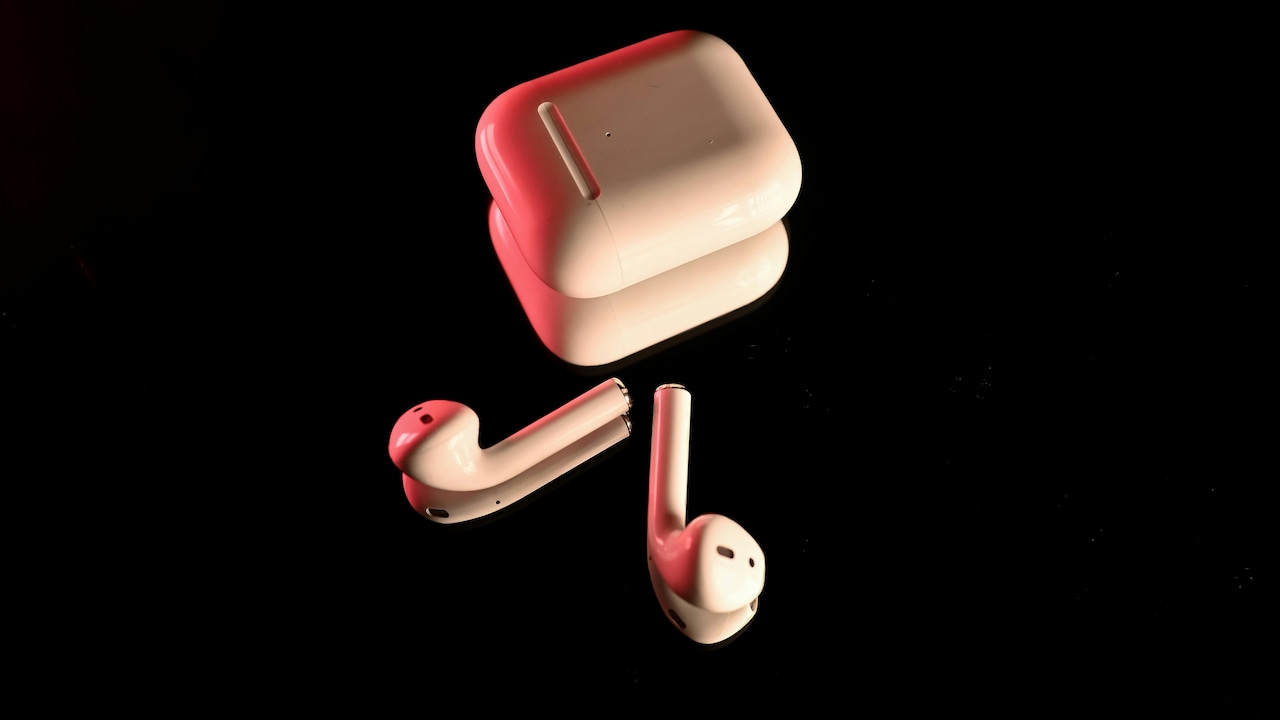
How much does ANC matters indoors; Photo Credit: Pexels
Yet a curious question sits quietly beneath all the hype. Does noise cancellation really matter indoors?
For someone sitting beside a rattling window AC unit, the answer may seem obvious. But plenty of people use ANC earbuds while working from home, watching reels at midnight, attending online meetings, or simply avoiding the neighbour's enthusiastic remix playlist during festival season. In those situations, the value of noise cancellation becomes less straightforward and far more personal.
Also Read: Top Noise-Cancelling Earbuds For Distraction-Free Audiobook Enjoyment
Indoor environments carry a different kind of noise. Not the roaring engine of an aircraft, but the endless soundtrack of daily life. Pressure cookers whistle. Dogs bark at delivery executives as though protecting national secrets. Someone somewhere always seems to be drilling a wall. Modern life rarely stays silent for long.
That explains why noise cancellation indoors has quietly become less about luxury and more about control. Still, not everyone needs it. Sometimes a good seal and decent music volume do the job perfectly well. At other times, ANC transforms a chaotic evening into a peaceful one.
The real question is not whether noise cancellation works indoors. It certainly does. The better question is whether it matters enough to justify the cost, battery drain, and occasional weird feeling of isolation. The answer depends on habits, homes, and expectations far more than advertisements admit.
Does Noise Cancellation In Earbuds Really Make A Difference Indoors?
The Indoor Noise Problem Is More Real Than Expected
People often imagine indoor spaces as naturally quiet. Reality tells a very different story. Urban homes rarely enjoy complete silence anymore. Even during supposedly calm afternoons, layers of background noise creep into everyday life. Ceiling fans hum constantly. Mixer grinders launch surprise attacks during meetings. Television volume wars erupt across generations. Add traffic leaking through windows, and indoor spaces begin sounding less like sanctuaries and more like mildly organised chaos.
This is where ANC starts making practical sense. Unlike regular earbuds that merely block sound physically, noise-cancelling earbuds actively reduce steady background frequencies. The effect becomes obvious during work calls or while reading. Suddenly, the fan disappears into the background. The distant honking softens. Concentration improves without requiring music at dangerous volumes.
Interestingly, many users notice the biggest difference not during entertainment but during silence. Wearing ANC earbuds without playing anything can create a cocoon-like effect. That quietness feels oddly comforting after long days surrounded by constant noise. Some describe it as finally finding a mute button for the world.
Still, the effectiveness varies indoors. ANC handles low-frequency sounds brilliantly but struggles with sudden noises. A pressure cooker whistle remains undefeated. So does an overexcited child sprinting through the corridor wearing superhero socks on marble flooring. Technology has limits, even when advertisements pretend otherwise.
Working From Home Changed Everything
Before remote work became common, earbuds mainly served commuters and gym enthusiasts. Then homes turned into offices overnight. Dining tables became workstations. Bedrooms hosted presentations. Balcony corners transformed into temporary conference rooms with questionable Wi-Fi signals.
In this environment, noise cancellation suddenly became far more valuable indoors. A barking dog during an important client meeting feels far less charming when deadlines hover nearby. ANC helps reduce distractions and creates a sense of separation between personal and professional space.
The psychological effect matters almost as much as the technical one. Putting on noise-cancelling earbuds often signals the brain that work mode has begun. That tiny ritual creates focus, especially in busy households where uninterrupted silence rarely exists.
Call quality also improves because modern earbuds combine ANC with environmental noise reduction for microphones. That means fewer awkward moments where colleagues ask, “Sorry, was that a train passing through your kitchen?”
However, remote workers sometimes develop an unhealthy dependence on ANC. Total isolation can become mentally exhausting over time. Some users report feeling disconnected from their surroundings after hours of continuous use. Missing doorbells, ignored family conversations, or accidental overcooking incidents become surprisingly common.
Noise cancellation indoors works best when treated like a helpful tool rather than permanent armour against reality.
Music Sounds Better At Lower Volumes
One underrated advantage of ANC indoors involves healthier listening habits. Without noise cancellation, many people increase volume levels to overpower surrounding sounds. The problem builds gradually. What begins as a slight volume boost often turns into dangerously loud listening over months.
ANC changes that behaviour dramatically. Since background noise has reduced significantly, music and podcasts remain clear even at lower volumes. Vocals sound cleaner. Instrument details emerge more naturally. Podcasts no longer compete with ceiling fans trying their best to impersonate helicopters.
This matters more than people realise. Hearing damage develops slowly and quietly. Unlike a cracked phone screen, ears provide no warning notification saying battery health has declined by 12 per cent.
Indoor listeners benefit particularly because sessions tend to last longer. Someone working from home may wear earbuds for four to six hours daily. Lower volume listening during those long periods makes a meaningful difference.
Interestingly, ANC also changes emotional engagement with audio. Songs feel more immersive because fewer external distractions interrupt the experience. Even familiar tracks gain freshness when tiny background details become audible again.
Of course, sound quality still depends heavily on the earbuds themselves. ANC cannot magically rescue badly tuned audio. Spending ₹20,000 on noise cancellation while the music sounds flatter than week-old cola defeats the purpose entirely.
Good sound remains the priority. ANC simply creates better conditions for appreciating it.
Not Every Home Needs Noise Cancellation
Despite all the benefits, ANC indoors is not universally essential. Some homes naturally stay quiet enough that standard earbuds work perfectly fine. Spending extra money for advanced noise cancellation in such situations often feels unnecessary.
A well-designed pair of passive isolation earbuds can already block a surprising amount of sound. Silicone ear tips create a seal that reduces chatter and environmental noise without requiring microphones or processing technology. For casual listening indoors, that may be enough.
The difference becomes especially noticeable in smaller towns or quieter residential areas. Someone living away from heavy traffic may barely notice ANC improvements during everyday use. In those cases, paying ₹10,000 extra mainly for occasional silence starts looking less sensible.
Battery life also enters the conversation. ANC consumes power constantly. Earbuds with active noise cancellation often require more frequent charging than simpler alternatives. For users who forget charging cases regularly, this becomes irritating very quickly.
Comfort matters too. Some people dislike the sensation ANC creates. The pressure-like feeling inside the ears can feel unnatural during long sessions. Others adapt instantly and never notice it again.
Ultimately, indoor ANC sits firmly in the category of lifestyle convenience rather than absolute necessity. It enhances comfort significantly for some users while remaining merely “nice to have” for others.
Cafés, Co-Working Spaces, And Shared Flats Changed Listening Habits
Indoor listening no longer happens only at home. Cafés overflow with laptop users pretending that background jazz somehow improves productivity. Co-working spaces buzz with overlapping conversations about deadlines, startup ideas, and suspiciously frequent “quick syncs.” Shared flats add their own unpredictable soundtrack involving gaming sessions, cricket commentary, and late-night Maggi preparation.
These environments transformed ANC from luxury into survival equipment for many people.
Noise cancellation thrives in places filled with consistent low-level noise. The chatter of strangers fades into the background. Coffee machines sound less aggressive. Productivity improves because the brain stops processing endless environmental distractions.
Students benefit too. Libraries may still exist, but finding genuine silence there often feels harder than securing a confirmed train ticket during the holiday season. ANC earbuds create a portable study zone almost anywhere.
Interestingly, many users play no audio at all during focused work sessions. The cancellation itself becomes the feature. Silence turns into a productivity tool rather than an entertainment upgrade.
However, excessive reliance creates occasional social awkwardness. Wearing ANC earbuds indoors can unintentionally signal emotional unavailability. Friends hesitate to interrupt. Colleagues wave dramatically for attention. Someone inevitably taps a shoulder hard enough to trigger mild cardiac events.
The convenience remains undeniable, though. In increasingly noisy shared spaces, ANC helps people carve out tiny pockets of calm without needing a private office or a mountain retreat.
Using earbuds in cafes and co-working spaces demand ANC; Photo Credit: Pexels
ANC Marketing Often Exaggerates Reality
Tech advertisements deserve awards for creative optimism. Earbud commercials frequently portray users floating through perfectly silent worlds while chaos dissolves magically around them. Real-life ANC feels less cinematic.
Noise cancellation works exceptionally well for predictable, continuous sounds. Air conditioners, engine hums, fan noise, and traffic rumble fade noticeably. But suddenly, sharp noises still break through. Human voices remain partially audible, too, especially nearby conversations.
This gap between expectation and reality causes disappointment for some buyers. Spending ₹15,000 expecting supernatural silence often leads to confusion when the neighbour's pressure cooker still announces dinner plans loudly.
Marketing also creates the illusion that stronger ANC automatically means better earbuds. That simply is not true. Some earbuds prioritise aggressive cancellation while compromising comfort or sound quality. Others balance all three more intelligently.
Adaptive ANC systems sound impressive on paper, but vary wildly in effectiveness between brands. Premium models generally perform better because their processing handles environmental changes more naturally. Cheaper versions sometimes produce strange audio artefacts or inconsistent cancellation.
Transparency mode adds another layer of irony. After spending heavily to block the world out, users then activate a feature specifically designed to let the world back in. Technology occasionally behaves like a beautifully engineered contradiction.
The smartest buyers look beyond ANC claims and focus on the overall experience instead. Comfort, battery life, microphone quality, and sound tuning matter just as much indoors.
Noise Cancellation Affects Mental Fatigue More Than Expected
Indoor noise does not always feel loud enough to notice consciously, yet the brain processes it constantly. Over time, that endless stream of minor sounds contributes to mental fatigue. Fans whirr. Scooters accelerate outside. Notifications ping endlessly. Someone drops steel utensils with Olympic-level enthusiasm.
ANC reduces that sensory load significantly.
Many users report feeling calmer while using noise-cancelling earbuds indoors, even without music. The reduced audio clutter creates breathing room for the mind. Concentration improves naturally because fewer distractions compete for attention.
This benefit becomes particularly valuable during stressful periods. Students preparing for exams often seek silence desperately. Remote workers facing back-to-back meetings appreciate moments of controlled quietness. Even casual listeners enjoy the mental break after noisy commutes or crowded public spaces.
However, complete silence is not always psychologically healthy either. Constant isolation may heighten awareness of internal thoughts, which can feel uncomfortable for some people. Others become overly detached from their surroundings during extended ANC use.
Balance matters. Using ANC selectively often delivers the best results. Blocking noise during focused tasks while remaining aware during social or family time creates a healthier relationship with the technology.
Interestingly, many users discover they were far more stressed by background noise than they initially realised. Silence reveals how exhausting constant low-level sound can actually become.
Budget Earbuds Have Narrowed The Gap
Not long ago, effective ANC belonged almost exclusively to premium earbuds. Paying under ₹5,000 usually meant accepting weak cancellation and disappointing sound. Thankfully, competition changed the market dramatically.
Today, affordable earbuds offer surprisingly capable ANC performance indoors. Mid-range models handle fan noise, traffic hum, and café chatter reasonably well. The gap between premium and budget devices still exists, but it has narrowed enough that casual users may barely notice.
This shift makes indoor ANC more accessible than ever. Someone seeking quieter work sessions no longer needs flagship pricing. Many budget earbuds now include transparency modes, decent microphones, and respectable battery life alongside cancellation features.
That said, compromises remain visible at lower prices. Premium earbuds still deliver smoother cancellation, better comfort, and more natural sound processing. Cheaper options sometimes create faint hissing sounds or struggle with rapid environmental changes.
Durability also varies significantly. Expensive earbuds generally survive longer daily usage cycles, while ultra-budget models occasionally age faster than bananas left on a kitchen counter during summer.
Still, the market now offers sensible options across different budgets. Indoor users no longer need to spend extravagantly unless they truly value top-tier refinement.
For many people, a balanced ₹4,000 to ₹8,000 pair delivers enough ANC performance to transform everyday listening comfortably.
Silence Has Become A Modern Luxury
Perhaps the biggest reason ANC matters indoors has little to do with technology itself. Modern life simply became louder.
Notifications demand attention every few minutes. Traffic rarely stops completely. Streaming content competes endlessly for mental space. Homes juggle multiple screens, conversations, and appliances simultaneously. Genuine quietness feels increasingly rare.
Noise-cancelling earbuds offer a temporary escape from that overload. Not a dramatic escape. Just enough breathing room to think clearly, focus properly, or enjoy music without external chaos barging in constantly.
That emotional value explains why people grow attached to ANC indoors. The feature provides control in environments where silence often feels impossible. Even ten peaceful minutes during a hectic day can feel surprisingly restorative.
Of course, silence alone cannot justify absurd pricing or poor audio quality. Some buyers absolutely overspend chasing features they barely use. Others discover ANC genuinely improves daily life in meaningful ways.
The key lies in understanding personal habits honestly. Someone constantly working in noisy spaces may find ANC indispensable. Another person relaxing mostly in quiet environments may barely notice its absence.
Neither choice is wrong.
Technology works best when it solves real problems instead of imaginary ones invented by advertisements.
Products Related To This Article
1. OnePlus Nord Buds 3 Truly Wireless Bluetooth Earbuds with up to 32dB Active Noise Cancellation
2. Boat Airdopes Joy, 35Hrs Battery, Fast Charge, IWP Tech, Low Latency
3. iQOO TWS 1e in-Ear Earbuds with Mic, Upto 30dB Active Noise Cancellation
4. OnePlus Nord Buds 4 Pro TWS Earbuds, Upto 55dB Real-time ANC
5. Noise Master Buds, Sound by Bose in-Ear Bluetooth Earbuds
6. EarFun Air Pro 4 Hybrid Adaptive Noise Canceling Wireless Earbuds Bluetooth
7. Samsung Galaxy Buds Core (Black) Galaxy AI Enabled in-Ear TWS with ANC
Noise cancellation indoors occupies an interesting space between necessity and convenience. It is neither a useless gimmick nor a life-changing revolution for everyone. Its value depends entirely on how people live, work and relax.
For remote workers, students, café regulars, and anyone surrounded by constant household noise, ANC can make indoor life noticeably calmer and more focused. Lower listening volumes, improved concentration, and reduced mental fatigue create benefits that extend beyond music alone.
At the same time, not every home demands advanced noise cancellation. Plenty of listeners remain perfectly happy with well-designed standard earbuds. Spending huge amounts purely for indoor ANC often makes little sense unless daily environments genuinely feel noisy.
The truth sits somewhere between marketing hype and sceptical dismissal. Noise cancellation indoors matters more than many people initially assume, but perhaps not for the reasons advertisements highlight. It is less about dramatic silence and more about small moments of comfort, clarity, and control in increasingly noisy lives.
And honestly, in a world where someone always seems to be drilling a wall at exactly the wrong moment, that quietness can feel worth every rupee.
(Disclaimer: This article may include references to or features of products and services made available through affiliate marketing campaigns. NDTV Convergence Limited (“NDTV”) strives to maintain editorial independence while participating in such campaigns. NDTV does not assume responsibility for the performance or claims of any featured products or services.)