Why Your Fast Charger Still Charges Slowly: The Cable Problem Nobody Talks About
Your fast charger isn’t always the problem. A poor-quality or incompatible cable can silently slow down charging, limiting power flow and efficiency more than most people realise.
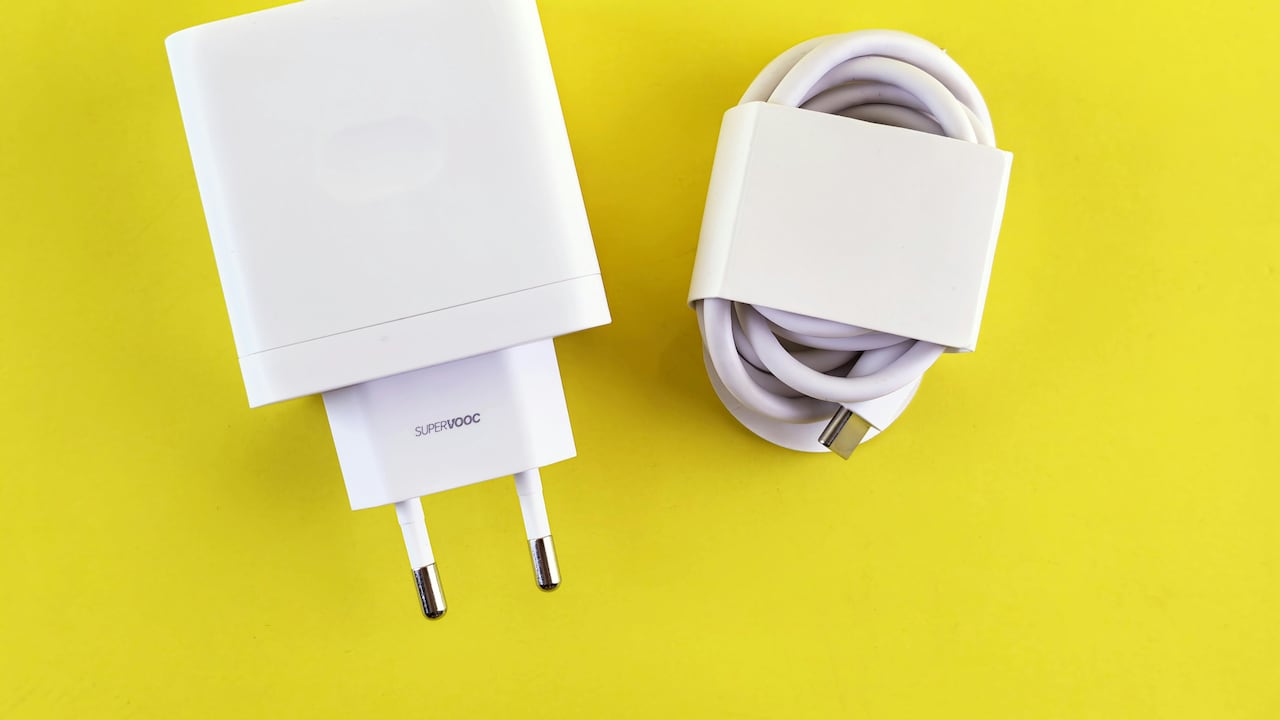
10 ways cheap cables can affect your charger and hamper its efficiency
A familiar scene unfolds every evening. A long day drains both energy and battery, and that "fast charger" comes to the rescue, or so it claims. Plug in, glance at the screen, and wait for that satisfying surge of percentage. Instead, the numbers inch upward like traffic on a Monday morning.
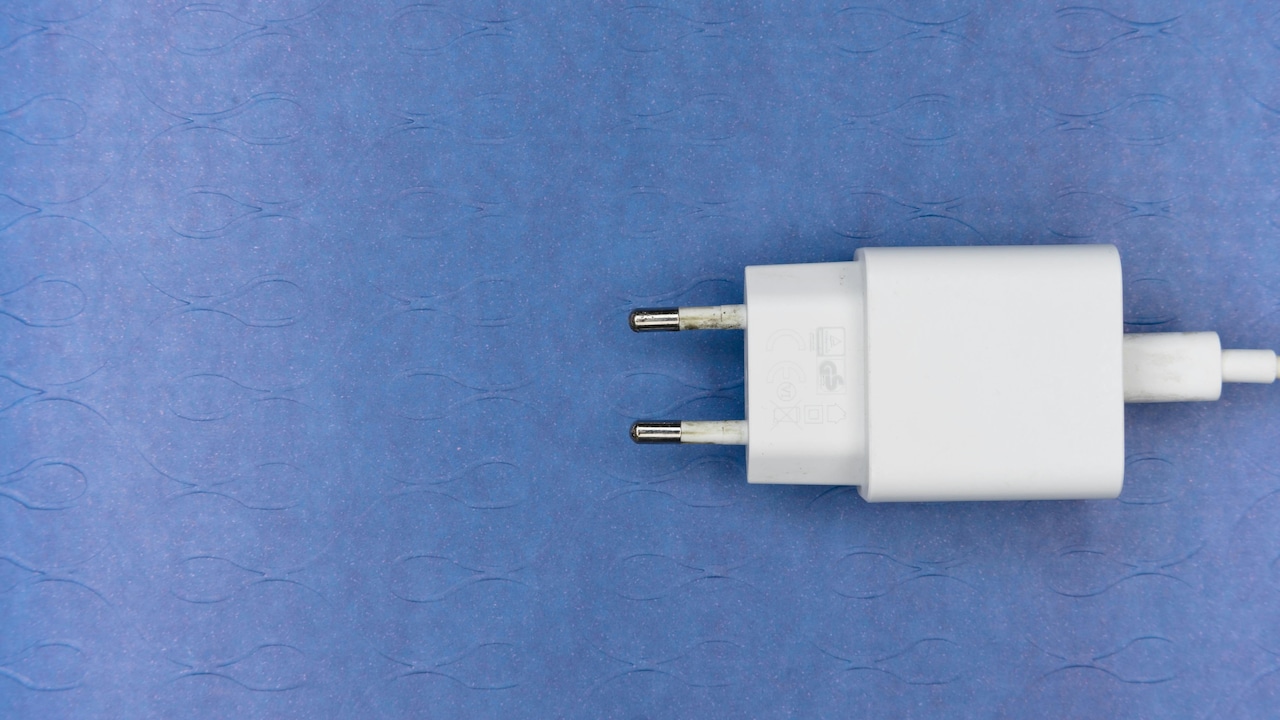
How cables can affect the performance of your fast charger; Photo Credit: Pexels
Blame usually falls on the charger brick or the phone. Rarely does anyone suspect the cable. It looks simple, feels ordinary, and often comes free in the box or costs a modest ₹200 at a roadside shop. Yet this unassuming wire plays a decisive role in charging speed.
Fast charging technology has advanced rapidly, but cables have not always kept pace in awareness. Beneath that plastic coating lies a complex interplay of wires, standards, and limitations. Ignore it, and even the best charger becomes mediocre.
The truth? A poor cable can quietly sabotage even the most powerful charging setup.
Also Read: Why Cheap Charging Cables Could Be Ruining Your Phone Battery And Their Premium Alternatives
The Real Reasons Your Fast Charger Isn't So Fast After All
Not All Cables Are Built The Same
At first glance, every charging cable appears identical. Same connectors, same length, same purpose. Yet beneath that uniform exterior lies a world of difference. Some cables support high-speed charging, while others barely manage basic power transfer.
Inside, the thickness of wires, the quality of materials, and the internal circuitry define performance. Premium cables include thicker copper wiring, allowing more current to flow efficiently. Cheaper ones cut corners, reducing cost but also capability.
That ₹150 cable from a local stall may look like a bargain, but it often lacks the ability to handle fast charging currents. The result? A sluggish charge that feels inexplicably slow.
The irony lies in the mismatch. A ₹2,000 fast charger paired with a low-quality cable behaves no better than a standard charger. The cable becomes the weakest link, quietly limiting everything else.
Consumers rarely consider this because cables feel secondary. Yet in reality, they act as the gatekeepers of power flow.
Fast Charging Needs Special Wiring
Fast charging is not just about higher power; it requires precise communication between the charger and the device. The cable acts as the bridge in this conversation.
Modern fast charging standards push higher voltage and current. This demands cables that can safely carry increased electrical load. Without proper wiring, the system automatically reduces speed to prevent overheating or damage.
That is why some cables explicitly mention support for 60W, 100W, or even higher. These ratings indicate how much power they can handle. Using a lower-rated cable forces the charger to step down its output.
Imagine trying to fill a large bucket through a narrow pipe. No matter how strong the water pressure, the flow remains restricted. The same principle applies here.
Many users unknowingly use outdated or low-capacity cables with new fast chargers. The charger is ready, the phone is capable, but the cable quietly says, “Not so fast.”
USB Standards Can Be Confusing
The world of USB cables is anything but simple. Terms like USB-A, USB-C, USB 2.0, USB 3.0, and Power Delivery create a maze that most people never explore.
USB-C cables, for example, can look identical but differ significantly in capability. Some support high-speed data transfer and fast charging, while others only handle basic functions.
A cable that supports USB 2.0 may still charge a phone, but it may not support the advanced protocols needed for fast charging. Meanwhile, a USB 3.1 or USB 4 cable offers better performance but often costs more.
This confusion leads many to pick the cheapest option available. Unfortunately, that decision often results in slower charging.
Understanding these standards may seem technical, but the impact is very real. A mismatched cable can reduce charging speed dramatically, even if everything else in the setup is top-tier.
Length Matters More Than Expected
Long cables offer convenience. Charging from across the room or while lounging on the sofa feels comfortable. However, longer cables often come with a hidden cost.
As cable length increases, electrical resistance also rises. This reduces the efficiency of power delivery. The result is slower charging, even with a fast charger.
A 1-metre cable typically performs better than a 2-metre one. The difference may seem small, but over time it adds up, especially when charging large batteries.
This becomes noticeable during quick top-ups. A shorter cable might push the battery from 20% to 50% quickly, while a longer one struggles to keep up.
Convenience often wins over performance, but awareness can help strike a balance. Choosing a high-quality long cable can reduce this issue, though it may cost a bit more.
Cheap Cables Often Skip Safety Features
Safety rarely becomes a priority when buying cables, yet it plays a crucial role. Quality cables include protective features that regulate power flow and prevent overheating.
Budget cables often lack these safeguards. They may not communicate properly with the charger or device, leading to inconsistent charging speeds.
In some cases, the system deliberately slows down charging to avoid potential risks. This protective behaviour can make it seem like the charger is underperforming.
Beyond speed, poor-quality cables can pose safety hazards. Overheating, short circuits, and even damage to devices become real concerns.
Spending ₹300–₹500 on a reliable cable often proves wiser than risking both performance and safety with a cheaper alternative.
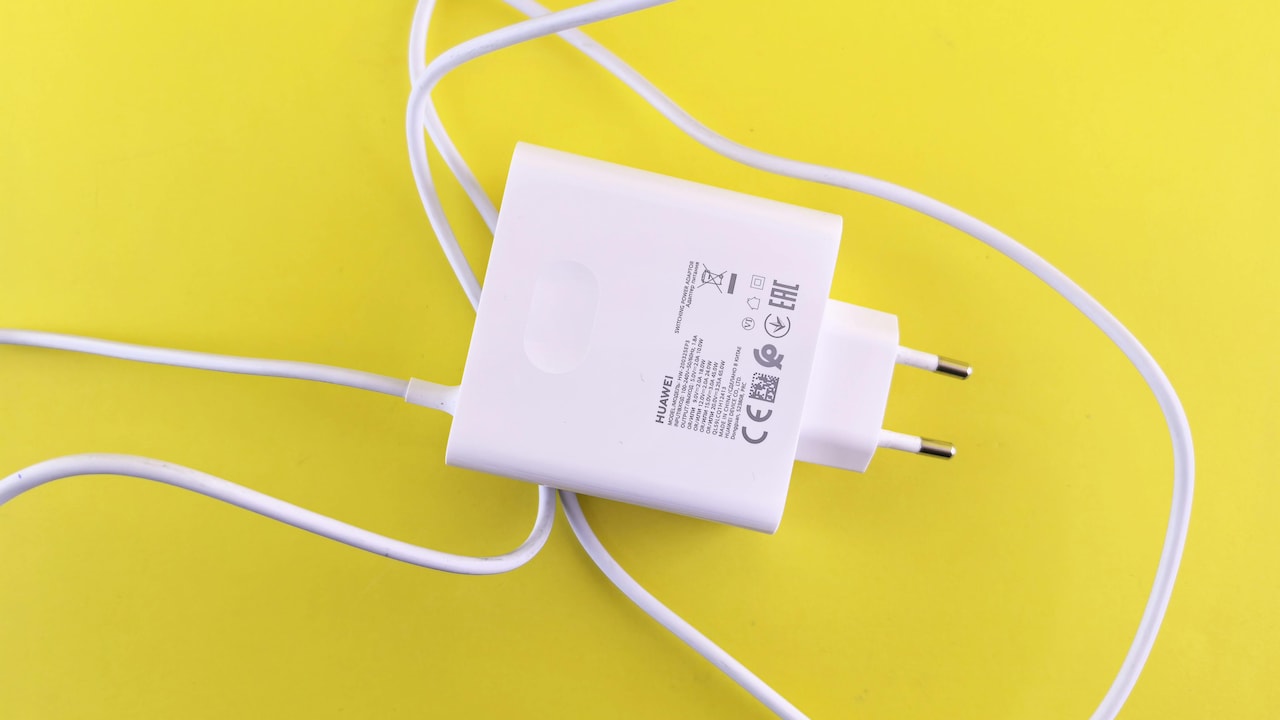
Cheap cables can cause inconistent charging speeds and overheating; Photo Credit: Pexels
Compatibility Issues Are Common
Different brands use different fast charging technologies. Some rely on proprietary systems, while others follow universal standards.
A cable that works perfectly with one brand may not deliver the same performance with another. Even if the connectors fit, the internal compatibility may differ.
This mismatch often leads to reduced charging speeds. The device and charger fail to communicate optimally, forcing a fallback to slower modes.
Many users mix and match chargers and cables from various devices. While convenient, this approach often compromises performance.
Understanding compatibility ensures better results. Using cables designed for the specific charging standard of a device can significantly improve charging speed.
Wear And Tear Reduce Efficiency
Cables endure daily stress. Bending, twisting, and pulling gradually weaken their internal structure. Over time, this affects performance.
A worn-out cable may still charge a device, but not efficiently. Small breaks or damage inside the wire reduce the flow of electricity.
This leads to slower charging, intermittent connections, or even complete failure. The outer layer may look fine, but the inside tells a different story.
Regular inspection helps. Frayed edges, loose connectors, or inconsistent charging behaviour often signal that it's time for a replacement.
Replacing an old cable can sometimes feel like upgrading the charger itself. The difference in speed can be surprisingly noticeable.
Data Cables Vs Charging Cables
Not every cable is designed for fast charging. Some are primarily meant for data transfer, with limited power capabilities.
These cables can connect devices and transfer files effectively but fall short when it comes to delivering high current.
Using such a cable with a fast charger results in slower charging speeds. The system simply cannot push enough power through it.
Packaging often provides clues. Labels mentioning fast charging support, wattage ratings, or Power Delivery compatibility indicate better performance.
Ignoring these details often leads to disappointment. A cable that excels at transferring photos may not be ideal for powering a phone quickly.
Environmental Factors Play A Role
Temperature and surroundings also influence charging performance. Cables, like all electronic components, respond to environmental conditions.
High temperatures can increase resistance and reduce efficiency. Charging in a hot room or under direct sunlight often slows things down.
Dust and moisture can also affect connectors. A slightly dirty port can disrupt the connection, leading to slower charging speeds.
Keeping cables clean and using them in suitable conditions helps maintain performance. Small habits can make a noticeable difference.
Marketing Often Overshadows Reality
Fast chargers are marketed aggressively. Bold claims promise rapid charging, often overshadowing the role of the cable.
Consumers focus on wattage and brand names, assuming that higher numbers guarantee better performance. The cable rarely gets the spotlight.
This imbalance creates unrealistic expectations. When charging feels slow, frustration builds, even though the issue lies elsewhere.
Understanding the complete charging ecosystem changes the perspective. Charger, cable, and device must work together harmoniously.
Ignoring one component disrupts the entire system. The cable may be small, but its impact is anything but minor.
Products Related To This Article
1. Oakter 65W Fast Charger | Type-C Fast Charging Adapter for Laptop
2. Honeywell Zest Charger GaN 100W,Ultra-Fast Wall Charger with PPS Support
3. Kratos 65W Fast Charger Adapter & USB-A to Type C Cable Combo
4. BAVE 65W Supervooc Charger USB-A Power Adapter with Cable
5. Portronics Adapto 45 22.5 W Mobile Charger Adapter with Dual Port
Fast charging feels like modern magic. A quick plug-in promises hours of usage within minutes. Yet when reality falls short, the frustration feels equally intense.
The solution often lies in something simple and overlooked, the cable. It determines how efficiently power travels from the charger to the device. Ignore its quality, and even the best charger struggles to perform.
Choosing the right cable does not require technical expertise. A bit of awareness, attention to specifications, and willingness to invest slightly more can transform the charging experience.
Next time a phone charges slowly, pause before blaming the charger or device. Take a closer look at the cable. That modest wire might be the silent culprit all along.
(Disclaimer: This article may include references to or features of products and services made available through affiliate marketing campaigns. NDTV Convergence Limited (“NDTV”) strives to maintain editorial independence while participating in such campaigns. NDTV does not assume responsibility for the performance or claims of any featured products or services.)