The Hidden Cost Of Cheap Charging Cables: Beyond Just Breaking
A cheap charging cable may seem like a steal at the roadside stall or online flash sale, but the true cost runs deeper than a frayed wire. From safety risks to hidden financial drain, cheap cables quietly chip away at both wallets and peace of mind.
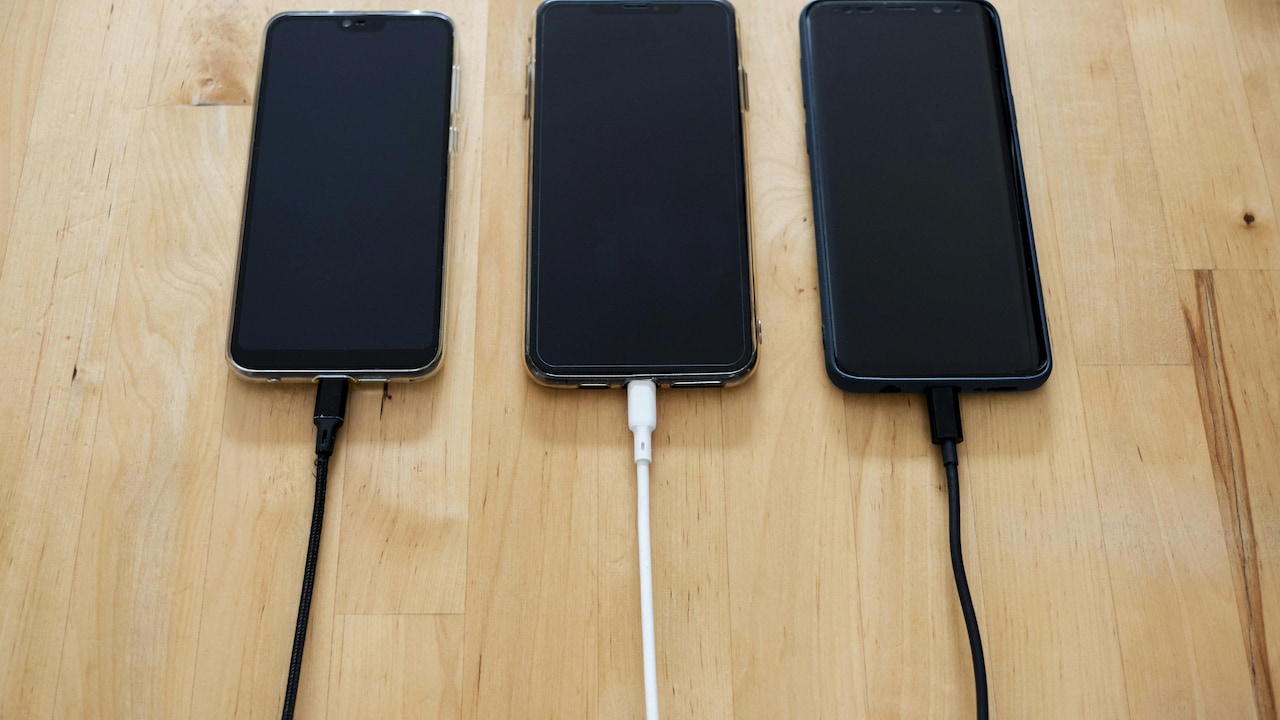
10 reasons why you should avoid cheap charging cables
Everyone has bought one. A charging cable picked up in a hurry at a traffic signal or tossed into an online cart because the price looked too good to ignore. After all, a cable is just a cable, right? It charges the phone, lights up the battery icon, and gets the job done.
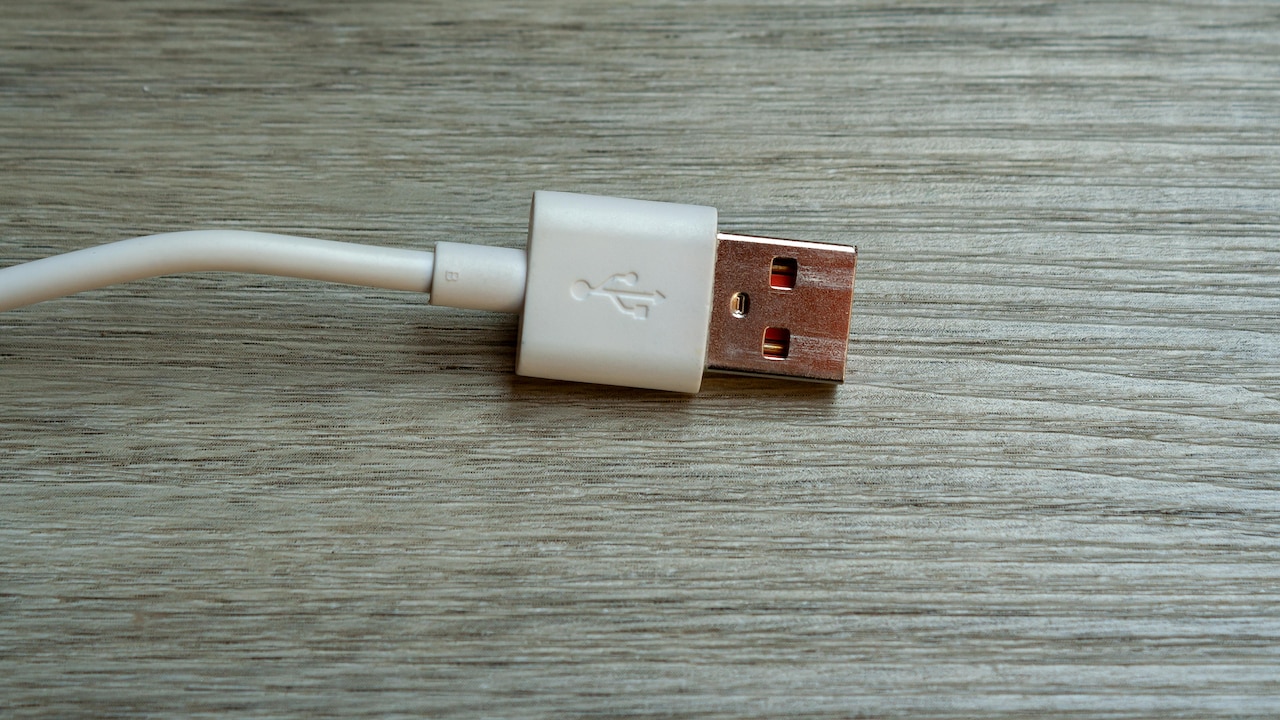
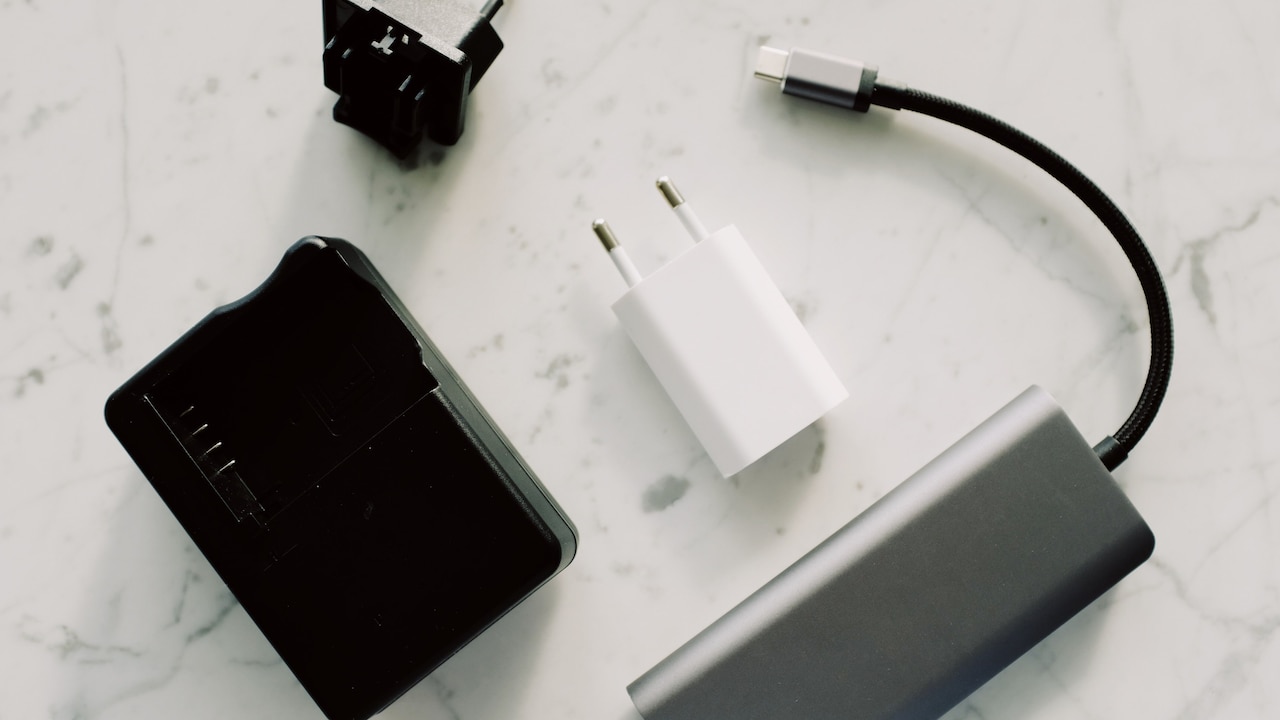
Disadvantages of using cheap charging cables; Photo Credit: Pexels
But the story rarely ends there. Within weeks, sometimes days, the outer layer begins to crack. The connection turns moody. The phone needs to be angled just right, balanced like a house of cards, to draw power. What seemed like a small saving quietly becomes a recurring expense, an inconvenience, and in some cases, a genuine hazard.
Cheap charging cables carry hidden costs that go far beyond their tendency to break. They affect device health, energy efficiency, personal safety, and even long-term spending habits. Beneath the plastic coating lies a story of compromises, ones that ripple through everyday life in ways often overlooked.
Also Read: Why Cheap Charging Cables Could Be Ruining Your Phone Battery And Their Premium Alternatives
Unpacking The Real Price Behind Everyday Charging Choices
The Illusion Of Saving Money
A ₹100 cable feels like a smart decision, especially when the original accessory costs ₹800 or more. The logic seems simple: why spend more when a cheaper option exists? But this is where the illusion begins.
Cheap cables rarely last. A single month of use, maybe two if luck stays kind, and then comes the inevitable replacement. Over a year, those “small savings” pile up. Five cables at ₹100 each already match the cost of one quality cable. And that calculation does not even include the time spent buying replacements or the frustration of sudden failures.
There is also the subtle habit it builds. Frequent replacements become normal. The idea of durability fades, replaced by a cycle of buying, breaking, and buying again. It feels harmless, almost routine, yet quietly drains money over time.
In the end, the cheaper option often turns out to be the more expensive one. Not in one big payment, but in many small, forgettable transactions that add up before anyone notices.
The Silent Damage To Devices
Phones and tablets may look sturdy, but their charging systems are surprisingly sensitive. Cheap cables often lack proper internal components that regulate voltage and current. That means power flows unevenly, sometimes too much, sometimes too little.
This inconsistency takes a toll. Batteries degrade faster. Charging ports loosen or wear out. A device that should last years begins to show signs of ageing much sooner. The phone heats up more than usual, or the battery drains quicker despite regular charging.
Repairing these issues rarely comes cheap. A damaged charging port alone can cost ₹1,500 or more to fix. Suddenly, that ₹100 cable no longer feels like a bargain.
The real problem lies in what cannot be seen. Internal wear builds slowly. There is no dramatic moment, no clear warning. Just a gradual decline in performance that often gets blamed on the device itself, rather than the cable quietly causing harm.
Safety Risks That Go Unnoticed
A frayed cable might look like a minor inconvenience, but it can turn dangerous. Poor insulation exposes wires, increasing the risk of electric shocks. In extreme cases, overheating can lead to sparks or even small fires.
Stories of devices catching fire while charging often trace back to substandard accessories. Cheap cables lack the safety certifications and protective mechanisms found in higher-quality alternatives. They cut corners in materials and design, leaving little margin for error.
Even a simple overnight charge can become risky. A cable overheating under a pillow or on a mattress creates conditions that no one wants to imagine.
Safety often feels like a distant concern, something that happens to others. Yet the risk sits quietly in everyday routines. A cable plugged in beside the bed, used without a second thought, carries more responsibility than it appears to.
Choosing quality is not just about performance. It is about peace of mind, knowing that a basic daily habit does not carry hidden dangers.
The Frustration Of Inconsistent Charging
There is a special kind of irritation reserved for a cable that only works at a certain angle. The phone charges if placed just right, perhaps propped against a book or held in place with a pillow. Move it slightly, and the connection disappears.
This inconsistency disrupts daily life more than expected. Calls get missed because the battery did not charge overnight. Navigation apps shut down mid-journey. Even simple tasks become stressful when battery levels cannot be trusted.
Cheap cables often struggle with stable connections due to weak connectors and poor internal wiring. They may charge slowly, or not at all, depending on how they are positioned.
Over time, this unpredictability erodes trust. Charging a device should feel effortless, almost invisible. Instead, it becomes something to monitor and manage, adding unnecessary friction to everyday routines.
The cost here is not just financial. It is the constant low-level annoyance that builds with every unreliable charge.
Impact On Charging Speed
Fast charging has become a standard feature, yet cheap cables rarely support it properly. They may claim compatibility, but lack the internal capacity to handle higher power levels.
As a result, charging times stretch. A phone that should reach 50% in 30 minutes might take over an hour. During busy days, this difference matters. A quick top-up before heading out turns into a waiting game.
Time, in many ways, becomes the hidden currency here. Minutes lost each day add up over weeks and months. The inconvenience quietly accumulates, often unnoticed until compared with a proper cable.
There is also the risk of overheating when a cable tries to handle more power than it can safely manage. This not only slows charging but also adds stress to both the cable and the device.
A faster, safer charging experience often depends on something as simple as a well-made cable. It is a small upgrade with a surprisingly large impact.
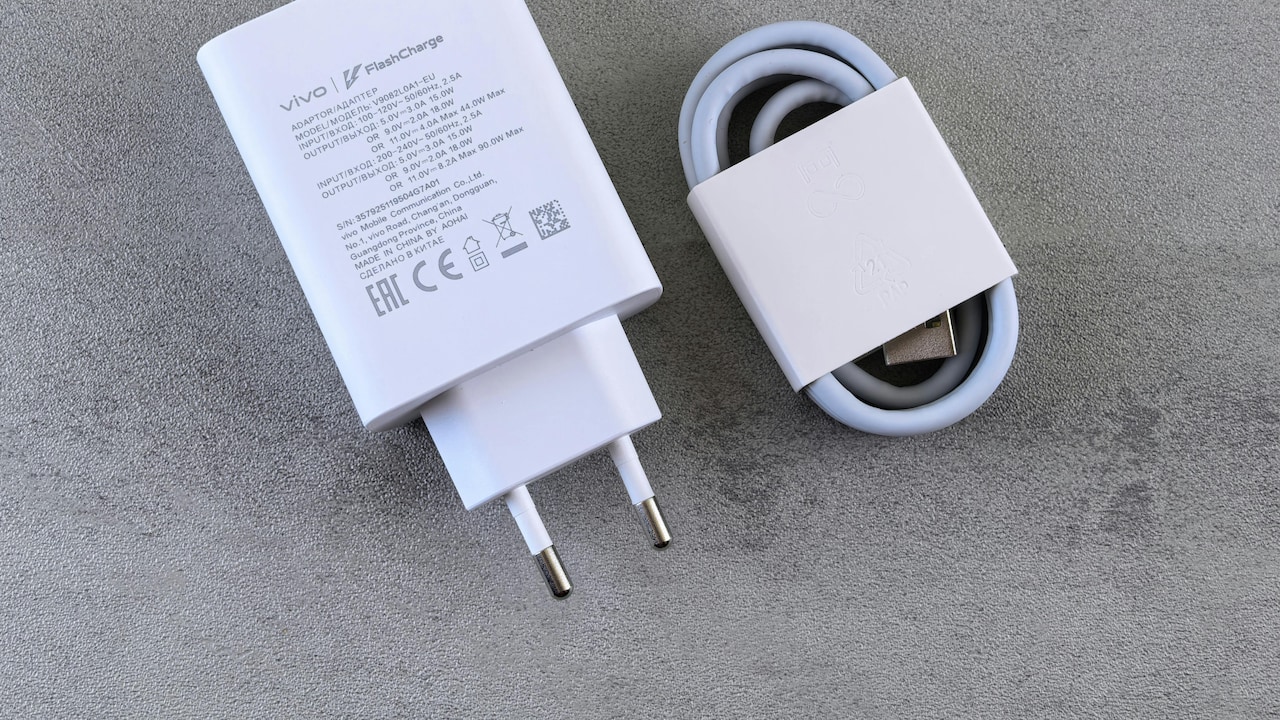
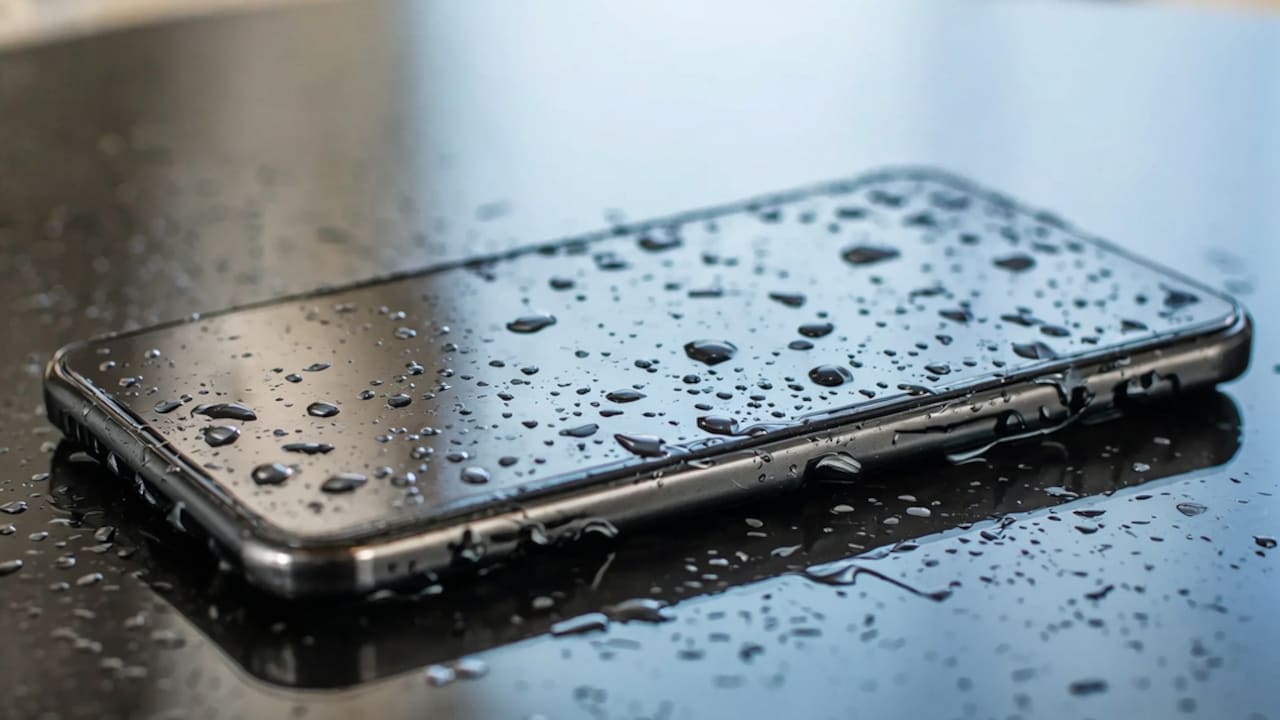
Cheap charging cables can impact the charging speed; Photo Credit: Pexels
Environmental Cost Of Frequent Replacement
Each broken cable adds to a growing pile of electronic waste. These cables, made from plastic and metal, rarely get recycled properly. Most end up in landfills, contributing to environmental strain.
The cycle of buying cheap and replacing often creates more waste than expected. One cable might seem insignificant, but multiplied across households and cities, the impact becomes substantial.
Durable cables reduce this cycle. They last longer, require fewer replacements, and generate less waste over time. It is a small shift in habit that carries broader benefits.
There is also a sense of responsibility involved. Everyday choices, even something as simple as a charging cable, shape the environment in quiet ways.
Opting for quality is not just about personal convenience. It reflects a broader awareness of how small decisions connect to larger consequences.
Hidden Compatibility Issues
Not all cables are created equal when it comes to compatibility. Cheap options often fail to meet the specific requirements of different devices. This leads to issues like slow charging, data transfer failures, or complete incompatibility.
Some cables may not support software updates or file transfers properly. A simple task like connecting a phone to a laptop becomes frustrating, with repeated disconnections or failed transfers.
Devices today rely on precise communication between hardware components. Poorly made cables disrupt this communication, leading to unexpected behaviour.
This lack of compatibility often goes unnoticed until something important needs to be done. A last-minute file transfer or urgent update can turn into a stressful experience.
Quality cables, on the other hand, ensure seamless interaction between devices. They remove uncertainty and allow technology to function as intended, without unnecessary complications.
The Psychological Cost Of “Temporary Fixes”
There is a certain mindset that comes with buying cheap accessories. It becomes acceptable to settle for temporary solutions. A cable that works “for now” feels good enough.
Over time, this approach seeps into other areas. Small compromises become normal. Instead of seeking lasting solutions, quick fixes take priority.
This mindset carries a subtle psychological cost. It creates a pattern of accepting inconvenience, of adjusting to things that should work better.
A reliable cable, though simple, offers a different experience. It works without effort, without adjustment. It quietly reinforces the idea that some things are worth doing properly.
In this way, even a small purchase can influence broader habits. It shapes expectations, standards, and the way everyday problems get approached.
Brand Trust And Accountability
Established brands invest in quality control, safety testing, and customer support. Cheap, unbranded cables often lack this accountability. If something goes wrong, there is no clear recourse.
A cable from a recognised brand comes with a level of assurance. It meets certain standards, performs consistently, and offers support if needed.
This trust extends beyond the product itself. It reflects a commitment to reliability and user safety.
Unbranded cables, on the other hand, operate in a space where corners are often cut to reduce costs. Materials may be inferior, and testing minimal.
The difference becomes clear over time. A branded cable may cost more upfront, but offers a smoother, safer experience. It reduces uncertainty and provides a sense of reliability that cheap alternatives struggle to match.
Products Related To This Article
1. Duracell USB Lightning Apple Certified
2. Ringke USB 3.2 Gen 2x2 USB-C Compatible with Type-C
3. Apple 240W USB-C Charge Cable
4. Anker Type C to Type C 100W Flow Cable
5. Noise Power Series 100W USB C to USB C Cable
A charging cable may seem like a small, everyday object, easily overlooked and quickly replaced. Yet its impact reaches further than expected. From financial costs and device health to safety and environmental concerns, the true price of cheap cables unfolds gradually.
What begins as a simple attempt to save ₹500 can lead to repeated expenses, hidden damage, and daily frustration. The cycle of replacing and adjusting becomes so familiar that it rarely gets questioned.
Breaking free from this pattern does not require drastic change. It starts with recognising the value of durability, safety, and reliability in even the smallest purchases. A well-made cable may cost more at the start, but offers consistency, peace of mind, and long-term savings.
In a world filled with quick deals and tempting prices, the real challenge lies in looking beyond the immediate bargain. Because sometimes, the cheapest option carries the highest cost, just not in ways that are obvious at first glance.
(Disclaimer: This article may include references to or features of products and services made available through affiliate marketing campaigns. NDTV Convergence Limited (“NDTV”) strives to maintain editorial independence while participating in such campaigns. NDTV does not assume responsibility for the performance or claims of any featured products or services.)