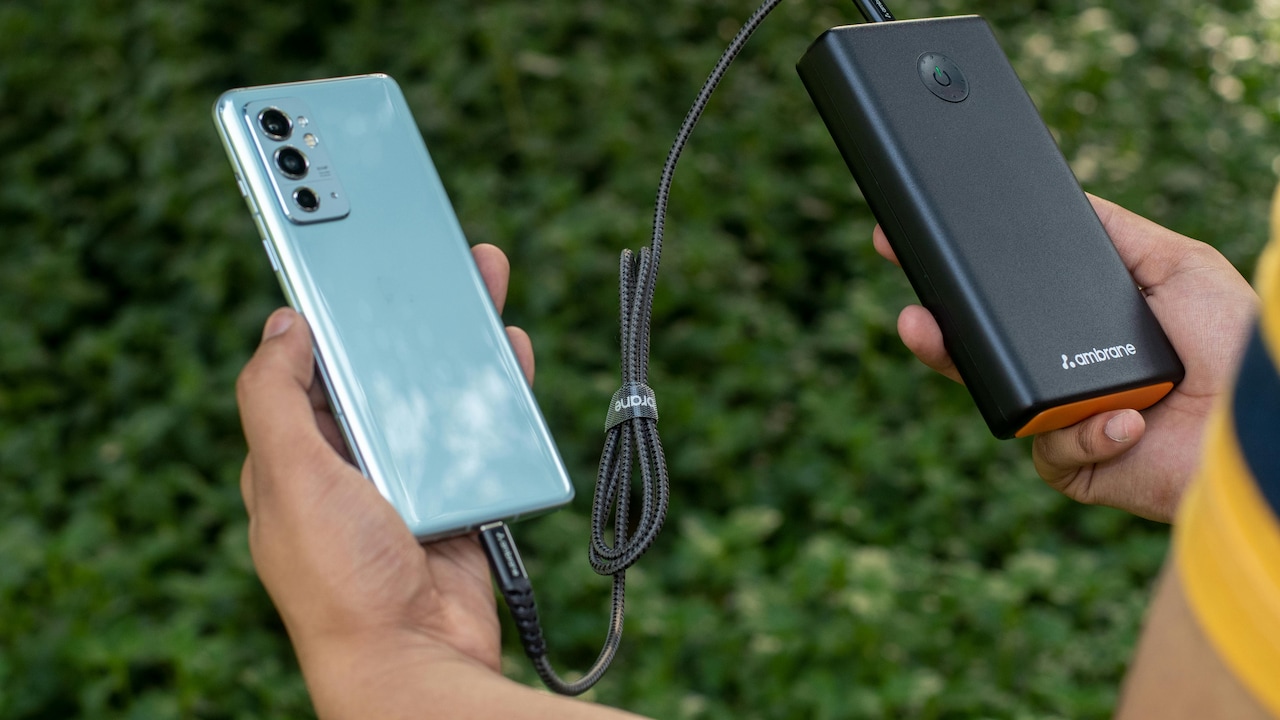
Fast Charging Damaging Battery? Myth vs Reality Explained
Does fast charging ruin your phone’s battery, or is it just a myth? This article breaks down the science, clears common doubts, and explains how charging habits really affect battery life.
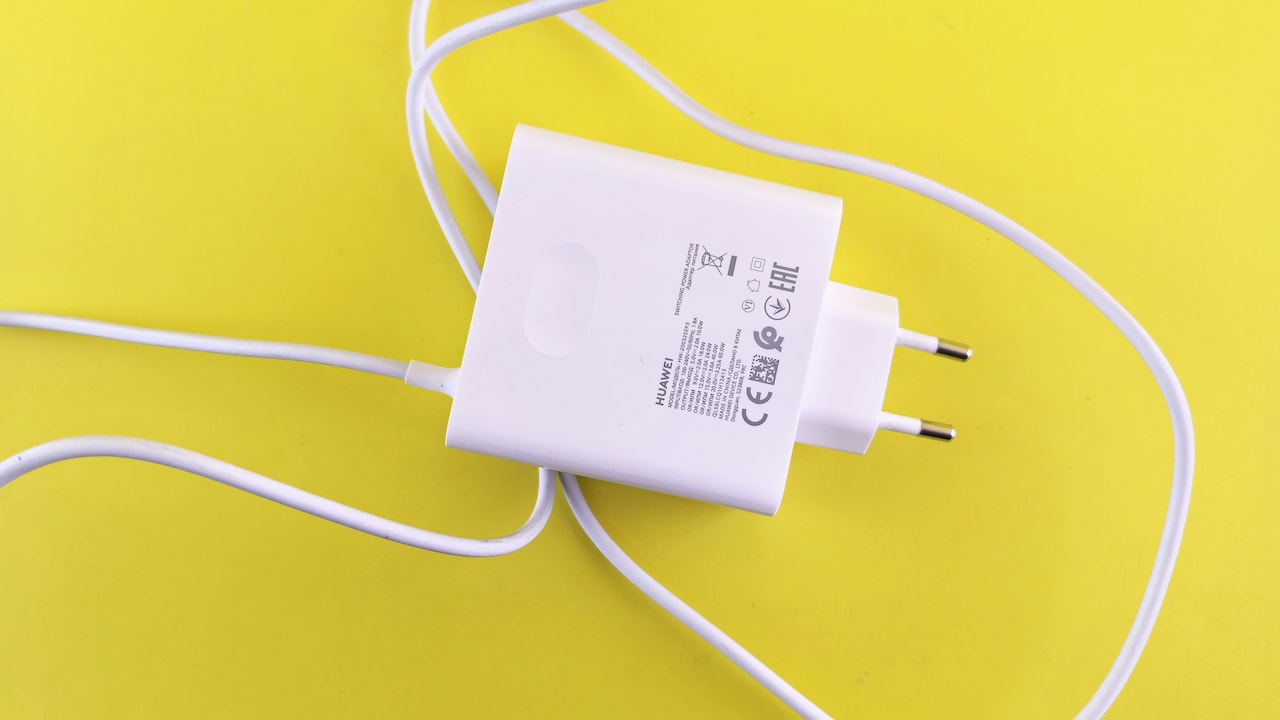
Fast Charging And Battery Life: Truth, Myths And What Really Matters
The modern smartphone rarely leaves one's side. From booking cabs to paying ₹200 for a late-night snack, it quietly powers everyday life. Naturally, the moment the battery dips below 20%, a sense of urgency creeps in. Fast charging feels like a blessing, plug in for 20 minutes, and the phone is ready again. Yet, whispers of doubt linger. Friends warn that fast charging “kills the battery”. Tech forums overflow with conflicting advice. Some insist on slow charging overnight, while others swear by fast chargers. The confusion is real.
Understanding the truth requires moving beyond hearsay. Batteries have evolved, charging technology has advanced, and usage patterns have changed. What once held for older devices may no longer apply today. This article unpacks the science and the myths, offering clarity without jargon.
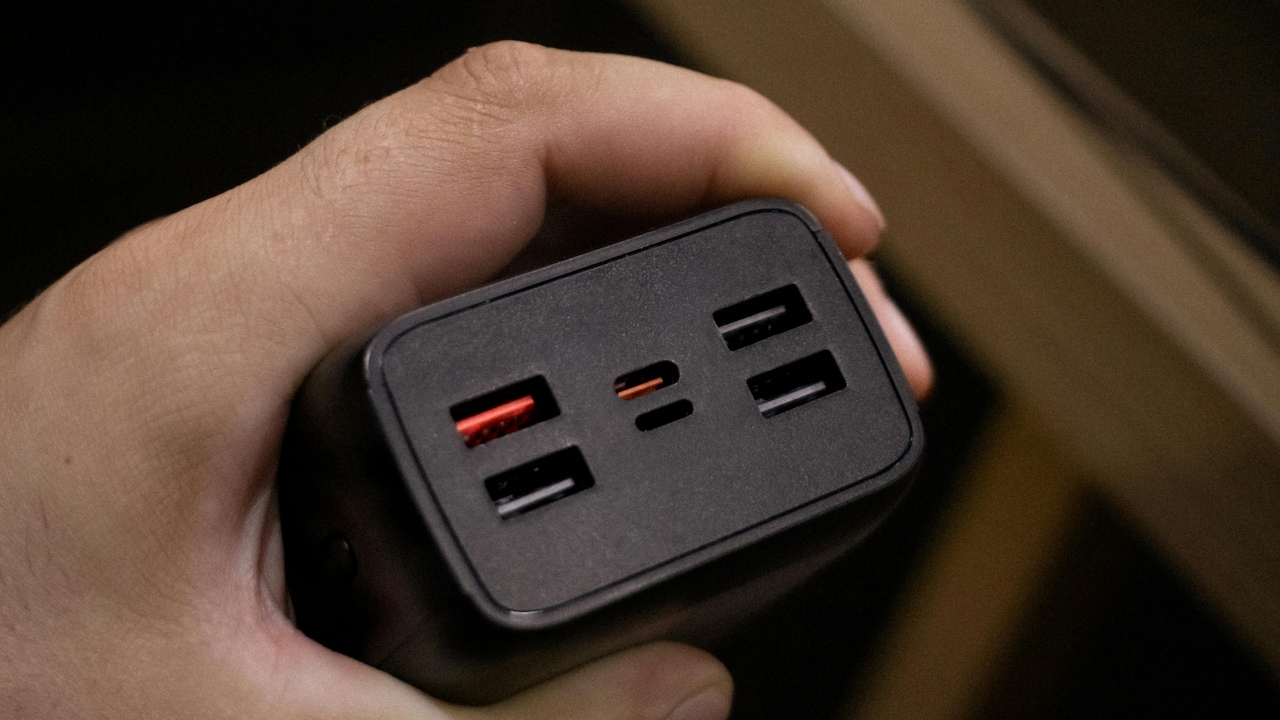
Fast Charging And Battery Life: Truth, Myths And What Really Matters; Photo Credit: Pexels
The Truth Behind Fast Charging: Myths And Realities Uncovered
What Exactly Is Fast Charging
Fast charging sounds self-explanatory, yet the mechanics behind it often get overlooked. At its core, fast charging increases the power delivered to the battery, allowing it to fill up more quickly. Instead of the usual trickle of energy, the charger pushes a higher current during the initial phase.
Modern smartphones rely on lithium-ion batteries. These batteries accept energy in stages. During the early phase, they can safely handle higher power, which is where fast charging shines. As the battery nears full capacity, the system automatically slows down to prevent stress.
This intelligent adjustment is key. Charging speed is not constant; it adapts. That is why a phone may jump from 10% to 50% in minutes, but take longer to move from 80% to 100%.
In simple terms, fast charging is not reckless speed. It is controlled acceleration, guided by built-in safety systems designed to protect the battery while saving time.
Also Read: Top 7 20000 mAh Power Banks Under 1,500 That Charge Fast From Portronics, Ambrane, Kratos to pTron
The Myth: Fast Charging Always Damages Batteries
The belief that fast charging damages batteries likely comes from older technologies. In the past, excessive heat and uncontrolled charging could indeed reduce battery life. That memory has stuck around, even though the technology has changed.
Modern smartphones come equipped with sophisticated battery management systems. These systems monitor temperature, voltage, and current in real time. If anything seems off, the charging speed adjusts instantly.
Think of it like driving on a highway with speed sensors. The car moves fast when the road is clear, but slows down when needed. Similarly, the phone regulates charging based on conditions.
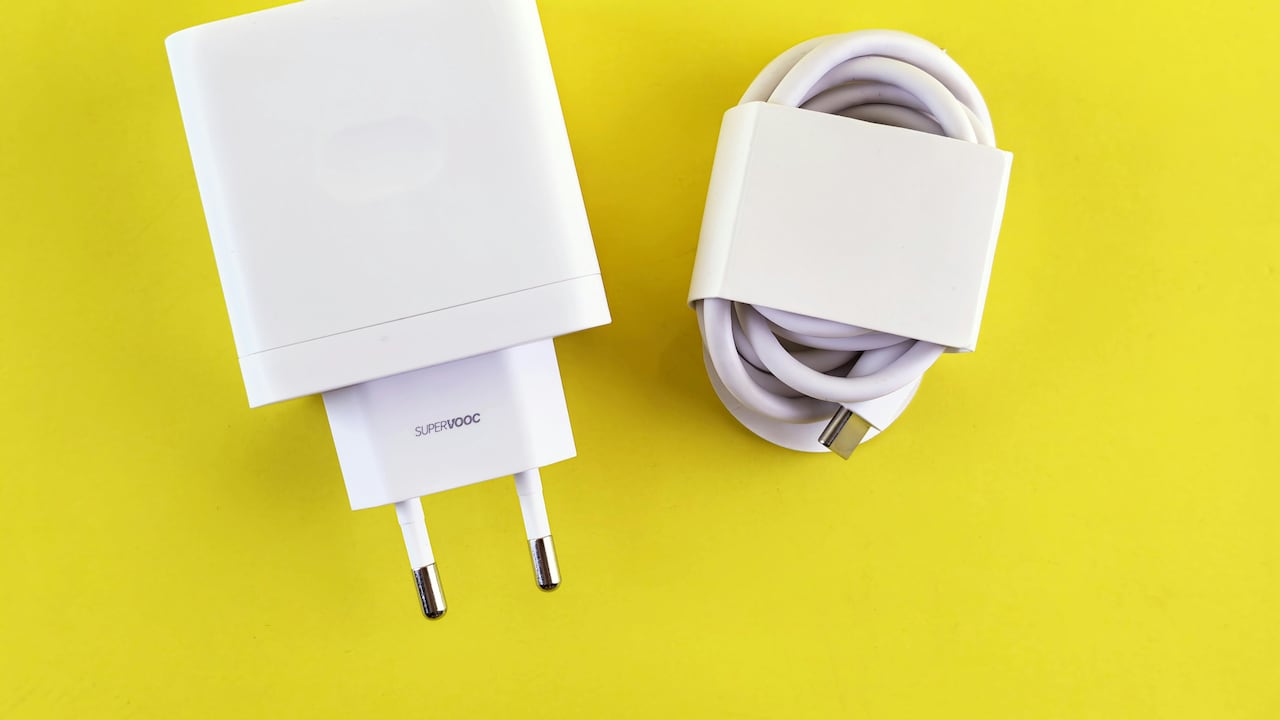
Using an official charger ensures compatibility and safety. Problems usually arise when cheap, uncertified chargers enter the picture. Saving ₹500 on a charger might seem smart until it risks a device worth ₹20,000 or more.
Fast charging itself is not the villain. Poor-quality accessories and misuse often create the problems people blame on the technology.
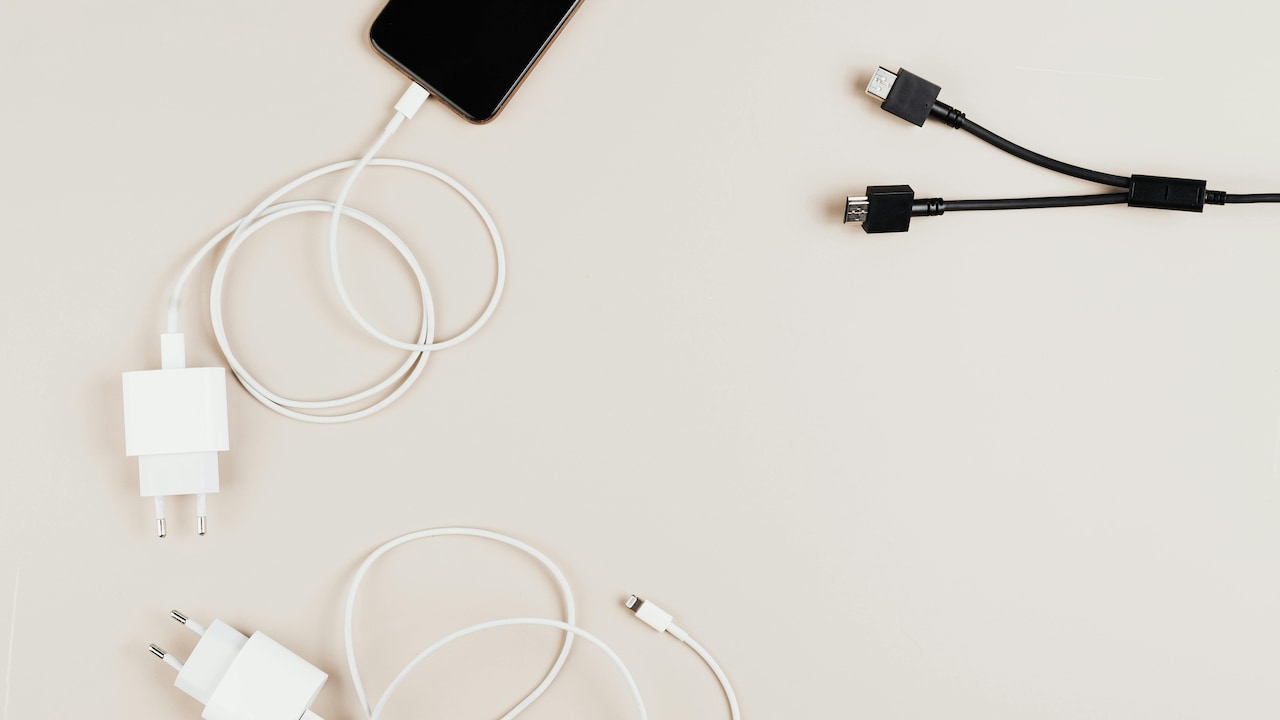
Fast Charging And Battery Life: Truth, Myths And What Really Matters; Photo Credit: Pexels
Heat: The Real Enemy Of Battery Health
If there is one factor that genuinely affects battery health, it is heat. Lithium-ion batteries dislike high temperatures. Excessive heat accelerates chemical reactions inside the battery, leading to gradual wear.
Fast charging can generate heat, but modern devices manage it carefully. Built-in sensors monitor temperature and adjust charging speed accordingly. Some phones even pause charging if the device becomes too warm.
However, user habits can make things worse. Charging a phone while gaming, watching videos, or keeping it under a pillow traps heat. That combination stresses the battery far more than fast charging alone.
Consider a typical scenario. A phone plugged in during a long video call on a warm afternoon. The device heats up, and the battery experiences strain. In this case, the issue is not just fast charging but the surrounding conditions.
Managing heat is simple. Charge in a cool place, avoid heavy usage during charging, and remove thick covers if necessary. These small habits protect the battery more effectively than avoiding fast charging altogether.
Battery Cycles Matter More Than Charging Speed
Battery lifespan depends on charge cycles, not just charging speed. A charge cycle refers to using 100% of the battery's capacity, whether in one go or across multiple sessions.
Fast charging does not significantly increase the number of cycles. What matters is how often the battery goes from full to empty. Frequent deep discharges put more strain on the battery than partial top-ups.
In fact, modern advice leans towards keeping the battery between 20% and 80%. This range reduces stress and extends longevity. Fast charging fits perfectly into this pattern because it allows quick top-ups without waiting for a full cycle.
Picture a daily routine. A quick 15-minute charge before leaving home, another short boost during lunch, and a final top-up in the evening. This approach keeps the battery healthy and avoids unnecessary full discharges.
The focus should shift from charging speed to charging habits. How and when a phone is charged matters far more than how fast it charges.
Smart Charging Technology Has Evolved
Battery technology has not stood still. Over the years, manufacturers have introduced smarter charging systems that learn user behaviour.
Some phones now delay charging beyond 80% overnight and complete it just before morning alarms. This prevents the battery from staying at full charge for long periods, which can cause wear over time.
Adaptive charging systems also adjust based on usage patterns. If a phone detects frequent short charging sessions, it optimises the process to reduce stress.
These advancements reflect a deeper understanding of battery chemistry. Instead of leaving users to manage everything manually, devices now handle much of the work.
The result is a more forgiving experience. Even if fast charging is used daily, the phone quietly manages the process in the background. It is no longer a fragile system that demands constant attention.
Cheap Chargers: The Hidden Risk
Not all chargers are created equal. While fast charging itself is safe, using low-quality or counterfeit chargers introduces real risks.
Cheap chargers often lack proper voltage regulation. They may deliver inconsistent power, leading to overheating or long-term battery damage. Some even pose safety hazards.
Investing in a reliable charger may cost a bit more upfront, perhaps ₹1,000 instead of ₹300, but it protects both the device and the user. Official or certified chargers undergo testing to ensure compatibility with specific devices.
Cable quality also matters. A damaged or substandard cable can disrupt power flow, causing inefficiencies and heat.
The takeaway is straightforward. Fast charging works best when paired with trusted accessories. Cutting corners on chargers often leads to the very problems people blame on fast charging.
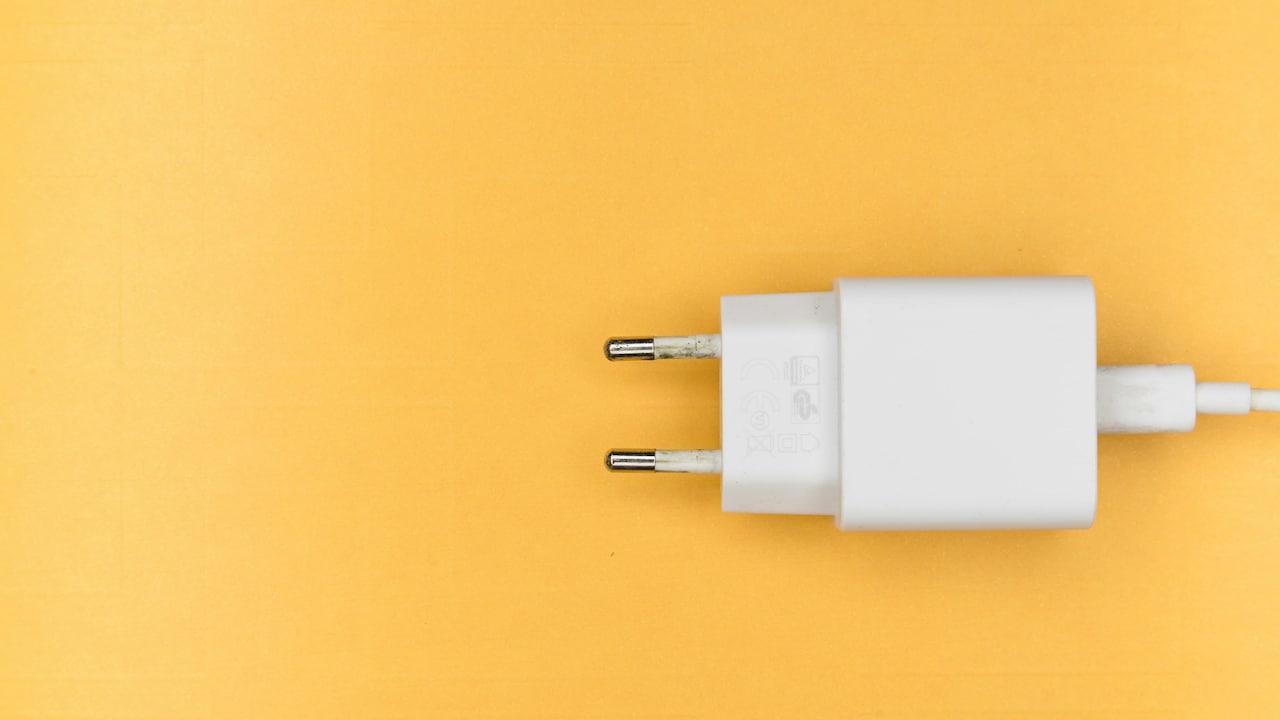
Fast Charging And Battery Life: Truth, Myths And What Really Matters; Photo Credit: Pexels
Does Overnight Charging Harm The Battery
Overnight charging often gets blamed alongside fast charging, yet modern smartphones handle this scenario quite well. Once the battery reaches 100%, the charging process slows down or stops entirely.
Smart systems prevent overcharging by maintaining a stable charge rather than continuously pushing power. This reduces stress on the battery.
However, keeping the phone plugged in for long hours at full charge can still contribute to gradual wear. This is where adaptive charging features make a difference.
For most users, overnight charging remains convenient and safe. The key lies in using a reliable charger and avoiding excessive heat.
There is no need to wake up at 2 am to unplug the phone. Technology has moved beyond that level of micromanagement.
Fast Charging And Long-Term Battery Health
Over time, all batteries degrade. This is an unavoidable reality. The question is whether fast charging accelerates that process significantly.
Research suggests that while fast charging can introduce slightly more heat, the difference in long-term degradation remains minimal when proper safeguards are in place.
Daily habits play a bigger role. Frequent full discharges, exposure to high temperatures, and poor charging accessories cause more damage than fast charging itself.
Most users replace their phones within two to three years. Within this timeframe, the impact of fast charging remains relatively minor.
Instead of worrying about every charge, it makes more sense to focus on practical habits that extend battery life without adding inconvenience.
Real-Life Usage: Convenience Versus Caution
Fast charging thrives on convenience. It suits busy schedules, unexpected outings, and moments when the battery drops at the worst possible time.
Imagine stepping out for an evening plan with just 15% battery. A quick 20-minute charge can make the difference between staying connected and scrambling for a power bank.
Avoiding fast charging entirely for the sake of caution may not be practical. Technology exists to simplify life, not complicate it.
A balanced approach works best. Use fast charging when needed, rely on slower charging when convenient, and maintain healthy charging habits overall.
This balance ensures both convenience and longevity without unnecessary stress.
So, Myth Or Reality?
The idea that fast charging ruins batteries does not hold up under scrutiny. While it introduces higher power during charging, modern systems manage this process carefully.
The real threats to battery health come from heat, poor-quality accessories, and extreme charging habits. Fast charging, when used correctly, fits comfortably within safe limits.
It is a classic case of an outdated myth surviving in a world that has moved forward. Technology has adapted, but perceptions have lagged.
Understanding this distinction helps users make informed decisions without unnecessary fear.
Products Related To This Article
1. 45W SUPERVOOC Fast Charger with Type-C Cable
2. BAVE 65W Supervooc Charger USB-A Power Adapter with Cable
3. Elfora 4 in 1 Braided Fast Charging Cable 65W
4. Oakter 65W Fast Charger
5. DR VAKU® 65W Charger Type C Fast Adapter with Multi Port Dual PD Charging GaN Technology for MacBook Laptop
Fast charging has transformed how devices fit into daily routines. It offers speed without sacrificing safety, thanks to intelligent systems that monitor and regulate every step.
The fear surrounding fast charging often stems from outdated information or misuse. In reality, the technology has matured, making it both efficient and reliable.
A healthy battery depends more on everyday habits than on charging speed. Keeping devices cool, using quality accessories, and avoiding extreme usage patterns go a long way in preserving battery life.
Rather than avoiding fast charging, embracing it with awareness makes more sense. After all, a feature designed to save time should not become a source of worry. In the end, fast charging is not the enemy. Misunderstanding it is.
(Disclaimer: This article may include references to or features of products and services made available through affiliate marketing campaigns. NDTV Convergence Limited (“NDTV”) strives to maintain editorial independence while participating in such campaigns. NDTV does not assume responsibility for the performance or claims of any featured products or services.)