Silicone Vs Hard Phone Case: Which Handles Drop Better?
Confused between silicone and hard phone case? You need to compare grip, drop protection, and daily use to find which type handles accidental drops better.
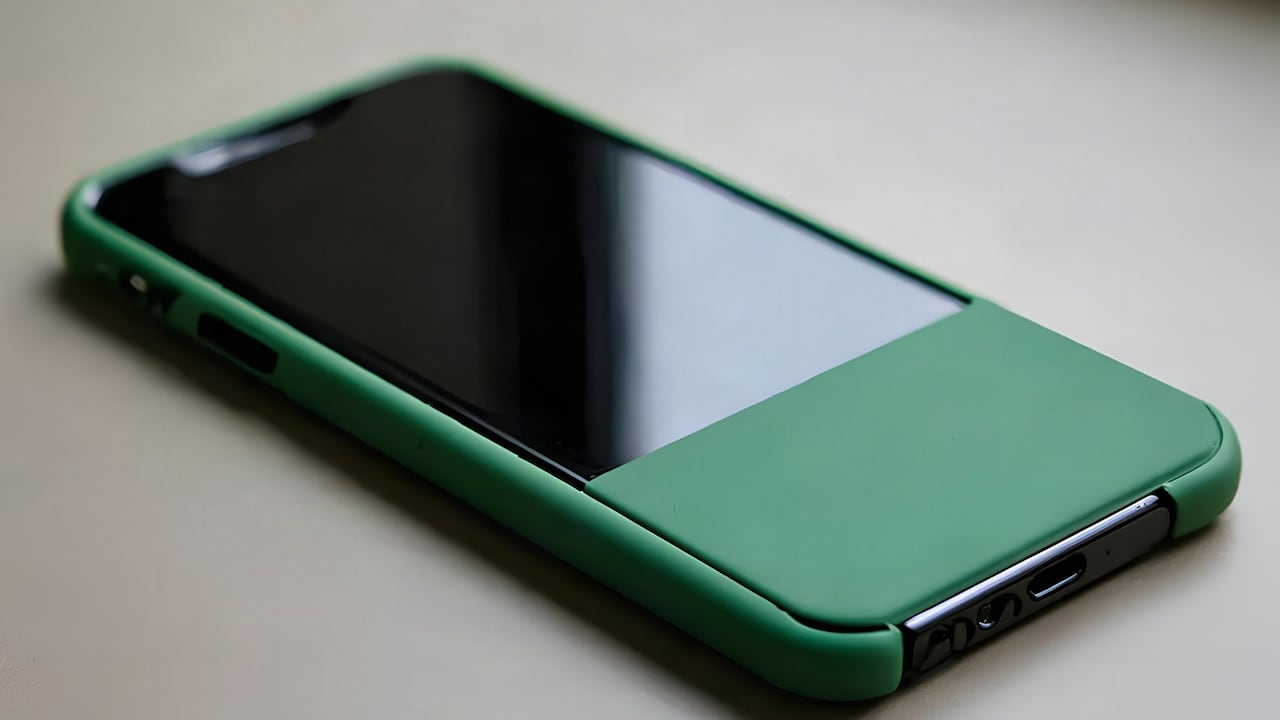
Silicone vs Hard Phone Case: Which Handles Drop Better?
A phone case is supposed to do one thing well: protect your phone when it slips, falls, or gets knocked around during daily use. Yet choosing between a silicone case and a hard case is not as simple as it looks. Both are popular, both can protect a phone, and both have strong supporters. The confusion usually starts with how these cases feel. A silicone case feels soft, grippy and slightly flexible. A hard case feels solid, smooth, and more structured. Many people assume the softer case must absorb shocks better, while many think the rigid shell gives stronger protection.
Is silicone or a hard case better for drop protection? Photo Credit: iStock
In real life, the answer is more balanced. Drop protection depends on the type of fall, the case design, and how securely you hold the phone. So, which one actually handles drops better? From understanding how each material reacts to impact to choosing the right case for your daily routine, here is a practical comparison based on everyday use rather than marketing claims.
Why Silicone And Hard Cases Protect Phones Differently
Silicone and hard cases deal with impact in two very different ways. A silicone case can compress slightly when it hits the ground. That small amount of flexibility helps absorb part of the shock before it reaches the phone itself. This is why silicone cases are often associated with better cushioning during small everyday drops.
A hard case does not compress very much. Instead, it spreads the force across the outer shell of the case. Good hard cases usually include raised edges around the screen and camera, and many also have reinforced corners to reduce the effect of stronger impacts.
The important thing to understand is that the material alone does not decide which case is safer. A thick, well-designed silicone case may protect better than a thin hard shell, while a strong hard case with reinforced corners may outperform a cheap silicone case.
Grip also plays a major role. A case that feels slippery is more likely to be dropped in the first place, which is why many people find silicone easier to hold securely during one-handed use.
Also Read: Top 5 Shockproof Phone Cases For Monsoon Outdoor Use Under ₹1000
How To Choose Between Silicone And Hard Cases
Choosing between silicone and hard cases becomes much easier when you focus on how you actually use your phone every day.
Step 1: Think About Grip Before Protection
Many accidental drops happen because the phone feels slippery in the hand. Silicone usually creates more friction against your fingers, so it often feels more secure while walking, texting or using the phone with one hand.
Hard cases can feel smoother, especially glossy ones. Some textured hard cases improve grip but they generally do not feel as secure as silicone during everyday use.
Step 2: Consider The Type Of Drops You Usually Experience
Most people do not drop their phones from great heights. The common accidents happen from waist height, a desk, a bedside table or a sofa.
In these situations, silicone cases often perform very well because the softer material absorbs part of the impact energy. Hard cases can also protect effectively, especially if they have good corner reinforcement and raised edges.
Step 3: Check The Raised Edges
For face-down drops, the raised edge around the screen is more important than whether the case is silicone or hard plastic. A taller bezel can help keep the display from touching the ground.
The same idea applies to camera protection. Look for a noticeable raised ring around the camera module rather than focusing only on the material.
Step 4: Pay Attention To Corner Protection
A phone rarely lands perfectly flat. It often hits a corner first, and that is usually the most dangerous type of drop.
Reinforced corners can improve protection whether the case is soft or firm, so the corner design is often more important than the material itself.
Step 5: Choose The Feel You Will Actually Use Every Day
Silicone feels softer and warmer in the hand. Hard cases feel firmer and more structured.
If a case feels uncomfortable or awkward, you may be tempted to remove it, which leaves the phone unprotected.
Common Silicone And Hard Case Mistakes People Make
Surprisingly, many protection problems come from the way people choose a case rather than from the material itself.
1. Assuming Soft Means Maximum Protection
A very thin silicone case may not provide strong impact protection, especially during harder drops.
2. Choosing The Slimmest Hard Case
Ultra-thin hard shells often focus more on keeping the phone slim than on providing serious drop protection.
3. Ignoring Grip
A slippery case can increase the chance of dropping the phone, even if the material itself is strong.
4. Keeping A Loose Case
If the case no longer fits nicely, that means protection is reduced because the phone can move inside the case during impact.
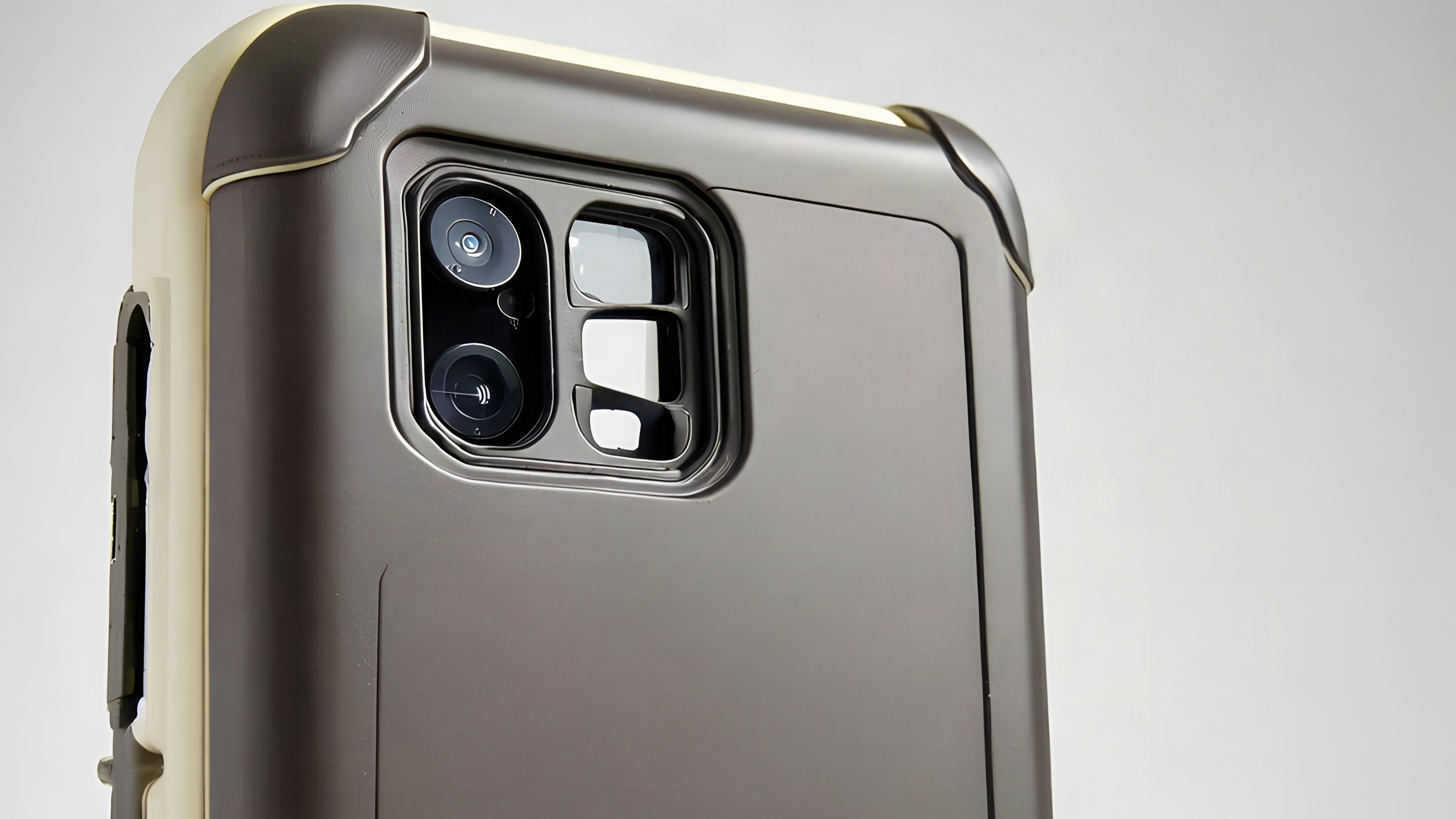
Do hard cases crack more easily? Photo Credit: iStock
Some Silicone And Hard Phone Cases You May Like
1. finista Suction phone case silicone back cover
2. DIZORO Liquid Silicone Case
3. AM7 Silicone Phone Case for iPhone 16, Grey
4. JGD PRODUCTS Magnetic Silicone Case
5. Baseus Crystal Phone Hard Case
6. Amazon Basics Hard PC Back Cover
7. Elzzi Magnetic Hard PC Back Cover
8. The GiftKart Hybrid Hard Back Cover Case
For small everyday drops, silicone-style cases are often great because they improve grip and absorb minor impacts. For stronger impacts, a well-designed hard case with reinforced corners can perform just as well or even better. Hence, many modern protective cases go for a hybrid design with soft TPU edges and a durable polycarbonate back. The soft bumper nicely absorbs shock at the corners. And the rigid back helps distribute impact forces and maintain structure. For most people, this hybrid approach offers the best balance of grip, comfort, and everyday drop protection. Shop now on Amazon.
Frequently Asked Questions (FAQs)
1. Is silicone or a hard case better for drop protection?
Neither is automatically better. Silicone absorbs impact and improves grip, while a well-designed rigid case can spread force and protect corners effectively.
2. Do hard cases crack more easily?
Very thin, hard cases can crack after repeated heavy impacts, but nice-quality hard cases are very long-lasting.
3. Do silicone cases become dirty?
They can attract lint and dust more easily than smooth, hard cases, but they are usually easy to clean with a damp cloth.
4. Which case is better for one-handed use?
Usually, silicone cases are much easier to hold with one hand because they provide more grip.
5. What is the safest option overall?
For many, hybrid cases with soft TPU edges and a hard back, it gives the best combo of grip, comfort and daily drop protection.
(Disclaimer: This article may include references to or features of products and services made available through affiliate marketing campaigns. NDTV Convergence Limited (“NDTV”) strives to maintain editorial independence while participating in such campaigns. NDTV does not assume responsibility for the performance or claims of any featured products or services.)