Earbuds With Transparency Mode Quietly Becoming Essential For Daily Commuters
Earbuds with transparency mode are becoming a must-have for daily commuters, blending music, calls, and real-world awareness without blocking important sounds during hectic travel.
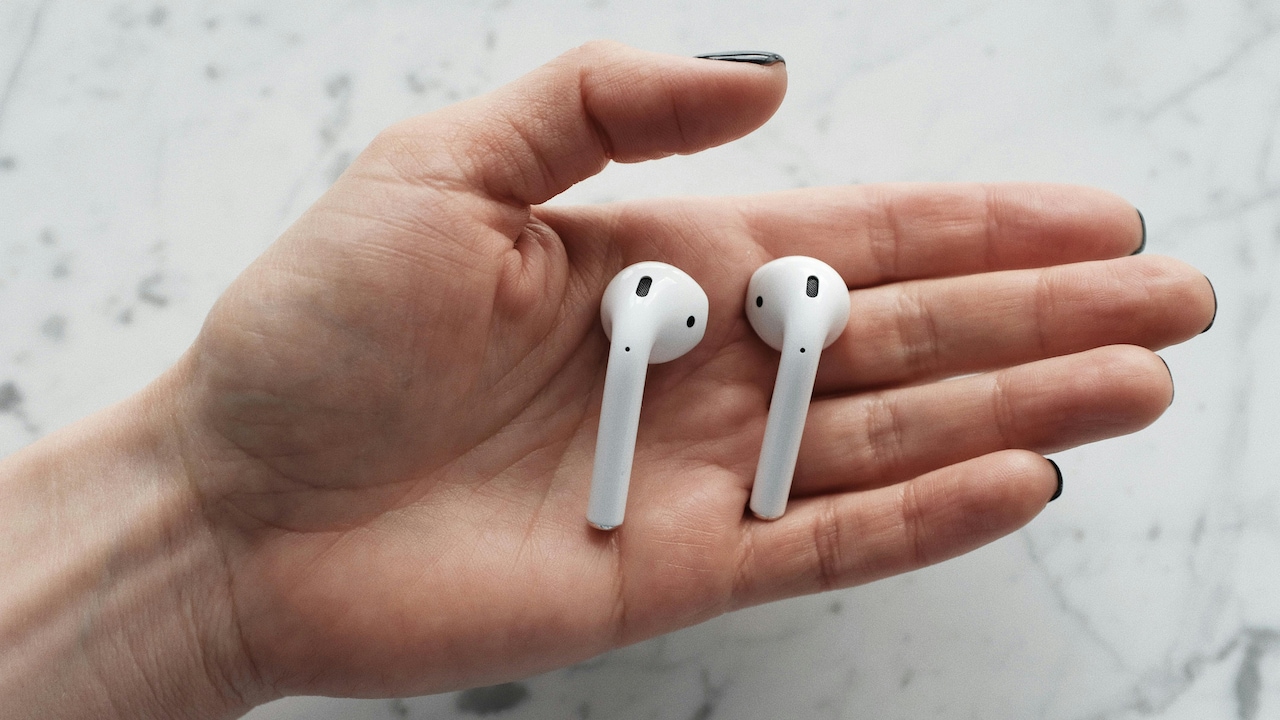
Benefits of transparency mode in earbuds
Daily commuting has evolved into a test of patience. A quick trip across town now feels like a mini expedition involving crowded buses, delayed metros, aggressive traffic, and enough noise to exhaust anyone before work even begins. Somewhere between squeezing into rush-hour coaches and balancing coffee cups near station gates, people started looking for small comforts that could make the journey manageable. Earbuds entered that space years ago, mostly for entertainment. Songs helped pass the time. Podcasts made traffic bearable. Calls became easier while navigating busy streets. But transparency mode changed the game entirely. Unlike traditional noise cancellation that shuts the world out, transparency mode lets outside sounds filter through naturally. That means hearing station announcements, bike horns, or someone calling out from behind without removing the earbuds every five minutes.
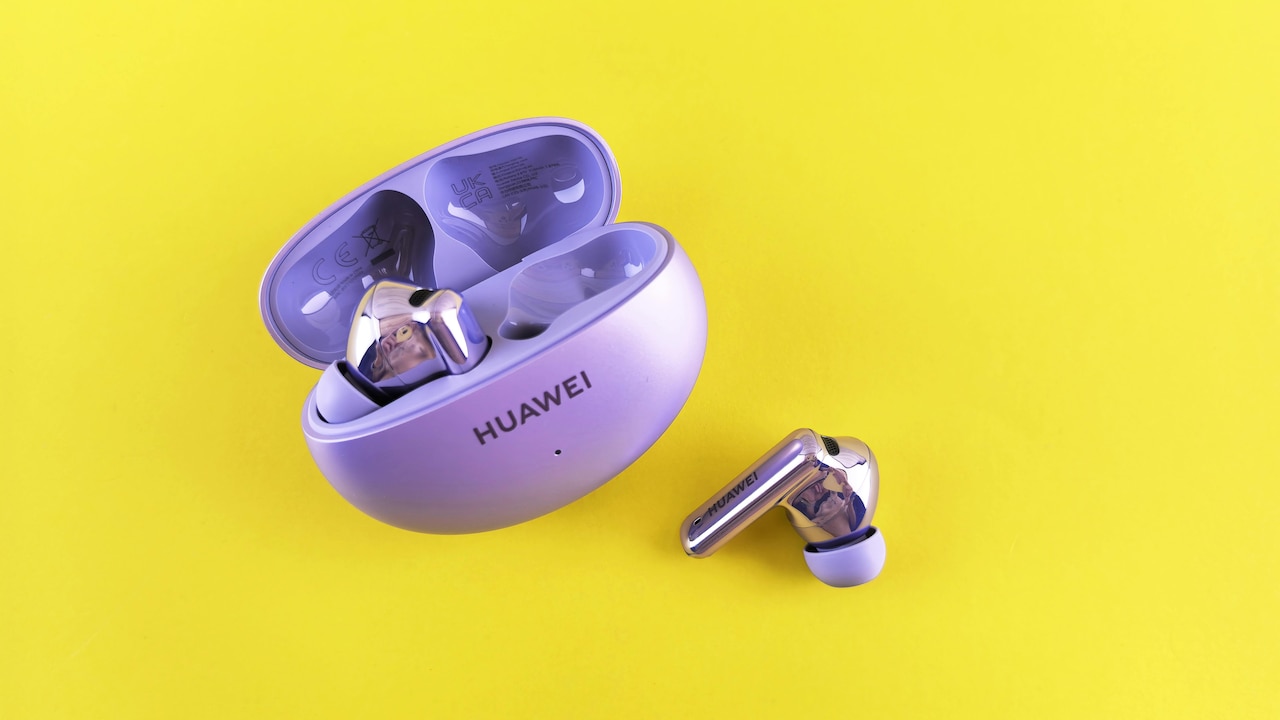
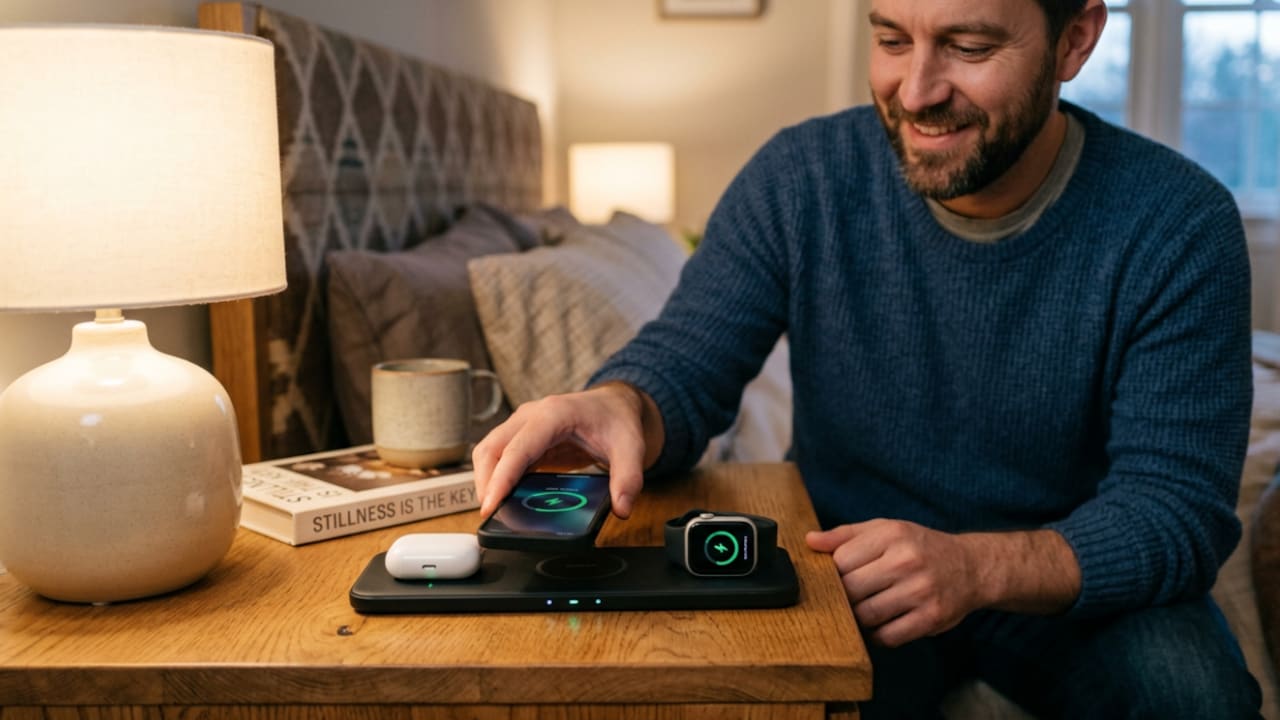
10 things that tell about the importance of transparency mode in earbuds; Photo Credit: Pexels
What once looked like a luxury feature now feels oddly necessary. Students rushing to lectures, professionals hopping between meetings, and exhausted office workers returning home after sunset have all discovered the same thing: staying aware matters just as much as staying entertained. The appeal no longer revolves around fancy technology alone. It revolves around convenience, safety, and preserving a little calm amid urban chaos.
Also Read: 5 Best Wireless Earphones Under ₹4K, From JBL To Noise, For Calls, Gym And Commutes
Why Transparency Mode Earbuds Are Becoming A Daily Commuting Essential
Why Commuters No Longer Want Complete Silence
A few years ago, everyone chased noise cancellation like it was magic. The idea sounded perfect. Block every sound and disappear into music. Reality, however, turned out differently during daily travel.
Commuters soon realised total silence could become stressful. Missing station announcements happened often. Auto drivers shouting destinations disappeared into the void. Someone tapping a shoulder from behind became startling rather than helpful. Crossing roads while fully isolated from traffic sounds also created obvious risks.
Transparency mode solved this awkward balancing act. Instead of choosing between awareness and entertainment, commuters suddenly got both together. Conversations became easier during metro rides. Ordering chai at a station kiosk no longer requires awkwardly removing one earbud. Even hearing an approaching train while listening to a podcast felt oddly reassuring.
There is also a psychological angle at play. Urban life already overwhelms the senses. Constantly switching earbuds in and out adds another layer of irritation. Transparency mode reduces those interruptions. The experience feels smoother, more natural, and less disconnected from the environment.
That subtle convenience explains why so many commuters now prioritise transparency mode over booming bass or flashy design. Daily travel rarely needs cinematic sound quality. It needs practicality. And practicality often wins.
The Metro Rush Made Transparency Mode Mainstream
Metro culture changed commuting habits dramatically across major cities. Travel became faster, but also denser. Packed platforms, rapid announcements, and endless movement created environments where awareness became essential.
Transparency mode fits perfectly into this world. During rush hour, commuters constantly juggle tasks. One moment involves listening to a work call. The next involves hearing platform instructions while rushing toward a connecting line. Traditional earbuds struggle here because they force users into extremes: either full isolation or no audio experience at all.
Imagine standing inside a crowded coach at 8:45 in the morning. Someone nearby watches cricket highlights loudly on a phone speaker. Another commuter discusses quarterly targets over a video call. A child cries near the doors while station announcements echo overhead. Amid this chaos, transparency mode offers something surprisingly valuable: controlled clarity.
The feature also reduces social awkwardness. Many people used to remove one earbud during conversations to appear attentive. Transparency mode removes that need. The interaction feels more natural and less robotic.
Interestingly, younger commuters adopted the feature first, but office workers quickly followed. Once daily users experienced the convenience of hearing surroundings without pausing music repeatedly, returning to older earbuds felt frustrating. That shift quietly pushed transparency mode from premium novelty into everyday necessity.
Safety Concerns Changed Buying Priorities
Commuters rarely discuss it openly, but safety concerns influence gadget choices more than ever. Busy roads, crowded intersections, and unpredictable traffic patterns force people to stay alert constantly.
Transparency mode helps users maintain environmental awareness without giving up audio entirely. That balance matters especially during evening commutes when visibility drops and fatigue kicks in. Walking through dimly lit lanes while hearing approaching vehicles offers reassurance that pure noise cancellation simply cannot provide.
Delivery riders and cyclists also contributed to the popularity surge. Many riders use earbuds for navigation instructions during long journeys. Transparency mode allows them to hear directions while remaining aware of surrounding traffic. The difference sounds minor until one considers how chaotic urban roads can become during peak hours.
Parents commuting with children appreciate the feature too. Hearing a child's voice instantly without pulling earbuds out creates convenience during hectic travel. Even elderly commuters increasingly prefer transparency mode because it feels less isolating and more comfortable.
This growing focus on awareness reflects a broader shift in consumer thinking. Buyers no longer chase technology purely for style. They seek features that genuinely improve everyday routines. Transparency mode fits naturally into that mindset because its benefits appear practical almost immediately after use.
A flashy feature may impress during advertisements. A useful feature earns loyalty during crowded evening traffic.
Work Calls During Commutes Became The New Normal
The line between office hours and travel time has almost disappeared. Calls now happen everywhere: inside cabs, outside stations, during auto rides, and even while waiting at traffic signals.
Transparency mode became crucial because commuters need to hear both conversations and surroundings simultaneously. Blocking all environmental sound during professional calls often creates awkward situations. Someone may unknowingly speak too loudly inside a quiet metro coach. Another commuter might miss an important announcement while deeply focused on a client discussion.
The hybrid work culture accelerated this habit. Employees increasingly attend quick meetings during travel instead of waiting to reach home or the office. Earbuds with transparency mode support this lifestyle surprisingly well.
There is also a social comfort factor involved. People speaking on calls while remaining aware of their surroundings appear calmer and more composed. Completely isolated users often raise their voices unintentionally, creating those unintentionally hilarious public conversations everyone overhears near station exits.
Students benefit too. Online classes, recorded lectures, and study discussions now happen on the move regularly. Transparency mode lets them remain attentive to their surroundings while consuming educational content.
Interestingly, commuters rarely describe this feature as exciting. Instead, they describe it as useful. That subtle distinction explains why transparency mode gained popularity steadily rather than explosively. The feature slipped into daily routines quietly until users suddenly realised they could no longer imagine commuting without it.
Affordable Earbuds Changed The Market Completely
Transparency mode once belonged exclusively to expensive earbuds costing upwards of ₹15,000. That limited its audience initially. Most commuters simply treated it as a luxury reserved for tech enthusiasts.
The market looks entirely different now. Brands across price ranges offer transparency mode in earbuds under ₹3,000. This affordability transformed the feature from aspirational to accessible almost overnight.
College students began experimenting first because budget-friendly options suddenly appeared everywhere online. Soon, office workers followed. Then, casual users joined in after hearing recommendations from friends during daily travel conversations.
This widespread availability changed expectations dramatically. Buyers now ask about transparency mode before checking colour options or battery life. Retail staff mention it immediately during demonstrations because they know customers recognise its value.
Affordable pricing also encouraged experimentation. Earlier, spending huge amounts on unfamiliar technology felt risky. Budget models removed that hesitation. Once users experienced the convenience firsthand, upgrading later became easier.
Interestingly, commuters do not necessarily expect perfect sound quality anymore. They prioritise practical features instead. Reliable connectivity, decent battery life, and effective transparency mode matter more during real-world commuting than studio-level audio performance.
That shift reveals how consumer priorities evolve alongside lifestyle changes. Gadgets stop being status symbols and start becoming survival tools for everyday urban routines.
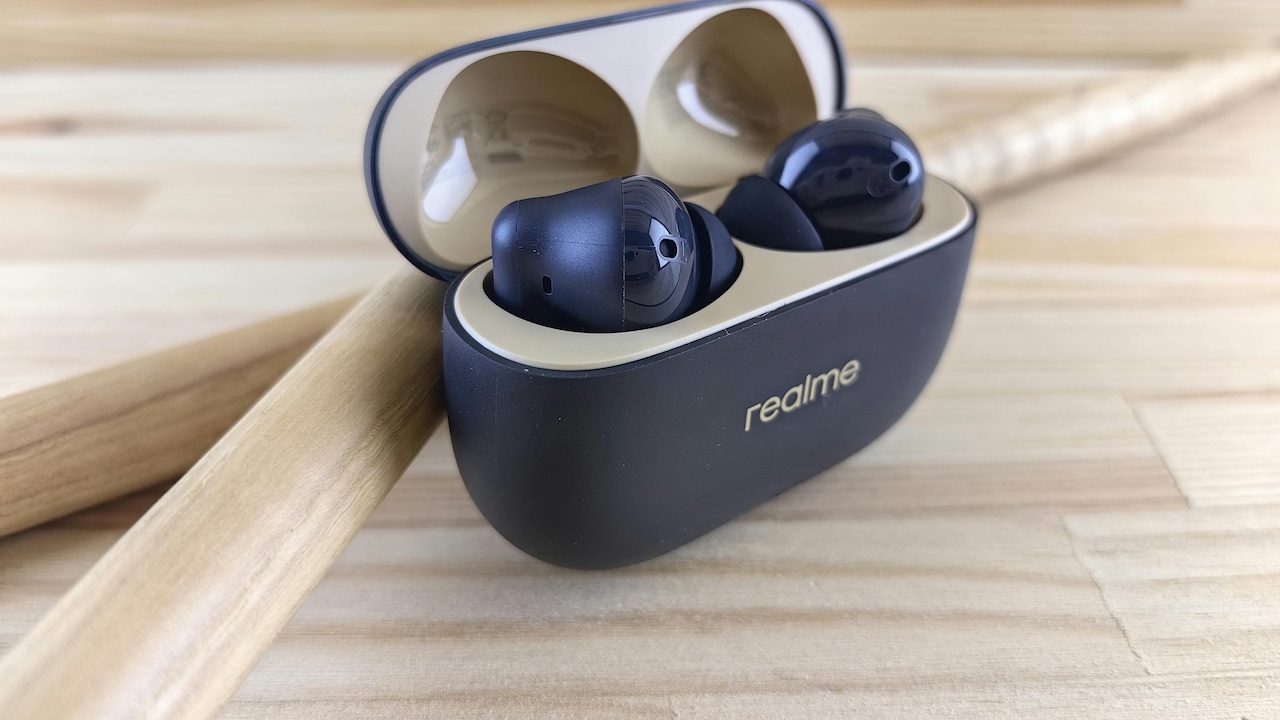
Effective transparency mode matters more during real-world commuting than studio-level audio performance; Photo Credit: Pexels
Transparency Mode Reduces Commuting Fatigue
Long commutes drain energy in strange ways. Noise contributes heavily to that exhaustion, even when people barely notice it consciously.
Traditional earbuds often create a disconnect between users and their surroundings. Constantly removing them to hear announcements or conversations becomes mentally tiring over time. Transparency mode reduces that friction significantly.
The brain no longer works overtime switching attention between isolation and awareness. Sounds flow naturally while music or podcasts continue softly in the background. That smoother sensory experience creates a surprisingly calming effect during stressful travel.
Consider evening metro rides after exhausting workdays. Most commuters look emotionally drained by then. Tiny inconveniences feel magnified. Struggling with earbuds repeatedly only adds irritation to an already tiring situation.
Transparency mode simplifies interactions. A tea vendor asking for payment details, a colleague making small talk, or a security guard giving instructions no longer interrupts the listening experience entirely. These small moments accumulate into a noticeably smoother commute.
Mental fatigue also links closely with overstimulation. Complete noise cancellation sometimes feels intense during crowded travel because it creates unnatural silence against visibly chaotic surroundings. Transparency mode maintains a more balanced connection with reality.
That balance explains why many commuters describe these earbuds as “comfortable” rather than “impressive.” The feature blends into routines quietly instead of demanding attention constantly. In modern city life, seamless convenience often matters more than dramatic innovation.
Fitness And Commuting Now Overlap More Than Ever
Modern routines rarely separate exercise from commuting anymore. Many professionals walk long distances between stations, cycle to offices, or squeeze quick workouts into packed schedules. Earbuds with transparency mode fit naturally into this lifestyle overlap.
Morning joggers heading toward metro stations appreciate hearing traffic while listening to energetic playlists. Cyclists navigating busy roads rely heavily on environmental awareness. Even evening walkers prefer transparency mode because it feels safer and less isolating after dark.
The rise of smartwatches and fitness apps strengthened this connection further. Audio coaching during walks or runs became increasingly common. Transparency mode allows users to follow instructions without disconnecting from their surroundings entirely.
There is also a behavioural shift happening. People increasingly seek efficiency in small moments. A commute no longer feels like dead time. It becomes an opportunity for fitness, learning, entertainment, or work preparation. Earbuds capable of adapting to multiple environments naturally gain popularity in such routines.
Interestingly, transparency mode creates confidence among users moving through unpredictable spaces. Hearing footsteps nearby or vehicles approaching provides subtle reassurance during early morning or late evening travel.
That sense of awareness matters emotionally as much as practically. Urban commuting already carries enough unpredictability. Technology that reduces anxiety rather than increasing isolation naturally earns long-term loyalty from users.
Social Behaviour Around Earbuds Has Changed
Earbuds once carried an unspoken social message: “Do not disturb.” People wearing them appeared detached from their surroundings and conversations. Transparency mode softened that perception considerably.
Users now engage more naturally while keeping earbuds in place. Quick chats with shopkeepers, casual conversations with colleagues, and spontaneous interactions during travel feel less awkward. The technology supports social awareness rather than blocking it entirely.
This shift sounds subtle, but it changes public behaviour noticeably. Metro commuters appear more approachable. Office workers communicate more smoothly during shared rides. Friends travelling together no longer pause music repeatedly during conversations.
There is also a cultural element involved. Public spaces thrive on constant interaction and movement. Completely disconnecting from surroundings often feels unnatural in such environments. Transparency mode aligns better with these social rhythms because it allows people to remain partially connected to the world around them.
Even etiquette improved slightly. Earlier, people often ignored announcements or accidentally responded loudly while isolated inside noise-cancelled audio. Transparency mode reduces these awkward moments significantly.
Technology works best when it blends seamlessly into human behaviour rather than forcing users to adapt drastically. That principle explains why transparency mode resonates so strongly with commuters today. It complements natural interaction instead of replacing it.
Battery Life And Comfort Became Everyday Priorities
Daily commuters use earbuds differently from casual listeners. The gadgets stay active for hours across crowded journeys, office breaks, and return trips home. Comfort and battery life, therefore, matter enormously.
Transparency mode surprisingly contributes to comfort because users interact with earbuds less frequently. There is no constant need to remove and reinsert them during announcements or conversations. That convenience reduces physical irritation over long periods.
Modern earbuds have also improved battery performance significantly. Many affordable models now last entire workdays comfortably. Quick charging features suit commuters especially well because even ten minutes of charging before leaving home can support lengthy journeys.
Fit matters too. Crowded travel involves constant movement, rushing through stations, climbing stairs, and balancing bags. Earbuds that stay secure while maintaining environmental awareness naturally appeal to commuters.
Interestingly, flashy aesthetics matter less in this category. Buyers increasingly prioritise reliability over appearance. Earbuds have become practical tools rather than fashion accessories for many users.
That evolution mirrors broader consumer behaviour trends. Every day, technology succeeds when it reduces friction quietly in ordinary routines. Transparency mode achieves exactly that by simplifying countless tiny interactions throughout the day.
Most commuters may never describe the feature as revolutionary. Yet many now struggle to return to earbuds without it once they experience the convenience firsthand.
Products Related To This Article
1. ACwO Dwots 777 Wireless in Ear Earbuds
2. VARNIADR Wireless Earbuds Bluetooth 5.3 TWS Earphones Full Touch Control Headphones
3. realme Buds T500 Pro TWS Earbuds with 12.4mm Drivers
4. OnePlus Buds 4 TWS Earbuds with Upto 55dB Real-time ANC
5. soundcore R50I Nc By Anker Noise Cancelling in Ear Earbuds
Technology rarely changes daily life through dramatic moments anymore. Instead, meaningful changes happen quietly through small conveniences that gradually become indispensable. Earbuds with transparency mode represent exactly that kind of shift.
What began as a premium audio feature evolved into an everyday commuting companion. The appeal extends far beyond music quality or trendy branding. Transparency mode supports awareness, safety, comfort, and smoother social interaction during increasingly chaotic daily travel.
From crowded metro coaches to noisy traffic junctions, commuters constantly balance connection with caution. Traditional earbuds forced compromises between the two. Transparency mode removed much of that tension by allowing users to remain engaged with both audio and surroundings simultaneously.
Its growing popularity also reflects changing urban lifestyles. Work now travels everywhere. Fitness overlaps with commuting. Calls happen on the move. Entertainment fills tiny gaps between responsibilities. Earbuds capable of adapting seamlessly to these realities naturally earn their place in everyday routines.
Most importantly, transparency mode succeeds because it feels human. It does not isolate users completely from the world around them. Instead, it creates a gentler relationship with technology during stressful daily movement.
That quiet practicality explains why transparency mode no longer feels optional for many commuters. Somewhere between the morning rush and the evening ride home, it became essential without making much noise about it.
(Disclaimer: This article may include references to or features of products and services made available through affiliate marketing campaigns. NDTV Convergence Limited (“NDTV”) strives to maintain editorial independence while participating in such campaigns. NDTV does not assume responsibility for the performance or claims of any featured products or services.)