What Is The Difference Between 5G And 4G Phones In India And Does It Matter
Confused between buying 5G and 4G phones in India? Learn about the real differences, speed, battery, pricing, and whether upgrading to 5G is actually worth it.

What Is The Difference Between 5G And 4G Phones In India And Does It Matter
A few years back, buying a new phone was simple. All people needed was a camera, a battery, and storage. But now almost every smartphone launching in India comes with one big extra label attached: 5G. Even budget phones under ₹15,000 are now advertising 5G support, as if it were the most important thing in the world.

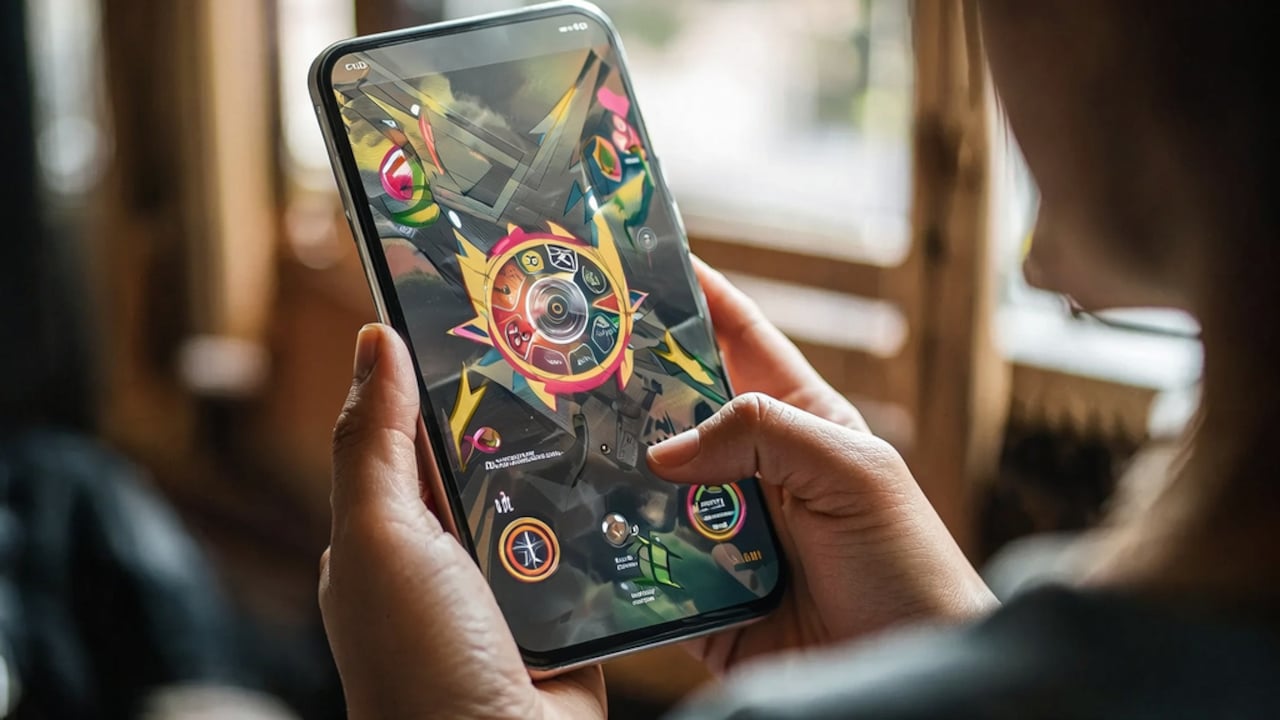
Compare speed, battery life, and pricing to decide if upgrading to 5G is worth it.
Photo Credit: iStock
But honestly, many people are still quite confused about its implications. Does 5G actually feel different in real daily life? Or is it just another marketing term companies are using to sell more phones quickly?
If someone is planning to buy a new smartphone this year, understanding the difference between 5G and 4G can actually help save money and make a better choice.
What Really Makes A 5G Phone Different
Network compatibility is the most crucial difference between 4G and 5G smartphones. While a 4G smartphone can access only a 4G LTE network, a 5G phone gives you access to both 4G LTE and 5G.
However, the difference goes beyond that. 5G phones are equipped with improved processors, new cooling systems, and other advanced components such as new modems and enhanced connectivity options.
That is why, despite being sometimes more expensive, 5G smartphones usually operate better. The applications load more quickly, files are downloaded faster, and streaming of videos becomes more enjoyable, especially in crowded places such as malls and train stations.
But not everybody will feel the difference immediately.
How Fast Is 5G Compared To 4G?
1. Download Speeds Feel Noticeably Faster
On a normal 4G connection in India, users usually get somewhere around 10 Mbps to 50 Mbps, depending on location and network traffic at that time. With 5G, speeds can easily cross 200 Mbps in many cities now.
So movies download in a few minutes, apps install faster, cloud backups finish quickly, and 4K streaming buffers much less. If someone mostly uses WhatsApp, Instagram, YouTube, and UPI apps, then the jump may not entirely change their daily lives. However, those who work remotely, game online, or stream heavily will definitely notice the difference.
2. Network Congestion Is Lower On 5G
One thing about 5G, which people don't talk much about, is how stable it feels in crowded places.
During festivals, concerts, metro rides, or cricket matches, 4G networks often experience significant slowdowns due to the simultaneous connection of too many people. 5G handles higher traffic much better, so internet speeds stay more consistent throughout.
This is becoming more useful in cities like Delhi, Mumbai, Bengaluru, and Kolkata, where network congestion is quite common.
Does 5G Drain Battery Faster?
1. Early 5G Phones Had Battery Problems
When 5G first launched, many phones struggled with battery drain terribly. At that time, modem chips consumed more power, and networks were not fully optimised.
Many people switched back to 4G mode only to save battery life.
2. Newer Phones Are Much Better Now
But thankfully, newer 5G phones are far more efficient now. Brands like Samsung, OnePlus, Xiaomi, and Realme have significantly improved battery optimisation over the last two years.
Most users today will not notice a huge battery difference between 4G and 5G during regular daily usage. Still, if someone's area has weak 5G coverage, the phone may keep searching for a signal constantly, which can affect battery life a little bit.
Does It Make Sense To Still Buy A 4G Phone
1. 4G Phones Are Still Usable
Yes, definitely. India's 4G network is powerful enough to provide decent service. People using their smartphones mainly for calls, texting, browsing social media and watching YouTube can find great 4G smartphones for their needs for several years ahead.
Besides, a good 4G phone might sometimes work better than a cheap 5G smartphone.
2. But 5G Makes More Sense For Long-Term Use
At the same time, spending ₹12,000 to ₹20,000 on a brand new 4G phone today may not be the smartest long-term decision.
Most telecom companies are heavily expanding 5G coverage across India. Jio and Airtel already offer 5G in hundreds of cities, and more services will start depending on faster internet speeds over time.
If the budget permits, purchasing a 5G phone now provides better future-proofing for the investment.
Who Actually Needs A 5G Phone Right Now
1. Heavy Internet Users Will Benefit More
5G will benefit more people who stream Netflix or YouTube daily, play multiplayer games, work from their phones, attend video meetings frequently or use hotspot sharing on a regular basis. For such users, 5G genuinely improves daily experience quite noticeably.
2. Casual Users May Not Need To Upgrade Immediately
But if everything is fine with your 4G smartphone right now, you don't need to rush to buy a 5G one just because of that feature.
These were all the key differences between 4G and 5G smartphones. Many people use a good 4G smartphone just fine for basic functions and sometimes even prefer not to waste on new devices. Often, companies generate the feeling of FOMO for new technologies, although, for average users, it might be useless. The final choice depends on your preference and usage behavior.

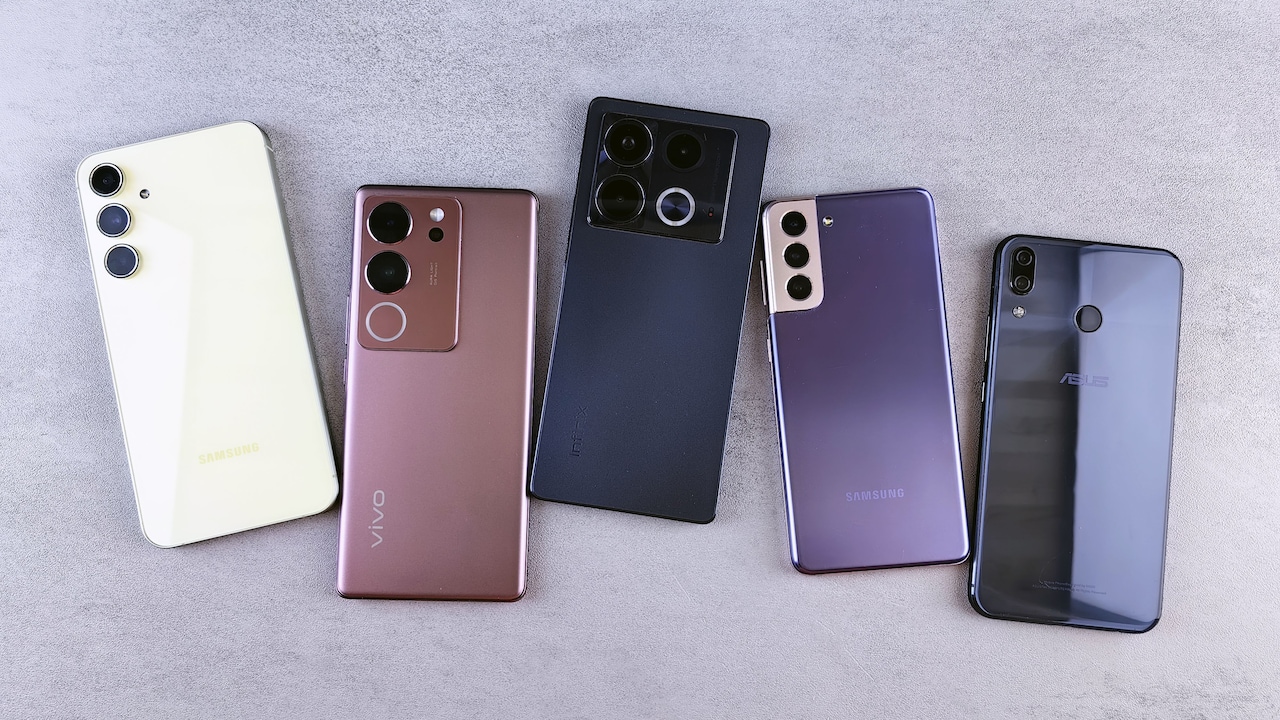
Discover if upgrading to a 5G phone in India is truly worth your money today.
Photo Credit: iStock
Some 5G Smartphones You May Like
1. Samsung Galaxy M16 5G
2. OnePlus Nord CE6 Lite 5G
3. iQOO Z10 Lite 5G
4. Redmi Note 14 SE 5G
5. Realme Narzo 90 5G
6. Motorola G57 Power 5G
7. Vivo T5x 5G
8. Nothing Phone 3a 5G
Frequently Asked Questions (FAQs)
1. Is 5G available everywhere in India now?
No, but coverage is expanding quite quickly. Major cities and many tier 2 cities already have strong 5G networks through Jio and Airtel.
2. Can a 5G phone work on a 4G SIM card?
Yes, a 5G phone works perfectly fine with 4G SIM cards and networks, as well.
3. Are 5G phones more expensive than 4G phones?
Not always anymore. Many good 5G phones are now easily available under ₹15,000 in India.
4. Will 4G phones stop working soon?
No, 4G smartphones will work perfectly well for several years ahead, as India's 4G network infrastructure is still actively working.
5. Should I upgrade to 5G only for faster internet?
Yes, but only if you are using the internet heavily every day. Otherwise, you might not notice the difference immediately.
(Disclaimer: This article may include references to or features of products and services made available through affiliate marketing campaigns. NDTV Convergence Limited (“NDTV”) strives to maintain editorial independence while participating in such campaigns. NDTV does not assume responsibility for the performance or claims of any featured products or services.)