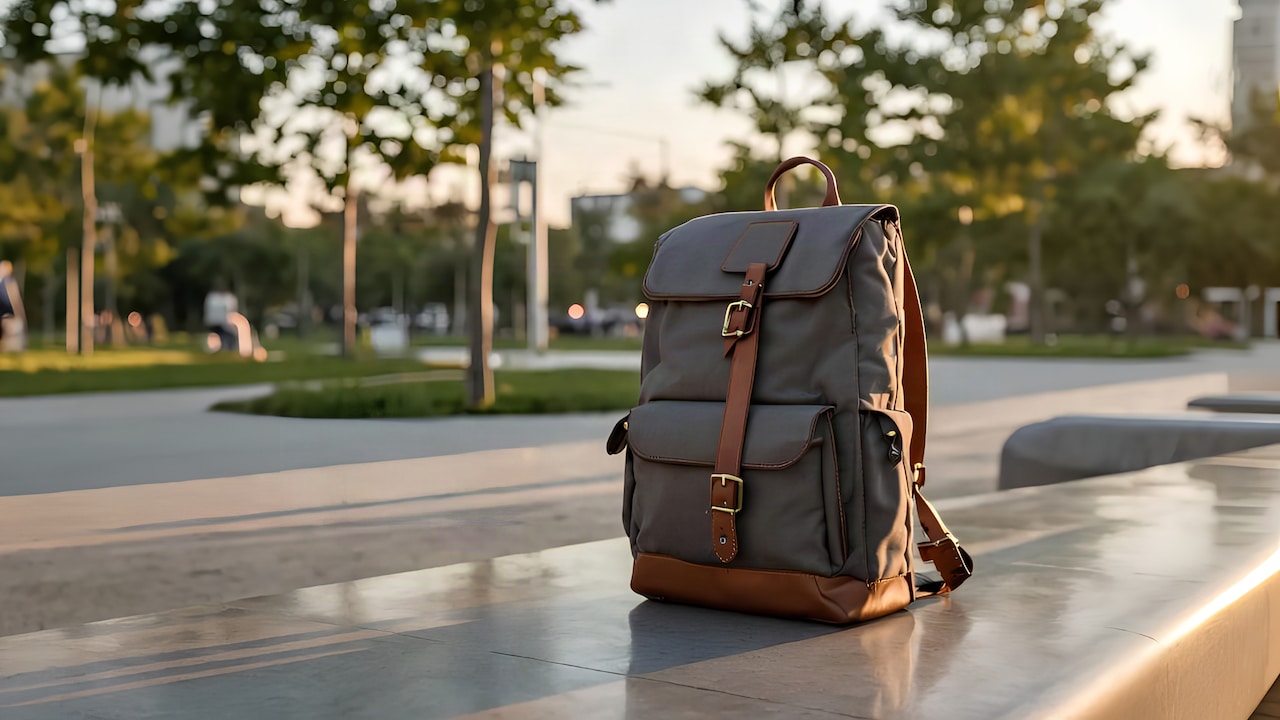
Hard Luggage vs Soft Luggage: Which Suitcase Is Better For Air Travel?
Hard luggage and soft luggage both have clear advantages for air travel. This article compares durability, weight, security and convenience to help travellers choose the right suitcase for every journey.

Hard Luggage vs Soft: Which Suitcase Is Better For Air Travel? Find Out Here.
Air travel brings excitement, stress and a fair bit of waiting. Somewhere between booking tickets and printing boarding passes comes the luggage dilemma. Hard luggage or soft luggage? Both sit proudly in showrooms and online carts. Both claim to be the perfect travel companion. A suitcase needs to protect belongings, glide through terminals and survive baggage belts without drama. This article explores the pros and cons of hard and soft luggage through everyday travel situations. Think weekend weddings, business trips, family holidays and last-minute shopping hauls.

Hard Luggage vs Soft: Which One Is Better For Air Travel?; Photo Credit: Pexels
Breaking Down The Real Differences That Matter
1. Durability: Who Survives the Baggage Belt Better?
Airports show little mercy to luggage. Bags get tossed, stacked and squeezed into cargo holds. Hard luggage shines here. Polycarbonate and ABS shells resist crushing and shield contents from pressure. Fragile items like perfume bottles or souvenirs feel safer inside a rigid shell.
Soft luggage, usually made from nylon or polyester, handles knocks differently. The fabric absorbs impact rather than resisting it. While this flexibility helps in tight spaces, it also means less protection for delicate items. A sharp edge or heavy suitcase can leave a mark.
That said, soft luggage often ages gracefully. Scuffs blend into the fabric, while hard cases display scratches like battle scars. For frequent flyers, appearance matters. A scratched shell still works well, but some travellers prefer a bag that hides wear.
For rough handling and valuable contents, hard luggage offers peace of mind. For resilience with less visible damage, soft luggage holds its own.
2. Weight Matters When Every Kilo Counts
Airlines love strict baggage limits. A single extra kilo can cost ₹1,000 or more at check-in. Hard luggage tends to weigh more due to its shell. Even lightweight models add bulk before packing begins.
Soft luggage usually weighs less. Fabric construction keeps the base weight low. This allows travellers to pack more without crossing limits. On shopping-heavy trips, that extra allowance feels priceless.
Cabin bags highlight this difference clearly. A hard cabin case may look sleek, but it eats into weight limits. A soft cabin bag keeps things light and flexible. It also fits better in overhead bins that feel smaller than advertised.
For travellers who pack heavy or love bringing gifts home, soft luggage offers breathing room. For those who pack light and value structure, hard luggage still works well. Knowing packing habits helps avoid last-minute repacking at the airport floor.
Also Read: Pack Smart: Why Your Next Luggage Investment Should Match Your Travel Personality
3. Security: Zips, Locks and Peace of Mind
Security remains a top concern, especially during long layovers. Hard luggage often comes with built-in TSA-approved locks. These locks feel solid and deter casual tampering. A rigid shell also makes slashing impossible.
Soft luggage relies on zips and external locks. While good-quality zips offer strength, fabric can still be cut. This risk rises on crowded routes and busy baggage belts. Adding a cable lock helps, but it never matches the security of a hard shell.
However, soft luggage offers quick access. External pockets allow easy retrieval of documents or jackets. Hard cases require opening the entire suitcase, which feels awkward in public spaces.
For travellers carrying electronics, documents or valuables, hard luggage offers reassurance. For those who value convenience and keep valuables in cabin bags, soft luggage remains practical.
4. Flexibility: Squeezing Into Tight Spaces
Air travel involves cramped spaces. Overhead bins fill fast. Taxi boots vary in size. Hotel rooms rarely offer generous storage. Soft luggage adapts better here. Fabric sides compress to fit awkward spaces.
Hard luggage refuses to bend. If it does not fit, it simply does not fit. This rigidity causes frustration during full flights or small aircraft journeys. Cabin crew often request gate-checking for hard cases that refuse to cooperate.
On the flip side, hard luggage maintains shape. Clothes stay neatly folded. Items do not shift much. Soft luggage may bulge and wrinkle contents if overpacked.
For flexible packing and unpredictable storage, soft luggage wins. For organised packing and shape retention, hard luggage delivers.
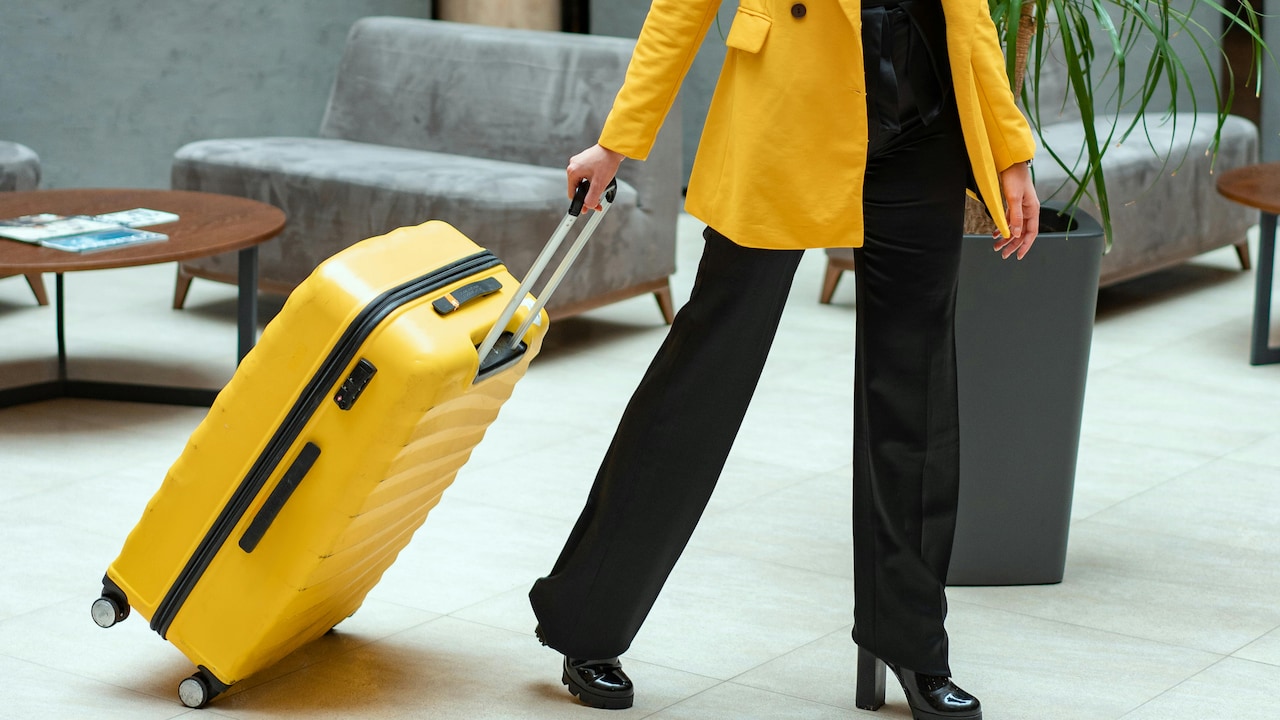
Hard Luggage vs Soft: Which One Is Better For Air Travel?; Photo Credit: Pexels
5. Weather Resistance: Rain, Spills, and Surprise Showers
Monsoon travel tests luggage severely. Hard luggage resists rain well. A sealed shell keeps clothes dry even when bags sit on wet tarmacs. Spilt liquids from neighbouring bags pose little threat.
Soft luggage absorbs moisture. Water-resistant fabrics help, but seams and zips remain vulnerable. A sudden downpour can dampen contents, especially during outdoor baggage handling.
That said, modern soft luggage uses coated fabrics that repel light rain. Adding a rain cover offers extra protection. For most trips, this works well enough.
Travellers flying during unpredictable weather may prefer hard luggage. Those who plan short transfers and indoor handling find soft luggage manageable with precautions.
6. Organisation: Pockets vs Compartments
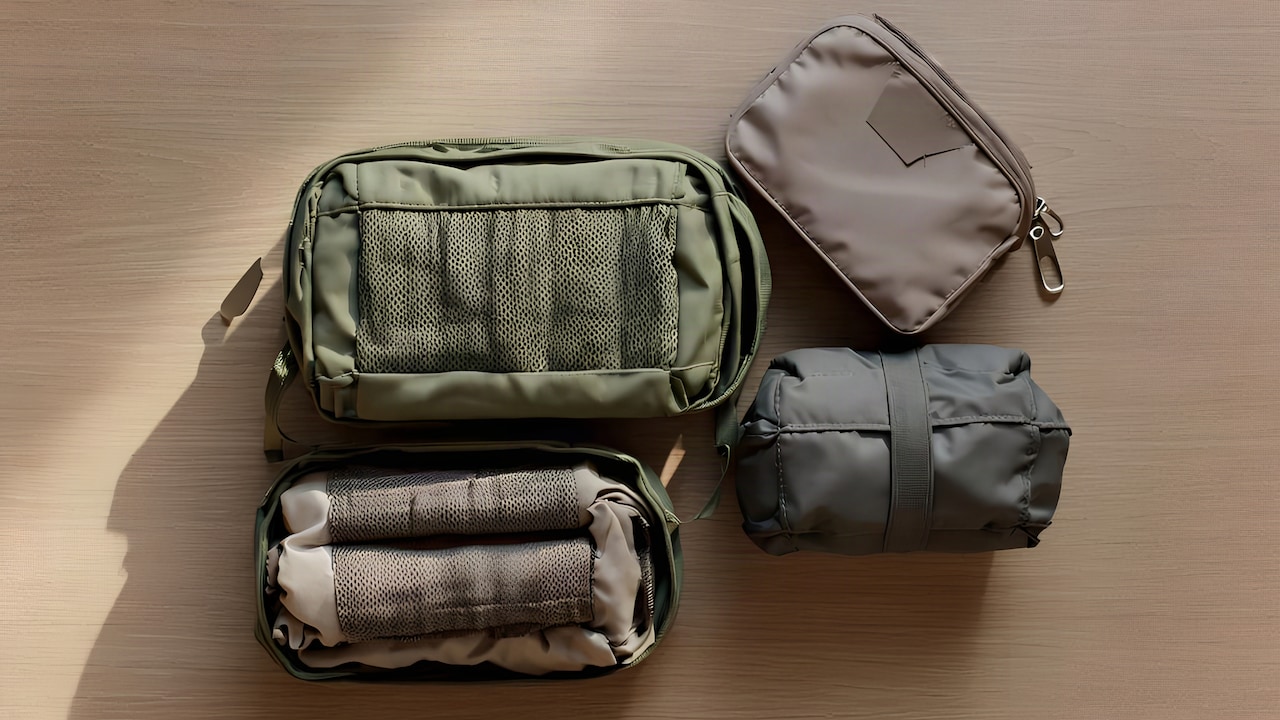
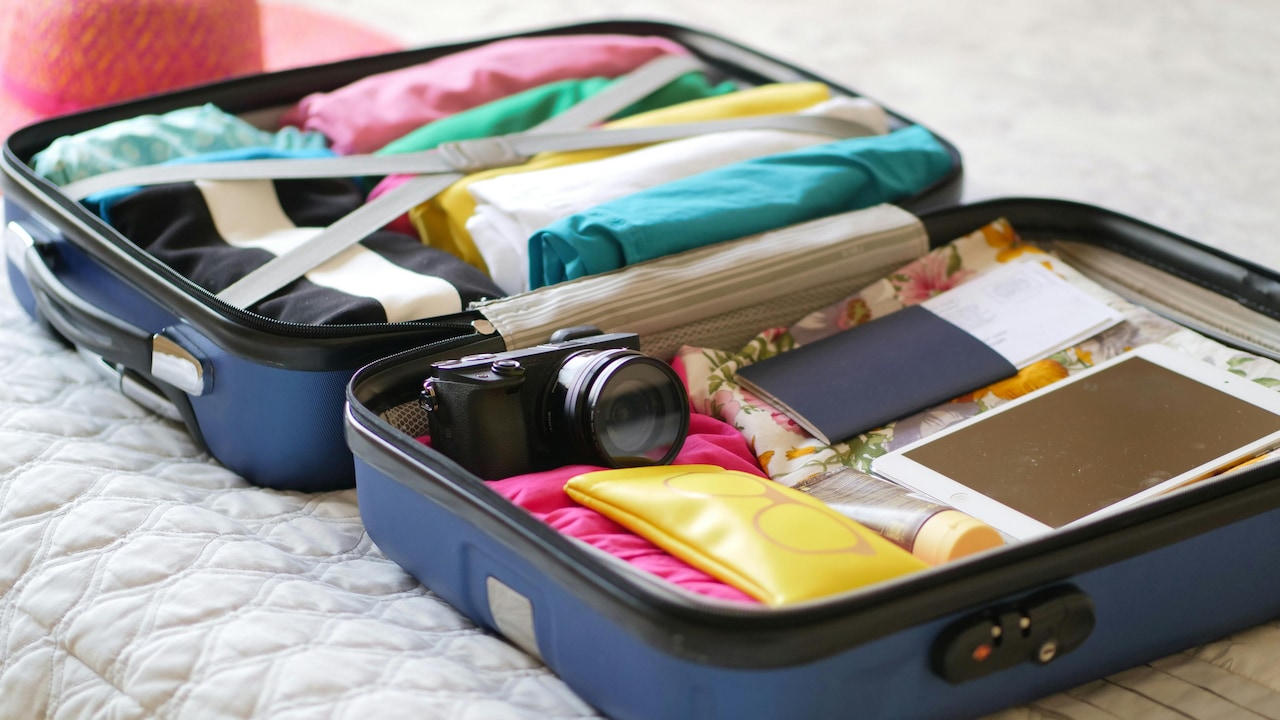
Packing style shapes luggage choice. Hard luggage offers two equal compartments. Mesh dividers and straps keep items in place. This structure suits methodical packers who plan outfits.
Soft luggage excels in pockets. Front compartments store chargers, books and snacks. Side pockets hold umbrellas or laundry bags. Quick access makes airport life easier.
Families often appreciate soft luggage for this reason. Kids' items remain reachable without unpacking everything. Business travellers also benefit from document pockets.
For neat packing and balance, hard luggage works well. For accessibility and layered organisation, soft luggage feels more intuitive.
7. Manoeuvrability: Wheels, Handles and Airport Sprints
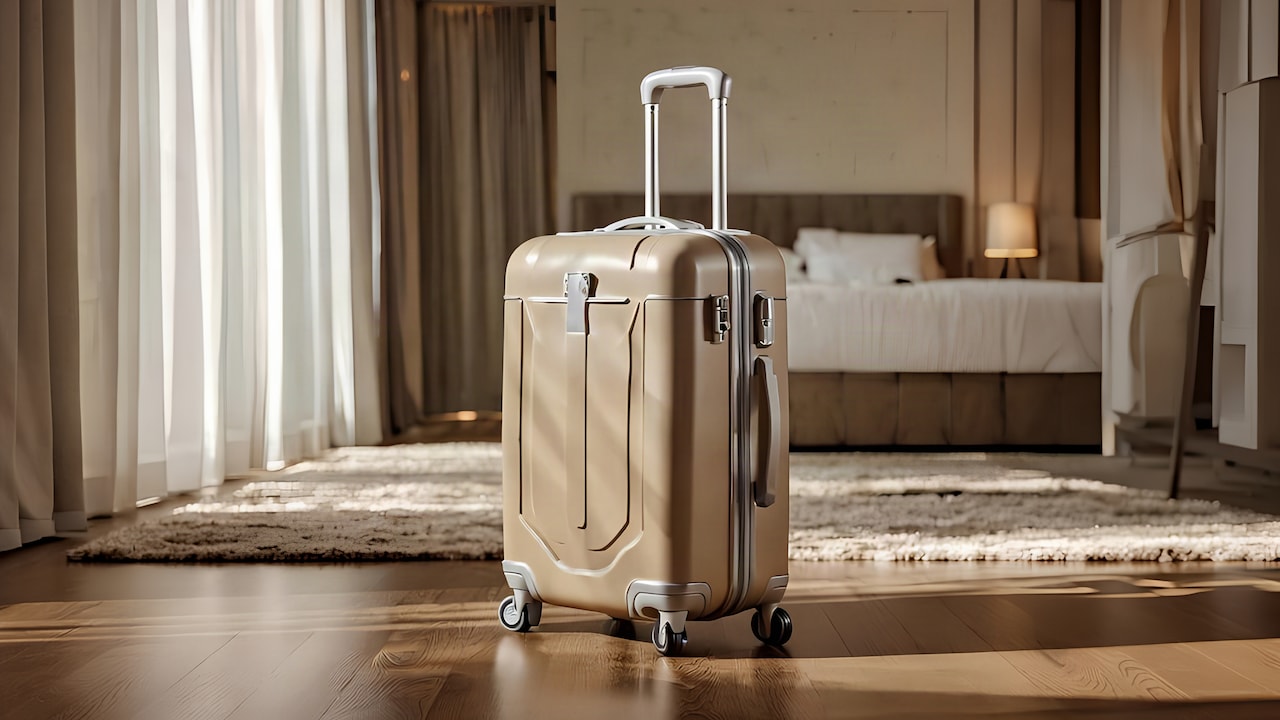
Running through terminal tests luggage design. Both hard and soft luggage now offer four-wheel spinners. Quality matters more than material here.
Hard luggage often glides smoothly on polished floors. The rigid body keeps wheels aligned. Soft luggage may tilt if unevenly packed.
Handles differ, too. Hard cases feature telescopic handles with firm grip. Soft luggage handles feel cushioned and flexible. Comfort varies by brand rather than type.
For long airport walks, both perform well if chosen wisely. Checking wheel quality and handle height matters more than shell material.
Hard Luggage vs Soft: Which One Is Better For Air Travel?; Photo Credit: Pexels
8. Style and First Impressions
Luggage reflects personality. Hard luggage looks modern and sleek. Glossy finishes and bold colours stand out on carousels. Identifying a bag becomes easy.
Soft luggage feels classic and understated. Neutral colours suit professional travel. Fabric textures age quietly without shouting wear.
Style remains subjective. Some travellers enjoy vibrant shells. Others prefer subtle elegance. Airports welcome both.
Choosing a bag that feels right adds confidence. After all, travel already demands enough decisions.
9. Cost and Value for Money
Budget plays a role. Soft luggage usually costs less. Entry-level options deliver solid performance for occasional travel. Repairs also cost less.
Hard luggage ranges widely in price. Cheap shells crack easily. Premium materials last longer but cost more upfront. Replacing damaged shells proves expensive.
For frequent flyers, investing in quality hard luggage makes sense. For occasional trips, soft luggage offers value without strain on the wallet.
Considering usage frequency helps balance cost and durability.
10. Sustainability and Longevity
Sustainability matters more today. Soft luggage often uses recyclable fabrics. Repairs extend lifespan easily. Patching fabric beats replacing shells.
Hard luggage lasts longer but proves harder to repair. Cracks often signal the end. Some brands now use recycled plastics, improving eco-credentials.
Choosing quality over quantity reduces waste. Maintaining luggage, regardless of type, extends life.
Responsible travel begins with mindful choices, even with suitcases.
Products Related To This Article
1. WROGN Unisex Kangaroo Hard Sided Cabin Trolley
2. Skybags Rhumba Cabin Trolley Suitcase
3. Aristocrat Comet Green Medium Hard Luggage 66cm Check-in Trolley Bag with Smooth 8-Wheel
4. Uppercase Jfk Plus Hard-Sided Large Trolley Bags
5. United Colors of Benetton Glide Hard Luggage Trolley Suitcase
6. Wildcraft Zordan Plus Soft Medium Trolley Suitcase
7. Safari Route Poly Carbonate Medium Hard Trolley Bag
The hard luggage versus soft luggage debate has no universal winner. Hard luggage offers protection, security and weather resistance. Soft luggage brings flexibility, lighter weight and easy access. Frequent flyers with valuable items may lean towards hard cases. Leisure travellers, families and shoppers often prefer soft bags. The best choice matches travel habits, not trends. Next time the baggage carousel spins, let the suitcase reflect smart planning rather than regret. A well-chosen bag turns travel smoother, lighter and far more enjoyable.
(Disclaimer: This article may include references to or features of products and services made available through affiliate marketing campaigns. NDTV Convergence Limited (“NDTV”) strives to maintain editorial independence while participating in such campaigns. NDTV does not assume responsibility for the performance or claims of any featured products or services.)