Planning Your First Air Journey? Here's What You Need To Know Before Booking Tickets
Planning your first air journey? Keep these essential factor in mind to consider before booking your tickets so your journey can be smooth and hassle-free.

Plan your first air travel the right way with these tips
The first air journey is often one of the most special experiences in a person's life. Whether it's visiting friends and family abroad, attending a wedding, or going on a business trip, air travel can open the door to new experiences. At the same time, air travel can also come with a fair share of questions, concerns, and anxiety, especially for first-time flyers. With countless flight options, baggage rules, layovers, and connections, booking a flight ticket involves more than just choosing the most affordable option.

How to simplify your first air travel journey
Photo Credit: Pexels
Flight bookings are not just about choosing a window or aisle seat. Instead, they can affect the comfort, convenience, and overall experience of the trip. Therefore, it's important to understand the basics before booking tickets to make the journey smooth and stress-free from start to finish.
What To Know Before Your First Air Journey
Direct Vs Connecting Flights: What Is The Difference?
One of the most common dilemmas first-time flyers face when booking flight tickets is the choice between direct and connecting flights. While the difference may not seem like much, it can impact the travel journey significantly.
A direct flight offers greater convenience as passengers reach their destination without changing aircraft or navigating additional airports. However, this convenience often comes with a higher price. Connecting flights, on the other hand, do not follow a direct route. Instead, they may involve changing terminals, boarding different aircraft, or waiting for hours at the layover destination.
So, while direct flights may cost more upfront, they can offer greater peace of mind for first-time flyers. Connecting flights, on the other hand, can be more affordable but may require additional planning.
Check Baggage Allowances Before Booking
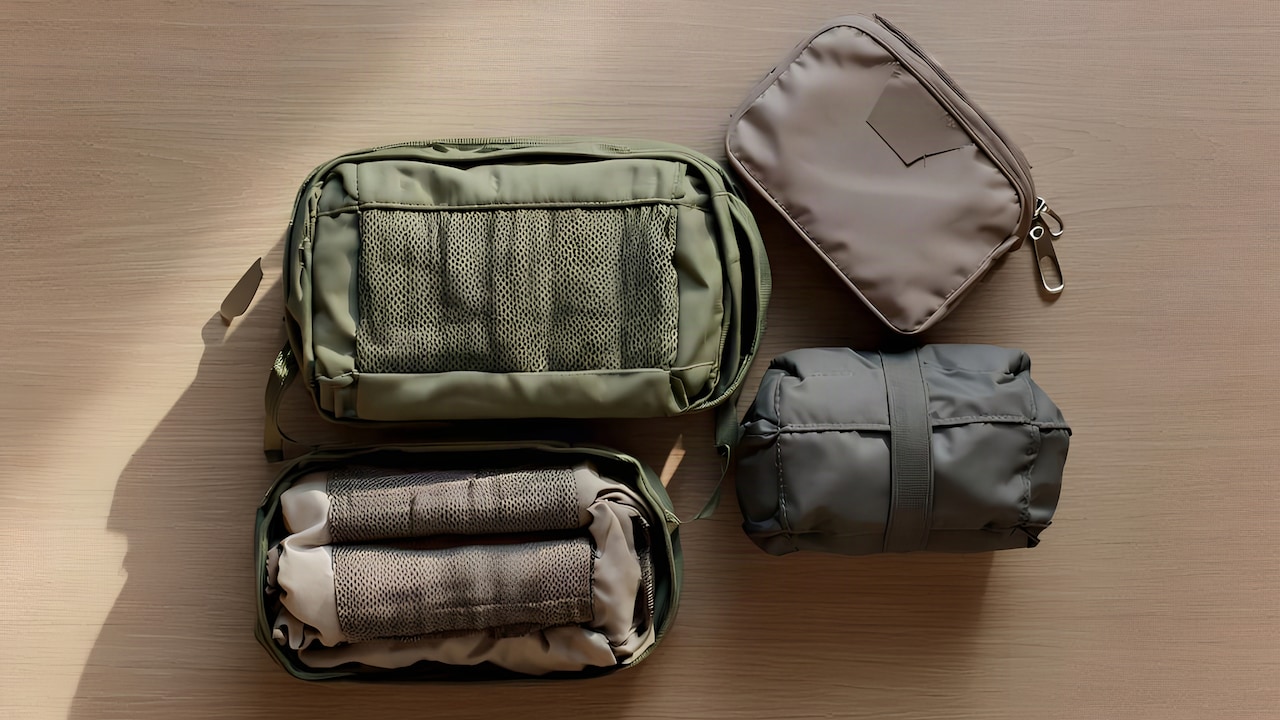
While a quick business trip may include only a small suitcase, a family vacation can last for many days, leading to multiple bags and carry-ons. Baggage allowances are one of the most crucial parts of booking air tickets, and they can change considerably between airlines. Lower-cost airline tickets can sometimes restrict baggage allowances, allowing only a small cabin bag. Thus, assuming all tickets offer the same perks can lead to unexpected charges later.
Always check:
- Limits for cabin and checked bags
- Excess baggage fees
- Item restrictions
- Special item policies
This small checklist can help avoid unwanted surprises at the airport and make every journey smoother and more hassle-free.
Consider Seat Selection Carefully
Beyond technical considerations, air travel can be truly magical for first-time flyers. That's where seat selection plays an important role. While some travellers focus mainly on airfare, others prioritise comfort and experience throughout the journey. Generally, air travel seats are categorised by cabin classes and physical seat position.
The four main cabin classes are:
- Economy Class: The most affordable option with narrower seats and limited legroom.
- Premium Economy Class: This category sits between economy and business class and offers better legroom and comfort than Economy.
- Business class: Features wider seats that may recline fully for greater comfort
- First class: The most luxurious and expensive category with private or semi-private spaces
Main physical seat positions:
- Window Seat: Offers scenic views and a wall to lean against.
- Aisle Seat: Allows passengers to move around without disturbing others.
- Middle Seat: Located between the window and aisle seats.
Today, many airlines charge extra for specific seat locations. Thus, it's important for first-time flyers to evaluate different options based on their budget and preferences.

Consider different seat options according to your budget and preference
Photo Credit: Unsplash
Plan Documents In Advance
Documentation is another crucial part of air travel. While domestic flights generally require government-approved identification, international flights have additional requirements. Thus, it's important for passengers to check the required documentation and prepare it in advance to avoid last-minute hassles.
Common documents for domestic air travel
- Boarding pass
- Government-issued ID
Common documents for international air travel
- Passport
- Boarding pass
- Visa (if required)
Be Prepared For Unexpected Changes
It's worth remembering that even the most carefully planned vacation can still encounter disruptions. Weather conditions, air traffic congestion, and changes in airline schedules can sometimes affect travel plans. Thus, it's important to leave room for unexpected changes. Expert travellers recommend arriving early at the airport a few hours before departure to avoid missing your flight.
Book Flights In Advance
One of the best ways to save money on air travel is to book flights well in advance. This gives passengers enough time to compare different airlines, seat options, departure times, and other travel details. Moreover, for people travelling during peak seasons, such as holidays and festive periods, booking early can improve the chances of securing preferred seats and schedules without incurring additional charges.
For domestic travel, booking one to three months in advance can be sufficient. Similarly, international travellers may benefit from planning three to six months before departure.
Simplifying First Air Travel With Expedia
For first-time travellers, the thought of air travel can itself bring a mix of excitement and uncertainty. Plus, comparing flight schedules, baggage allowances, collecting documents, managing accommodation, and countless other details can make the whole process challenging. Not to mention the time and effort required to plan an upcoming trip while balancing everyday responsibilities.

Book your first journey with Expedia to compare all the great options under the same roof
Photo Credit: Expedia
This is where Expedia comes in. By allowing travellers to compare flights, find accommodation, and arrange transportation, Expedia offers several essential travel services under one roof. The platform helps travellers view the bigger picture of their trip rather than focusing solely on individual bookings. In this way, travellers can benefit from Expedia's organised approach rather than becoming overwhelmed by a sea of options. Explore the options on Expedia today and make your first air travel smooth and easy.
Frequently Asked Questions (FAQs)
1. How to prepare for first-time flying?
To prepare for first-time flying, book tickets in advance, compare different options, check baggage allowances, and prepare documents in advance to avoid last-minute hassles.
2. What should I know before booking a flight?
It's important to know the different baggage allowances, flight timings, and route details like direct vs layover flights for a comfortable experience.
3. What is the trick to get cheaper flights?
The best way to save money on air travel is to book tickets in advance and compare multiple options to find the most affordable and sensible option.
4. How many days before a flight is the best price?
While one to three months in advance can be sufficient for domestic travel, international plans may benefit from being booked three to six months.
5. What do I need to know before my first flight?
Understand the baggage rules, required documents, flight timings, airport terminal, and security procedures.
(Disclaimer: This article may include references to or features of products and services made available through affiliate marketing campaigns. NDTV Convergence Limited (“NDTV”) strives to maintain editorial independence while participating in such campaigns. NDTV does not assume responsibility for the performance or claims of any featured products or services.)