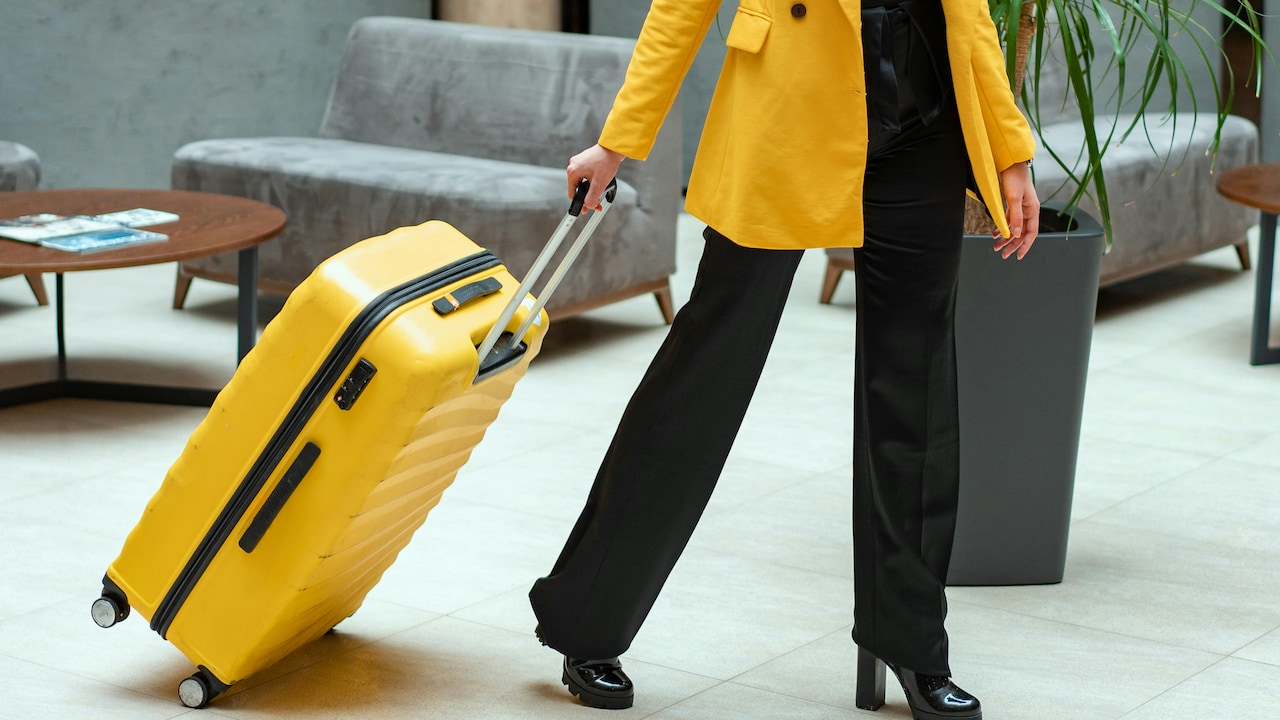
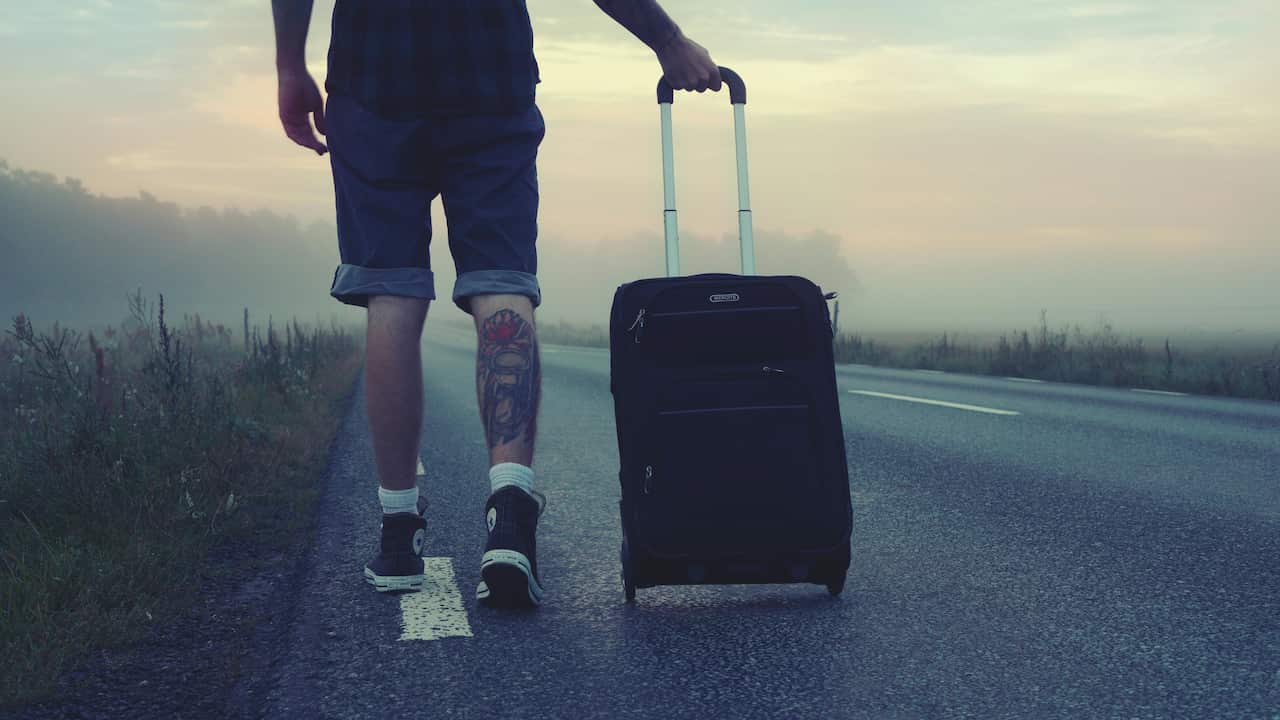
Hard vs Soft Suitcase: Which One Is More Durable for Frequent Travel?
Hard or soft suitcase, which survives rough handling better? From cracked shells to broken wheels, this article breaks down which luggage truly lasts through harsh travel conditions and why the obvious choice may not be the winner.
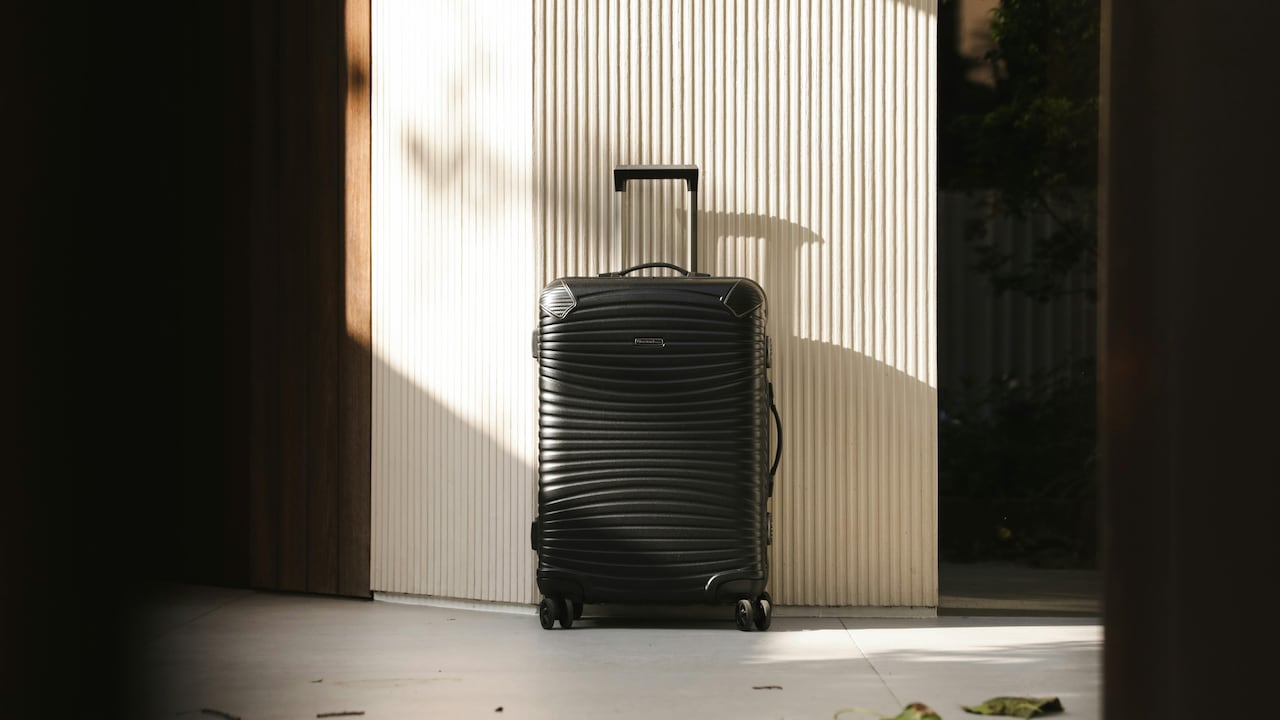
Hard or Soft Suitcase? Check The Surprising Winner in Surviving Harsh Travel and Baggage Handling.
Every traveller has faced it: the suitcase that returns from the baggage carousel looking like it fought a small war and lost. A cracked corner. A broken wheel. A zip that now closes only if someone prays over it.
The hard vs soft suitcase debate usually starts with style. Hard-shell cases look sharp and modern, like they belong next to someone wearing sunglasses indoors. Soft suitcases feel familiar, like the dependable backpack cousin that shows up with snacks and a charger.
But the real question is not what looks better. It's what survives better.
Because travel is not gentle. Suitcases get dragged across rough sidewalks, squeezed into auto-rickshaw boots, shoved into overhead train racks, and thrown around by people who have never once thought, “What if someone packed glass inside?”
So, which suitcase actually wins when handling turns harsh?
Spoiler: the winner might surprise anyone who has been hypnotised by glossy hard-shell luggage.
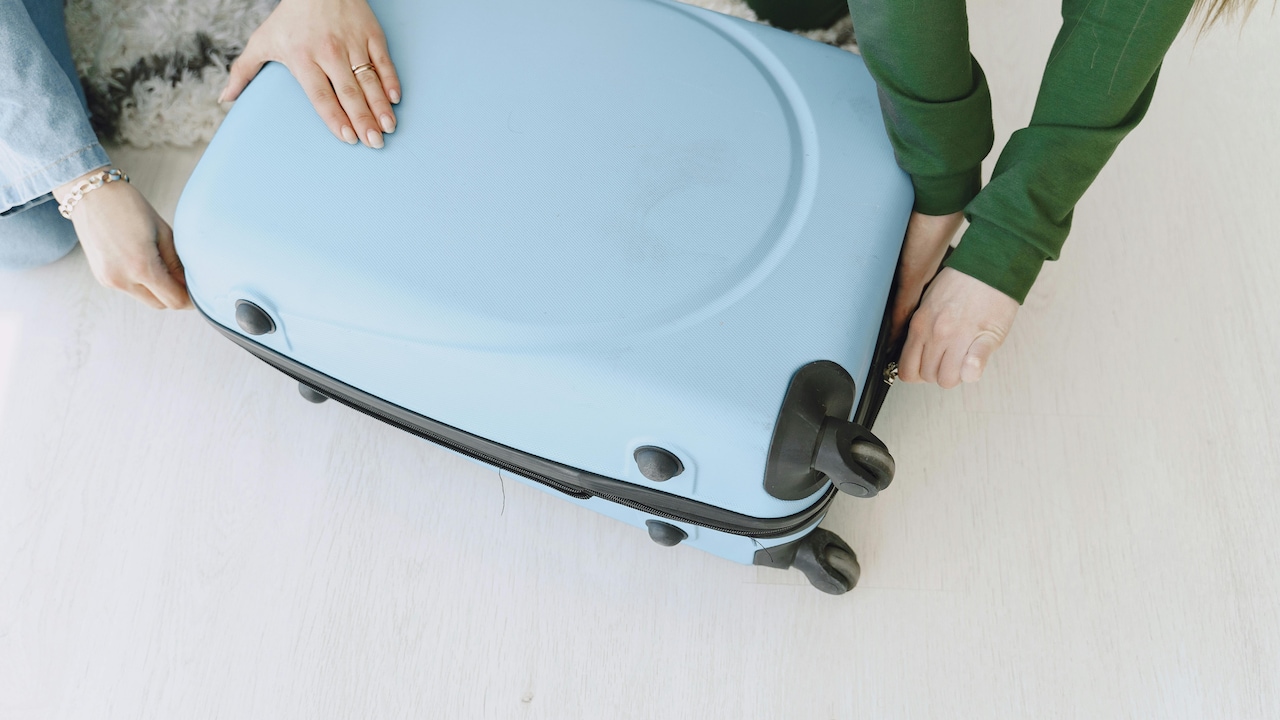
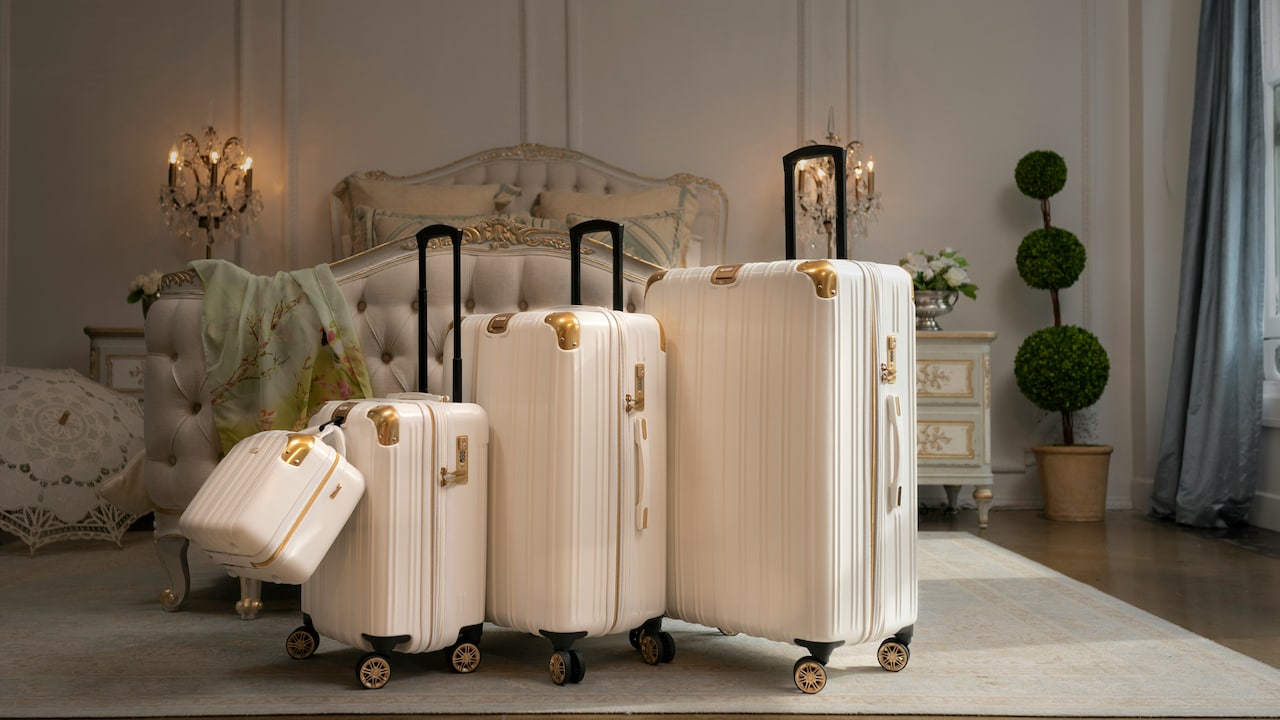
Best Suitcase for Rough Travel: Hard-Shell vs Soft-Sided Compared; Photo Credit: Pexels
Before Choosing, Let's Talk About the Real Travel Damage
1) The Real Enemy: Baggage Handling Isn't Personal, It's Chaos
It's easy to imagine baggage handlers picking out one suitcase to bully, like some sort of luggage villain origin story. But the truth is less dramatic and more brutal: speed rules everything.
Suitcases get stacked fast. They drop from conveyor belts. They slam into each other like bumper cars. They get crushed under heavier bags. Sometimes they get left in the rain. Sometimes they get dragged over concrete. It's not cruelty, it's the reality of volume.
In that chaos, a suitcase needs two things: shock absorption and flexibility.
Hard-shell luggage tends to take impact in one concentrated area. That's why it cracks, dents, or gets stress marks around corners. Soft luggage spreads the impact out. It compresses. It bounces back. It's less dramatic when it takes a hit.
Think of it like this: a coconut shell protects the inside until it cracks. A padded lunch bag gets squashed but often survives the ride.
In harsh handling, flexibility starts looking like a superpower.
2) Hard-Shell Suitcases: Strong on Paper, Vulnerable in the Wrong Spot
Hard-shell suitcases come with a promise: protection. The shell looks tough. The marketing says it resists damage. And yes, in the right situation, it does.
Hard cases protect well against crushing when they're stacked properly. They also guard against sharp objects poking into the bag. If someone packs gadgets, perfumes, or fragile souvenirs, the hard case feels like a safety helmet.
But here's the catch: hard shells don't like sudden point impacts.
One sharp knock on a corner, one drop off a trolley, one slam against a belt edge, and the case can crack. Once it cracks, it's not “a small issue”. It's a structural failure.
Scratches also show up fast. A glossy hard case looks premium for about three trips. Then it starts looking like it has been through an emotional phase.
Hard-shell luggage wins for protection in controlled conditions. Harsh travel is not controlled. That's where the cracks begin, literally.
3) Soft Suitcases: The Quiet Tank That Doesn't Show Off
Soft luggage rarely gets the same attention. It doesn't look futuristic. It doesn't sparkle under airport lighting. It doesn't scream “first-class energy”.
But in survival terms, soft suitcases behave like those old pressure cookers that refuse to die. The outer fabric takes scratches like it doesn't care. It shrugs off dents because it doesn't dent. It handles rough dragging reveals because it was built for it.
The biggest advantage is resilience.
Soft luggage flexes when squeezed. It compresses when shoved into tight spaces. It survives when someone stacks a heavier suitcase on top. It's the type of bag that can get bullied and still show up intact.
And the emotional bonus? Soft luggage ages gracefully. A few scuffs look like “travel stories”. Hard luggage scuffs look like “regret”.
Soft suitcases also tend to be easier to repair. A torn seam can be stitched. A zip can be replaced. A cracked hard shell, on the other hand, becomes a permanent weak point.
In the rough-and-tumble world of travel, soft luggage often wins by simply refusing to break.
4) Wheels and Handles: The Parts That Actually Die First
People argue about shells, but the real heartbreak usually happens lower down.
Wheels. Handles. Corner guards. The underbelly of the suitcase.
Most luggage doesn't fail because the shell gives up. It fails because a wheel snaps, and suddenly the suitcase becomes a stubborn pet that needs to be carried. Or the telescopic handle jams halfway, so it looks like the suitcase is doing an awkward salute.
Hard and soft suitcases both suffer here, but soft luggage often has a slight edge: it tends to be lighter. That reduces stress on wheels. And when a soft bag gets yanked, the fabric absorbs some force instead of transferring it directly to the frame.
Hard cases often have wheels attached to a rigid base. If the wheel housing cracks, repairs get tricky. Soft suitcases sometimes allow easier wheel replacement because the frame design is simpler.
The unglamorous truth: durability isn't about the shell alone. It's about whether the suitcase still rolls after being dragged across a parking lot full of potholes.
That's where soft luggage often keeps moving while hard luggage starts limping.
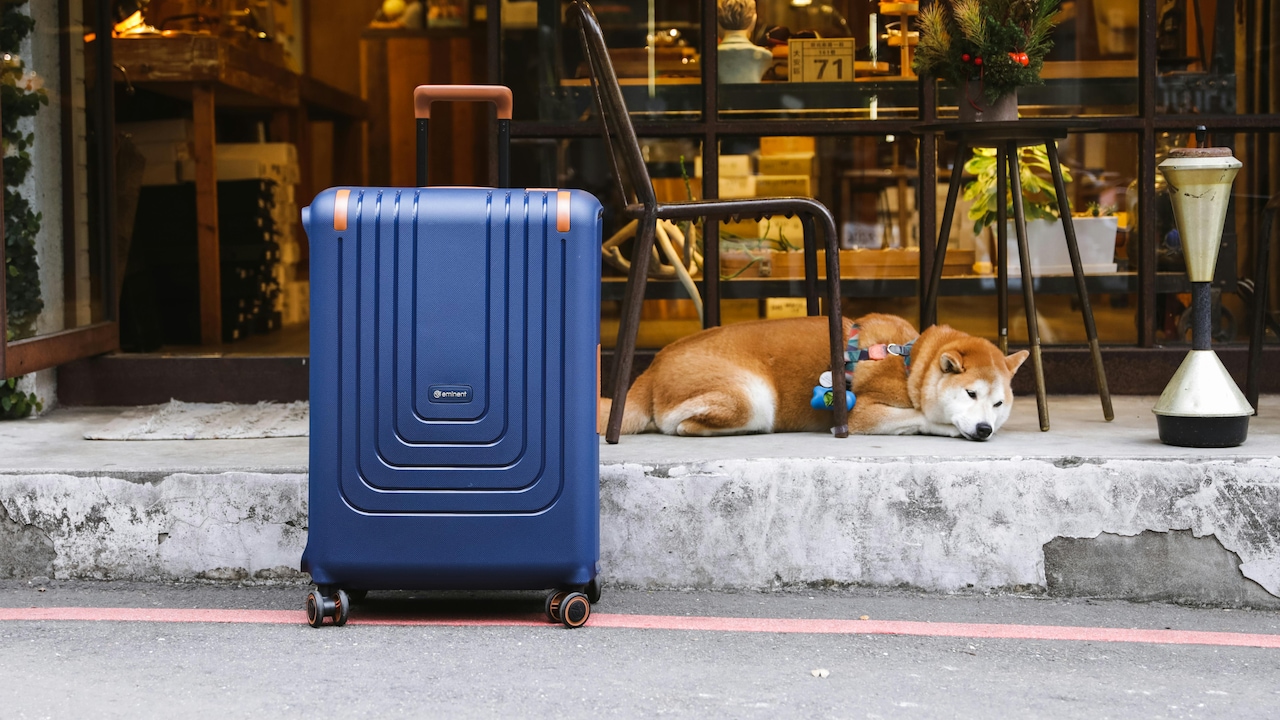
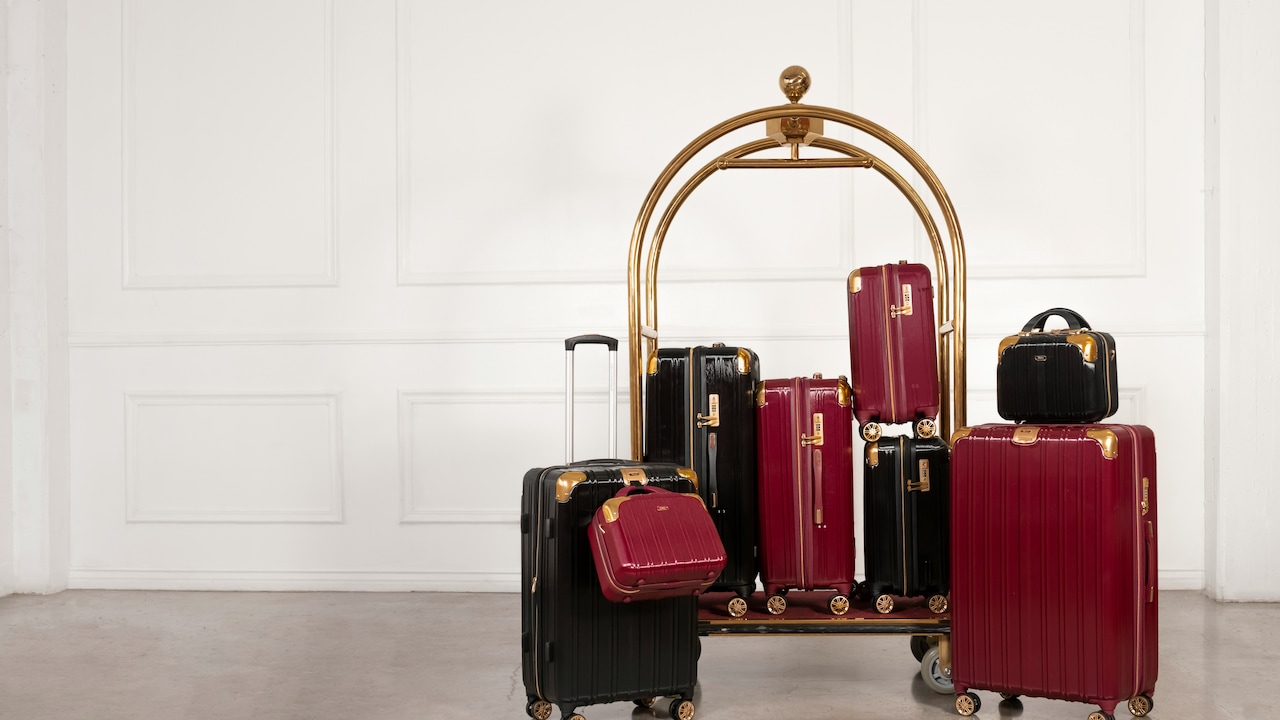
Best Suitcase for Rough Travel: Hard-Shell vs Soft-Sided Compared; Photo Credit: Pexels
5) Rain, Spills, and Monsoon Reality: Water Doesn't Care About Aesthetics
A suitcase doesn't travel only through airports. It travels through real weather.
There are railway stations where puddles become lakes. There are city pavements where rainwater collects, like it's saving up for something. There are taxis where luggage sits next to a leaking bottle of something mysterious.
Hard-shell luggage has one major advantage: it resists water better. A good, hard case with a tight seal can handle rain like a champ. Water beads off. No soaking. No damp clothes.
Soft luggage depends on fabric quality. Some come with a water-resistant coating. Many do not. Even if the fabric resists water, the zips usually don't.
But here's the twist: harsh handling and harsh weather rarely happen alone. If a soft bag gets wet, it may dry. If a hard bag cracks, water enters easily and stays trapped.
Soft luggage can also use rain covers. Hard luggage can't really “cover” damage.
For weather alone, hard luggage wins. But in real travel, weather plus impact make the durability story more complicated.
6) The Packing Game: Soft Bags Cheat (In a Good Way)
One reason soft luggage survives better is that it packs smarter.
Soft suitcases have external pockets. Side compartments. Expandable zips. Hidden sections for chargers, snacks, or last-minute items. They work with human behaviour, and human behaviour always includes overpacking.
Hard-shell cases have fixed volume. They don't forgive. If something doesn't fit, it simply doesn't fit. That's great for discipline, but discipline disappears the moment someone tries to bring back gifts.
Soft luggage can bulge a little without structural damage. It's like a bag that says, “Fine, pack the extra shoes, but don't make it a habit.”
Hard luggage, when forced, often suffers stress on the zip line and edges. The pressure builds. The shell may warp slightly. Corners become vulnerable.
There's also the “airport panic moment” where someone sits on the suitcase to close it. Soft luggage tolerates this far better. Hard cases might close, but the shell can develop hairline cracks over time.
In travel durability, packing behaviour matters. Soft luggage handles real human chaos better.
7) Scuffs, Scratches, and Social Embarrassment on the Carousel
Durability isn't only about survival. It's also about looking presentable after survival.
Hard-shell suitcases show damage like a billboard. Scratches stand out. Matte finishes hide some wear, but glossy finishes? Forget it. One trip and it starts looking like it slid down a staircase.
Soft luggage hides wear better. Scuffs blend in. Dust doesn't show as sharply. Even small stains don't scream for attention unless the colour is very light.
There's also the small but real carousel factor: hard cases look similar. A sea of black hard-shell bags looks like a lineup of identical suitcases trying to get jobs. Soft luggage tends to have more variety in texture and shape, making it easier to spot.
And yes, there's a tiny emotional win when a suitcase comes out looking “fine” while others look battered. It feels like winning without trying.
If the goal is long-term looks with less maintenance, soft luggage often ages better. Hard luggage looks better on day one. Soft luggage looks better on day fifty.
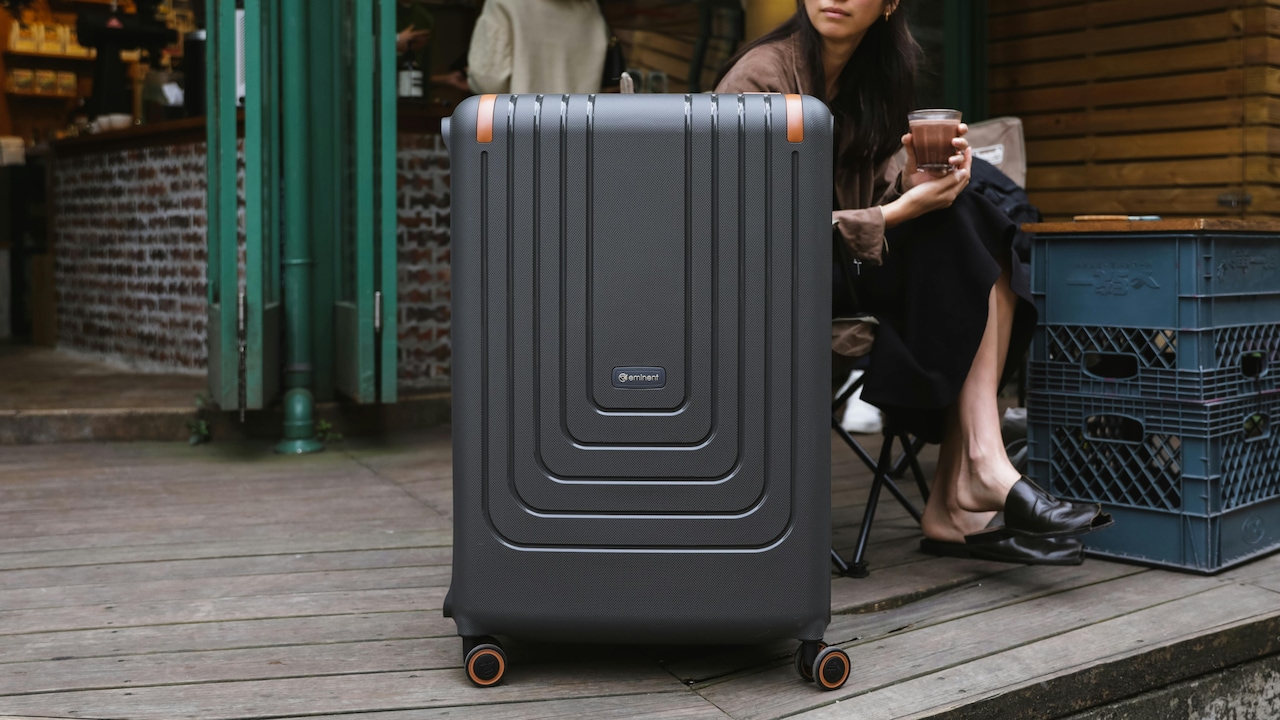
Best Suitcase for Rough Travel: Hard-Shell vs Soft-Sided Compared; Photo Credit: Pexels
8) Security and Theft: Which One Is Harder to Mess With?
This is where hard luggage gets a strong point.
Hard-shell suitcases usually come with integrated locks. Many have TSA-style locks, which help during international travel. The rigid body makes it harder to slip a hand in.
Soft luggage, especially with exposed zips, can be vulnerable. A sharp object can puncture fabric. Zips can be forced. External pockets can tempt opportunistic fingers in crowded places.
However, security is not only about the bag type. It's also about behaviour: using cable ties, wrapping luggage, avoiding flashy bags, and keeping valuables in cabin baggage.
Soft luggage can be secured with good locks and straps. But it does require extra care.
So yes, for security alone, hard luggage often wins. It feels more tamper-resistant.
But the durability debate is about surviving handling. A suitcase that stays secure but cracks open isn't exactly winning either.
The best approach: if choosing soft luggage, pick thick fabric and strong zips, and use a proper lock.
9) Price vs Lifespan: The ₹ Test That Nobody Wants to Do
Travel gear shopping always comes down to the wallet.
Hard-shell suitcases often cost more for the same brand tier. They look premium, and brands price them accordingly. Soft luggage can be more affordable while still being sturdy.
But the real cost isn't the price tag. It's the cost per trip.
A suitcase that costs ₹6,000 and lasts for five years becomes a great deal. A suitcase that costs ₹10,000 and cracks after eight trips becomes a very expensive disappointment.
Hard-shell luggage tends to have a higher “sudden death” risk. One crack can end the bag's life. Soft luggage tends to degrade slowly. A seam might loosen. A corner might wear. But it keeps functioning longer.
Repair costs matter too. Soft luggage repairs often cost less and can be done in local luggage markets. Hard-shell repairs can be difficult or impossible, depending on the material.
In pure value terms, soft luggage often wins because it offers more usable years per rupee spent. Hard luggage can still be worth it, but mainly for travellers who prioritise structure and security.
10) The Final Verdict: The Surprising Winner Depends on How You Travel
So, which suitcase survives harsh travel better?
For real-world rough handling, soft luggage often wins.
It flexes under pressure. It absorbs impact. It survives squeezing, dragging, and stacking. It hides scuffs better. It can be repaired more easily. It doesn't crack from one unlucky hit.
Hard luggage still has a place. It protects fragile items. It resists rain. It offers stronger tamper resistance. It looks sleek and modern.
But harsh travel is not a fashion show. It's a survival test.
And in survival tests, the “tough-looking” option isn't always the toughest.
Soft suitcases are like that quiet friend who doesn't talk much but always shows up when things go wrong. Hard cases are like the stylish friend who looks amazing but complains the moment the weather gets uncomfortable.
For frequent travellers, train-and-flight combos, crowded terminals, unpredictable weather, and heavy handling, a high-quality soft suitcase is often the smarter, longer-lasting choice.
The surprising winner is not the one that looks strongest; it's the one that bends and keeps going.
Products Related To This Article
1. Aristocrat FENCER STROLLY Textured Water Resistant Hard-Sided Medium Trolley Suitcase
2. Skybags Printed Soft-Sided Medium Trolley Suitcase
3. WROGN Kangaroo Laptop Hard 8 Wheel Cabin Trolley Suitcase - 20 Inch
4. Roadster Lead Soft Large Trolley Suitcase
5. Wildcraft Textured Pyxis Medium Trolley Suitcase
6. AMERICAN TOURISTER Kansas Spinner Trolley Bag
7. Safari Route Poly Carbonate Small Hard Trolley Bag
The hard vs soft suitcase debate won't end anytime soon, because both types solve different problems. Hard-shell luggage brings structure, security, and water resistance. Soft luggage brings flexibility, resilience, and long-term practicality.
But when the question is survival, harsh handling, rough roads, tight spaces, and unpredictable travel days, soft luggage usually outlasts hard luggage in the ways that matter most. It doesn't crack. It doesn't give up after one bad fall. It keeps rolling, even when travel turns chaotic.
So the next time someone says, “Hard cases are stronger,” the right response might be a smile and a simple truth:
Strength isn't always about being rigid. Sometimes, the toughest thing is the one that can bend, take the hit, and still make it to the hotel without drama.
(Disclaimer: This article may include references to or features of products and services made available through affiliate marketing campaigns. NDTV Convergence Limited (“NDTV”) strives to maintain editorial independence while participating in such campaigns. NDTV does not assume responsibility for the performance or claims of any featured products or services.)