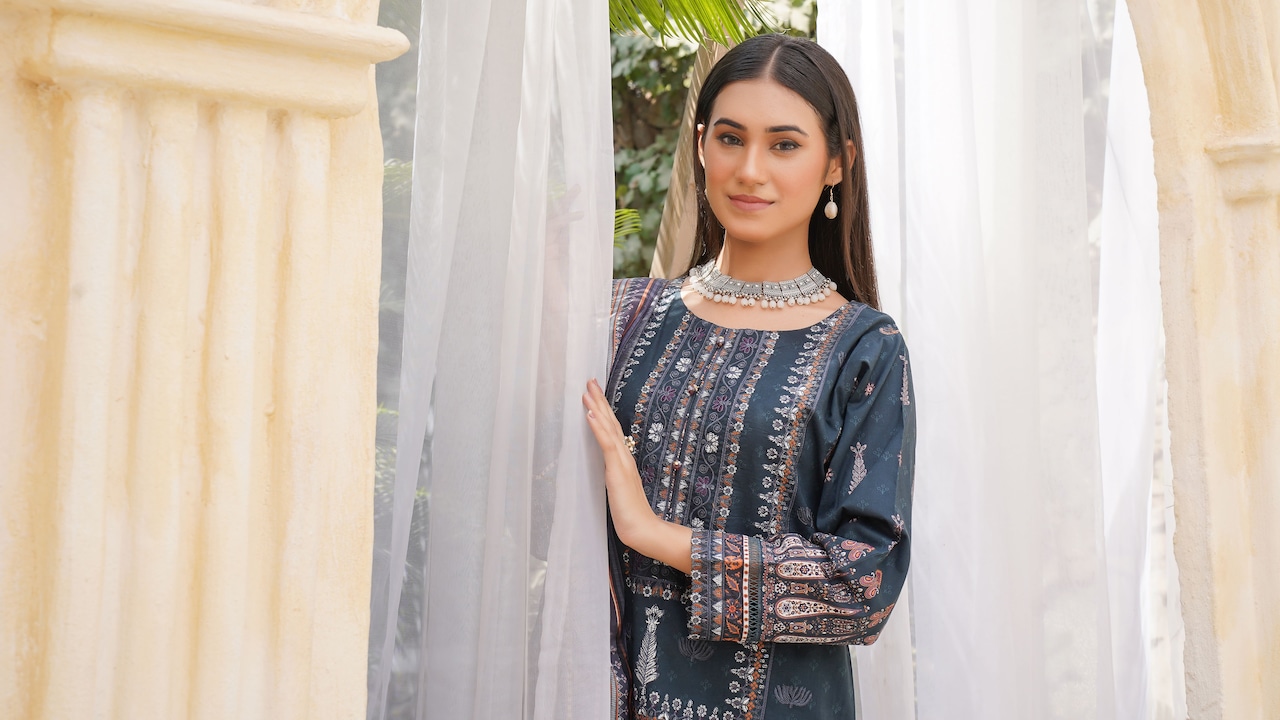
Why Sunglasses Look Stylish Indoors But Fail in Bright Sunlight
Sunglasses often look stylish indoors but disappoint in harsh sunlight. This piece explores the science, psychology, and fashion choices behind that contradiction, and why the sun exposes what indoor lighting hides.
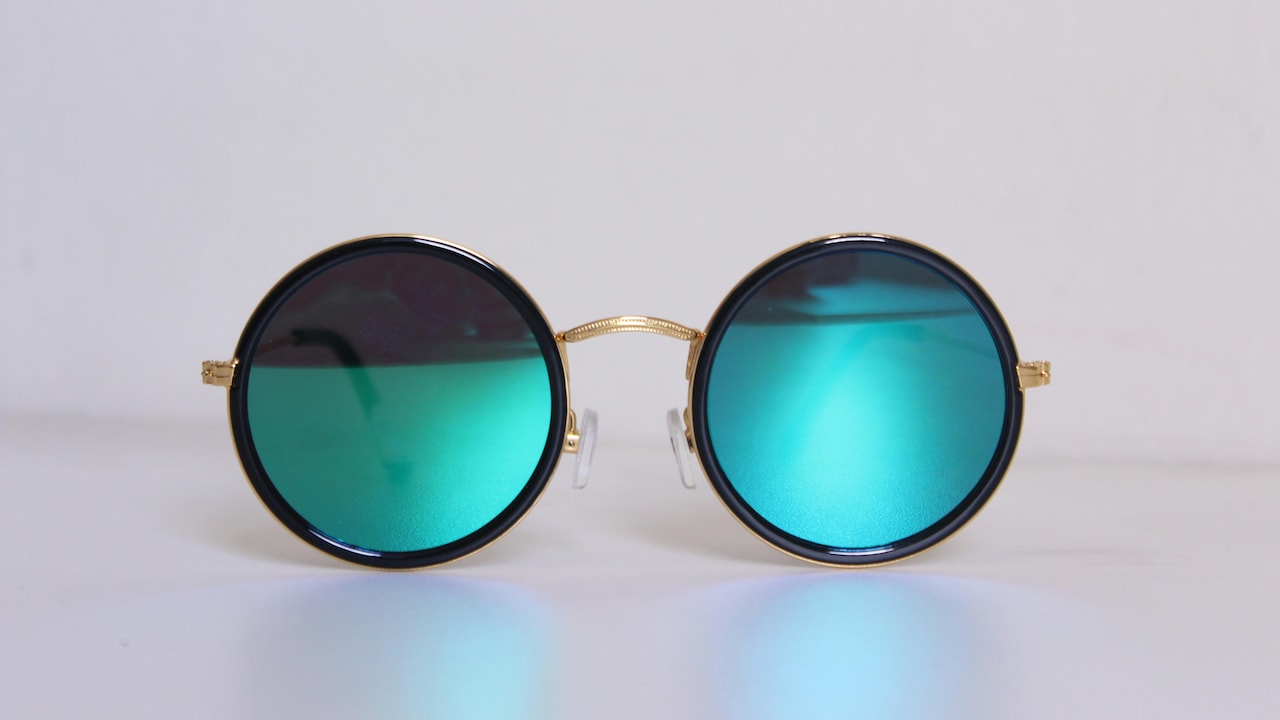
Know All About Why Your Sunglasses Look Good Indoors But Awful In Sunlight.
Sunglasses rarely behave the way they should. Designed to block glare and protect eyes, they somehow perform better as fashion accessories than practical tools. Inside a dim cinema lobby or a softly lit restaurant, they add flair. Under blazing afternoon light, they sometimes disappoint. Faces look harsher. Colours feel off. Confidence slips.
This strange contrast has little to do with eyesight alone. It connects to how humans perceive faces, how light behaves, and how style responds to context. Social habits also play a role. So does local weather, crowded streets, and the simple fact that many people choose sunglasses for looks rather than function.
From roadside chai breaks to rooftop weddings and beach holidays, sunglasses appear everywhere. Yet the moment sunlight hits hard, discomfort often follows. The reasons lie in design choices, lighting science, and unspoken social rules. Each tells a story worth exploring.
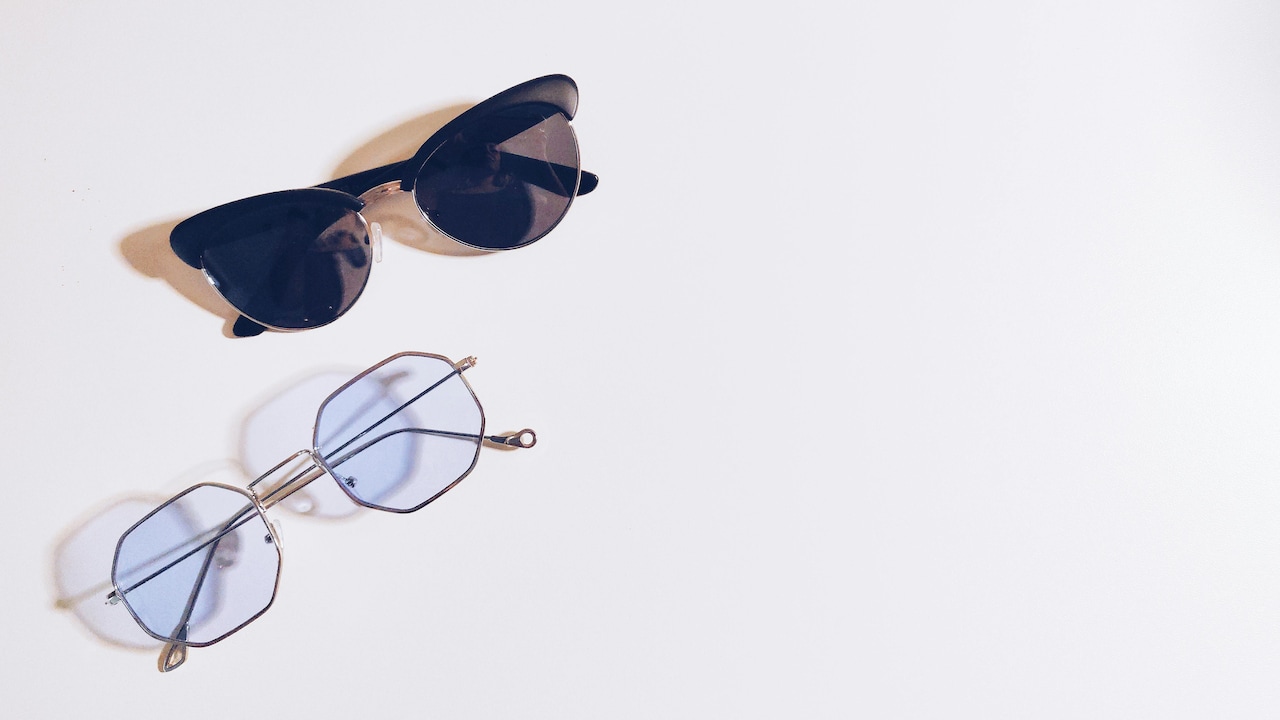
Why Sunglasses Look Stylish Indoors but Fail in Bright Sunlight
Photo Credit: Pexels
So Why Do Sunglasses Behave So Differently Indoors And Outside?
1. Indoor Lighting Flatters, Sunlight Exposes
Indoor spaces use controlled lighting. Soft yellow bulbs, shaded corners, and indirect light create balance. Sunglasses thrive here. Dark lenses add contrast and sharpen facial features without overwhelming them. Shadows look intentional. Faces appear smoother.
Sunlight shows no mercy. It falls straight, strong, and unforgiving. Every angle sharpens. Every flaw stands out. Sunglasses that looked sleek indoors may suddenly clash with skin tone or overpower facial structure. Frames feel bulky. Lenses appear too dark.
Indoor light also reduces glare naturally. Sunglasses do not need to work hard. Outside, especially at noon, lenses face intense brightness. If quality falls short, eyes strain. Squinting begins. The accessory loses its charm.
This explains why mirror selfies at malls feel stylish, while outdoor photos look odd. Lighting changes everything. Sunglasses simply reflect that truth.
2. Sunglasses Indoors Signal Attitude, Not Utility
Indoors, sunglasses act as a statement. They suggest confidence, mystery, and nonchalance. A person wearing them at a café seems relaxed, maybe playful. No one expects practical use.
Outside, expectations change. Sunglasses must perform. They should reduce glare, improve visibility, and protect eyes. When they fail, disappointment follows. The charm fades because function matters more than style under the sun.
This shift explains discomfort. Indoors, sunglasses behave like jewellery. Outdoors, they behave like equipment. Many pairs suit one role but not the other.
The mind notices this mismatch quickly. A stylish but impractical pair feels annoying outdoors. Indoors, nobody cares. That freedom makes them look better.
3. Frames That Shine Inside Feel Loud Outside
Thick frames, bright colours, and glossy finishes pop indoors. Controlled lighting makes them stand out without shouting. They feel bold but tasteful.
Under sunlight, the same frames can feel excessive. Colours reflect harshly. Glossy surfaces glare. Thick rims cast shadows on cheeks. What once looked fashionable now feels distracting.
Outdoor light amplifies everything. Subtle design flaws show up. Frames that looked premium indoors may reveal cheap finishes outside. Even expensive ones can feel overpowering.
This contrast pushes many people to prefer simpler frames outdoors. Thin metal rims or neutral colours behave better under sunlight. Yet fashion trends often favour bold indoor-friendly designs. That clash causes the problem.
4. Lens Darkness Feels Dramatic Indoors, Restrictive Outdoors
Dark lenses create drama indoors. They hide tired eyes, add mystery, and make expressions unreadable. That works well in social spaces.
Outside, darkness can become a burden. Sudden shade, uneven pavements, and moving traffic demand clarity. Overly dark lenses reduce detail. Depth perception suffers. The eyes work harder.
Many sunglasses sold for fashion use dark lenses without proper UV protection. Indoors, that does not matter. Outdoors, it causes discomfort.
This explains why some people remove sunglasses while walking outside, even in bright sun. The lenses feel too heavy for real-world navigation. Indoors, they remain effortless.
5. Social Comfort Changes With Location
Wearing sunglasses indoors breaks a small social rule. That rebellion feels stylish. It suggests confidence and independence. People notice, often positively.
Outside, everyone wears sunglasses. Standing out becomes harder. Attention shifts from style to suitability. Poor fit or odd design attracts negative notice.
Indoors, sunglasses feel intentional. Outdoors, they feel expected. Any deviation from comfort or proportion stands out more.
This psychological shift affects perception. The same pair feels cooler indoors because it bends norms. Outdoors, it must blend in. When it fails, it looks awkward.
6. Mirrors Lie, Sunlight Tells the Truth
Most indoor spaces offer flattering mirrors. Changing rooms use soft lights placed at eye level. Bathrooms use warm tones. Reflections look kind.
Sunlight acts like a brutally honest mirror. It reveals how sunglasses truly sit on the face. Crooked arms, uneven lenses, and poor fit show clearly.
This shock explains disappointment. A pair chosen indoors may look perfect in mirrors. Outside, reality hits.
Many buying decisions happen indoors. Shops rarely test sunglasses under real sun. That gap creates false confidence.
The result feels unfair. Yet sunlight simply refuses to lie.
7. Indoor Fashion Follows Mood, Outdoor Style Follows Weather
Indoors, style follows mood. Sunglasses match outfits, hairstyles, and attitudes. Comfort matters less.
Outdoors, weather dictates style. Heat, dust, sweat, and brightness demand practicality. Sunglasses must handle all four.
Fashion-first sunglasses struggle here. Slipping frames, fogging lenses, and poor grip ruin the experience. Annoyance replaces admiration.
This explains why classic aviators or sports styles perform better outdoors. They respect weather realities.
Indoors, none of that matters. A stylish but impractical pair feels perfectly acceptable. That freedom makes them shine.
Also Read: How To Choose Sturdy Kid-Proof Sunglasses That Don't Snap In A Week
8. Facial Expressions Matter More Outdoors
Sunglasses hide eyes. Indoors, that feels intriguing. Conversations feel casual. Expressions rely on tone and body language.
Outdoors, eyes help navigate crowds, traffic, and social cues. Hidden eyes can feel uncomfortable. Communication suffers.
People often push sunglasses up or remove them during outdoor conversations. Indoors, that urge disappears.
This subtle difference affects perception. Sunglasses feel more natural indoors because interaction feels optional. Outdoors, connection feels necessary.
That mismatch makes sunglasses feel out of place under the sun.
9. Quality Gaps Reveal Themselves Only Outside
Cheap sunglasses can look great indoors. Materials appear solid. Lenses seem dark enough. Comfort feels acceptable.
Sunlight exposes quality gaps quickly. Poor UV protection causes eye strain. Inferior coatings distort colours. Plastic frames heat up.
These issues remain invisible indoors. Outside, they dominate the experience.
This explains why people praise sunglasses until they step out. Regret follows quickly.
Investing in quality matters, yet many choose style over substance. Indoors, that choice feels right. Outdoors, it backfires.
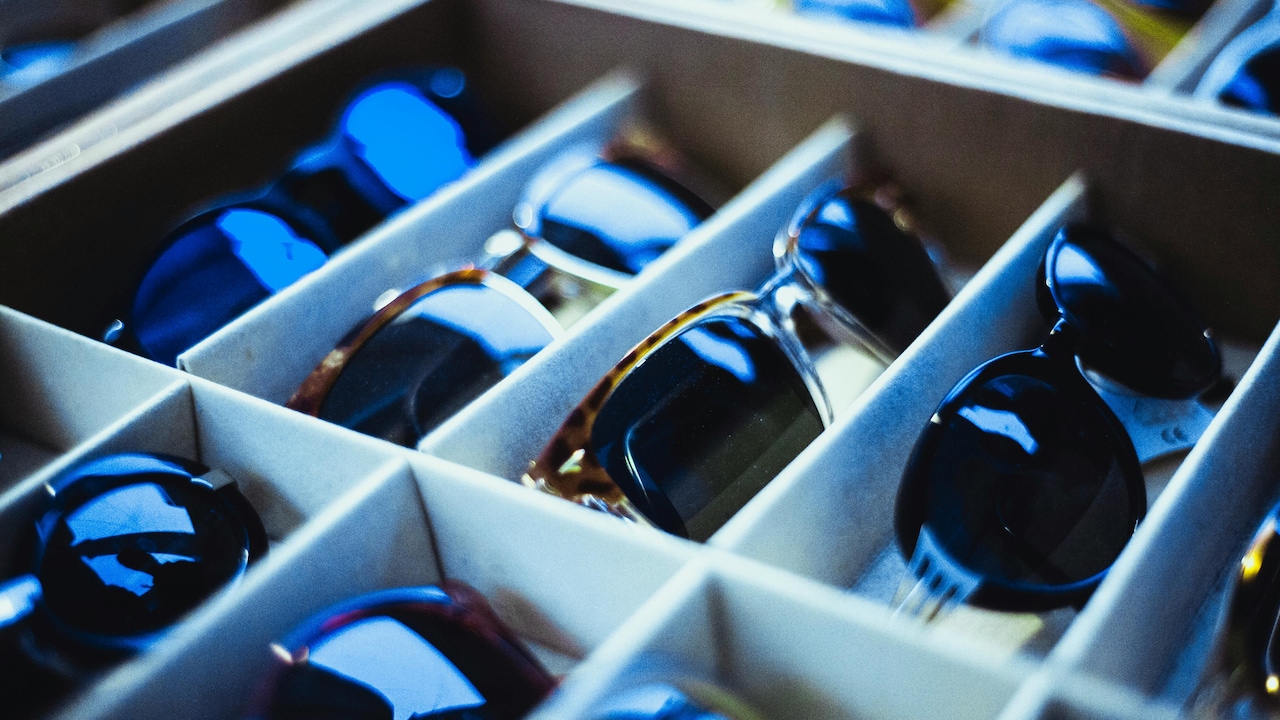
Why Sunglasses Look Stylish Indoors but Fail in Bright Sunlight
Photo Credit: Pexels
10. Sunglasses Indoors Feel Like Choice, Outdoors Like Necessity
Choice feels empowering. Wearing sunglasses indoors feels optional and expressive. That sense boosts confidence.
Outdoors, sunglasses feel necessary. The sun forces them on. That removes the element of choice.
Psychology responds strongly to this difference. What feels chosen feels stylish. What feels forced feels functional.
Sunglasses lose their charm when worn out of obligation. Indoors, they feel playful. Outdoors, they feel required. That emotional shift explains the entire paradox.
Products Related To This Article
1. Voyage Women UV Protected Cateye Sunglasses
2. VoyageUnisex Square Sunglasses
3. WROGN Unisex Square Sunglasses With UV Protected Lens 5227 gold blue pink
4. MANGO Women Rectangle Sunglasses
5. Carlton London Women Half Rim Square Sunglasses
6. DressBerry Women Pink Cateye Sunglasses with UV Protected Lens Cat-eye vergara Pink
7. Espee Men Rectangle Sunglasses with UV Protected Lens
Sunglasses suffer from an identity crisis. They balance between fashion and function, confidence and comfort, choice and necessity. Indoors, they lean into style. Outdoors, they face reality.
Lighting flatters or exposes. Social rules relax or tighten. Design flaws hide or reveal themselves. Each factor nudges perception.
Understanding this helps make better choices. Selecting sunglasses with outdoor performance in mind reduces disappointment. Accepting their indoor charm prevents frustration.
Sunglasses may never behave perfectly in sunlight. Yet recognising why they shine indoors makes the contradiction easier to enjoy. Sometimes, accessories exist not to solve problems, but to create moments. And sunglasses excel at that, just not always under the sun.
(Disclaimer: This article may include references to or features of products and services made available through affiliate marketing campaigns. NDTV Convergence Limited (“NDTV”) strives to maintain editorial independence while participating in such campaigns. NDTV does not assume responsibility for the performance or claims of any featured products or services.)