How To Choose Travel Luggage That Survives Rough Handling
From baggage belts to crowded platforms, luggage takes a beating. This guide explains how to choose travel bags that handle rough treatment, protect your belongings, and last trip after trip without unpleasant surprises.
Travel Luggage Buying Guide: How to Choose Bags That Last Through Rough Handling.
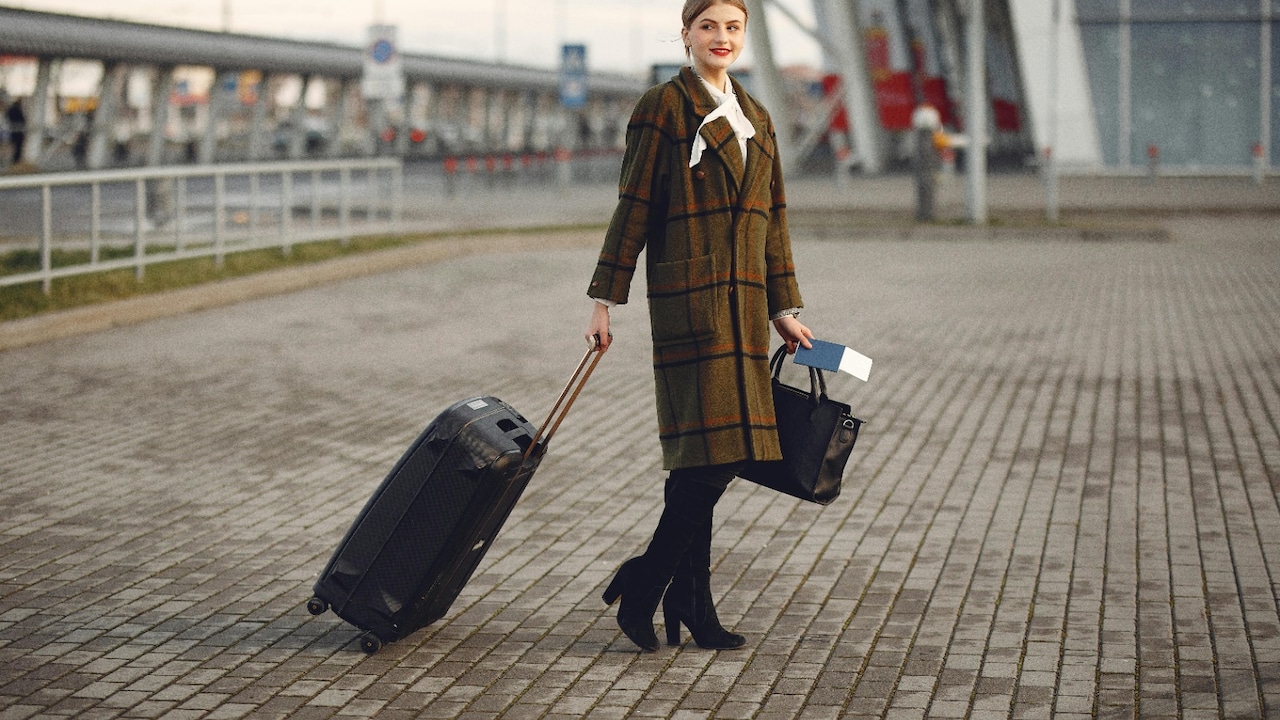
Every seasoned traveller carries at least one luggage horror story. A cracked suitcase at baggage claim. A wheel is missing somewhere between Delhi and Kochi. A zip that gives up just when the taxi arrives. Rough handling forms part of modern travel, whether by air, train, or bus. Baggage often meets conveyor belts, stacked cargo holds, hurried porters, and uneven roads. Choosing luggage becomes less about looks and more about survival. Consider these 10 things before buying your next travel luggage.
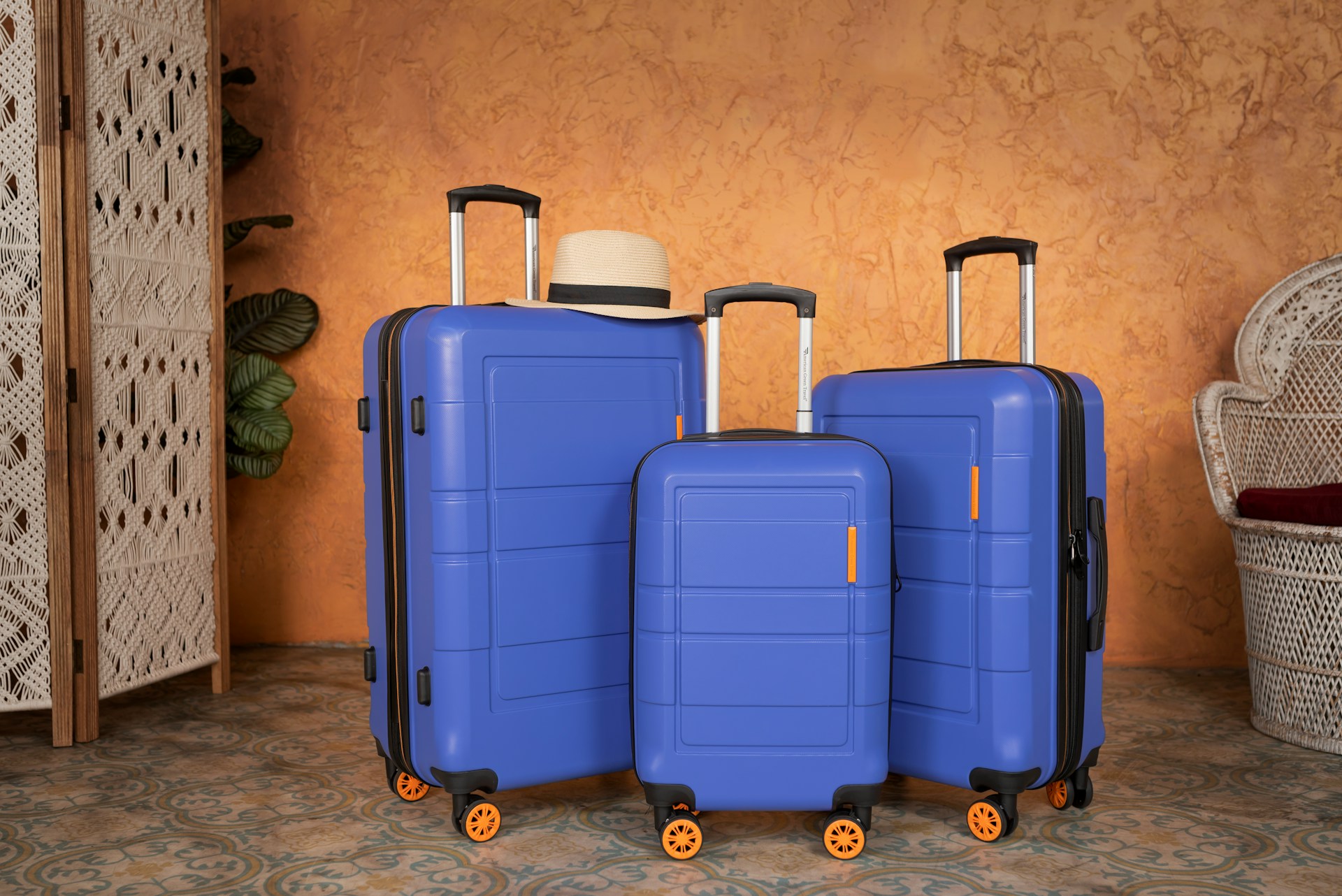
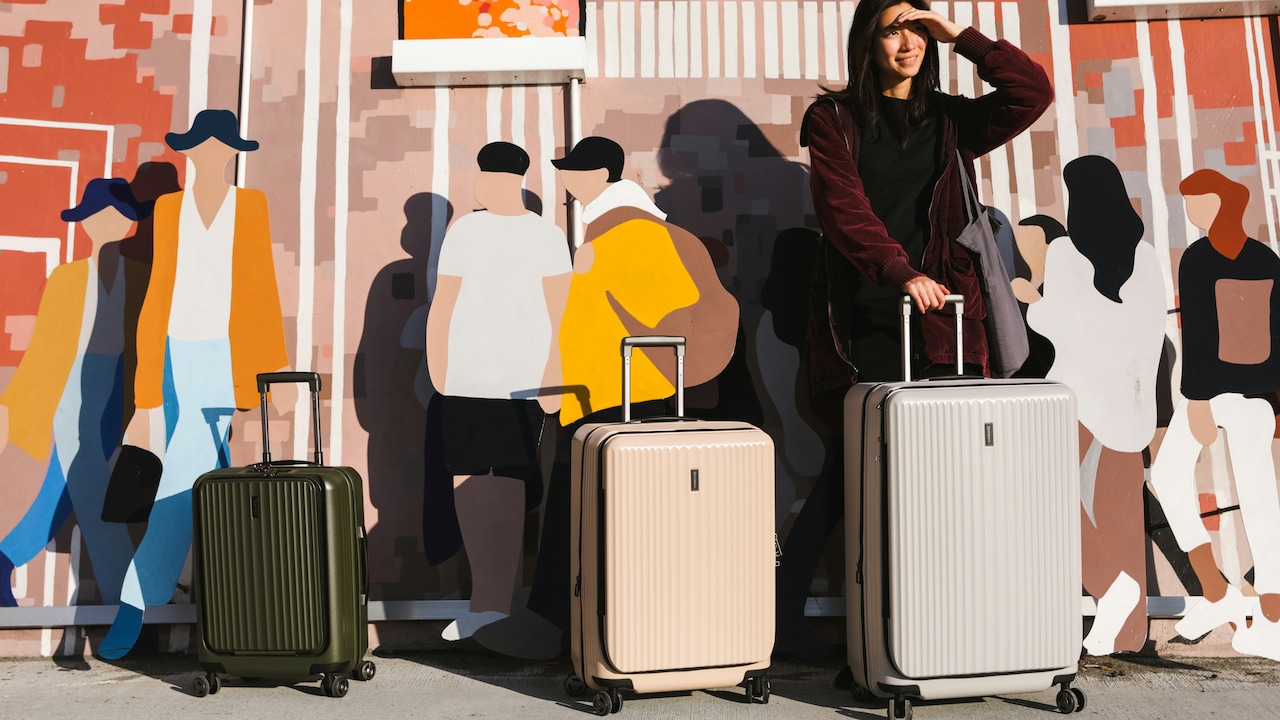
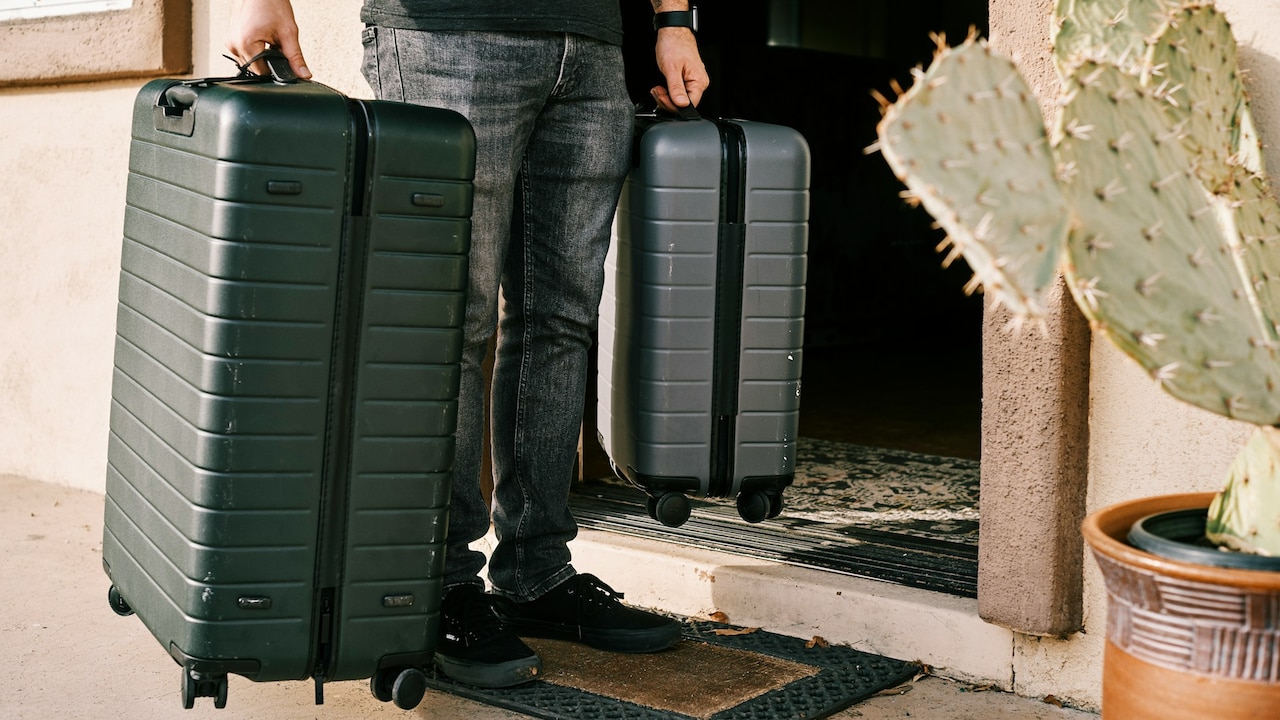
Use this travel luggage buying guide before planning your next outdoor adventure; Photo Credit: Unsplash
Travel today demands luggage that stays strong, flexible, and reliable. This article breaks down the key factors that separate dependable travel companions from one-trip wonders. From materials and wheels to zips and warranties, each section focuses on practical insights that help luggage endure the toughest journeys.
Also Read: From Work Trips To Long Vacations: Explore Different Luggage Bags For Easy Travel
The Non-Negotiables Of Luggage Built For Hard Travel
1. Choose the Right Shell: Hard vs Soft Luggage
The first big decision often comes down to shell type. Hard-shell luggage usually earns high marks for impact resistance. Polycarbonate and polypropylene shells handle drops, pressure, and sudden knocks far better than cheaper plastic. These materials flex instead of cracking, which proves useful when bags get squeezed into crowded cargo holds. A good hard case also protects fragile items like souvenirs or electronics during bumpy rides.
Soft luggage, on the other hand, offers flexibility and extra pockets. High-quality fabric options made from ballistic nylon or thick polyester can survive rough treatment surprisingly well. These bags suit travellers who prefer external access and slight expansion for last-minute shopping. However, low-grade fabric tears easily, especially when dragged across platforms or loaded carelessly.
For frequent flyers and long-distance train travellers, a sturdy hard case often makes more sense. For shorter trips or road journeys, a reinforced soft bag can work just as well. The key lies in material quality, not just appearance or brand name.
2. Material Matters More Than Brand Names
Many shoppers focus on logos, assuming popular brands guarantee durability. Material quality matters far more. Polycarbonate ranks among the strongest materials for hard luggage. It resists cracks, absorbs shocks, and handles repeated stress well. ABS plastic costs less but cracks more easily under pressure, making it less suitable for rough handling.
For soft luggage, ballistic nylon stands out. Originally developed for military use, it resists abrasion and tearing. Thick polyester also performs well when tightly woven and properly coated. Thin fabric might look smart in the shop, but it rarely survives real travel.
Metal frames add strength to both hard and soft luggage. Aluminium corners or internal frames help maintain shape after repeated impacts. Checking material details before buying saves money and frustration later. A suitcase that survives years of travel offers far better value than a stylish option that fails after one holiday.
3. Wheels That Roll Through Chaos
Wheels often suffer first when luggage meets rough handling. Two-wheel suitcases drag well on uneven roads but struggle in crowded terminals. Four-wheel spinner luggage glides smoothly but needs a strong wheel housing to survive rough use. Cheap spinners tend to wobble, jam, or snap under weight.
High-quality luggage uses rubber-coated wheels with metal bearings. These wheels absorb shocks and roll quietly over broken pavements, station platforms, and hotel lobbies. Wheel size also matters. Slightly larger wheels handle cracks and bumps far better than tiny plastic ones.
Testing wheels in-store helps. A gentle push should result in smooth movement without rattling sounds. Strong wheel mounts indicate durability. Considering replacement options also helps, as some brands offer spare wheels. Reliable wheels reduce physical strain and prevent the embarrassment of dragging a lopsided suitcase through a busy terminal.
4. Zips, Locks And Closures That Hold Firm
Zips face enormous stress during travel. Overpacked bags, rough handling, and sudden pressure test their limits. High-quality luggage uses double-coil or puncture-resistant zips that resist forced entry and splitting. Thick zip teeth and sturdy pullers last longer than thin, flimsy alternatives.
Integrated TSA-approved locks add security and peace of mind. These locks allow authorised inspection without damaging the bag. Combination locks prove more reliable than key-based options, which often get misplaced during hectic journeys.
Some premium luggage uses aluminium frames with latch closures instead of zips. These frames offer excellent strength and water resistance. However, they cost more and weigh slightly more. For most travellers, reinforced zips paired with strong locks strike the right balance between durability and convenience.
5. Handles That Survive Lifts and Drops
Handles endure more abuse than expected. Bags get lifted into overhead racks, pulled off conveyor belts, and dragged across platforms. Weak handles crack or jam quickly. Telescopic handles should extend smoothly and lock firmly without wobbling.
Aluminium handle rods outperform plastic ones in strength and longevity. Multi-stage handles allow height adjustment, making movement easier for different users. Side and top carry handles should feel solid and padded, reducing strain during short lifts.
Testing handles before purchase proves essential. A gentle shake reveals weakness immediately. Reinforced stitching or riveted attachments indicate durability. Strong handles make travel smoother, especially during rushed connections or crowded boarding areas where bags receive little sympathy.

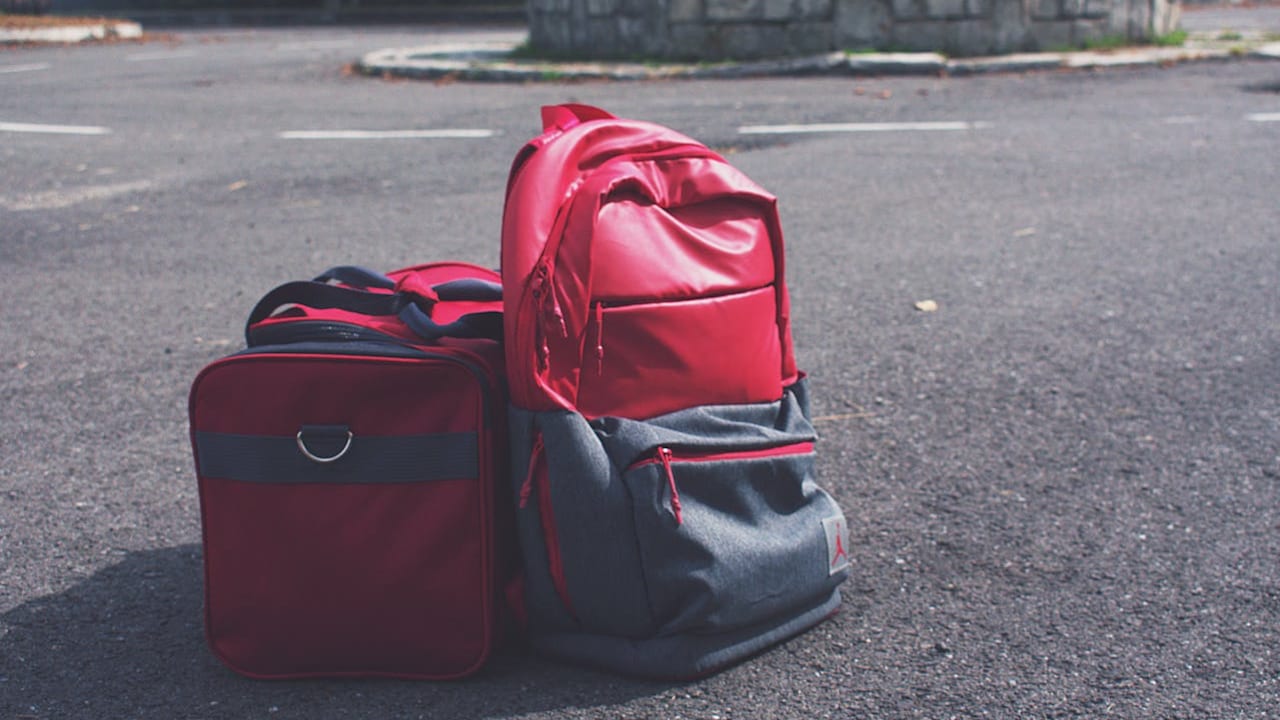
Go for a travel bag that can handle accidental lifts and drops; Photo Credit: Unsplash
6. Weight Balance and Structural Design
A strong suitcase should also maintain good balance. Poorly designed luggage tips over easily, placing extra stress on wheels and handles. Internal weight distribution plays a big role here. Well-designed compartments keep items stable during movement.
Rigid frames help luggage retain shape even when fully packed. Internal compression straps reduce shifting, which prevents uneven pressure on shells and seams. For soft luggage, internal panels add structure and protect contents.
Lightweight design also matters. Heavy luggage encourages overpacking and strains components. Modern materials allow strength without excessive weight. A balanced suitcase feels stable whether pulled, pushed, or lifted, reducing wear and tear over time.
7. Water Resistance for Unpredictable Conditions
Travel rarely guarantees perfect weather. Sudden rain showers, wet tarmac, and damp baggage holds threaten luggage contents. Water-resistant materials offer essential protection. Hard-shell cases naturally resist water better, while soft luggage benefits from special coatings.
Sealed seams, waterproof zips, and tight closures prevent moisture from seeping inside. Some bags include rain covers, which prove useful during bus journeys or monsoon travel. Checking for drainage holes also helps, as trapped water can damage fabric and contents.
A soaked suitcase ruins clothes and documents quickly. Investing in water-resistant luggage saves time, money, and frustration. It also adds confidence when travel plans involve multiple modes of transport and unpredictable environments.
8. Size, Capacity, and Overpacking Risks
Choosing the right size plays a crucial role in durability. Overstuffed luggage places constant strain on seams, zips, and wheels. Medium-sized cases often survive better than oversized ones because they discourage excessive packing.
Expandable luggage offers flexibility but requires caution. Expansion zips weaken the structure if used constantly. Using expansion only when necessary extends the bag's lifespan. Internal organisation also helps maximise space without overloading.
For frequent travel, owning multiple sizes proves practical. A compact cabin bag for short trips and a sturdy check-in case for longer journeys reduce wear. Proper sizing ensures luggage handles roughen without bursting at the seams.
9. Repairability, Warranty And After-Sales Support
Even the toughest luggage may need repairs eventually. Wheels wear out, handles loosen, and locks malfunction. Brands that offer easy repairs and spare parts deserve attention. Local service centres save time and shipping costs.
Warranty terms reveal confidence in product quality. A long warranty often indicates better materials and construction. Reading warranty coverage helps understand what repairs qualify and what do not.
Paying slightly more upfront for good after-sales support often proves cheaper over time. A repairable suitcase stays in service for years, reducing waste and repeated purchases. Reliable support adds reassurance during long-term travel planning.
10. Real-Life Travel Scenarios That Test Luggage
Picture a crowded railway platform during festival season. Bags stack high, porters rush, and trains wait for no one. Luggage faces drops, drags, and pressure. Or imagine baggage carousels where suitcases tumble freely, bumping into each other without mercy.
Durable luggage handles these moments without complaint. Strong shells prevent cracks. Reliable wheels roll smoothly despite chaos. Secure zips stay shut even when bags get squeezed. These real-world situations reveal the true value of quality luggage.
Travel memories should centre on destinations, not damaged bags. Choosing luggage designed for tough conditions transforms travel experiences. Confidence replaces anxiety, allowing focus on journeys rather than repairs or replacements.
Products Related To This Article
1. Aristocrat Unisex Fencer Pro Hard Shell Medium Trolley Suitcase 61L
2. WROGN Unisex Kangaroo Hard Sided Cabin Trolley
3. Safari Oasis Neo Printed 8-Wheel Hard-Sided Cabin Trolley Bag
4. Aeropostale Textured Hard-Sided Trolley Cabin Trolley Suitcase
5. Nasher Miles Vienna Polypropylene Medium Pink Trolley Bag - 24 Inch
6. Wildcraft Textured Pyxis Medium Trolley Suitcase
7. Skybags Play Textured Hard Cabin Trolley Suitcase
Travel luggage endures far more than casual observers realise. From rough handling to unpredictable weather, a suitcase faces constant challenges. Choosing the right luggage involves careful attention to materials, design, and construction rather than trends or flashy looks. Strong shells, reliable wheels, sturdy handles, and secure closures form the foundation of durable travel gear. A well-chosen suitcase becomes a trusted companion across cities, stations, and terminals. With the right luggage, travel feels lighter, easier, and far more enjoyable.
(Disclaimer: This article may include references to or features of products and services made available through affiliate marketing campaigns. NDTV Convergence Limited (“NDTV”) strives to maintain editorial independence while participating in such campaigns. NDTV does not assume responsibility for the performance or claims of any featured products or services.)