10 Reasons Why Your Air Purifier Is Not Working: Filters, CADR And Other Fixes
Homes across the country now buzz with air purifiers, especially when dust storms. Yet many wonder why this expensive machine does not behave like a health guardian. Explore what goes wrong, what to change and how to revive your purifier. Here's what might be causing your air purifier not to work.
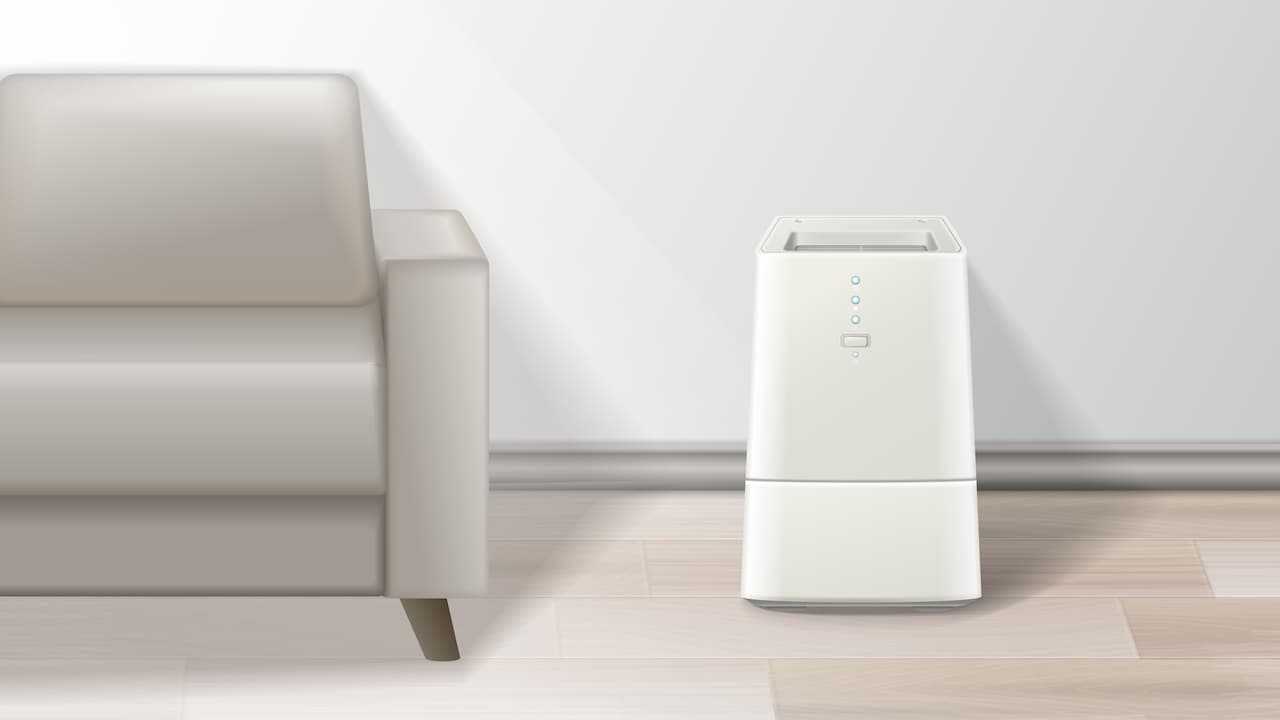
Air Purifier Troubleshooting Guide: Low CADR, Dirty Filters And Simple Fixes That Actually Work.
A good air purifier promises cleaner lungs, calmer sleep and a home that smells a little less like traffic fumes. Many families bring one home with high hopes, place it in the living room and expect miracles. After a few weeks, the magic begins to fade. The air feels stuffy again, the sneezes return, and the purifier's indicator keeps flashing red. This story plays out everywhere. Life gets busy, filters gather layers of dust, power settings remain unchanged, and machines struggle to keep up with rising pollution levels. It helps to remember that an air purifier behaves much like a two-wheeler. It runs well when maintained, cleaned and used according to its capacity. Ignore the basics, and frustration arrives quickly.
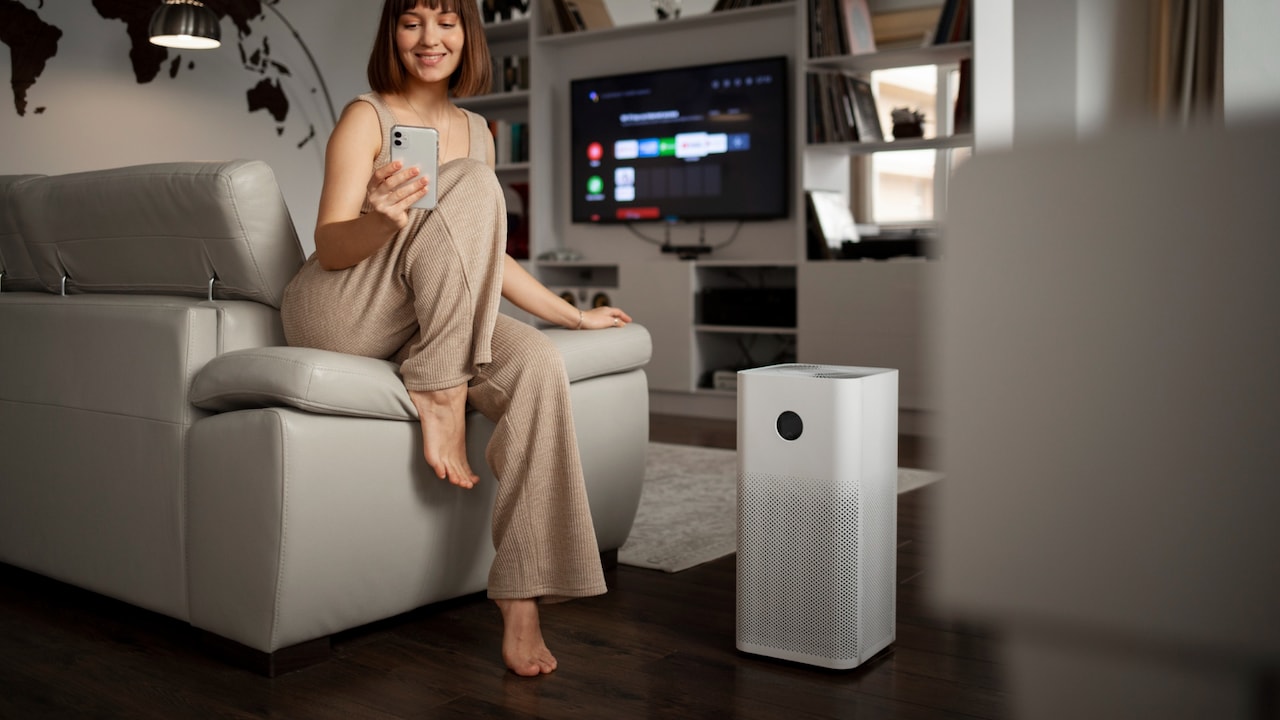
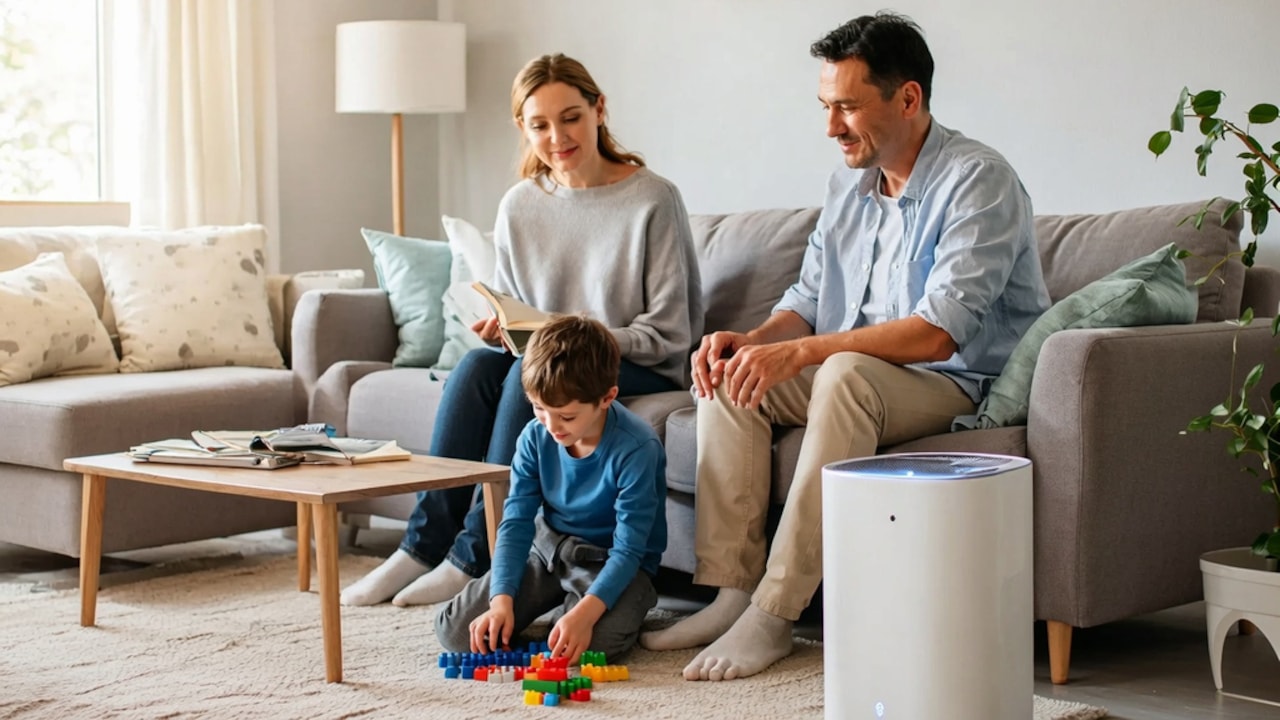
10 things to know about why your air purifer might not be working; Photo Credit: Freepik
This article walks through common reasons why an air purifier fails, what to check first and how to make the machine perform the way the brochure promised. Nothing technical, nothing intimidating, just clear fixes and home-friendly tips.
Also Read: Breathe Easy: How To Pick The Best Air Purifiers For Dusty City Homes With Open Windows
The Fix-It List: Understanding What's Actually Causing the Problem
1. Clogged Filters Slow Everything Down
Filters face pollution head-on. Dust, smoke, hair, pollen and tiny particles latch onto the filter surface every minute. In a busy city, this build-up grows fast. Many homes run purifiers for eight to ten hours a day, especially during winter, and the filter collects enough grime to choke the airflow. A choked filter forces the purifier to strain harder. The air comes out weaker, the noise level rises, and the machine warms up. Soon, the purifier seems useless even though the motor still runs.
A quick look inside often surprises people. A filter that once looked snow-white now resembles a grey rag pulled from an old storeroom. Cleaning the pre-filter every week helps a great deal. A simple rinse under running water or a soft brush removes a big chunk of dirt. HEPA and carbon filters usually need replacement every six to twelve months, depending on pollution levels. Skipping this replacement often leads to recurring sneezes, itchy eyes and a purifier that never shifts from a red indicator. A fresh filter restores airflow instantly and makes the machine feel new again.
2. CADR Too Low For Room Size
Every purifier carries a CADR number, the Clean Air Delivery Rate. Many shoppers overlook it because the box displays glossy features and long filter names. CADR tells a simpler truth: how much clean air the purifier produces in an hour. A low-CADR purifier in a large bedroom behaves like a ceiling fan on its slowest speed. It runs, but the effect feels minimal.
A living room of 250 square feet needs a purifier with a CADR above 250 m³/h for steady comfort. Some households place a purifier meant for a small study in a large hall and assume something broke. The machine simply lacks the power. Air exchange matters. More airflow means more cleaning cycles per hour.
Upgrading becomes necessary when the purifier gasps to handle the festive smoke season or summer dust storms. Spending an extra ₹2,000–₹3,000 for a higher-CADR model saves years of frustration. Families often notice the difference on the first day, the air feels lighter, smells fresher and stays cleaner for longer. Understanding CADR prevents mismatches and ensures every corner of the room breathes better.
3. Wrong Placement Reduces Efficiency
The purifier's position influences performance more than people realise. Many households place it behind sofas, next to curtains or on the floor beside a wall. This blocks the airflow and turns the machine into a fancy night-light. Air purifiers rely on open space. They work best when they pull dirty air from one side and push clean air from the other without obstacles.
Keeping the device at least a foot away from walls makes a visible difference. Bedrooms often benefit when the purifier stands near the foot of the bed or along a clear pathway where people walk. Pollutants move with human activity. A purifier in an open zone catches dust faster.
Avoid corners because air stagnates there. Avoid placing purifiers next to open windows during peak pollution hours because the device competes with outdoor smoke. A little rearrangement reshapes results. Families who moved their purifier just three feet from its old spot often report a calmer environment and fewer morning headaches. Placement isn't decoration, it's science made simple.
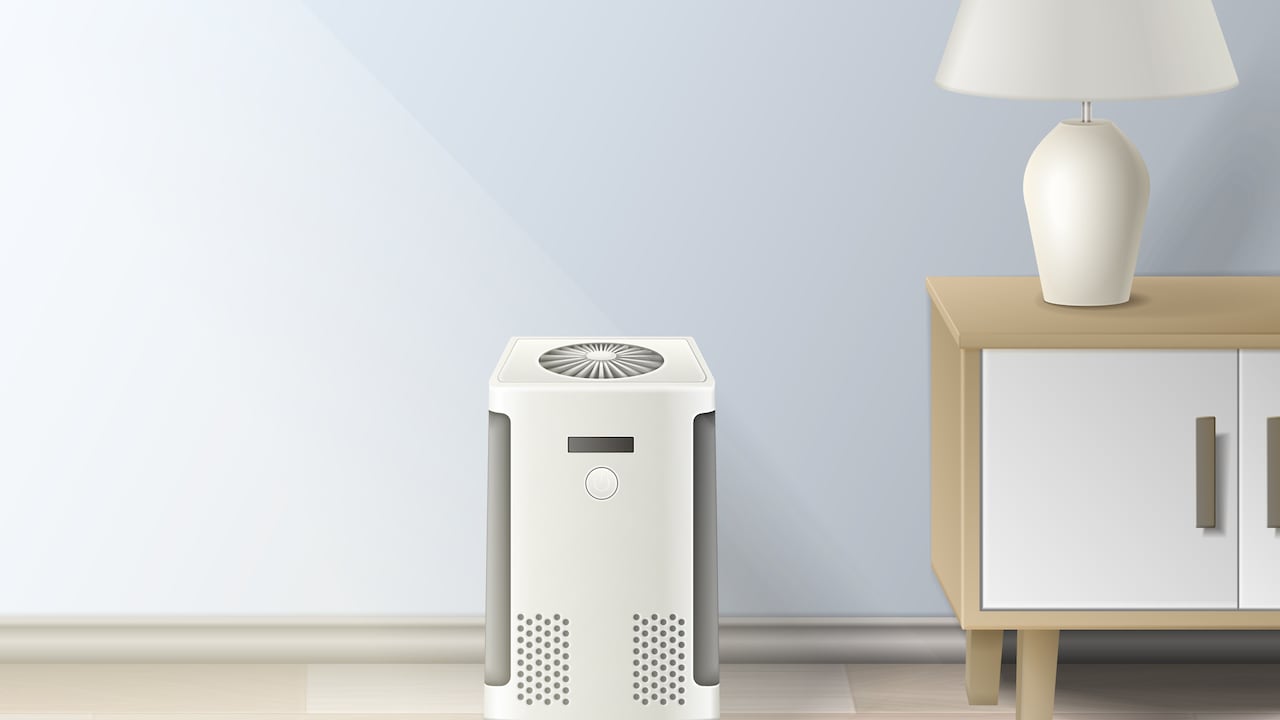
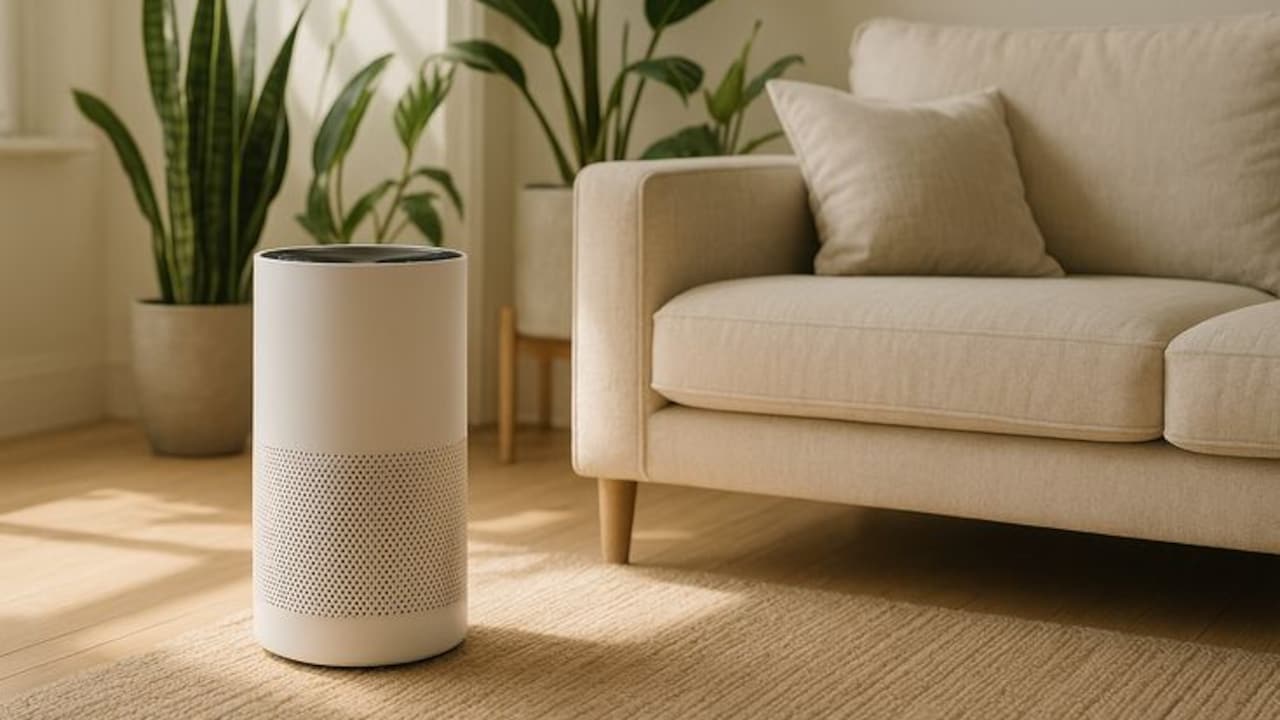
Ensure that the purifier is placed in a well ventilated area; Photo Credit: Freepik
4. Ignoring Pre-Filter Cleaning Routines
The pre-filter acts like a goalkeeper. It catches big dust particles before they reach the HEPA filter. Homes with pets, school-going kids or busy roads outside gather dust faster. A pre-filter left uncleaned restricts airflow and shortens the life of the costlier HEPA filter. Many households clean the machine only when the performance dips. By then, the pre-filter often carries a thick, felt-like layer of dirt.
A two-minute cleaning routine each weekend saves money and improves air quality. Rinsing the mesh under water or gently wiping it with a cloth does the job. Some purifiers even come with a washable pre-filter designed for frequent cleaning. A clean pre-filter means the HEPA filter works less hard and lasts longer.
Neglect leads to higher electricity bills, weaker airflow and a purifier that seems louder than usual. Regular upkeep keeps the entire system running smoothly. Think of it like cleaning a kitchen chimney mesh; one small step improves everything else.
5. Running The Purifier On Low Fan Speed
Many users run purifiers on low mode because the machine sounds quieter. Low speed offers a soothing hum, especially at night, but it slows purification drastically. During heavy pollution days, low speed barely makes a dent in PM2.5 levels. It cleans the room too slowly, and people wake up with a blocked nose, dry throat or tired eyes.
Medium or high speed clears the room far faster. A good routine involves running the purifier at high speed for the first 30 minutes, then switching to medium. At night, once the room feels cleaner, sleep mode works fine. Families that run purifiers on turbo mode during the evening often notice the air smells fresher by dinner time.
Noise matters, of course, but many modern purifiers stay reasonably quiet even on medium. The gain in comfort outweighs the minor sound difference. Running at the right speed costs the same electricity but delivers far better results. Speed controls aren't decoration; they determine how quickly your skin, lungs and mood feel the benefit.
6. Overlooking Room Leakage and Open Doors
A purifier performs best in a closed room. Constantly open doors, half-shut windows or gaps under doors let polluted air sneak in. This forces the purifier to work nonstop with no real improvement. Many families complain their purifier never shifts from red to green, even after hours of use. The reason often lies in the room, not the machine.
Simple fixes help. Use door-bottom stoppers, keep windows closed during peak smoke hours and reduce foot traffic between rooms. Once the room stays sealed, the purifier stabilises quickly and reaches ideal levels faster. During festival periods, some families switch to thicker curtains or keep balcony doors shut until the evening breeze settles.
Leaky rooms drain performance the way a leaking bucket wastes water. The purifier keeps cleaning the air, but fresh pollutants keep entering. Plugging these gaps gives the machine a fair chance to perform. Cleaner rooms feel calmer, smell fresher and reduce that lingering dryness felt in high-pollution seasons.
Never overlook room leakage from open doors and windows; Photo Credit: Freepik
7. Carbon Filter Saturation Causes Odour Problems
HEPA filters handle tiny particles, but carbon filters manage smells, smoke and chemicals. When a carbon filter saturates, homes begin to smell stale again. Kitchens feel stuffy, cigarette smoke lingers longer, and living rooms pick up odours from wet clothes or dust. Many users assume the purifier malfunctioned, but the real culprit lies in the charcoal layer losing its absorption capacity.
A carbon filter usually lasts six months to a year. Households near busy roads or construction zones might need replacements sooner because outdoor fumes enter more frequently. Using incense sticks, aerosol sprays or strong cleaners indoors also strains the carbon filter.
When odours return despite regular cleaning, replacing the carbon filter often solves the issue within hours. A fresh filter brings back that crisp, neutral scent that people expect from a working purifier. Since carbon filters cost less than HEPA filters, timely replacement saves discomfort and confusion.
8. PM2.5 Sensors Need Occasional Cleaning
Purifiers rely on tiny sensors that read particle levels in the air. These sensors guide the LED indicator colours and adjust auto mode. Dust sometimes settles inside the sensor chamber and produces inaccurate readings. A purifier may show red even when the room feels fresh, or show green while people still sneeze. This mismatch confuses users and leads to unnecessary worry.
Manufacturers usually include a small vent where sensors sit. Gently cleaning it with earbuds or blowing air with a hand-pump cleaner works well. Some models allow easy access with a small flap. Once the dust clears, the readings stabilise, and the purifier functions with confidence again.
Households living near parks, dusty lanes or main roads see faster sensor dust accumulation. Cleaning the sensor every two months prevents misleading numbers. Accurate readings help families choose the right fan speed and schedule. When the sensor stays clean, the purifier behaves honestly and maintains reliable performance.
9. Expecting A Purifier To Solve Every Problem
Air purifiers do wonders, but they don't replace good habits. Many homes expect purifiers to fix cooking fumes, chemical smells, pet hair and damp odours all at once. Purifiers help, but they work within physical limits. They struggle with strong smoke from burnt food, for example, or the heavy scent of new paint. They also don't solve moisture problems caused by monsoon humidity.
General housekeeping still matters. Regular mopping, dusting, ventilation during low-pollution hours and avoiding incense sticks help the purifier maintain quality. Replacing carpets or dirty curtains improves results, too. A purifier complements these actions. It doesn't override them.
Understanding the purifier's scope prevents frustration. It cleans airborne particles, reduces smoke residue and freshens indoor air. It doesn't replace a chimney, a dehumidifier or a good cleaning routine. Balanced expectations ensure the purifier feels like a blessing, not a disappointment.
10. Cheap Replacement Filters Reduce Performance
Budget filters tempt shoppers with attractive prices, ₹600 instead of ₹2,200, for example. Many online marketplaces offer unbranded filters that claim “universal fit”. They often fit the frame but fail to clean the air properly. Low-quality HEPA layers shed fibres, allow particles to pass and force the purifier motor to work harder.
Branded filters cost more because they follow strict filtration standards. They trap tiny pollutants that cheaper versions miss. Some households replace filters with untested versions to save money and later face recurring coughs or increased dust. The purifier keeps running but produces little improvement.
Investing in genuine filters protects health and keeps the purifier running smoothly for years. Spending ₹1,500 extra once or twice a year saves doctor visits, headaches and wasted electricity. Quality filters make the difference between a machine that truly cleans air and one that simply circulates it.
Products Related To This Article
1. Coway Airmega 150 (Ap-1019C) Air Purifier For Home
2. LEVOIT Core Mini Air Purifier
3. CPENSUS Air Purifier For Bedroom
4. Winix Premium 4 Stage Air Purifier
5. Sharp AIOT Air Purifier FP-S42M-L with Patented PCI Technology
6. KARCHER Air Purifier AF 30 for Home
7. Honeywell Air Purifier For Home
Air purifiers offer comfort, clarity and relief, but they need attention, correct placement and the right accessories. A small habit, like cleaning the pre-filter weekly or shutting the door at night, shifts performance dramatically. Upgrading filters on time, understanding CADR and choosing the right fan speed keep the machine efficient.
Cleaner air changes how mornings feel. It calms the home atmosphere, reduces fatigue and brings steadiness to daily routines. With a few thoughtful adjustments, every purifier can deliver the fresh, breathable air it promised on the first day.
(Disclaimer: This article may include references to or features of products and services made available through affiliate marketing campaigns. NDTV Convergence Limited (“NDTV”) strives to maintain editorial independence while participating in such campaigns. NDTV does not assume responsibility for the performance or claims of any featured products or services.)